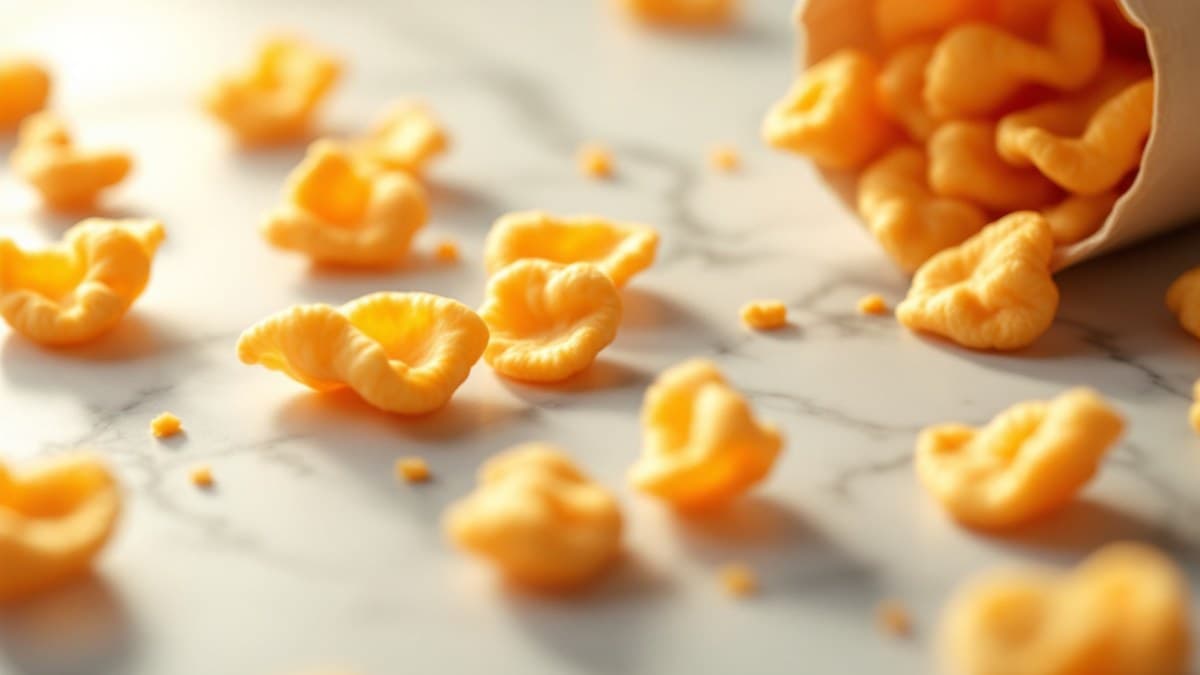
Moon Cheese Nutrition Facts (2026): 9g Protein, 0 Net Carbs — All 5 Flavors Compared
Moon Cheese delivers 9g of protein and zero net carbs per 1oz serving from 100% real cheese — no artificial ingredients, no grain, no gluten. Verified 2026 nutrition data for Cheddar, Pepper Jack, Gouda, Mozzarella, and Buen Queso, plus a straight comparison against chips, pork rinds, and crackers on protein density.
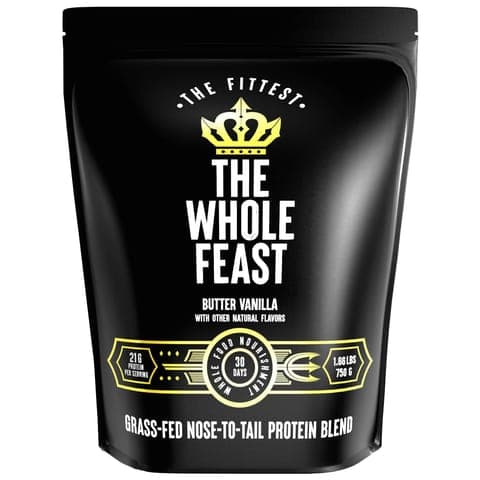
Our top high-protein picks
Editor-selected and ready to buy. As an Amazon Associate we may earn from qualifying purchases.
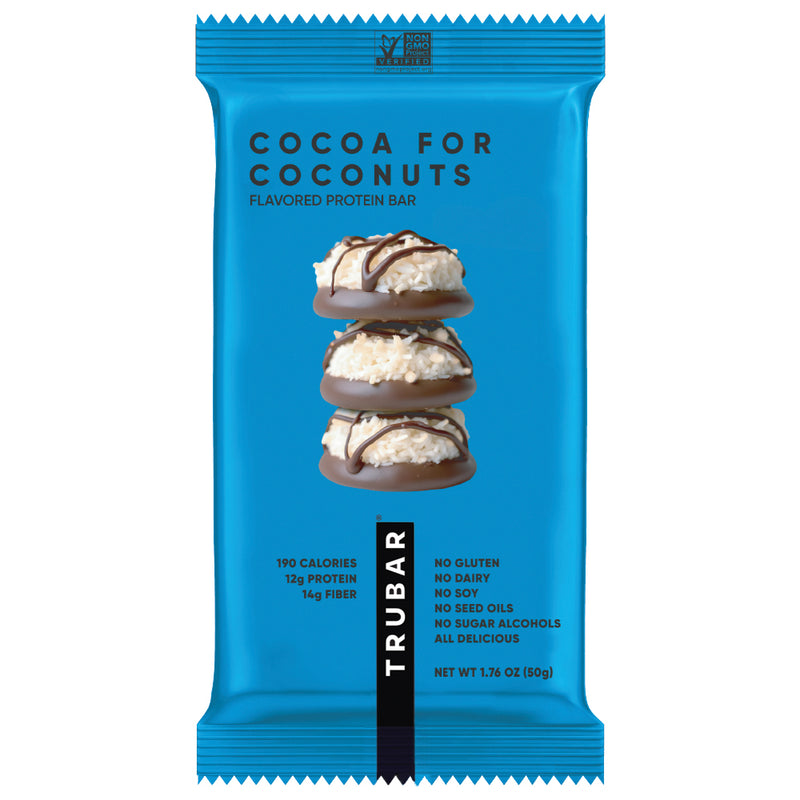 12g protein
Cocoa for Coconuts TRUBAR Nutrition and Protein Bar
Amazon returns policy · secure checkout
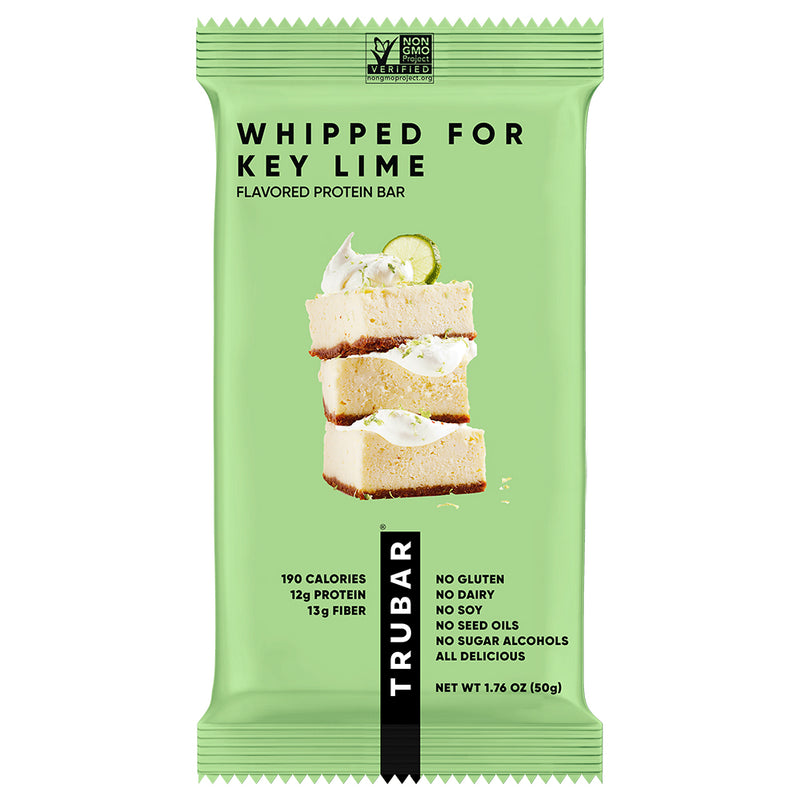 12g protein
Whipped For Key Lime TRUBAR Nutrition and Protein Bar
Amazon returns policy · secure checkout
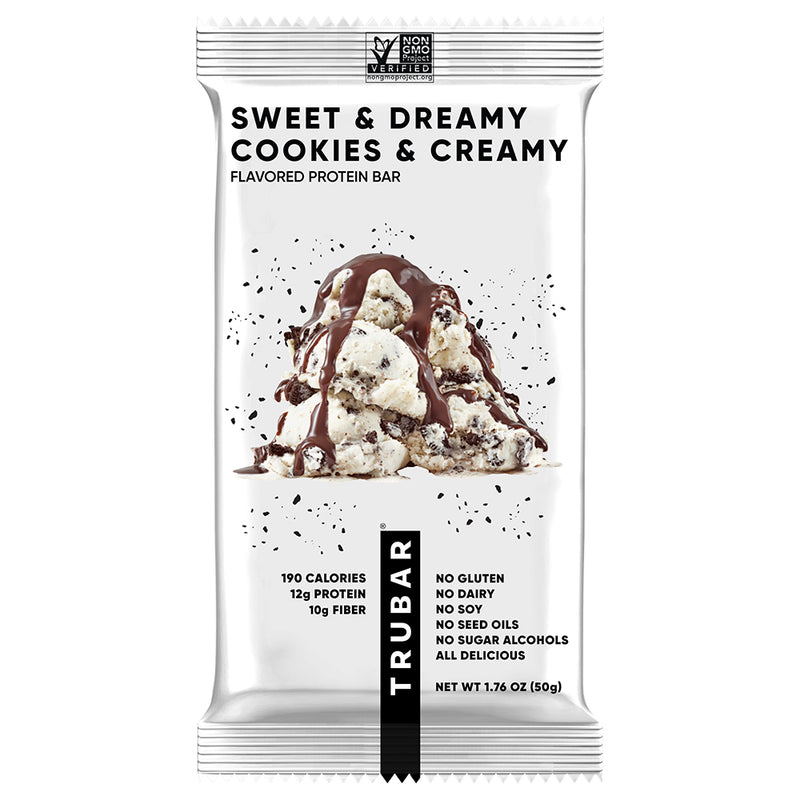 12g protein
Sweet & Dreamy, Cookies & Creamy
Amazon returns policy · secure checkout
Moon Cheese — the 30-second answer
Per 1oz (28g) serving: 9g protein, 120–130 calories, 0g net carbs, 8–9g fat, and 200–290mg sodium. Moon Cheese is baked (dehydrated) 100% real cheese — no grain, no gluten, no artificial ingredients. One ingredient: cheese. Best flavor for lowest calories: Gouda (120 cal). Best for bold heat: Pepper Jack. All flavors are keto, carnivore, and gluten-free compliant. Updated Aug 2026.
Moon Cheese is the most protein-dense cheese snack on the market — 9g of protein per ounce from 100% real dehydrated cheese, with zero net carbs and no artificial additives. It started as a keto-community staple and has expanded to mainstream retail at Costco, Target, Whole Foods, and Amazon. Unlike cheese puffs made from cheese powder and cornstarch, Moon Cheese uses only real cheese compressed and baked until shelf-stable. The result is a crunchy, intensely cheesy puff that competes directly with pork rinds and cheese crackers on protein density — and beats both on ingredient simplicity. Below is the verified 2026 nutrition breakdown for all five core flavors plus an honest comparison against the snack alternatives that compete for the same occasion.
Moon Cheese Nutrition Facts: All 5 Flavors Compared
All figures are per 1oz (28g) serving — the standard single-serve pouch size. A 2oz bag is two servings.
| Per 1oz (28g) serving | Cheddar | Pepper Jack | Gouda | Mozzarella | Buen Queso |
|---|---|---|---|---|---|
| Calories | 130 | 130 | 120 | 120 | 130 |
| Protein | 9g | 9g | 9g | 9g | 9g |
| Total fat | 9g | 9g | 8g | 8g | 9g |
| Saturated fat | 6g | 6g | 5g | 5g | 6g |
| Total carbs | 1g | 1g | 1g | 1g | 1g |
| Dietary fiber | 0g | 0g | 0g | 0g | 0g |
| Total sugar | 0g | 0g | 0g | 0g | 0g |
| Sodium | 280mg | 290mg | 200mg | 230mg | 290mg |
| Protein per 100 cal | 6.9g | 6.9g | 7.5g | 7.5g | 6.9g |
| Net carbs | 1g | 1g | 1g | 1g | 1g |
Every flavor delivers 9g of protein from pure cheese at 120–130 calories per ounce. The lighter-color cheeses (Gouda and Mozzarella) run slightly lower in calories and saturated fat because aged cheddars and pepper jack carry more fat in the original cheese before dehydration. Sodium ranges from a modest 200mg (Gouda) to 290mg (Pepper Jack, Buen Queso) — well within normal snack territory. Net carbs are 1g across the board, which fits a strict 20g-per-day ketogenic ceiling with ease.
Cheddar — The Original Flavor
Moon Cheese — Cheddar (28g / 1oz serving)
130 cal · 9g protein · 9g fat · 1g carbs · 0g sugar · 280mg sodium
Shop Cheddar on Amazon →The classic and widest-distributed flavor. Made from 100% pasteurized cheddar cheese with nothing added except the salt already in the cheese during aging. The dehydration process concentrates the sharp cheddar flavor to an intensity that holds up plainly without any seasoning blend. At 280mg of sodium per ounce, it is moderate on the salt scale — about half the sodium of a standard cheese cracker. The crunchy-puffed texture means a 1oz serving occupies more volume than a 1oz cube of cheese, which helps with satiety perception.
Pepper Jack
Moon Cheese — Pepper Jack (28g / 1oz serving)
130 cal · 9g protein · 9g fat · 1g carbs · 0g sugar · 290mg sodium
Shop Pepper Jack on Amazon →Identical macros to Cheddar but with a genuine spicy kick from the jalapeño peppers already present in Pepper Jack cheese. The heat is moderate — noticeable but not overwhelmingly hot — and lingers pleasantly. It is the most-reviewed variety on Amazon in the Moon Cheese line. At 290mg of sodium it is the saltiest of the five flavors but well within reasonable snack limits. Excellent standalone snack or a chip substitute for guacamole and salsa dipping.
Gouda
Moon Cheese — Gouda (28g / 1oz serving)
120 cal · 9g protein · 8g fat · 1g carbs · 0g sugar · 200mg sodium
Shop Gouda on Amazon →The lowest-calorie and lowest-sodium option in the lineup at 120 calories and 200mg of sodium per ounce. Gouda is naturally milder and slightly sweeter than cheddar, with a buttery aftertaste that comes through even in the dehydrated form. The mild profile makes it the easiest gateway flavor for people who find sharp cheddar too intense. At 7.5g of protein per 100 calories it is also the most efficient on a protein-per-calorie basis among the five flavors. A strong pick if you are calorie-tracking and want to maximize protein without the sharper salt hit of the Pepper Jack.
Mozzarella
Moon Cheese — Mozzarella (28g / 1oz serving)
120 cal · 9g protein · 8g fat · 1g carbs · 0g sugar · 230mg sodium
Shop Mozzarella on Amazon →The mildest-flavored Moon Cheese. Mozzarella is naturally a lower-fat cheese than cheddar or gouda (because of its higher moisture content in fresh form), which translates to a slightly lighter bite after dehydration. At 120 calories, 8g of fat, and 230mg of sodium, it occupies the same lower-calorie tier as Gouda. The milky, neutral flavor makes it more versatile as a food pairing — it works beside tomato-based dips where cheddar would clash. If you are new to Moon Cheese and unsure about the intensity, Mozzarella or Gouda is the safest starting point.
Buen Queso (Mexican Blend)
Moon Cheese — Buen Queso (28g / 1oz serving)
130 cal · 9g protein · 9g fat · 1g carbs · 0g sugar · 290mg sodium
Shop Buen Queso on Amazon →Made from a Mexican-style cheese blend that mirrors the queso fresco and cotija flavor profile. It sits at 130 calories and 290mg of sodium per ounce — matching Pepper Jack on the sodium side — with the same 9g of protein. The flavor is milder than Pepper Jack but more complex than plain Cheddar, with a slightly tangy finish from the cheese blend. A strong choice for anyone who wants variety beyond the American-style cheddar and jack lineup.
Moon Cheese vs. Competing Snacks: Protein Density Comparison
The most common occasion for Moon Cheese is as a chip or cracker substitute. Here is how it compares to other 1oz snacks on protein content:
| Snack (1oz / 28g) | Calories | Protein | Net carbs | Protein/100 cal |
|---|---|---|---|---|
| Moon Cheese Cheddar | 130 | 9g | 1g | 6.9g |
| Pork rinds (plain) | 150 | 17g | 0g | 11.3g |
| String cheese (1 stick, 28g) | 80 | 8g | 0g | 10.0g |
| Lay’s potato chips | 160 | 2g | 15g | 1.3g |
| Cheez-It (original) | 150 | 3g | 17g | 2.0g |
| Triscuit crackers | 120 | 3g | 19g | 2.5g |
| Almonds (raw) | 170 | 6g | 3g | 3.5g |
Moon Cheese ranks behind pork rinds and string cheese on pure protein-per-calorie efficiency, but beats every grain-based cracker and chip option by a wide margin. Versus pork rinds: Moon Cheese has 9g protein vs. 17g for pork rinds at similar calories — pork rinds win on protein density but Moon Cheese delivers a more complex flavor profile and a naturally dairy-sourced complete protein. Versus string cheese: the macros are nearly identical (Moon Cheese: 9g protein / 130 cal; string cheese: 8g protein / 80 cal), but string cheese is lower calorie and requires refrigeration. Moon Cheese wins on convenience (shelf-stable, no refrigeration needed), crunch, and flavor variety.
The Protein Source: 100% Cheese
Moon Cheese’s protein is straight dairy — the same casein and whey blend you get from any whole cheese, just concentrated through the dehydration process. Dairy protein is a complete protein with all nine essential amino acids and a leucine content second only to whey isolate among common protein sources. For practical purposes: the 9g of protein from 1oz of Moon Cheese is nutritionally equivalent to the 9g of protein from a 1.1oz piece of cheddar cheese. No protein isolates, no soy, no pea protein, no additives. The ingredient list is typically: pasteurized [cheese type], salt (two or three ingredients). That makes Moon Cheese one of the cleanest high-protein packaged snacks available.
Where to Buy Moon Cheese
Moon Cheese ships nationally and is in mainstream retail. Availability by channel:
- Amazon — largest selection including variety packs and 2oz vs. larger bags. Prime-eligible. Best for bulk purchases and flavor exploration.
- Costco — carries the Cheddar and Pepper Jack in multi-bag value packs at reduced per-ounce cost. Availability varies by warehouse.
- Target — Cheddar and Pepper Jack in the snack aisle or health snack section. Typically 2oz bags.
- Whole Foods / Sprouts — stocks the widest in-store flavor selection in the specialty grocery channel.
- Walmart — Cheddar available online; in-store availability patchy.
Frequently Asked Questions
How much protein is in Moon Cheese?
9g of protein per 1oz (28g) serving across all five core flavors. That is 32g of protein per 100g of product, making Moon Cheese one of the highest protein-density snacks by weight available in a shelf-stable format. A 2oz bag contains two servings (18g of protein total).
Is Moon Cheese keto?
Yes. Moon Cheese has 1g of total carbohydrate (0g fiber, 0g sugar) per 1oz serving — effectively zero net carbs. It fits strict ketogenic targets, carnivore diets, and any low-carbohydrate eating pattern. The only macro concern is saturated fat at 5–6g per serving, which is the expected profile for whole-cheese-derived snacks.
Is Moon Cheese just dehydrated cheese?
Essentially yes. Moon Cheese uses a proprietary baking-and-air-drying process to remove moisture from 100% real cheese until it becomes shelf-stable and crunchy. The product is not made from cheese powder or reconstituted cheese (the way Cheez-Its or Goldfish are). You are eating real compressed cheese that has been dehydrated, with no grains, starches, or fillers added. The ingredient list for every flavor is 1–3 items: the cheese and salt.
Does Moon Cheese need to be refrigerated?
No. The dehydration process makes Moon Cheese shelf-stable at room temperature. It does not need refrigeration before or after opening, which is one of its core practical advantages over string cheese or fresh cheese for on-the-go snacking. Store in a cool, dry place after opening and consume within a few days for best texture.
Is Moon Cheese gluten-free?
Yes. Moon Cheese contains no wheat, rye, barley, or gluten-containing grains. It is made in a facility that the company certifies as gluten-free. It is also grain-free, making it compatible with Paleo and AIP (Autoimmune Protocol) diets that go beyond standard gluten-free certification.
How does Moon Cheese compare to pork rinds on protein?
Pork rinds win on protein density: typically 17g of protein per 1oz versus Moon Cheese’s 9g, at similar calories (~150 cal). However, pork rinds are a single-protein source (collagen from pig skin) with a lower PDCAAS score than dairy casein/whey. Moon Cheese delivers a more complete amino acid profile from dairy protein. If maximum protein per calorie is the only goal, pork rinds lead. If you want a dairy-sourced complete protein in a crunchy shelf-stable snack, Moon Cheese is the better option. See our best pork rinds for protein guide for the top-ranked options.
Can you eat Moon Cheese on a dairy-free diet?
No. Moon Cheese is 100% real dairy cheese. It is not suitable for vegan, dairy-free, or lactose-free diets. For people with lactose intolerance: aged cheeses (cheddar, gouda, parmesan) are naturally very low in lactose because the aging process converts most lactose to lactic acid — many people with mild lactose intolerance tolerate Moon Cheese without issue. Anyone with a true milk protein allergy must avoid it entirely.
Bottom line: Moon Cheese delivers 9g of complete dairy protein per ounce with zero net carbs and a two-ingredient label — the cleanest high-protein shelf-stable snack in the crunchy-snack aisle. All five flavors (Cheddar, Pepper Jack, Gouda, Mozzarella, and Buen Queso) hit the same 9g protein target from 100% real dehydrated cheese. Gouda and Mozzarella lead on calories (120 cal/oz) and protein efficiency (7.5g per 100 cal); Pepper Jack and Buen Queso lead on bold flavor. Find the full range of high-protein snack options across categories in our protein snacks directory.
Shop our top high-protein picks
Editor-selected high-protein options related to this guide. As an Amazon Associate we may earn from qualifying purchases.
12g proteinCocoa for Coconuts TRUBAR Nutrition and Protein Bar
Amazon returns policy · secure checkout
12g proteinWhipped For Key Lime TRUBAR Nutrition and Protein Bar
Amazon returns policy · secure checkout
12g proteinSweet & Dreamy, Cookies & Creamy
Amazon returns policy · secure checkout
Tags
High Protein Snacks Pro Editorial Team
Independently researched and editorially reviewed. We compare real nutrition labels and never accept payment for coverage.
Get the best new protein snacks in your inbox
Weekly picks and honest reviews — no spam, unsubscribe anytime.
More from the journal
Best Protein Pasta (2026): Every Box Compared at the Same 2 oz — Edamame vs Chickpea vs Lupini vs Wheat
Compared at an identical 2 oz dry serving from each product's own Nutrition Facts panel: Explore Cuisine edamame spaghetti leads with 24g of protein, Kaizen delivers the most protein per calorie at 20g for 130 calories, and Banza hits 14g. Regular semolina pasta is 7g — and the wheat-based “Protein+” boxes only reach 10g. Verified protein, fiber, and net carbs for every option.
Read more
FitCrunch Protein Bar Nutrition Facts 2026: 30g Whey Protein, 6-Layer Baked Bar — Every Flavor Compared
FitCrunch full-size bars deliver 30g of whey protein at 380 calories with 6g of total sugar — the only mainstream 6-layer baked protein bar in the US, created by Food Network chef Robert Irvine. Snack-size bars deliver 16g of protein at 190 calories and 3g of sugar. Every flavor compared by calories, protein, fat, fiber, sugar, and sodium, with verified 2026 nutrition label data.
Read more
Orgain Protein Shake Nutrition Facts (2026): All 5 Formulas Compared — Which One Is Actually High Protein?
Orgain sells five RTD protein shake formulas ranging from 16g to 30g protein and 130 to 250 calories per bottle — and the nutrition gap between them is larger than most buyers expect. Verified 2026 facts for the Classic, Plant-Based, 20g Grass-Fed Whey, 26g Grass-Fed, and Costco-exclusive 30g Milk Protein formulas, with a comparison against Fairlife and Premier Protein.
Read more