Best High-Protein Cheese Snacks (2026): 7–9g Protein Per Serving — Whisps, Moon Cheese & String Cheese Ranked
The highest-protein packaged cheese snacks in 2026 — Whisps Parmesan Crisps (9g protein, 130 cal per 0.5 oz), Moon Cheese (9g protein, 120–130 cal per oz), and part-skim mozzarella string cheese (7g protein, 72 cal per stick) — ranked by protein density with verified label data and buying advice.

The short answer
Our top high-protein picks
Editor-selected and ready to buy. As an Amazon Associate we may earn from qualifying purchases.
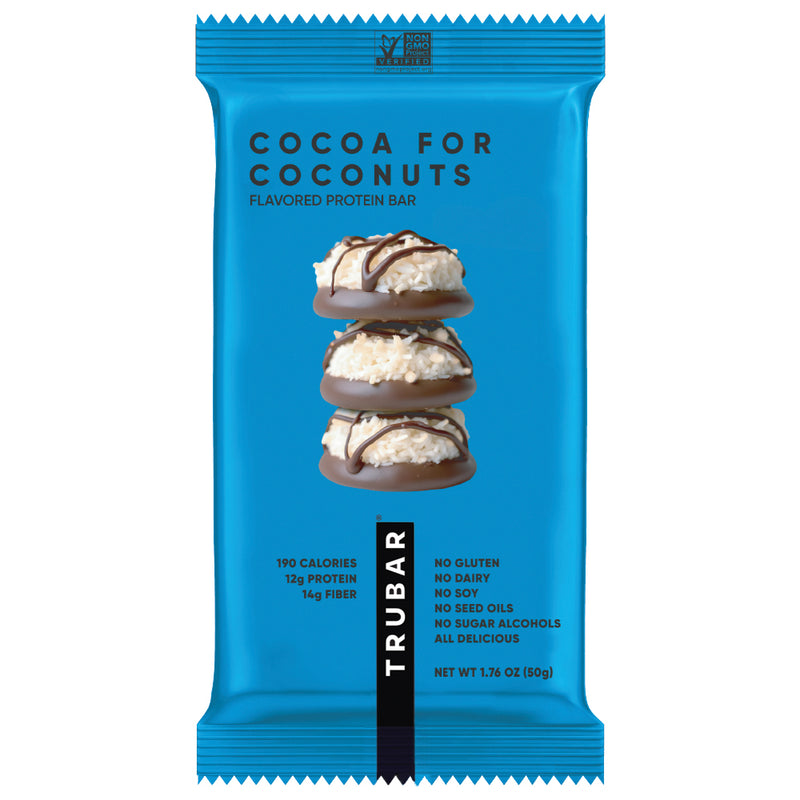 12g protein
Cocoa for Coconuts TRUBAR Nutrition and Protein Bar
Amazon returns policy · secure checkout
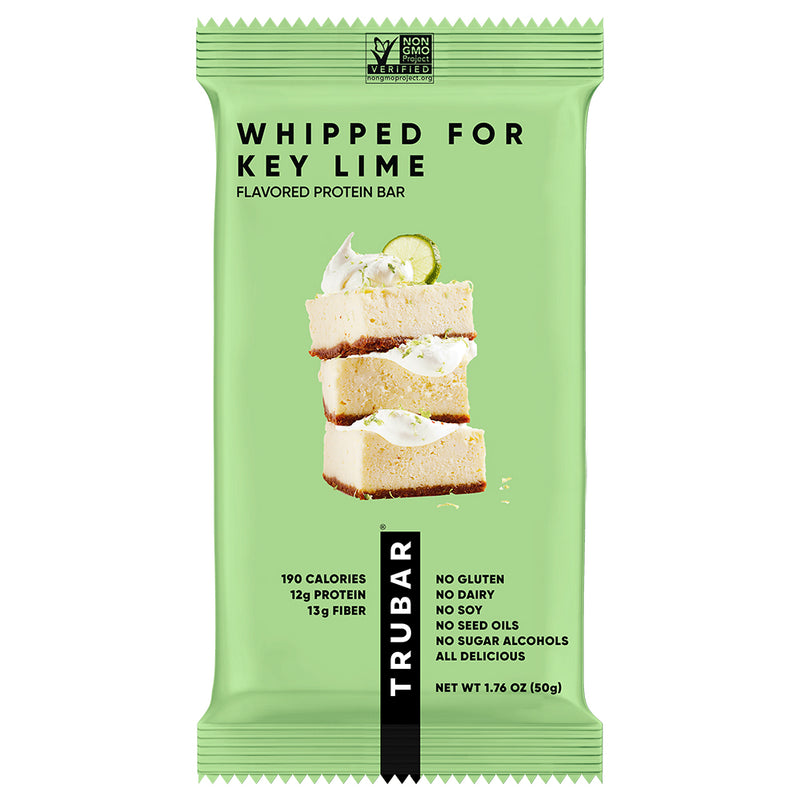 12g protein
Whipped For Key Lime TRUBAR Nutrition and Protein Bar
Amazon returns policy · secure checkout
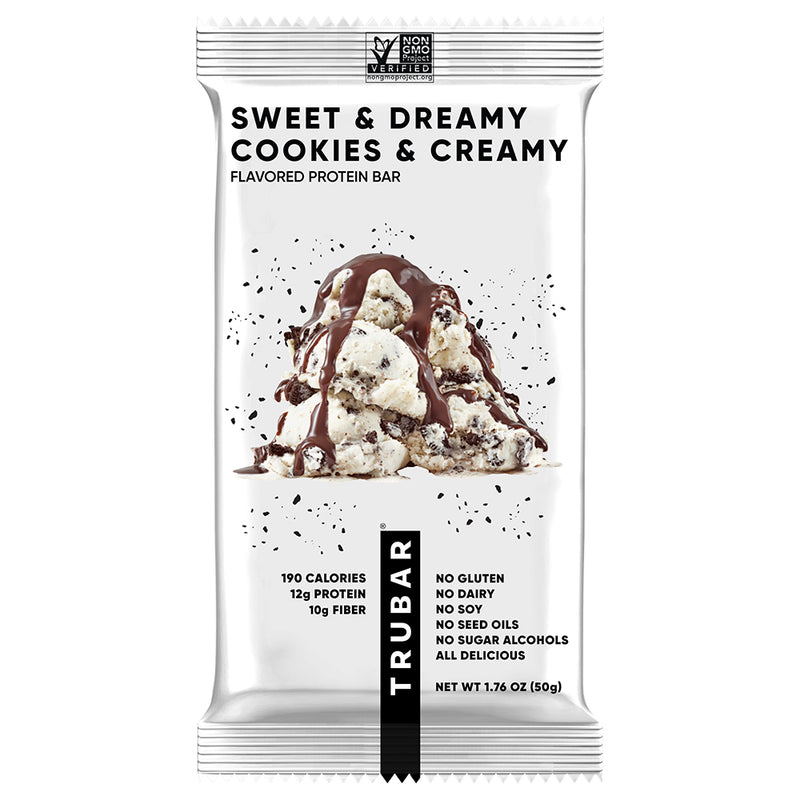 12g protein
Sweet & Dreamy, Cookies & Creamy
Amazon returns policy · secure checkout
Cheese Protein, by Type (USDA Generic Values, per 1 oz)
| Cheese | Protein | Calories | Fat | Category |
|---|---|---|---|---|
| Parmesan (grated or hard) | 10g | 110 | 7g | Aged, low-moisture |
| Cheddar | 7g | 113 | 9g | Aged, medium-moisture |
| Part-skim mozzarella (string cheese) | 7g | 72 | 4.5g | Semi-firm, medium-moisture |
| Swiss | 8g | 106 | 8g | Aged, medium-moisture |
| Cottage cheese (not a slice, for comparison) | ~4g per oz (28g of protein per 8 oz) | ~28 | ~1g | Fresh, high-moisture |
| Cream cheese | 2g | 99 | 10g | Fresh, very high-moisture |
| Brie | 6g | 95 | 8g | Soft-ripened, high-moisture |
Standard USDA generic values per ounce; a specific brand's label will vary slightly.
Best Packaged Cheese Snacks Ranked by Protein (2026)
Beyond raw cheese by the slice, a growing category of packaged shelf-stable cheese snacks concentrate protein further by removing moisture. These are the top picks ranked by protein per serving, with verified label data.
| Product | Serving | Protein | Calories | Fat | Carbs |
|---|---|---|---|---|---|
| Whisps Parmesan Cheese Crisps | 0.5 oz (14g) | 9g | 130 | 9g | 1g |
| Moon Cheese Cheddar | 1 oz (28g) | 9g | 130 | 9g | 1g |
| Part-skim mozzarella string cheese | 1 stick (~28g) | 7g | 72 | 4.5g | 1g |
| Natural cheddar (1 oz) | 1 oz (28g) | 7g | 113 | 9g | 0.5g |
Packaged brand values from current product labels (Whisps, Moon Cheese); string cheese and cheddar values from USDA generic data. Verify on current packaging as formulas change.
Whisps and Moon Cheese are both dehydrated real-cheese products — removing the water concentrates every macro, including protein. String cheese wins on calories per gram of protein (72 cal for 7g vs. 130 cal for 9g with Whisps), making it the better choice for calorie-restricted snacking. See our full Whisps nutrition guide and Moon Cheese nutrition guide for complete flavor-by-flavor breakdowns.
The Rule: Harder and Older Usually Means More Protein Per Ounce
Cheesemaking removes moisture through aging and pressing, and protein doesn't leave with the water — so as a cheese loses moisture, its protein concentrates. That's why a hard, aged cheese like Parmesan or aged cheddar reliably beats a fresh, spreadable cheese like cream cheese or brie on protein per ounce, even when both started as milk with similar protein content. It's a useful shortcut when reading a cheese board or a deli case: firmer and older generally means more protein per bite.
Cheese Snack Combos Worth Making
String cheese + turkey slices
One string cheese (7g protein) plus 2 oz of deli turkey (roughly 12g protein, USDA generic) makes a genuinely high-protein, low-prep snack around 200 calories total — no cooking, no cutting.
Grated Parmesan over roasted vegetables
An ounce of grated Parmesan over a plate of roasted broccoli or Brussels sprouts adds 10g of protein and real flavor to a vegetable side, turning it into something closer to a snack or light meal.
Cheddar cubes + apple slices
A classic pairing for a reason: the sharpness of aged cheddar against sweet apple works, and an ounce of cheddar (7g protein) alongside a medium apple makes a balanced, filling combination.
What to Watch For
Cheese crisps and cheese "chips" (baked, crunchy cheese snacks) concentrate protein similarly to their parent cheese, but portion control matters — they're easy to eat past a single serving because they're crunchy and low-moisture themselves. Check the actual serving size on the bag rather than eating from it directly.
Frequently Asked Questions
Which cheese has the most protein per calorie?
Parmesan, using standard USDA figures — roughly 10g of protein for 110 calories per ounce, a better ratio than most other common cheeses. Part-skim mozzarella is a close second on a protein-per-calorie basis due to its lower fat content.
Is string cheese actually high in protein?
Moderately — about 7g per stick, using standard USDA figures. It's not the highest-protein cheese by weight, but its low calorie count (around 72 per stick) and built-in portion control make it a genuinely useful snack format.
Why does cream cheese have so little protein compared to other cheeses?
Cream cheese is a fresh, unaged cheese with very high moisture content and a high fat-to-protein ratio by design — it's built for spreadability and richness, not protein density. It's a reasonable choice for flavor, not for a protein target.
Is cheese a good protein snack for weight loss?
Aged, harder cheeses (Parmesan, cheddar, part-skim mozzarella) offer a better protein-to-calorie ratio than soft, high-fat cheeses, making them a more efficient choice on a calorie budget. Portion size still matters — cheese is calorie-dense even at its best ratios.
Bottom line: not all cheese is equally high in protein — aged, low-moisture cheeses like Parmesan and cheddar carry roughly 3–5x the protein per ounce of fresh, high-moisture cheeses like cream cheese and brie, using standard USDA figures. Reach for the harder, older cheese when protein is the goal. Compare more options in the protein snacks directory.
Shop our top high-protein picks
Editor-selected high-protein options related to this guide. As an Amazon Associate we may earn from qualifying purchases.
12g proteinCocoa for Coconuts TRUBAR Nutrition and Protein Bar
Amazon returns policy · secure checkout
12g proteinWhipped For Key Lime TRUBAR Nutrition and Protein Bar
Amazon returns policy · secure checkout
12g proteinSweet & Dreamy, Cookies & Creamy
Amazon returns policy · secure checkout
Tags
High Protein Snacks Pro Editorial Team
Independently researched and editorially reviewed. We compare real nutrition labels and never accept payment for coverage.
Get the best new protein snacks in your inbox
Weekly picks and honest reviews — no spam, unsubscribe anytime.
More from the journal
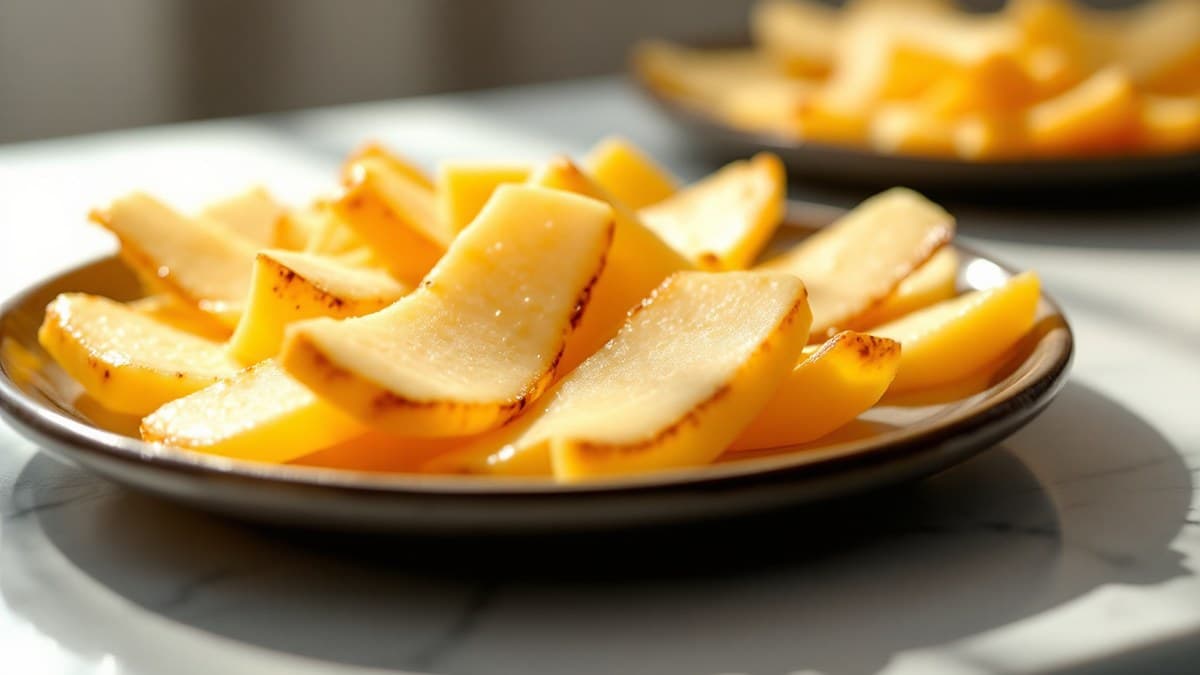
String Cheese Protein: How Much Is in Each Stick? 4 Brands Compared (2026)
A standard string cheese stick (28g) delivers 6–7g of protein at 80–90 calories — roughly 8–9g of protein per 100 calories, which beats most crackers and granola bars. We pulled Nutrition Facts from four major brands (Sargento, Polly-O/BelGioioso, Frigo CheeseHeads, Organic Valley) and ranked them by protein density, sodium, fat, and cost.
Read more
Fairlife Milk Nutrition Facts 2026: 13g Protein per Cup, Lactose-Free — Full Label Breakdown
Fairlife ultra-filtered whole milk delivers 13g of protein and 6g of sugar per 8 fl oz cup — 62% more protein and 50% less sugar than regular whole milk, with zero lactose. Complete 2026 nutrition label breakdown for whole, 2%, and fat-free varieties, with honest price and taste comparison to regular milk.
Read more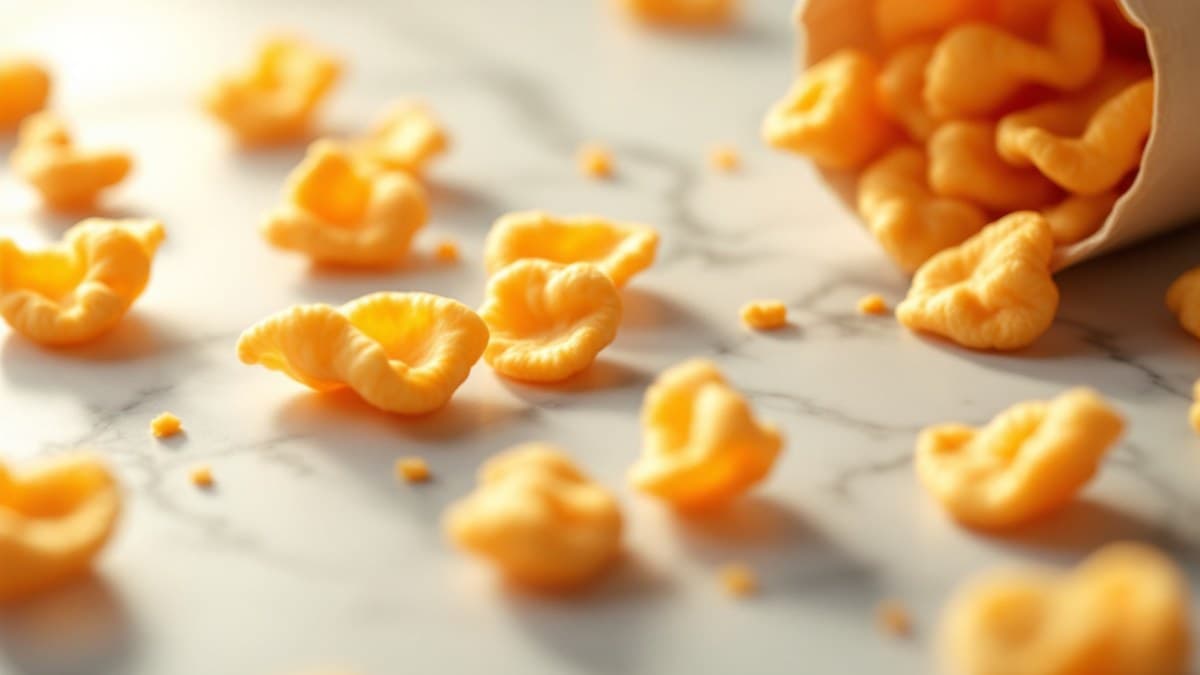
Moon Cheese Nutrition Facts (2026): 9g Protein, 0 Net Carbs — All 5 Flavors Compared
Moon Cheese delivers 9g of protein and zero net carbs per 1oz serving from 100% real cheese — no artificial ingredients, no grain, no gluten. Verified 2026 nutrition data for Cheddar, Pepper Jack, Gouda, Mozzarella, and Buen Queso, plus a straight comparison against chips, pork rinds, and crackers on protein density.
Read more