Protein Bars Without Seed Oils (2026): 5 Picks Verified From the Ingredient List
We read the published ingredient statement for eleven best-selling protein bars. Atlas Real Food Salted Peanut Butter wins with 20g of protein in 220 calories and no oil on its label at all; Quest Chocolate Chip Cookie Dough quietly passes too at 21g in 200 calories. Barebells and think! both list sunflower oil, and DAVID’s “modified plant fat” turns out to be built from canola oil.
Our top protein bar picks
Editor-selected and ready to buy. As an Amazon Associate we may earn from qualifying purchases.
 28g protein
 12g protein
Chocolate Lovers & Fruit Lovers (24 Bars)
Amazon returns policy · secure checkout
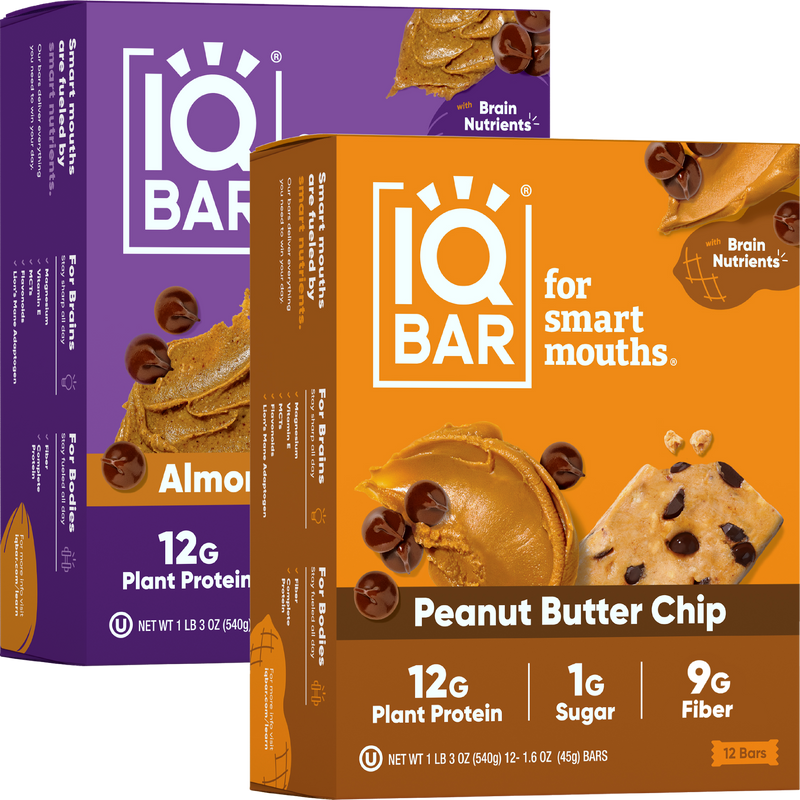 12g protein
Almond Butter Chip & Peanut Butter Chip (24 Bars)
Amazon returns policy · secure checkout
“Does it have seed oils?” has become one of the most common questions asked about a protein bar, and almost nobody answers it by actually reading the labels. So we did. We pulled the published ingredient statement for eleven of the best-selling protein bars in the United States on October 2, 2026, straight from the retail listings and brand pages where each one is sold, and sorted them by what the label actually says — not by what the box claims on the front.
Three things came out of it that are worth knowing before you spend money:
- Several of the most mainstream bars pass. Quest's Chocolate Chip Cookie Dough bar, which has never marketed itself on this, lists no oil whatsoever. So does GoMacro. The “clean” boutique brands are not the only ones that qualify.
- The word “sunflower” on an ingredient list usually is not sunflower oil. Sunflower lecithin is an emulsifier used in trace amounts, and sunflower seed butter is ground seeds. Neither is a refined oil, and confusing them is why most seed-oil lists on the internet are wrong.
- The bar with the most protein on the shelf gets its fat from a modified canola oil. DAVID's label reads “MODIFIED PLANT FAT (EPG)” and never names the source. We traced it below.
What counts as a seed oil, and what does not?
In practice, “seed oils” means a specific short list of refined, industrially extracted oils high in the omega-6 fat linoleic acid: canola (rapeseed), soybean, corn, cottonseed, sunflower, safflower, grapeseed and rice bran. Those are the eight names worth scanning an ingredient panel for. Everything else people argue about on a protein bar label is a different kind of fat with a different profile.
- Palm oil and palm kernel oil are not on that list. Palm oil is pressed from the fruit. Palm kernel oil comes from the seed inside that fruit, so botanically it is a seed oil — but it is roughly 80 percent saturated fat with almost no linoleic acid, which is the opposite of the profile anyone avoiding seed oils is trying to avoid. If your reason for skipping seed oils is omega-6 content, palm kernel oil does not belong on your avoid list. If your reason is deforestation, it very much does. Those are two different questions.
- Coconut oil, cocoa butter and olive oil are not seed oils. Coconut and cocoa butter are the fats the bars on this list actually use instead.
- Flax, sesame and pumpkin seed oil are literally seed oils — and they are also sold cold-pressed and unrefined, which is not the same product as refined bulk soybean oil. Perfect Bar contains all three. Whether that counts for you depends on whether you object to the seed or to the refining.
- Lecithin is not oil. Sunflower lecithin and soy lecithin are emulsifiers, listed in the “less than 2 percent” section, and they hold a bar together. Almost every bar on the shelf has one.
Is a seed oil in a protein bar actually worth avoiding?
We are not going to tell you a few grams of sunflower oil in a protein bar is dangerous, because the evidence does not support saying that. The most direct test of the inflammation claim is a systematic review of fifteen randomized controlled trials in healthy adults, which found that none of the studies reported a significant effect of dietary linoleic acid on C-reactive protein, fibrinogen, cytokines or tumor necrosis factor alpha, and concluded that “virtually no evidence is available from randomized, controlled intervention studies among healthy, noninfant human beings to show that addition of LA to the diet increases the concentration of inflammatory markers” (Johnson and Fritsche, Journal of the Academy of Nutrition and Dietetics, 2012).
Plenty of people still choose to avoid them, and that is a perfectly reasonable preference to shop on. This page exists to make that preference easy to act on accurately. What we would push back on is the idea that a seed-oil-free label makes a bar healthy on its own: a bar can be free of every seed oil on earth and still be 14 grams of sugar, or 6 grams of protein, or three different sugar alcohols. The seed-oil question is one line on the label, not the whole label.
How we ranked these
A bar only gets on this list if its published ingredient statement contains none of the eight industrial seed oils. That is a yes-or-no test read off a label, not a brand's marketing claim — two of the five picks here have never used the phrase “seed oil free” in their advertising. Among the bars that pass, we ordered them by how much protein you get per 100 calories, then moved a bar down when getting that protein costs you something a person avoiding seed oils is usually also avoiding: sucralose, a sugar alcohol, or a label that reads like a formulation sheet.
Ingredient statements and nutrition panels were read on October 2, 2026 from each product's own retail listing. Formulas and listings change; the label on the box you receive is always the final word.
Every pick compared on the same numbers
| Bar | Serving | Calories | Protein | Protein / 100 cal | Fiber | Sugar | Cost / g protein | What provides the fat |
|---|---|---|---|---|---|---|---|---|
| Atlas Real Food, Salted Peanut Butter | 1 bar (54g) | 220 | 20g | 9.1g | 12g | 1g | $0.166 | Peanuts, almonds, cocoa butter |
| Quest, Chocolate Chip Cookie Dough | 1 bar (60g) | 200 | 21g | 10.5g | 14g | 1g | $0.113 | Almonds, cocoa butter |
| No Cow, Peanut Butter Chocolate Chip | 1 bar (60g) | 200 | 20g | 10.0g | 15g | 1g | $0.137 | Peanuts, cocoa butter |
| RXBAR, Chocolate Sea Salt | 1 bar (52g) | 200 | 12g | 6.0g | 5g | 14g | $0.187 | Almonds, cashews (no added oil at all) |
| IQBAR, Peanut Butter Chip | 1 bar (45g) | — | 12g | — | 9g | 1g | $0.174 | Peanuts, almonds, coconut oil |
Nutrition and ingredient statements read from each product's own retail listing on October 2, 2026. Cost per gram of protein is calculated from the listed pack price on that date and will move with the listing. A dash means we could not read that figure from a source we trust, and we do not fill those in with an estimate — IQBAR publishes protein, fiber and sugar on its own product page but not a full calorie panel, so that cell stays empty.
The 5 Best Protein Bars Without Seed Oils, Ranked
#1 Atlas Real Food, Salted Peanut Butter — the most protein you can get with nothing else to forgive
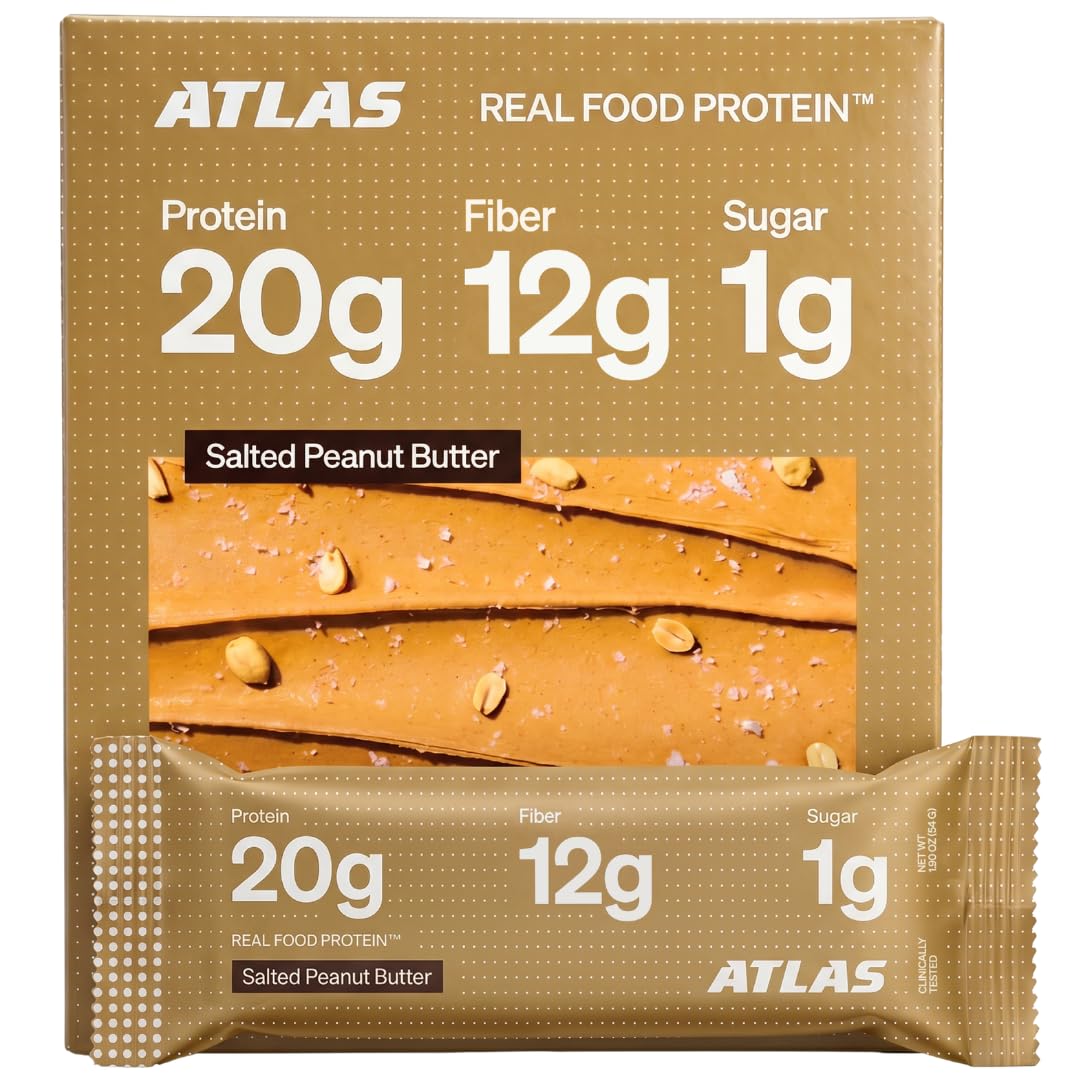
Atlas Real Food Protein Bars, Salted Peanut Butter, 12 Bars
20g protein · 220 cal · 12g fiber · 1g sugar · 0g added sugar · 0g sugar alcohol · 260mg sodium · sweetened with monk fruit only
Check price on Amazon →The full ingredient statement is short enough to quote: protein blend (milk protein isolate, whey protein isolate, collagen), tapioca fiber, nuts (peanuts, almonds), vegetable glycerin, peanut flour, cocoa butter, peanut extract, sunflower lecithin, sea salt, monk fruit extract. There is no oil in it. The fat comes from the peanuts, the almonds and the cocoa butter, which is why 10 grams of fat here reads as food rather than as an additive.
It is also the only bar on this list that gets to 20 grams of protein without a sugar alcohol or an artificial sweetener anywhere on the panel — monk fruit extract is the whole sweetening system, and the label shows 0g sugar alcohol. Twelve grams of fiber is a genuinely high number for a bar this size; for context, see our ranking of protein bars by fiber.
The honest catch: collagen is the third item in that protein blend, and Atlas does not disclose how much of the 20 grams it accounts for. Collagen is an incomplete protein — it is very low in tryptophan and does not carry the leucine that drives muscle repair — so the muscle-building share of this bar is somewhere below 20 grams, and only Atlas knows by how much. If you are eating a bar specifically to build muscle after training, that matters. If you are eating it to stay full between meals, it does not.
#2 Quest, Chocolate Chip Cookie Dough — the one in every grocery store, and it passes

Quest Nutrition Chocolate Chip Cookie Dough Protein Bars, 4 Count
21g protein · 200 cal · 14g fiber · 1g sugar · 9g fat · 190mg sodium · 3g erythritol · no oil on the ingredient list
Check price on Amazon →This is the result most people do not expect. Quest has never sold itself on clean-label positioning, and the Chocolate Chip Cookie Dough bar is the most ordinary purchase in this entire category — and its ingredient statement contains no oil of any kind: protein blend (milk protein isolate, whey protein isolate), soluble corn fiber, almonds, water, unsweetened chocolate, erythritol, natural flavors, cocoa butter, then under two percent sea salt, sunflower lecithin, stevia and sucralose. The fat is almonds and cocoa butter. At 10.5 grams of protein per 100 calories it is also the densest bar on this list, and the cheapest per gram of protein.
The honest catch: it gets there with sucralose and erythritol. If you avoid seed oils because you prefer a short, recognizable ingredient list, this bar will not satisfy that instinct even though it passes the specific test. Erythritol is also the sweetener some people react to; we covered who should be careful with it in our guide to protein bars with erythritol, and the broader picture in protein bar sweeteners explained. One more caveat specific to this brand: we verified the Chocolate Chip Cookie Dough flavor. Quest's dipped and candy-style bars use a different coating system, so check the flavor you actually buy. Full brand breakdown: our Quest nutrition guide.
#3 No Cow, Peanut Butter Chocolate Chip — the plant-based pick, with the most fiber of any bar here
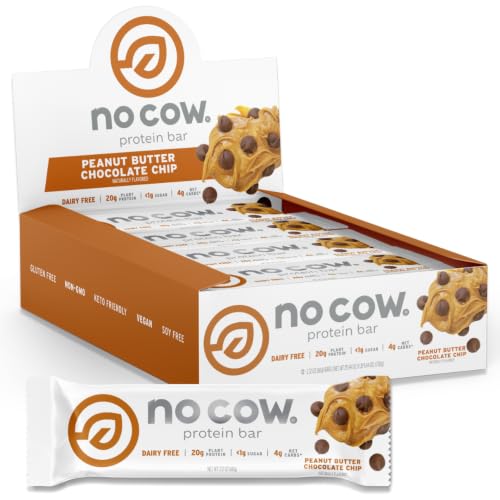
No Cow Peanut Butter Chocolate Chip Vegan Protein Bars, 12 Pack
20g plant protein · 200 cal · 15g fiber · 1g sugar · 0g added sugar · 5g fat · 220mg sodium · dairy-free and vegan
Check price on Amazon →Twenty grams of brown rice and pea protein, fifteen grams of fiber and only five grams of fat, with no oil on the label. It is the leanest bar on this list by fat and the highest in fiber, which is the combination that makes it unusually filling for 200 calories.
One line on this label trips up the seed-oil lists that scan for keywords: the chocolate chips contain “vegetable protein (pea, canola).” That is canola protein, a protein isolate used as an emulsifier in the chips — not canola oil. The fat was removed from it. A keyword search flags it; reading the parenthesis does not.
The honest catch: the sweetener blend is erythritol and stevia, and No Cow uses a lot of it. This is also a bar whose texture divides people sharply. If you want plant-based options with the seed-oil question set aside, start with our vegan protein bar rankings.
#4 RXBAR, Chocolate Sea Salt — the only bar here with no added oil and nothing you cannot pronounce

RXBAR Protein Bars, Chocolate Sea Salt, 12 Bars
12g protein · 200 cal · 5g fiber · 14g sugar (0g added) · 8g fat · 190mg sodium · 7 ingredients
Check price on Amazon →Dates, egg whites, almonds, cashews, 100% chocolate, sea salt, natural chocolate flavor. That is the whole list. No oil, no isolate, no sweetener system, no emulsifier — this is the only bar in this comparison that has nothing on its label you would not find in a kitchen. If your objection to seed oils is really an objection to industrial food, this is the bar that answers it.
The honest catch: 12 grams of protein in 200 calories is half the density of the Quest bar, and the 14 grams of sugar come from dates, which your body does not treat very differently from other sugar just because it arrived in fruit form. It is a real-food snack with protein in it, not a protein bar in the engineered sense. Our full RXBAR nutrition breakdown has the numbers across every flavor.
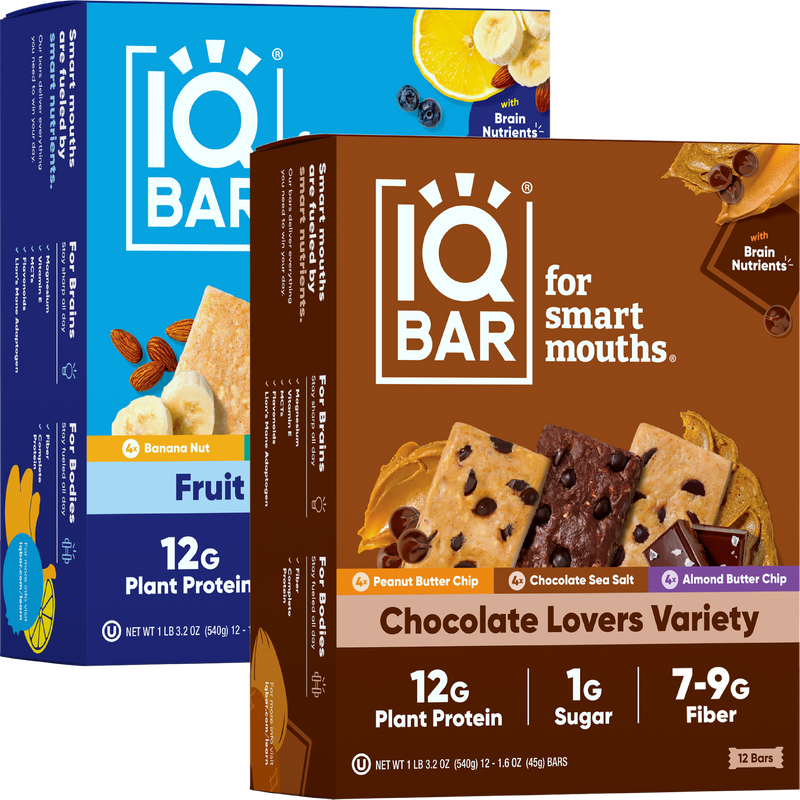
#5 IQBAR, Peanut Butter Chip — the dairy-free option whose only fat is coconut oil

IQBAR Clean Plant Protein Bars, Peanut Butter Chip + Almond Butter Chip, 24 Bars
12g plant protein · 9g fiber · 1g sugar · vegan and dairy-free · calories not published on the sources we read
Check price on Amazon →IQBAR publishes its list openly: nut blend (peanuts, almonds), prebiotic blend (tapioca fiber, vegetable fiber), pea protein crisps, pea protein, vegetable glycerin, natural flavors, water, peanut flour, unsweetened chocolate, coconut oil, sea salt, stevia, lion's mane, vitamin E. The only oil in it is coconut. Twelve grams of protein, nine grams of fiber and one gram of sugar, with no dairy and no soy.
The honest catch: 12 grams is modest for the price, this bundle is 24 bars so the up-front cost is the highest on the page, and IQBAR does not publish a full calorie panel on its own product page, which is why that column shows a dash rather than a number we made up. The lion's mane is a marketing ingredient at this dose, not a reason to buy.
Which popular protein bars do contain a seed oil?
This is the part most seed-oil lists get wrong, because they go by brand reputation instead of by label. Here is what each of these bars actually lists, in its own words.
| Bar | What the ingredient statement actually lists | Verdict |
|---|---|---|
| think! High Protein, Chunky Peanut Butter | “SUNFLOWER OIL … PEANUT OIL” | Contains a seed oil |
| Barebells, Caramel Cashew | “sunflower oil” | Contains a seed oil |
| Perfect Bar, Peanut Butter | “FLAX SEED OIL, SESAME SEED OIL, OLIVE OIL, PUMPKIN SEED OIL” | Contains seed oils, but unrefined and cold-pressed, not the refined industrial kind |
| DAVID, Peanut Butter Chocolate Chunk | “MODIFIED PLANT FAT (EPG) … COCONUT OIL” | EPG is made from rapeseed (canola) oil — see below |
| ONE Bar, Chocolate Chip Cookie Dough | “Sunflower Seed Butter, Palm Kernel Oil” | No industrial seed oil; palm kernel oil is a tropical saturated fat and seed butter is ground seeds |
| GoMacro MacroBar, Peanut Butter Chocolate Chip | No oil listed at all: brown rice syrup, peanut butter, rice and pea protein, chocolate chips, puffed brown rice, peanuts | Passes (11g protein, organic) |
GoMacro deserves the honorable mention: it passes this test as cleanly as RXBAR does, on a fully organic and vegan label, and only missed the ranked list because 11 grams of protein in a 2.5-ounce bar is the lowest density here. If organic matters more to you than protein density, start with our organic protein bar rankings.
What is the fat in a DAVID bar, if it is not a seed oil?
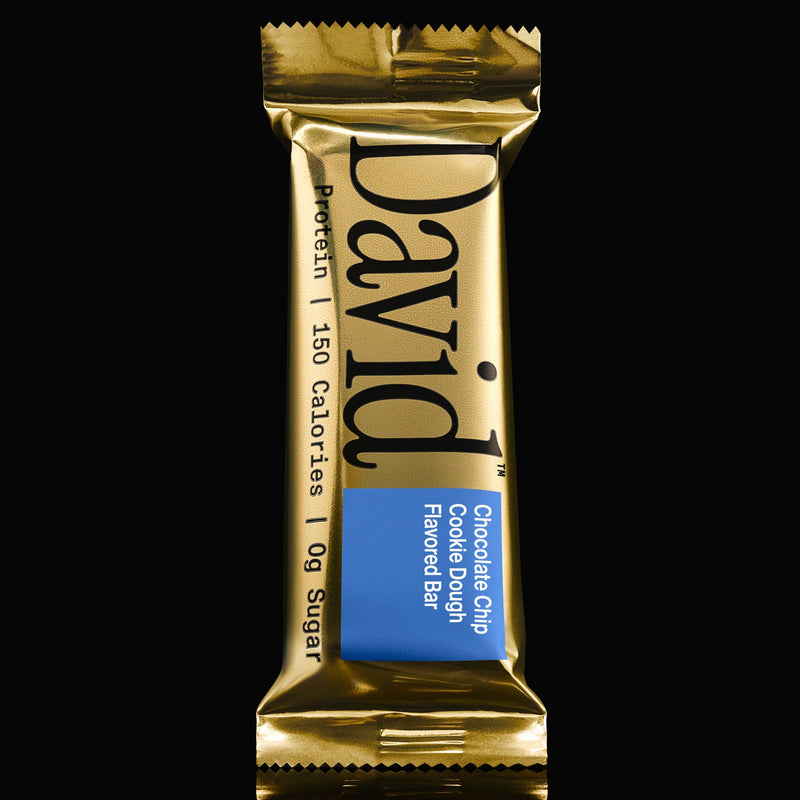
DAVID's 28-grams-of-protein-in-150-calories bar is the most talked-about product in this category, and the reason it hits that number is its fat. The label does not use an ordinary oil name. It reads “FAT SYSTEM: MODIFIED PLANT FAT (EPG), COCONUT OIL.”
EPG stands for esterified propoxylated glycerol, a manufactured fat replacer made by Epogee. It is built by taking a plant oil, splitting it into glycerin and fatty acids, inserting a propoxyl connector and reassembling it, so that it behaves like fat in the mouth while passing through largely undigested — which is how a bar gets that much protein into that few calories. The plant oil it starts from is rapeseed, which is canola. That has been reported in detail by Green Queen, and the European Commission's novel food application file for EPG describes the same rapeseed-oil starting material.
So the honest answer to “does DAVID contain seed oils” is: not as an oil, but its primary fat is chemically derived from one, and you cannot tell that from the wrapper. Whether that disqualifies the bar for you depends on whether you are avoiding the fatty acids in seed oils — EPG is modified specifically so those are not absorbed — or avoiding industrially processed ingredients in general, in which case EPG is about as processed as a food ingredient gets. We are not calling it unsafe; it is a reviewed, generally-recognized-as-safe ingredient. We are saying the label should be easier to read than this. The rest of the bar's numbers are in our DAVID protein bar nutrition breakdown.
Frequently Asked Questions
What is the best protein bar without seed oils?
The Atlas Real Food Salted Peanut Butter bar: 20 grams of protein in 220 calories, 12 grams of fiber, 1 gram of sugar, and an ingredient statement with no oil in it at all — the fat comes from peanuts, almonds and cocoa butter. It is also the only 20-gram bar here that reaches that number without a sugar alcohol or an artificial sweetener.
Do Quest bars have seed oils?
The Chocolate Chip Cookie Dough bar does not. Its published ingredient statement lists no oil of any kind — the fat is almonds and cocoa butter, and the only sunflower-derived item is lecithin, an emulsifier used below two percent. Quest makes many lines, and dipped or candy-style bars use different coatings, so check the specific flavor you buy.
Do RXBARs have seed oils?
No. The Chocolate Sea Salt bar is dates, egg whites, almonds, cashews, 100% chocolate, sea salt and natural chocolate flavor. There is no added oil of any kind in it, which makes RXBAR the strictest pass in this entire comparison. The trade-off is 12 grams of protein and 14 grams of sugar from the dates.
Is palm oil a seed oil?
Palm oil is pressed from the fruit of the palm, so it is not a seed oil. Palm kernel oil comes from the seed inside that fruit, so botanically it is one — but it is around 80 percent saturated fat with very little linoleic acid, the opposite of the profile that people avoiding seed oils are concerned about. Neither is on the list of eight industrial seed oils the term usually refers to.
Is sunflower lecithin the same as sunflower oil?
No. Lecithin is an emulsifier extracted from the sunflower, used in trace amounts to keep a bar from separating, and it is listed in the “less than 2 percent” section for that reason. Sunflower seed butter is also not sunflower oil — it is ground whole seeds. Keyword-matching on the word “sunflower” is why so many online seed-oil lists disagree with each other.
Does the DAVID protein bar contain seed oils?
Not as an oil. Its fat is listed as “MODIFIED PLANT FAT (EPG)” plus coconut oil. EPG is a manufactured fat replacer built from rapeseed — canola — oil, chemically modified so it passes through largely undigested. The wrapper does not name the source oil, which is why this question keeps coming up.
Are seed oils in protein bars actually bad for you?
The strongest direct evidence does not support the inflammation claim: a systematic review of fifteen randomized controlled trials found no significant effect of dietary linoleic acid on inflammatory markers in healthy adults. Avoiding them is still a legitimate preference, and this page makes it easy to act on. But a seed-oil-free label tells you nothing about a bar's protein, sugar or sweeteners — it is one line on the panel, not a verdict on the food.
Why do protein bars use oil at all?
Fat carries flavor and keeps a high-protein bar from setting like a brick, and a cheap refined oil does that at a fraction of the cost of cocoa butter or whole nuts. Every bar on the ranked list above replaces it with something more expensive — nuts, cocoa butter or coconut oil — which is most of the reason these bars cost more per bar than the ones that do not.
How we checked: every ingredient statement and nutrition figure above was read on October 2, 2026 from the product's own retail listing or the brand's own product page, and each bar's numbers are quoted for the specific flavor named. Prices are the listed pack price on that date and will move. Formulations change between production runs; the label on the box you receive is always the final word. This page contains affiliate links, and we earn a commission if you buy through them — it does not change what the labels say or where a bar landed on this list.
Shop our top protein bar picks
Editor-selected high-protein options related to this guide. As an Amazon Associate we may earn from qualifying purchases.
28g protein12g proteinChocolate Lovers & Fruit Lovers (24 Bars)
Amazon returns policy · secure checkout
12g proteinAlmond Butter Chip & Peanut Butter Chip (24 Bars)
Amazon returns policy · secure checkout
Tags
High Protein Snacks Pro Editorial Team
Independently researched and editorially reviewed. We compare real nutrition labels and never accept payment for coverage.
Get the best new protein snacks in your inbox
Weekly picks and honest reviews — no spam, unsubscribe anytime.
More from the journal
Healthiest Protein Bars 2026: 10 Bars Ranked by Ingredient Quality (Not Marketing)
RXBAR Chocolate Sea Salt is the healthiest protein bar in 2026 — four whole-food ingredients (egg whites, dates, almonds, cashews), zero added sweeteners, zero isolates, zero sugar alcohols. These 10 protein bars are ranked strictly by ingredient quality against a 5-part rubric: complete protein source (no collagen filler), sweetener transparency (no sucralose, aspartame, or Ace-K), whole-food ingredients, sugar source, and additive load. A bar with 20g of protein and sucralose is not healthier than a bar with 12g of protein and real dates — and this ranking is honest about that trade-off.
Read more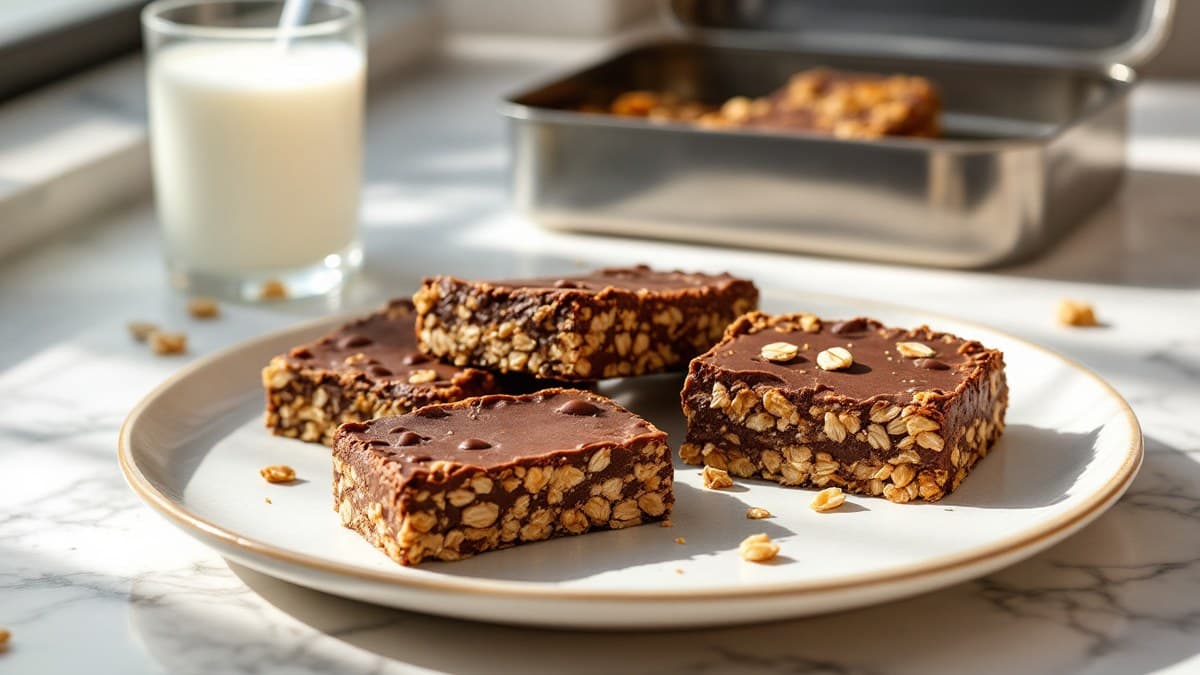
Best Nut-Free Protein Bars (2026): 5 Picks Ranked by Protein and Allergen Statement
The best nut-free protein bars in 2026, ranked by how strong each brand's nut-free guarantee actually is: Alio Choco Mint (15g protein, 170 calories, peanuts and tree nuts not processed in its facility), No Nuts! (12g, 190 calories, 'Made in a 100% NUT-FREE Facility' printed on the box) and 88 Acres (12g, dedicated bakery free of seven allergens). Every bar with a real nut-free facility behind it tops out at 15g of protein — here is why, and what to do instead.
Read more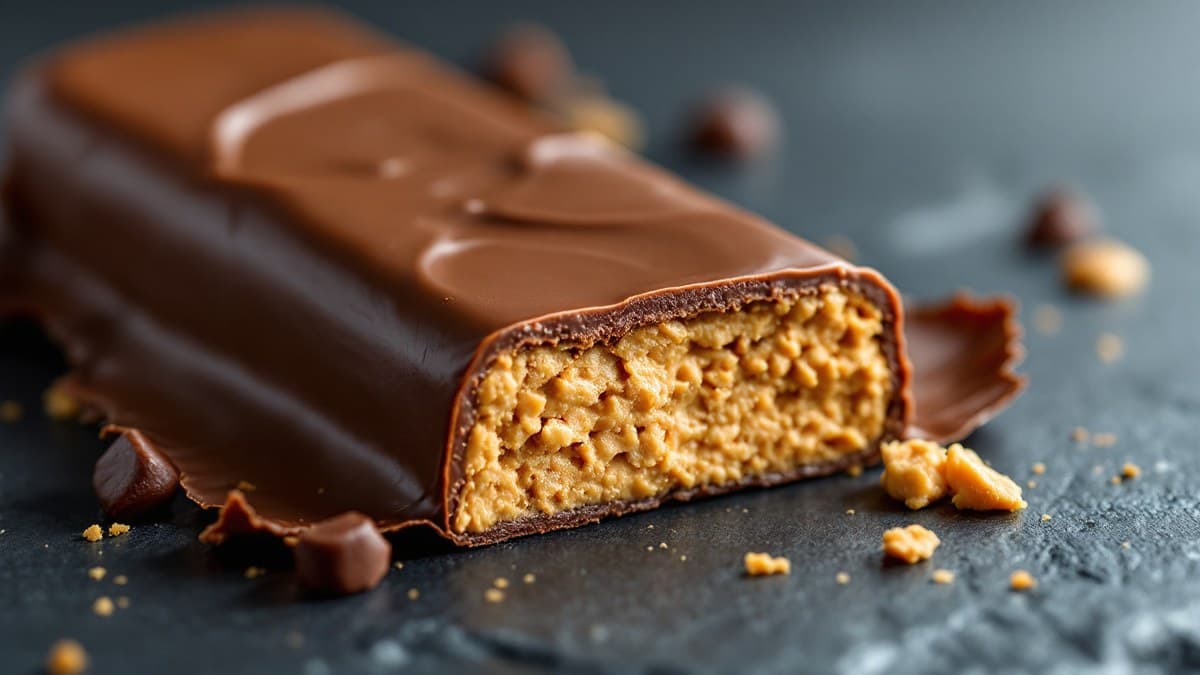
Fulfil Vitamin Protein Bar Review (2026): 20g Protein and 9 Vitamins Per Bar — Nutrition Facts and Honest Comparison
Fulfil Vitamin Protein Bar delivers 20g of protein and 9 vitamins (B1, B2, B3, B6, B12, C, D, folate, biotin) in a 40g bar at approximately 190–200 calories. Sweetened with maltitol and sucralose. Full 2026 nutrition facts for every flavor, a direct comparison with Quest, ONE Bar, and Barebells, and an honest look at who this vitamin-fortified bar is actually built for.
Read more