Power Crunch Protein Bar Nutrition Facts (2026): 14g Proto Whey, Zero Sugar Alcohols — All Flavors Compared
Power Crunch Original bars deliver 13–14g of Proto Whey protein with zero sugar alcohols at 200 calories — one of the only mainstream protein bars to avoid maltitol, erythritol, and sorbitol entirely. Verified 2026 nutrition facts for all Original and PRO flavors, a breakdown of the whey hydrolysate blend, and a head-to-head against Quest, Barebells, Grenade, and RXBAR.
The short answer
Our top protein bar picks
Editor-selected and ready to buy. As an Amazon Associate we may earn from qualifying purchases.
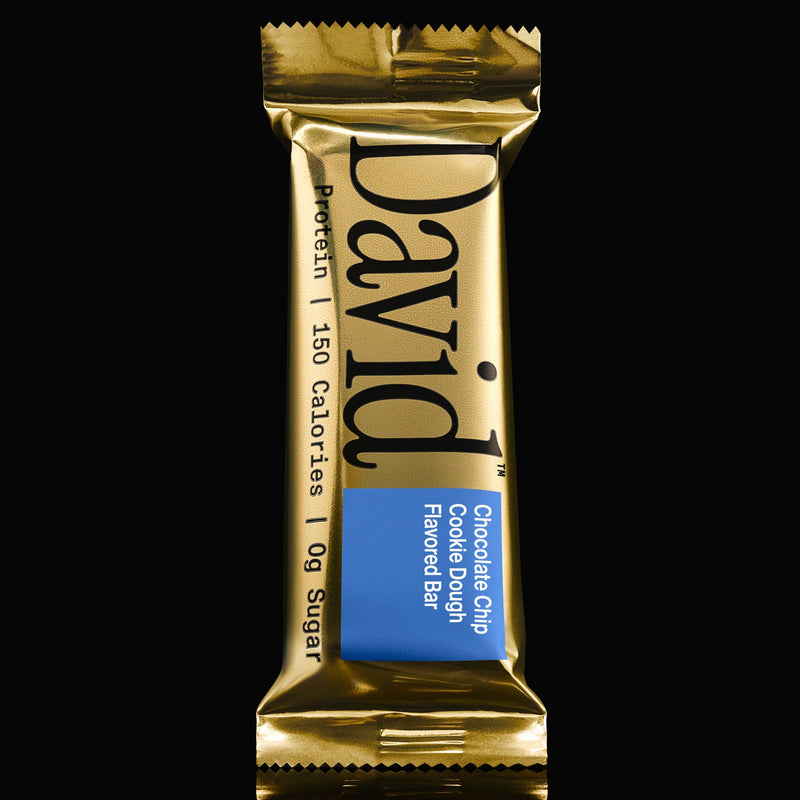 28g protein
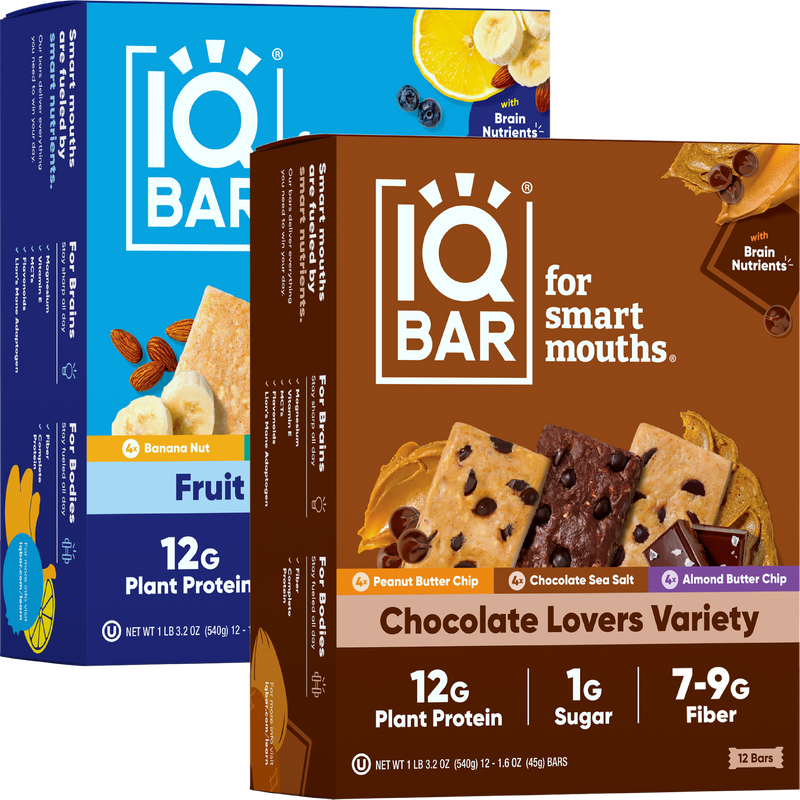 12g protein
Chocolate Lovers & Fruit Lovers (24 Bars)
Amazon returns policy · secure checkout
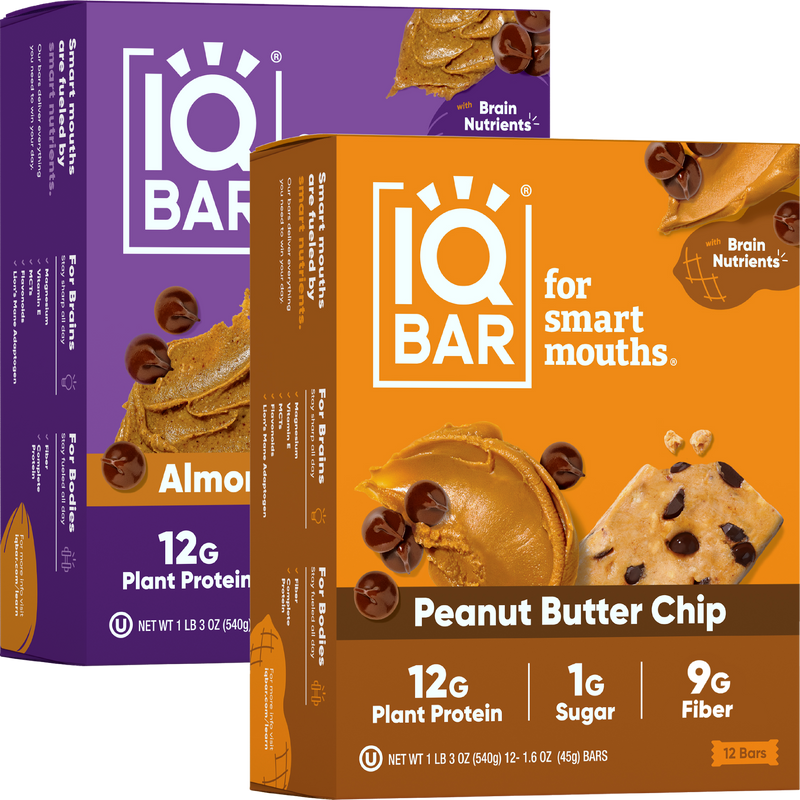 12g protein
Almond Butter Chip & Peanut Butter Chip (24 Bars)
Amazon returns policy · secure checkout
Power Crunch Original: Nutrition Facts by Flavor
All Power Crunch Original bars are a single bar serving at approximately 40g. Figures below are cross-verified from Power Crunch’s product pages and major retailer nutrition panels. Numbers marked (~) are close approximations from retailer databases; confirm the label on your specific bar and lot.
| Flavor | Calories | Protein | Fat | Carbs | Sugar | Sugar Alcohols |
|---|---|---|---|---|---|---|
| French Vanilla | 200 | 14g | 13g | 8g | 5g | 0g |
| Peanut Butter Crème | 200 | 14g | 13g | 8g | 5g | 0g |
| Peanut Butter Fudge | 200 | 13g | 13g | 9g | 5g | 0g |
| Triple Chocolate | ~205 | 13g | 13g | ~9g | ~5g | 0g |
| Cookies & Crème | 220 | 13g | 14g | 10g | ~6g | 0g |
| Red Velvet | 220 | 13g | 14g | 10g | ~6g | 0g |
| Salted Caramel | ~200 | ~13g | ~13g | ~9g | ~5g | 0g |
| Chocolate Fudge | ~205 | ~13g | ~13g | ~9g | ~5g | 0g |
Key patterns: French Vanilla and Peanut Butter Crème deliver the highest protein (14g) at the lowest calorie count (200), making them the most protein-efficient Original flavors at 7.0g of protein per 100 calories. All Original bars consistently deliver zero sugar alcohols — one of the only mass-market protein bar lines at this size and price tier to use real sugar exclusively. The 40g bar size is smaller than the 60g bars of Quest or Barebells, which explains the lower absolute protein count; on a per-gram-of-bar basis the protein density is comparable. All figures should be confirmed against the label for your specific lot and flavor.
Power Crunch PRO: Nutrition Facts
The PRO line steps up to 20g of protein per bar for buyers who need the higher protein floor. These bars are larger (~55g) and calorie-denser than the Original line but maintain the same zero-sugar-alcohol approach and Proto Whey hydrolysate protein base.
| Flavor | Calories | Protein | Fat | Carbs | Sugar | Sugar Alcohols |
|---|---|---|---|---|---|---|
| Peanut Butter Fudge | ~240 | 20g | ~14g | ~9g | ~4g | 0g |
| Chocolate Mint | ~240 | 20g | ~14g | ~9g | ~4g | 0g |
| French Vanilla | ~245 | 20g | ~14g | ~10g | ~4g | 0g |
PRO bar figures are approximations from retailer nutrition databases and Power Crunch product listings; confirm the label on your specific lot. The PRO bars put Power Crunch in direct competition with Quest, ONE Bar, and Barebells at the 20g protein tier, while keeping the wafer format and the zero-sugar-alcohol sweetener approach that distinguishes the Original line.
Proto Whey: What the Protein Blend Actually Means
Power Crunch bars use a branded protein blend called Proto Whey, which combines whey protein hydrolysate and whey protein concentrate. The distinction matters if you care about absorption speed or GI tolerance:
- Whey protein hydrolysate is whey protein that has been partially pre-digested (hydrolyzed) into shorter peptide chains. This speeds up absorption compared to concentrate or isolate because the digestive system has less work to do. Studies show hydrolyzed whey can raise blood amino acid levels faster than concentrate, which is why it appears in post-workout formulations where speed of amino acid delivery is a priority.
- Whey protein concentrate is standard whey, less processed than isolate, typically 70–80% protein by weight with small amounts of fat and lactose remaining. It provides the full whey amino acid spectrum including high leucine content for muscle protein synthesis.
The combination gives Power Crunch bars a fast-absorbing fraction (hydrolysate) layered on top of a sustained whey source (concentrate). Practically speaking, at 13–14g of protein per Original bar, the absolute dose is moderate — high enough to contribute meaningfully to daily protein intake but below the 20–25g threshold most research associates with maximal muscle protein synthesis per meal in most adults. For post-workout recovery, an Original bar works well as a bridge snack or paired with another protein source; the PRO line’s 20g per bar is a more complete standalone post-workout dose. For a full look at how protein quality affects recovery outcomes, see our whey vs plant-based protein bars recovery guide.
Zero Sugar Alcohols: Why It Matters
Most mainstream protein bars use sugar alcohols to achieve a “low sugar” label without using sucrose. The most widely used is maltitol, which appears in some Barebells, Grenade, and think! formulations. The problem: maltitol has a glycemic index of roughly 35–52 — meaningfully lower than table sugar (GI 65+) but high enough to raise blood glucose and provoke an insulin response, and it ferments in the large intestine causing bloating and cramping at doses as low as 10g in sensitive individuals. Erythritol (used by Quest, ONE Bar, and Atkins Strong) has a near-zero GI (~1) and is generally better tolerated, but it can still cause GI discomfort in erythritol-sensitive people at higher doses.
Power Crunch Original bars use zero sugar alcohols of any kind. Sweetness comes from a modest amount of real sugar (around 5g per bar) plus the natural sweetness of the wafer and cream filling. The bar does not carry a “0g sugar” label — it cannot, because it uses actual sugar — but for buyers who prioritize GI tolerance over a marketing label, this is a better trade-off than either maltitol or erythritol. The practical result: Power Crunch bars have fewer GI complaints in user reviews than maltitol-heavy bars, while the sugar dose (5g per bar) is low enough to fit into a moderate-carb approach and even some flexible ketogenic plans. For buyers managing blood glucose who want a full comparison of bar sweetener stacks, see our best protein bars for diabetics guide.
Power Crunch vs Quest, Barebells, Grenade, and RXBAR
Here is how Power Crunch Original (French Vanilla) compares against four commonly compared protein bars. All figures are per single bar as labeled.
| Bar (per bar) | Cal | Protein | Protein/100 cal | Sugar | Sugar Alcohols | Format |
|---|---|---|---|---|---|---|
| Power Crunch Original (FV, ~40g) | 200 | 14g | 7.0g | 5g | None | Crispy wafer |
| Quest Bar (avg, ~60g) | 190 | 21g | 11.1g | 1g | Erythritol | Chewy |
| Barebells (~55g) | 200 | 20g | 10.0g | 2g | Maltitol | Chewy enrobed |
| Grenade Carb Killa (~60g) | ~202 | 23g | ~11.4g | ~2g | Maltitol | Chewy enrobed |
| RXBAR (~52g) | 210 | 12g | 5.7g | 13g | None | Chewy whole-food |
Power Crunch vs Quest: Quest wins on every macronutrient metric — more protein (21g vs 14g), lower calories (190 vs 200), and higher protein efficiency (11.1g vs 7.0g per 100 cal). Quest uses erythritol, which has near-zero glycemic index, so it avoids the GI issues of maltitol — though some erythritol-sensitive buyers still experience bloating. For buyers who prioritize protein yield and tolerate erythritol, Quest is the stronger nutritional choice. Power Crunch’s primary advantage is its unique texture: the crispy wafer format is genuinely different from every chewy bar in the category, and for buyers with “bar fatigue” who want something that does not taste like a protein bar, it wins on format.
Power Crunch vs Barebells: Barebells delivers 20g of protein in a 200-calorie bar — outstanding efficiency at 10.0g per 100 cal vs Power Crunch’s 7.0g. However, Barebells uses maltitol syrup, which is the source of many negative GI reviews. For buyers sensitive to maltitol or who want zero sugar alcohols, Power Crunch is the cleaner choice despite the lower protein yield. For buyers who tolerate maltitol without issue, Barebells is a better protein-per-calorie value.
Power Crunch vs Grenade Carb Killa: Grenade tops this comparison at 23g of protein for ~202 calories — the highest protein efficiency of any bar in this list. Like Barebells, it uses maltitol. If protein yield is the primary metric, Grenade wins; if zero sugar alcohols is a requirement, Power Crunch wins.
Power Crunch vs RXBAR: RXBAR uses no sweeteners at all — dates provide the sweetness and 13g of real sugar. RXBAR is lower in protein (12g), higher in actual sugar (13g), and delivers a moderate glycemic response from the dates. Power Crunch Original sits between RXBAR and erythritol-sweetened bars: more protein than RXBAR, less than Quest or Barebells, and a sugar approach that is far lower in total sugar than RXBAR while still avoiding synthetic sweeteners and sugar alcohols. For post-workout protein needs, see our best post-workout protein snacks guide.
Power Crunch for Weight Loss and Daily Snacking
At 200 calories and 14g of protein, Power Crunch Original bars are calorie-controlled enough for most weight-loss goals as a snack. The protein-per-calorie ratio (7.0g per 100 cal) is lower than Quest (11.1g) or Grenade (11.4g), which matters if you are optimizing strictly for protein efficiency during a caloric deficit. That said, the wafer format’s crunch and mouthfeel can be more satisfying than a denser chewy bar for many people — and a snack you actually want to eat consistently is more useful than an “optimal” bar you skip. The zero-sugar-alcohol profile also means no surprise GI cramping on high-volume snacking days, which is a real quality-of-life advantage. For the highest protein-per-calorie options across the whole category, see our best high-protein snacks for weight loss guide.
Who Should (and Should Not) Buy Power Crunch Bars
Best fit:
- Buyers with GI sensitivity to sugar alcohols — maltitol, erythritol, and sorbitol cause bloating or cramping for many people; Power Crunch Original contains none of them, making it one of the only mainstream protein bars at this price tier to avoid sugar alcohols entirely
- Buyers who want a genuinely different texture — the crispy wafer format is unique in the protein bar category; it does not feel or eat like a standard protein bar, which is a meaningful advantage for people with bar fatigue
- Moderate protein goals (12–15g per snack) — for people who are not trying to hit 20g+ per snack, the Original bars are well-calibrated at 13–14g
- Buyers who want a lower-sugar alternative to dessert without any sweetener additives — at 5g of real sugar and no synthetic ingredients, Power Crunch reads closer to a light pastry than a medicinal protein bar
Consider an alternative if:
- You need 20g+ of protein per snack — the Original line tops out at 14g; choose the PRO line or consider Quest, ONE Bar, or Grenade for the 20g+ tier without formula compromise
- You want maximum protein efficiency per calorie — at 7.0g of protein per 100 calories, Power Crunch Original is among the lower-efficiency options in the mainstream protein bar market; Quest (11.1g) and Grenade (11.4g) are substantially better if protein-per-calorie is the primary filter
- You are strictly low-carb or keto — at 8–10g of carbs with 5–6g of real sugar and no fiber to offset, these bars do not achieve the net carb counts of Atkins Strong (2–3g) or Quest (4–5g); they can fit a moderate low-carb approach but are not as keto-friendly as bars built around erythritol and high fiber
- You need the highest-protein bar at a convenience store — Quest, ONE Bar, and Barebells have broader convenience store distribution; Power Crunch is widely available online and in specialty sports nutrition stores but less omnipresent in gas stations and airport shops
Frequently Asked Questions
How much protein is in a Power Crunch bar?
Power Crunch Original bars deliver 13–14g of protein per bar depending on flavor. French Vanilla and Peanut Butter Crème deliver 14g; most other Original flavors deliver 13g. The protein source is Proto Whey, a blend of whey protein hydrolysate and whey protein concentrate. Power Crunch PRO bars deliver 20g of protein per bar from the same hydrolysate-concentrate base.
Do Power Crunch bars have sugar alcohols?
No. Power Crunch Original bars contain zero sugar alcohols — no maltitol, no erythritol, no sorbitol, no xylitol. Sweetness comes from a small amount of real sugar (~5g per Original bar) rather than synthetic sweeteners or sugar alcohols. This makes Power Crunch one of the only mainstream protein bars at this size and price tier to avoid sugar alcohols entirely. The PRO line also uses zero sugar alcohols. Always confirm the ingredient list for newer or limited-edition Power Crunch formats, as formulations can change.
Are Power Crunch bars good for weight loss?
They can be an effective snack in a weight-loss diet, particularly for buyers who want a lower-calorie option (200 calories) that does not cause GI discomfort from sugar alcohols. The protein-per-calorie ratio (7.0g per 100 cal) is lower than top-tier options like Quest (11.1g per 100 cal), so for strict protein optimization during a caloric deficit, other bars are more efficient. That said, a 200-calorie, 13–14g-protein, zero-sugar-alcohol snack you actually want to eat every day is more useful for sustained weight loss than an “optimal” bar you skip. See our best high-protein snacks for weight loss guide for a full comparison across the category.
What is Proto Whey in Power Crunch bars?
Proto Whey is Power Crunch’s branded protein blend combining whey protein hydrolysate and whey protein concentrate. The hydrolysate fraction has been partially pre-digested into shorter peptide chains, which speeds up absorption compared to standard concentrate or isolate. The concentrate fraction provides the full whey amino acid profile including high leucine content for triggering muscle protein synthesis. Together the blend offers a fast-absorbing plus sustained protein profile. At 13–14g per Original bar, the absolute protein dose is moderate; for maximizing post-workout muscle protein synthesis, a PRO bar (20g) or pairing an Original bar with another protein source is more effective.
How do Power Crunch bars compare to Quest bars?
Quest delivers more protein (21g vs 14g Original / 20g PRO), fewer calories (190 vs 200–245), and a higher protein-per-calorie ratio (11.1g vs 7.0–8.2g per 100 cal). Quest uses erythritol plus sucralose for sweetening, which has near-zero glycemic impact and generally fewer GI side effects than maltitol — though some erythritol-sensitive buyers still experience bloating. Power Crunch uses real sugar (no erythritol, no sucralose) and zero sugar alcohols, which avoids the issue entirely. On texture, the comparison is clear: the Power Crunch wafer format is completely different from Quest’s chewy bar — neither is objectively better, but they serve different eating preferences. For buyers who prioritize protein yield, Quest wins. For buyers who want zero sugar alcohols and a crispy alternative to chewy bars, Power Crunch is the better fit.
Bottom line: Power Crunch protein bars occupy a specific niche that no other mainstream bar fills — a crispy wafer format with 13–14g of whey hydrolysate protein, zero sugar alcohols, and a genuinely dessert-like texture at 200 calories per bar. They are not the highest-protein or most protein-efficient bars in the category; Quest, Grenade, and Barebells all deliver more protein for similar or fewer calories. But they are one of the only bars to avoid sugar alcohols entirely, which is a meaningful differentiator for buyers who experience GI discomfort from maltitol or erythritol. The PRO line extends the same zero-sugar-alcohol approach to 20g of protein for buyers who need that tier. At roughly $2.00–$2.50 per bar, they are priced in line with the premium end of the mainstream protein bar market. For the full category overview, see our best protein bars of 2026 guide or browse the protein snacks directory.
Shop our top protein bar picks
Editor-selected high-protein options related to this guide. As an Amazon Associate we may earn from qualifying purchases.
28g protein12g proteinChocolate Lovers & Fruit Lovers (24 Bars)
Amazon returns policy · secure checkout
12g proteinAlmond Butter Chip & Peanut Butter Chip (24 Bars)
Amazon returns policy · secure checkout
Tags
High Protein Snacks Pro Editorial Team
Independently researched and editorially reviewed. We compare real nutrition labels and never accept payment for coverage.
Get the best new protein snacks in your inbox
Weekly picks and honest reviews — no spam, unsubscribe anytime.
More from the journal
Premier Protein Bar Nutrition Facts (2026): 30g Protein Per Bar, All Flavors Compared and Bar vs Shake
Premier Protein’s 30g Protein Bars deliver the same 30g of protein as their RTD shake—but at 340 calories versus the shake’s 160 calories, with 40g of total carbohydrates versus 5g. Verified 2026 nutrition facts for the full 30g bar lineup, a bar-vs-shake macro comparison, sweetener breakdown (sucralose, not stevia), and a side-by-side against DAVID, Quest, and Kirkland at the same protein tier.
Read more
Which Protein Bar Has the Most Fiber? 19 Bars Ranked, From No Cow's 15g to Built Bar's Under 1g (2026)
No Cow delivers more fiber than any protein bar we've verified — 15g in a single ~60g bar — while Quest and Kirkland Signature tie for second at 12g. But the real story is what fiber reveals about the 20g-protein cluster from our grams ranking: DAVID Gold, Pure Protein, and Built Bar all carry 17g to 28g of protein yet come in at roughly 1g of fiber or less. We ranked all 19 verified bars by grams of fiber, sourced entirely from each bar's own published nutrition facts on this site.
Read more
Which Protein Bar Has the Most Protein? All 20 Bars Ranked by Grams, Not Ratio (2026)
DAVID Gold has more protein than any bar we've verified — 28g in just 150 calories. But the real story is the cluster right behind it: 13 different mainstream bars all deliver exactly 20g of protein, and among them calories range from 170 to 280 and sugar ranges from 1g to 16g. We ranked all 20 verified bars by total grams of protein — not protein-per-calorie ratio — using the already-published label data from every bar review on this site.
Read more