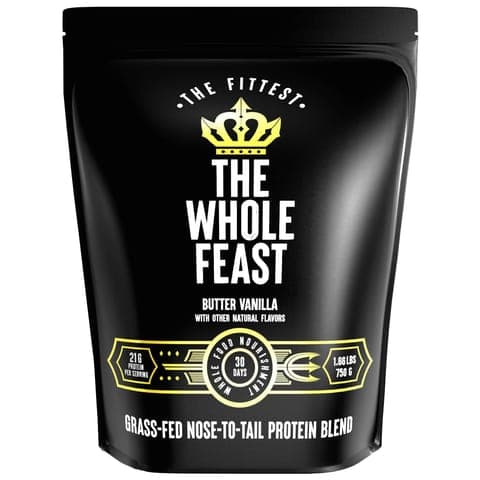
Best Protein Bars for Seniors Over 60 (2026): 6 Picks Ranked on Softness, Maltitol Load, and 15g+ Muscle-Building Protein
Seniors need more protein per meal than younger adults, but the leading bars are engineered for gym-goers first and older adults second. We scored the six most senior-friendly bars on real 2026 nutrition labels using four criteria older adults actually care about — protein per bar, chew-ability, sugar-alcohol load, and complete-protein quality. Kirkland Signature Brownie is the best-value pick (21g protein, 220 calories, 60g bar, Costco). Barebells is the softest coated bar. Built Bar is the easiest to chew. Fulfil adds nine vitamins seniors commonly under-consume. Plus the two categories to skip and why.

The short answer
Our top protein bar picks
Editor-selected and ready to buy. As an Amazon Associate we may earn from qualifying purchases.
 28g protein
 12g protein
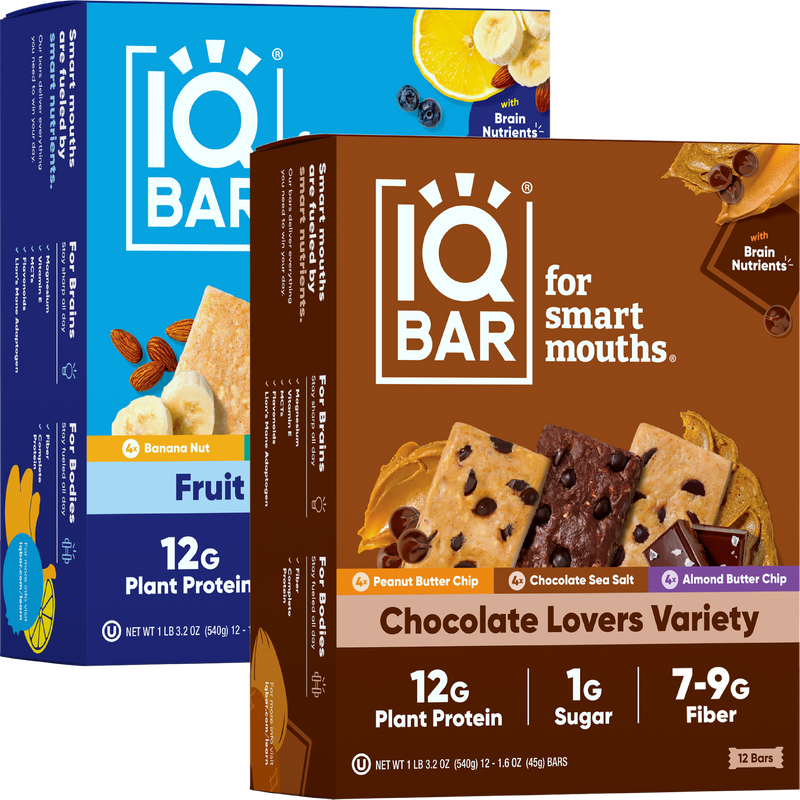
Chocolate Lovers & Fruit Lovers (24 Bars)
Amazon returns policy · secure checkout
 12g protein
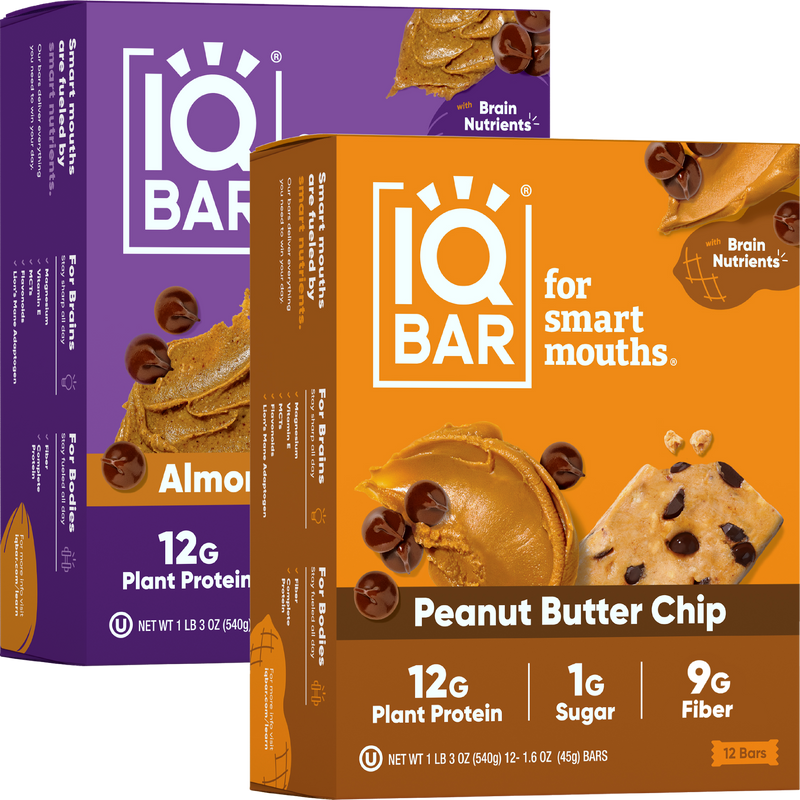
Almond Butter Chip & Peanut Butter Chip (24 Bars)
Amazon returns policy · secure checkout
Affiliate links — if you buy through them we earn a small commission at no extra cost to you. The facts and picks below are our own.
Why Protein Bars for Seniors Are a Different Problem
The mainstream protein-bar category is engineered for lifters and macro-trackers in their 20s and 30s. The formulation choices that make a bar “win” on that scoresheet — densely chewy nougat, 12+g of sugar-alcohol-derived fiber, or a collagen-heavy protein blend to hit a big front-of-bag number — are the same choices that make many bars a bad fit after 60. Four things change with age that a senior-focused shortlist has to solve for:
- The protein requirement goes up, not down. The PROT-AGE international expert consensus and later ESPEN guidelines both put daily protein for older adults at roughly 1.0–1.2 g per kg of body weight — noticeably above the 0.8 g/kg RDA used for younger adults — specifically to help preserve muscle mass and slow age-related muscle loss (sarcopenia). A senior at 150 lb (68 kg) is looking at 68–82g of protein per day, and getting there without protein-anchored snacks is genuinely hard.
- Each meal has to clear a higher “leucine threshold.” Research on muscle protein synthesis in older adults consistently shows the anabolic response is blunted at low protein doses. Practically, that means a senior benefits more from a bar delivering 20g of complete protein at one sitting than from splitting the same total across three 7g snacks.
- Dentition and chew-ability actually matter. A meaningful share of adults 65+ have missing teeth, dentures, or dry mouth (from medications), which turns a hard, sticky, or dense bar into a chore — and a chore doesn’t get eaten twice. Cakey, coated, or marshmallow-style bars stay in the rotation.
- Sugar alcohols hit an older gut harder. Maltitol and sorbitol are common in “0g sugar” bars, and both are FODMAPs known to cause bloating and a laxative effect at doses above roughly 10–20g per day. Older adults on multiple medications or with slower GI motility often feel this more, and a bar that quietly delivers 8g of maltitol per serving can undo a whole day’s meal plan.
The Four Criteria We Scored Each Bar On
- Complete protein per bar (target: 15g or more). We looked for at least 15g of protein per single bar, with the protein blend led by a complete source — milk protein isolate, whey isolate, whey concentrate, or a soy/pea blend — not collagen alone. Collagen is an incomplete protein (it lacks tryptophan and is low in leucine) and by itself does not effectively stimulate muscle protein synthesis; it can be part of a blend, but not the star.
- Texture (soft, coated, or cakey preferred). Bars with a marshmallow, cakey, or chocolate-coated soft interior are gentler on dental work than dense, chewy, oat-and-date bars or crunchy nut-cluster bars.
- Sugar-alcohol load (lower is better). We penalized bars that reach a “0g sugar” label with 8g+ of maltitol or sorbitol.
- Cost per gram of protein. Bars only work if you eat them consistently. A $3.50 boutique bar is fine as an occasional pick; a $1.20 Costco or Sam’s Club bar is what actually gets restocked.
Best Protein Bars for Seniors: Comparison Table
All numbers below are from each brand’s own published 2026 nutrition facts panels, cross-checked against the brand’s own product listings. Bars are ordered by our overall senior-fit score, not by protein alone. “Sugar alcohols” is the amount of maltitol, sorbitol, erythritol, or allulose per bar (not counted in total sugar on US labels).
| Bar | Bar size | Calories | Protein | Total Sugar | Sugar Alcohols | Fiber | Texture |
|---|---|---|---|---|---|---|---|
| Kirkland Signature Protein Bar Brownie | 60g | 220 | 21g | 5g | ~2g | 7g | Chewy coated |
| Barebells Cookies & Cream | 55g | 200 | 20g | 1g | ~8g | 3g | Soft chocolate-coated |
| Built Bar Salted Toffee | 40g | 140 | 17g | 6g | 0g | ~0g | Marshmallow-soft, coated |
| ONE Protein Bar Peanut Butter Pie | 60g | 220 | 20g | 1g | ~8g | 10g | Cakey coated |
| Fulfil Chocolate Hazelnut Vitamin & Protein Bar | 40g | 160 | 15g | 7g | ~2g | ~0g | Soft, milk-chocolate coated |
| Pure Protein Chocolate Peanut Butter | 50g | 200 | 20g | 6g | ~2g | 1g | Chewy coated |
Sugar-alcohol values are estimated from each brand’s ingredient list; US labels do not always print the exact gram count of maltitol/erythritol/allulose. If GI tolerance is your top priority, the two bars with the lowest sugar-alcohol content on this list are Kirkland Brownie (roughly 2g) and Built Bar (uses real sugar with no maltitol/sorbitol, and the fiber count is low so there is no soluble-corn-fiber load either).
Kirkland Signature Protein Bar Brownie — Best Value Pick
Kirkland Signature’s brownie bar is the value winner and the one we would restock without hesitation. Per 60g bar: 220 calories, 21g of protein, 5g of total sugar, 7g of fiber, and a moderate sugar-alcohol load. Protein comes from a milk protein isolate and whey protein isolate blend — both complete, high-leucine sources — with a small amount of collagen in the blend. The texture is a soft chewy nougat with a milk-chocolate coating — not marshmallow-soft, but well within what most dentures and dental work handle comfortably, and easier to chew than a dense oat-and-nut bar. The 5g of real sugar is meaningfully lower than most grocery-aisle bars while avoiding the 8g+ maltitol dose of the “true zero” bars. Costco pricing typically works out well under $1.50 per bar in the 20-count box — the lowest cost-per-gram-of-protein of any bar on this list. If you have a Costco membership and want one bar to keep permanently in the rotation, this is it. See our full Kirkland Signature Protein Bar nutrition guide for the complete label breakdown.
Barebells Cookies & Cream — Best Texture (Low-Sugar Category)
Barebells is a Swedish import that has quietly become the “candy-bar-that-happens-to-be-protein” standard, and for older adults the appeal is texture. Per 55g bar: 200 calories, 20g of protein, 1g of total sugar, 3g of fiber. The protein comes from a milk-protein-isolate-led blend — complete protein, high leucine. The bar is a soft, aerated nougat under a thin milk-chocolate coating; it’s about as close to a Snickers-style bite as a low-sugar bar gets, which is exactly why it’s easy to eat on repeat. The trade-off: to hold the 1g sugar count, Barebells uses roughly 8g of maltitol per bar. That amount is fine for most people, but if you already have GI sensitivity or you’re prone to bloating, it’s the number to keep an eye on. Price sits in the $2–$3 range per bar depending on retailer. See the full Barebells nutrition breakdown or the Quest vs Barebells head-to-head.
Built Bar Salted Toffee — Easiest to Chew
Built Bar is the softest bar in this category, full stop. Per 40g bar: 140 calories, 17g of protein, 6g of real sugar, minimal sugar alcohols. The interior is an actual marshmallow-style whipped center coated in a thin dark-chocolate shell — if dentures, dental work, or dry mouth make a chewy nougat feel like too much work, this is the bar to try first. The protein blend is whey isolate plus collagen; whey isolate is a complete protein and stays first on the ingredient panel, but the collagen inclusion is why we treat the 17g figure as roughly 12–15g of “muscle-usable” complete protein rather than a full 17g. The 40g bar is also physically smaller than the 55–60g competition, which suits smaller appetites that come with age — a common complaint at 70+ is that a full 60g bar is simply too much to finish in one sitting. Available at built.com, Amazon, Costco, and many grocery chains.
ONE Protein Bar Peanut Butter Pie — Cakey Option With High Fiber
ONE Bar delivers a cakey, coated bar that eats more like a soft brownie than a dense energy bar. Per 60g bar: 220 calories, 20g of protein, 1g of total sugar, and roughly 10g of fiber (much of it from soluble corn fiber and other bulk fibers). Protein comes from a milk protein isolate and whey protein blend — both complete. The catch: to reach 1g of sugar, ONE uses roughly 8g of maltitol per bar, and the 10g of “fiber” is heavily soluble corn fiber — both of which are FODMAPs that can cause bloating or loose stools in older adults with sensitive digestion. If your GI tract handles maltitol and soluble corn fiber without issue, ONE’s cakey texture is genuinely a joy to eat; if you notice bloating after any of the “fake sugar, high fiber” bars, this is one to skip. See our full chewy-vs-coated bar comparison for how that texture spectrum plays out.
Fulfil Chocolate Hazelnut Vitamin & Protein Bar — Best If Vitamins Matter
Fulfil is the only bar on the shortlist formulated with an added vitamin panel — the brand’s standard formula includes nine vitamins (A, D, E, B1, B2, B3, B5, B6, B12), which addresses several nutrients seniors are commonly under-consuming, particularly vitamin D and vitamin B12. Per 40g bar: 160 calories, 15g of protein, 7g of total sugar. That’s the lowest protein figure on this list, but the smaller bar and the softer chocolate-coated texture make it a reasonable everyday snack rather than a heavy meal replacement, and 15g of complete protein is still enough to clear the leucine threshold that matters for older adults. Not a substitute for a real multivitamin or a prescribed D3 supplement, but a legitimate add-on if you struggle to hit those vitamin targets from food. Widely stocked at Amazon, Target, and Walmart.
Pure Protein Chocolate Peanut Butter — Cheapest Grocery-Aisle Option
Pure Protein is the budget grocery-store choice and the one to reach for if a Costco membership isn’t in the mix. Per 50g bar: 200 calories, 20g of protein, 6g of total sugar, 1g of fiber, and a modest sugar-alcohol load. Protein comes from a whey/milk-protein isolate blend with some collagen — the same architecture as Kirkland and Barebells but at a lower price per bar. Texture is a denser, chewier nougat than Barebells or Built — workable for most dentures but requires more chewing, so give it a test bar before buying a full box. Widely stocked at grocery chains and Amazon at $1.30–$2 per bar.
Sodium: A Hidden Variable for Seniors
Most protein bar comparisons lead with protein, sugar, and fiber — but sodium is a variable that matters more after 60, particularly for older adults managing blood pressure or taking diuretics. Most bars in the mainstream category run 140–300mg of sodium per bar. That is a meaningful range: an adult consuming two bars per day can be adding 280–600mg of sodium from bars alone, before any meals. The 2020–2025 Dietary Guidelines for Americans and most cardiologists target under 2,300mg of sodium per day for healthy adults, with tighter limits for adults with hypertension. Kirkland Signature Brownie and Built Bar are two of the lower-sodium options available in the mainstream bar market, making them cleaner defaults for anyone on a sodium-restricted plan. Bars on the higher end of the 200–300mg range — still moderate by packaged food standards — are fine for most seniors but worth adding to a daily sodium tally. If sodium is a hard constraint, log each bar like a processed snack and budget it against the rest of the day’s meals. Every bar on the shortlist above prints its sodium on the Nutrition Facts panel — check it before you buy.
Bars to Approach With More Caution
Quest Bars (12g of “fiber” is doing a lot of work)
Quest is a category leader on protein-per-calorie (21g protein, 200 calories, 1g sugar per bar), but its 12g of fiber is largely soluble corn fiber — which behaves as a FODMAP in the gut and can cause bloating, gas, or loose stools in older adults with sensitive digestion. Quest’s texture is also on the dense/chewy end of the spectrum, which can be difficult with dentures. Not off-limits — many seniors tolerate Quest fine — but not the first bar to hand a 75-year-old with a sensitive gut. See our Quest protein nutrition guide for the full breakdown.
RXBAR and other date-based whole-food bars
RXBAR’s ingredient list is genuinely clean (egg whites, dates, almonds, cashews), but the texture is sticky-chewy in a way that clings to dentures and dental work, and the protein figure is only 12g per bar — below the 15g floor we set. If you like the whole-food idea, treat RXBAR as an occasional snack rather than a daily muscle-preservation vehicle.
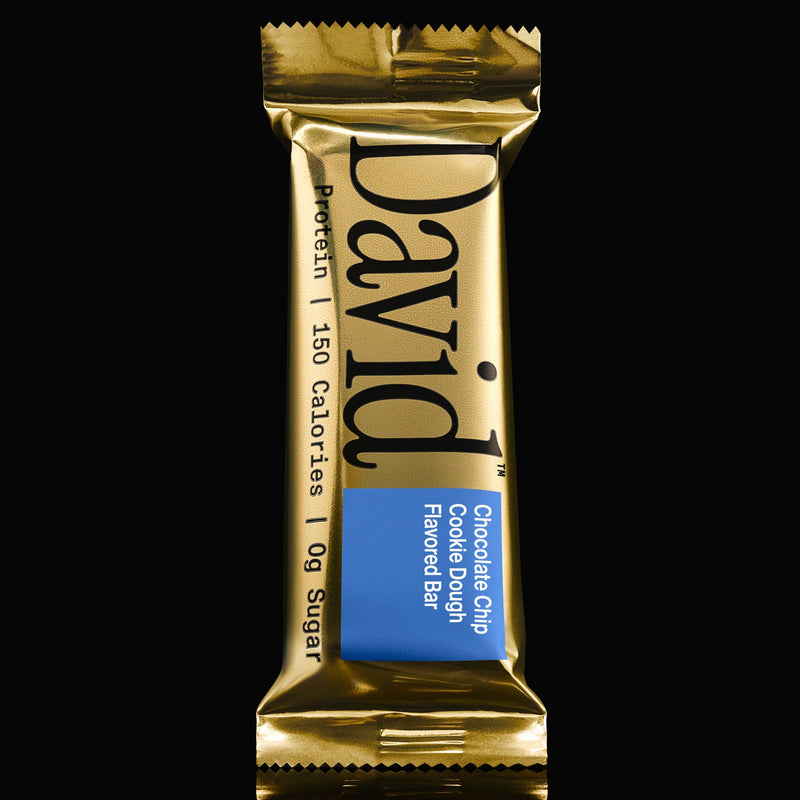
DAVID Protein Bar (28g protein via a novel fat and sugar-alcohol stack)
DAVID Gold posts the highest protein-to-calorie ratio in the mainstream bar market (28g protein, 150 calories, 0g sugar), but it hits that math using EPG (a novel synthetic modified fat with limited long-term human safety data) plus ~8g of maltitol and multiple artificial sweeteners. That formulation stack is a lot of experimental machinery for an older adult who just needs reliable protein, and the sugar-alcohol dose is on the higher end. For younger athletes chasing macros it’s a real option; as a daily bar for a 70-year-old, our shortlist bars are the safer defaults. See the full DAVID vs Built Bar head-to-head.
What to Look for on the Label (30-Second Version)
- Protein line: aim for 15g or more per bar, and check that the first protein source on the ingredient list is a complete one (milk protein isolate, whey isolate, whey concentrate, soy protein isolate, pea protein isolate) — not collagen or hydrolyzed collagen.
- Sugar alcohols: look for “maltitol,” “sorbitol,” or “isomalt” on the ingredient list. If they’re near the top of the ingredient list on a “0g sugar” bar, expect roughly 5–10g per bar and dose accordingly.
- Fiber source: “soluble corn fiber” or “isomalto-oligosaccharide (IMO)” in a bar with 10g+ of fiber is the fingerprint of a FODMAP-heavy load; some older adults tolerate it fine, others don’t.
- Bar size: for smaller appetites, a 40g bar (Built, Fulfil) may work better than a 60g bar (Kirkland, ONE). Two smaller bars split across a day beat one big bar that goes half-uneaten.
Where to Buy
Kirkland Signature Brownie is Costco-exclusive but also resold on Amazon. Barebells, Built Bar, ONE Bar, Fulfil, and Pure Protein are all widely available on Amazon, Target, Walmart, and most grocery chains.
Affiliate links — it costs you nothing extra and supports our independent guides.
Frequently Asked Questions
How much protein does an older adult actually need per day?
The PROT-AGE and ESPEN expert consensus guidelines both put daily protein for healthy older adults at roughly 1.0–1.2 g per kilogram of body weight — higher than the 0.8 g/kg RDA used for younger adults — and higher still (up to 1.5 g/kg) for older adults recovering from illness or dealing with malnutrition. A 150-lb (68 kg) senior is targeting roughly 68–82g of protein per day at the low end, and one 20g bar can be a meaningful anchor for that math.
Are protein bars safe for seniors with kidney concerns?
Talk to your doctor before adding a daily protein bar if you have chronic kidney disease. The blanket “seniors should eat less protein for kidney health” advice is outdated for adults with normal kidney function, but for anyone with diagnosed CKD, protein intake should be dosed with their nephrologist. This article is nutrition education, not medical advice.
What’s the softest protein bar for someone with dentures?
Built Bar is the softest bar on the mainstream market — a marshmallow-style whipped interior under a thin chocolate coating. Barebells is second softest with a coated nougat texture. Both are easier on dentures and dental work than dense, chewy oat-and-date bars like RXBAR or nut-heavy bars like KIND.
Do collagen protein bars help preserve muscle?
Collagen on its own is an incomplete protein — it lacks tryptophan and is low in leucine, the amino acid most directly tied to stimulating muscle protein synthesis. Bars that use collagen as one component of a blend led by whey or milk protein isolate still work for muscle preservation; bars where collagen is the primary or sole protein source are a weaker choice for that specific goal. Check the ingredient panel: whichever protein is listed first is present in the greatest quantity by weight.
Why do “0g sugar” protein bars sometimes cause bloating?
Because the sweetness has to come from somewhere — usually maltitol, sorbitol, or isomalt, all sugar alcohols that ferment in the large intestine and can cause gas, bloating, or a laxative effect at doses above roughly 10–20g per day. Some individuals tolerate them fine; others notice discomfort at even a few grams. Older adults on multiple medications or with slower GI motility often feel the effect more acutely than younger adults.
When during the day should a senior eat a protein bar?
The most useful placement is between meals or as a mid-afternoon snack — a time when protein intake tends to fall off and appetite is often the smallest. Splitting protein across four evenly-sized doses of 20–30g each has been shown to stimulate muscle protein synthesis more effectively in older adults than loading most protein into one large dinner. A single bar at 3–4 pm plus a real protein-anchored breakfast, lunch, and dinner is a very workable rhythm.
Bottom line: after 60, the right protein bar is the one you can actually chew, actually digest, and actually afford to keep in the rotation. Kirkland Signature Brownie wins on value and everyday reliability (21g protein, moderate sugar, low sugar-alcohol load, Costco price). Barebells wins on candy-bar texture in the low-sugar category. Built Bar wins on softness for dentures and smaller appetites. Fulfil wins if you also want a vitamin bump. Skip the ultra-high-fiber, ultra-high-maltitol formulations if your gut is at all sensitive, and treat any collagen-forward bar as an occasional treat rather than a muscle-preservation tool. Compare the full field in our best protein bars of 2026 guide, get whole-food ideas in our high-protein snacks for seniors guide, or browse the protein snacks directory for more options. For a live ranking pulled straight from our product database — re-sorted as labels and availability change — see the protein bars for seniors ranking.
Shop our top protein bar picks
Editor-selected high-protein options related to this guide. As an Amazon Associate we may earn from qualifying purchases.
28g protein12g proteinChocolate Lovers & Fruit Lovers (24 Bars)
Amazon returns policy · secure checkout
12g proteinAlmond Butter Chip & Peanut Butter Chip (24 Bars)
Amazon returns policy · secure checkout
Tags
High Protein Snacks Pro Editorial Team
Independently researched and editorially reviewed. We compare real nutrition labels and never accept payment for coverage.
Get the best new protein snacks in your inbox
Weekly picks and honest reviews — no spam, unsubscribe anytime.
More from the journal
Protein Bars Without Seed Oils (2026): 5 Picks Verified From the Ingredient List
We read the published ingredient statement for eleven best-selling protein bars. Atlas Real Food Salted Peanut Butter wins with 20g of protein in 220 calories and no oil on its label at all; Quest Chocolate Chip Cookie Dough quietly passes too at 21g in 200 calories. Barebells and think! both list sunflower oil, and DAVID’s “modified plant fat” turns out to be built from canola oil.
Read more
Best Nut-Free Protein Bars (2026): 5 Picks Ranked by Protein and Allergen Statement
The best nut-free protein bars in 2026, ranked by how strong each brand's nut-free guarantee actually is: Alio Choco Mint (15g protein, 170 calories, peanuts and tree nuts not processed in its facility), No Nuts! (12g, 190 calories, 'Made in a 100% NUT-FREE Facility' printed on the box) and 88 Acres (12g, dedicated bakery free of seven allergens). Every bar with a real nut-free facility behind it tops out at 15g of protein — here is why, and what to do instead.
Read more
Fulfil Vitamin Protein Bar Review (2026): 20g Protein and 9 Vitamins Per Bar — Nutrition Facts and Honest Comparison
Fulfil Vitamin Protein Bar delivers 20g of protein and 9 vitamins (B1, B2, B3, B6, B12, C, D, folate, biotin) in a 40g bar at approximately 190–200 calories. Sweetened with maltitol and sucralose. Full 2026 nutrition facts for every flavor, a direct comparison with Quest, ONE Bar, and Barebells, and an honest look at who this vitamin-fortified bar is actually built for.
Read more