High Protein Snacks for Seniors: Easy Options to Prevent Muscle Loss
Aging raises protein needs while appetite shrinks — anabolic resistance means 25-30g per meal plus protein snacks, with the bedtime casein serving backed by real research.
Our top high-protein picks
Editor-selected and ready to buy. As an Amazon Associate we may earn from qualifying purchases.
 12g protein
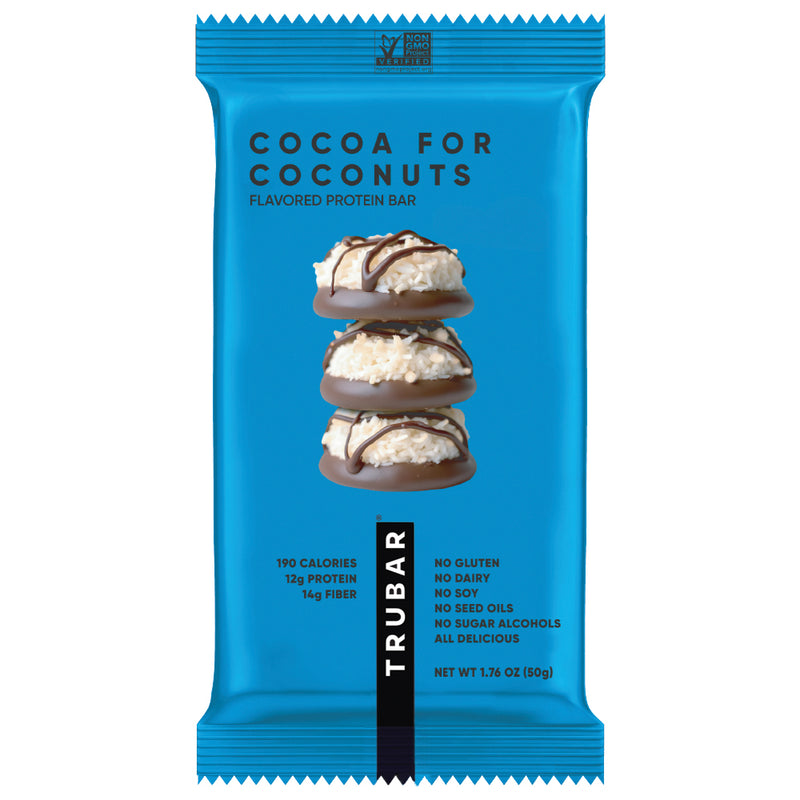
Cocoa for Coconuts TRUBAR Nutrition and Protein Bar
Amazon returns policy · secure checkout
 12g protein
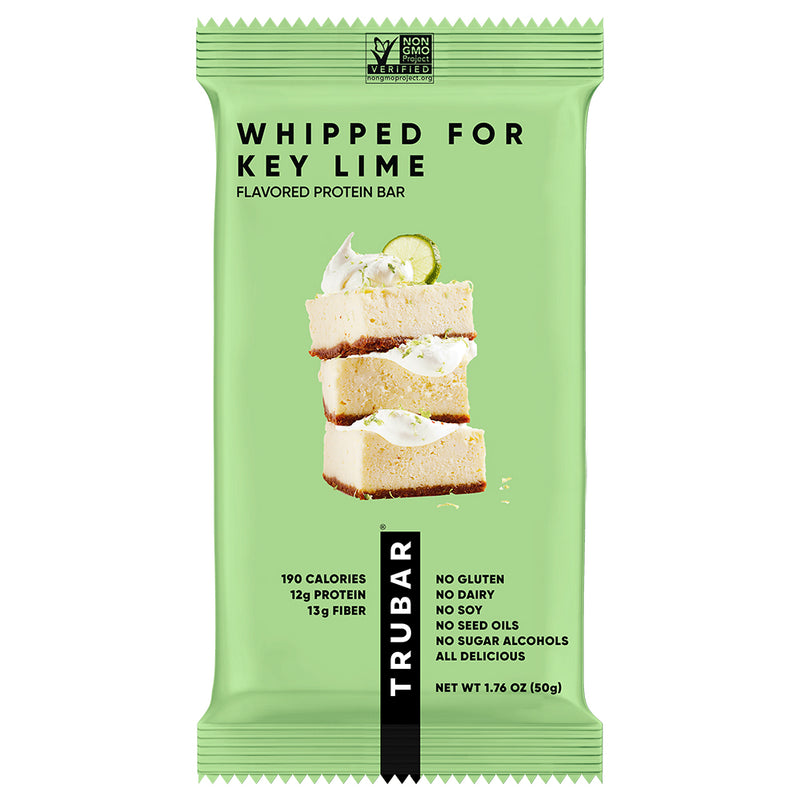
Whipped For Key Lime TRUBAR Nutrition and Protein Bar
Amazon returns policy · secure checkout
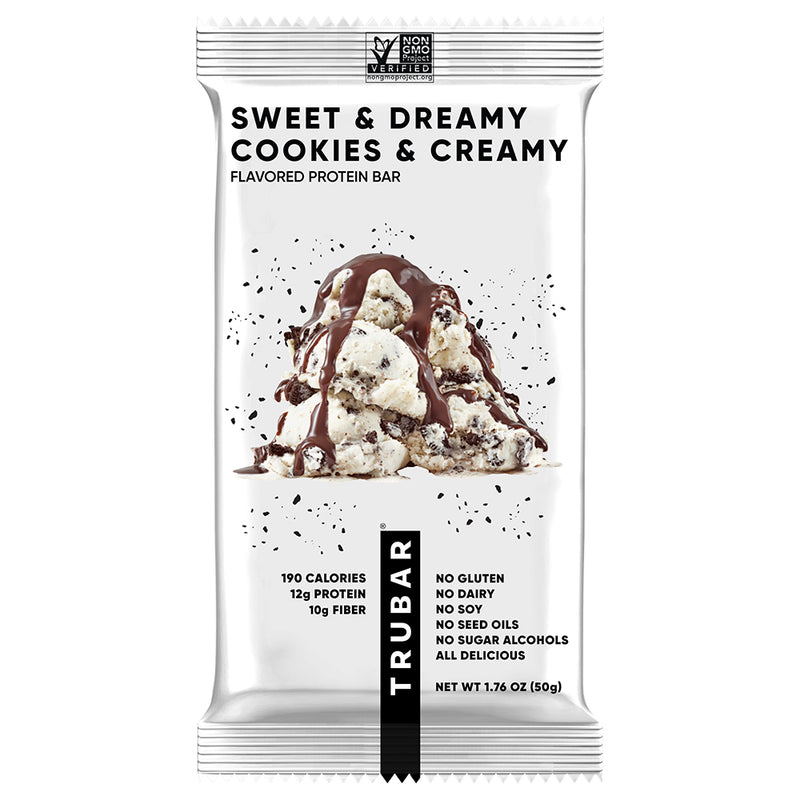 12g protein
Sweet & Dreamy, Cookies & Creamy
Amazon returns policy · secure checkout
How much protein do seniors need each day?
The rule: 25–30g of quality protein at each meal plus 10–20g protein-forward snacks between them — roughly 1.0–1.2g per kilogram of body weight daily for healthy older adults, per the PROT-AGE expert recommendations. The anchor snack: low-fat cottage cheese, about 14g of protein per half cup, soft for dental concerns, with slow casein that works overnight — a three-quarter-cup serving before bed delivers about 21g. The rest of the shortlist: a plain tuna pouch (22g), a nonfat Greek yogurt cup (~15g), milk, string cheese, and hard-boiled eggs.
Older adults need more protein per eating occasion than younger people, not less — the muscle of someone over 65 responds less briskly to any given protein dose, a phenomenon called anabolic resistance, and the practical fix is 25–30g of quality protein at each meal plus protein-forward snacks between them. That is the opposite of how appetite moves with age: hunger shrinks exactly as protein needs rise, which is precisely why snacks stop being optional and become the mechanism. Cottage cheese with fruit is the anchor pick — about 14g of protein per half cup by USDA figures, soft for dental concerns, and its slow casein protein works overnight. See more in the protein snacks directory.
How Much Protein an Older Adult Actually Needs
The textbook RDA of 0.8g per kilogram of body weight was set to prevent deficiency, not to protect muscle in later life, and expert reviews for older adults (the international PROT-AGE recommendations are the standard reference) land at roughly 1.0–1.2g per kilogram per day for healthy seniors — more again during illness or recovery. For a 150-pound adult that is about 68–82g daily; for 180 pounds, 82–98g. The catch is distribution: because of anabolic resistance, a day's protein packed into one large dinner works poorly. Spreading it — 25–30g at meals, 10–20g in snacks — is what the evidence supports for keeping muscle.
The Snack Shortlist for Older Adults
| Snack | Protein | Calories | Why it suits seniors |
|---|---|---|---|
| Cottage cheese, low-fat (half cup) | ~14g | ~82 | Soft texture; slow casein |
| Tuna pouch (plain) | 22g | 80 | No cooking, no chewing difficulty |
| Nonfat Greek yogurt cup | ~15g | ~90 | Soft; lactose-friendly |
| Hard-boiled egg | 6g | 72 | Cheap; easy to chew |
| Milk, low-fat (one cup) | 8g | ~100 | Hydration plus protein |
| String cheese | 7g | 72 | Portion-controlled, mild |
USDA figures plus our catalog's verified tuna label. Guides with more detail: cottage cheese, eggs, cheese, tuna pouches.
The Bedtime Casein Trick
The most useful research finding for senior snacking: about 40g of casein protein before sleep measurably increases overnight muscle protein synthesis in older adults — controlled trials showed the sleeping body puts a pre-bed protein dose to work repairing muscle. Cottage cheese is the food version of casein (its protein is roughly 80% casein), and a three-quarter-cup serving before bed delivers about 21g in a soft, inexpensive form. A cup of milk or a slow-digesting shake works in the same direction. For adults who eat dinner at six and breakfast at seven, that overnight stretch is thirteen hours of fasting — the pre-bed snack is the one that shrinks it.
The Constraints That Come With Age
Appetite loss is the real opponent. When full meals shrink, two or three protein-forward snacks carry the day's total — this is the core reason the snack question matters more at 75 than at 35. Chewing and swallowing. Yogurt, cottage cheese, tuna, eggs, and soft cheeses keep the entire shortlist manageable with dental concerns. Budget. Eggs, cottage cheese, and milk remain the cheapest quality protein that exists; a scoop of whey in milk costs less per gram than any fortified product aimed at seniors. Kidney disease changes the math. The higher-protein guidance here applies to otherwise healthy adults — with chronic kidney disease, protein targets are a clinician's call, not a snack guide's.
Frequently Asked Questions
How much protein should a senior eat per day?
Roughly 1.0–1.2g per kilogram of body weight for healthy older adults — about 68–82g for a 150-pound person — per the PROT-AGE expert recommendations, with more during illness or recovery. Spread it across the day rather than concentrating it at dinner; anabolic resistance makes distribution matter.
Is cottage cheese before bed actually backed by research?
Yes — controlled trials in older adults showed roughly 40g of casein before sleep raises overnight muscle protein synthesis, and cottage cheese is the whole-food casein source (about 14g per half cup). It is one of the few snack-timing claims with direct evidence behind it.
Are protein shakes safe for seniors?
For otherwise healthy older adults, yes — whey mixed into milk is an inexpensive way to add 20–28g when appetite is low. The exception is chronic kidney disease, where protein limits run the other way and belong to a clinician. Our protein powders guide compares options.
What if appetite itself is gone?
Shrink the occasions, not the protein: five or six small protein-forward moments — milk with a meal, cottage cheese mid-morning, a yogurt in the afternoon, the bedtime serving — routinely outperform attempts to make three diminished meals carry the load.
Bottom line: age raises protein needs while shrinking appetite, and snacks are the bridge — anchor on cottage cheese, yogurt, tuna, eggs, and milk, aim for 25–30g at meals plus 10–20g per snack, and consider the bedtime casein serving the highest-value one of the day. Compare options in the protein snacks directory.
Shop our top high-protein picks
Editor-selected high-protein options related to this guide. As an Amazon Associate we may earn from qualifying purchases.
12g proteinCocoa for Coconuts TRUBAR Nutrition and Protein Bar
Amazon returns policy · secure checkout
12g proteinWhipped For Key Lime TRUBAR Nutrition and Protein Bar
Amazon returns policy · secure checkout
12g proteinSweet & Dreamy, Cookies & Creamy
Amazon returns policy · secure checkout
Tags
High Protein Snacks Pro Editorial Team
Independently researched and editorially reviewed. We compare real nutrition labels and never accept payment for coverage.
Get the best new protein snacks in your inbox
Weekly picks and honest reviews — no spam, unsubscribe anytime.
More from the journal
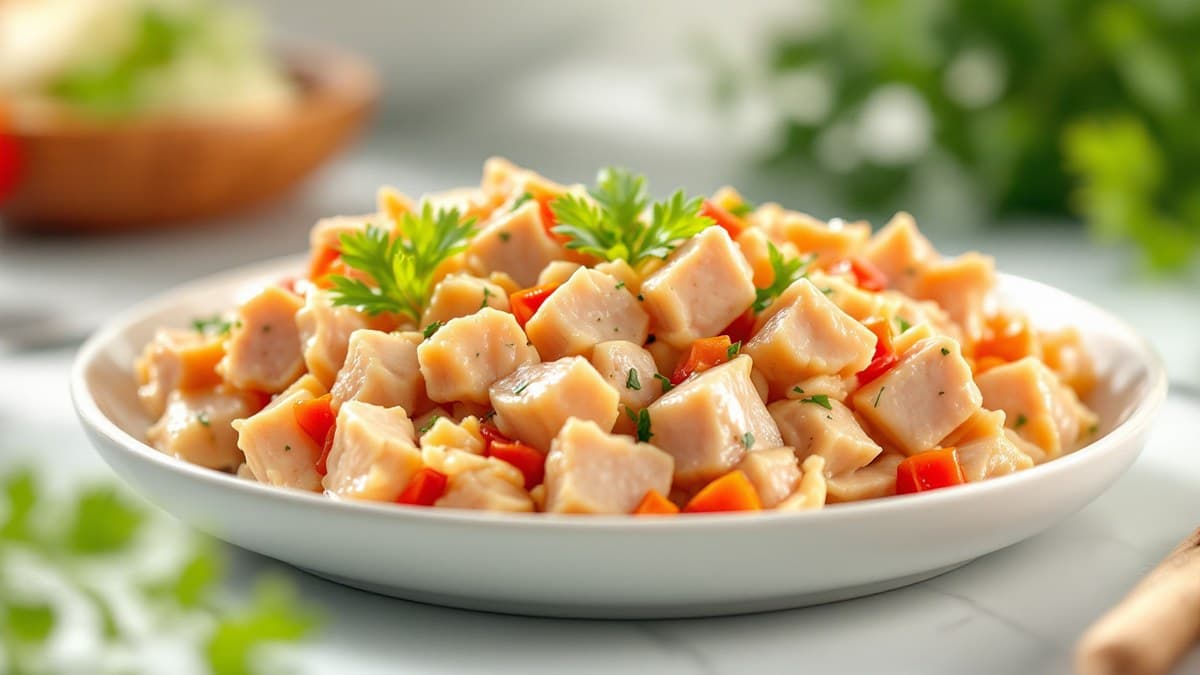
StarKist Tuna Creations Nutrition Facts (2026): 17g Protein Per Pouch, All Flavors Compared
One 2.6oz StarKist Tuna Creations pouch delivers 17g of protein at 80–90 calories with 0–1g of fat. Verified 2026 nutrition facts for every flavor, a direct comparison with Bumble Bee and Chicken of the Sea pouches, and a practical guide to the highest-protein flavors in the lineup.
Read more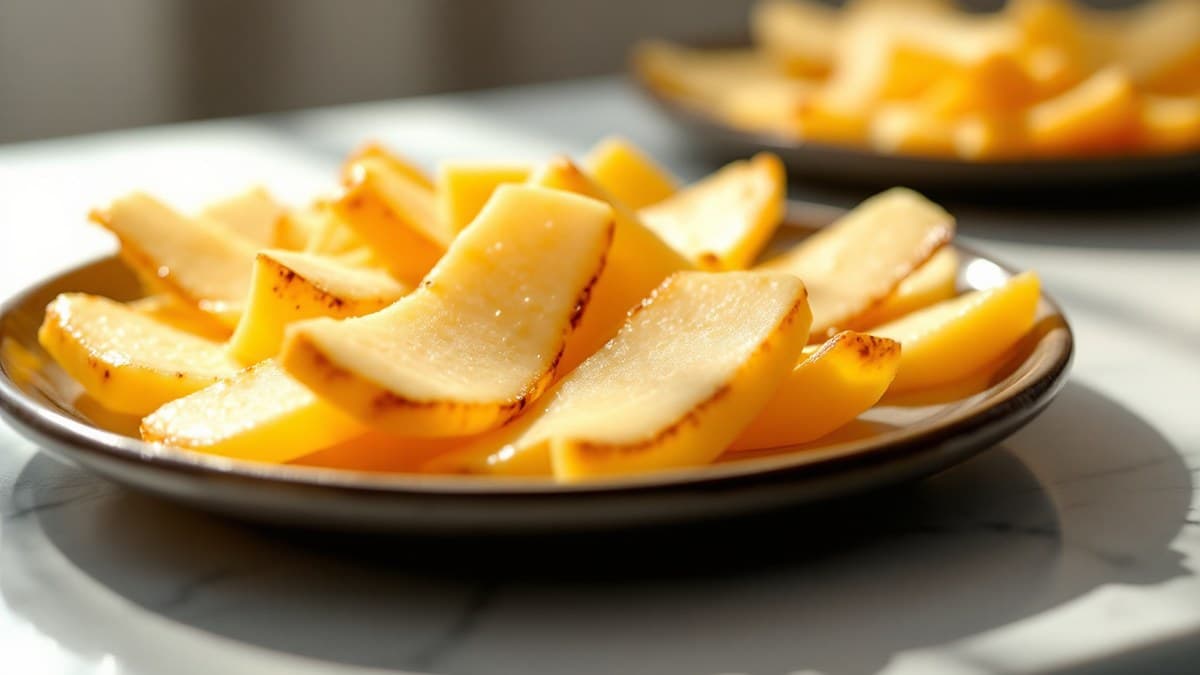
String Cheese Protein: How Much Is in Each Stick? 4 Brands Compared (2026)
A standard string cheese stick (28g) delivers 6–7g of protein at 80–90 calories — roughly 8–9g of protein per 100 calories, which beats most crackers and granola bars. We pulled Nutrition Facts from four major brands (Sargento, Polly-O/BelGioioso, Frigo CheeseHeads, Organic Valley) and ranked them by protein density, sodium, fat, and cost.
Read more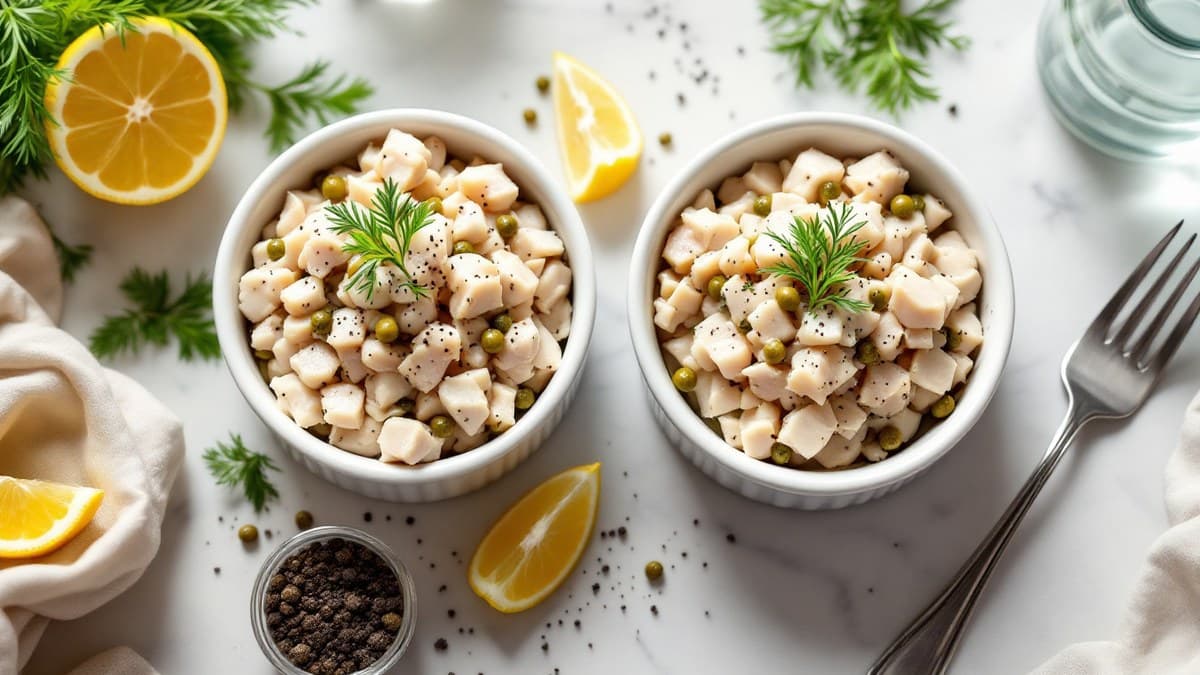
Best Canned Tuna for Protein 2026: Chunk Light vs Albacore, Ranked
Chunk light tuna delivers 22g of protein at 100 calories per 3 oz serving -- more protein per calorie than any mainstream protein bar. A 2.6 oz no-drain pouch is one of the most convenient shelf-stable protein snacks available. StarKist, Wild Planet, Safe Catch, and Bumble Bee compared on protein, value, and mercury.
Read more