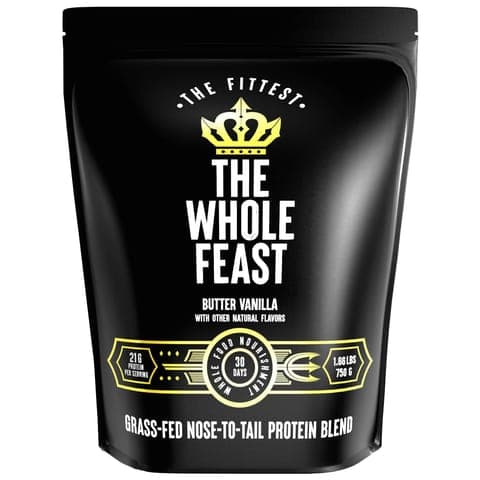
Best High-Protein Snacks for Diabetics (2026): 10 Picks Ranked by Protein, Net Carbs, and Blood-Sugar Impact
The best high-protein snacks for diabetics in 2026 are hard-boiled eggs (6g protein, 0g net carbs) and string cheese (7g protein, 0g net carbs) for pure blood-sugar safety, and Oikos Pro Greek yogurt (20g protein, ~5g net carbs) or Quest Protein Bar (21g protein, ~4g net carbs with fiber) for maximum protein. We verified nutrition data across 10 picks — ranking each on protein count, net carbs, and added sugar so you can match the snack to your carb budget without doing the math.

Our top high-protein picks
Editor-selected and ready to buy. As an Amazon Associate we may earn from qualifying purchases.
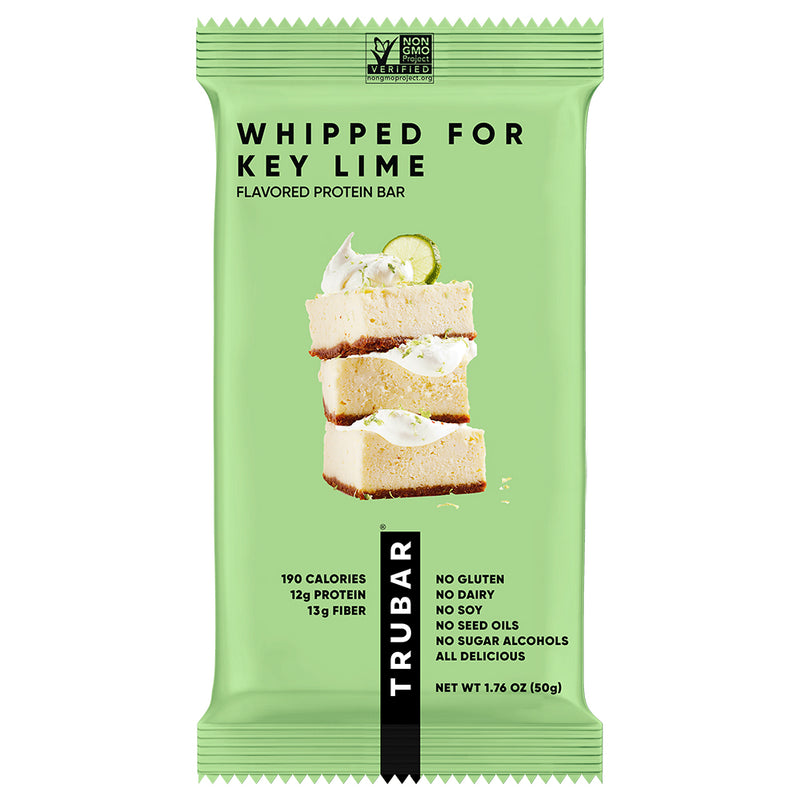 12g protein
Whipped For Key Lime TRUBAR Nutrition and Protein Bar
Amazon returns policy · secure checkout
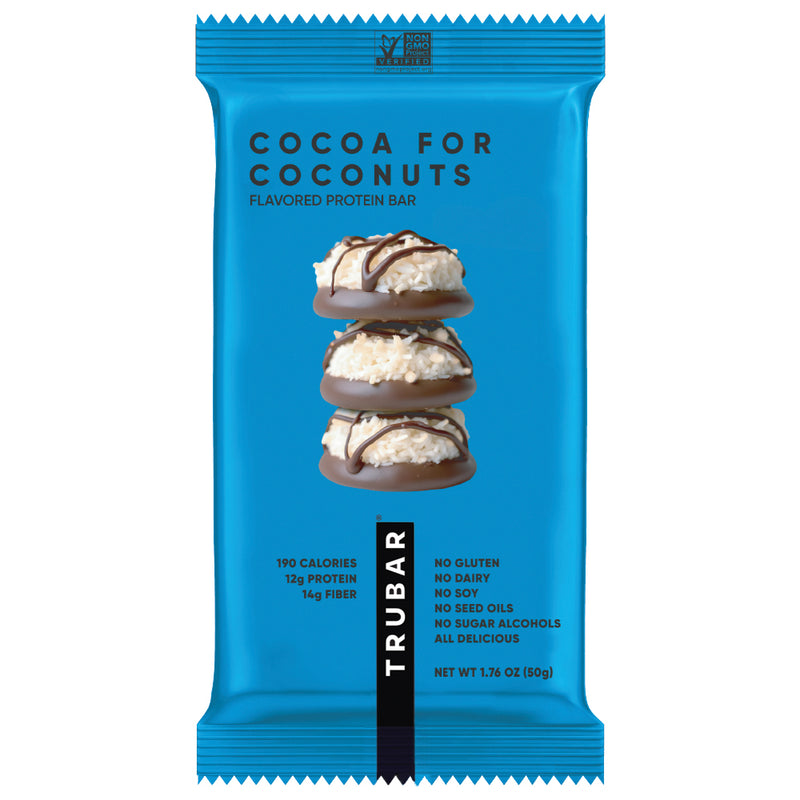 12g protein
Cocoa for Coconuts TRUBAR Nutrition and Protein Bar
Amazon returns policy · secure checkout
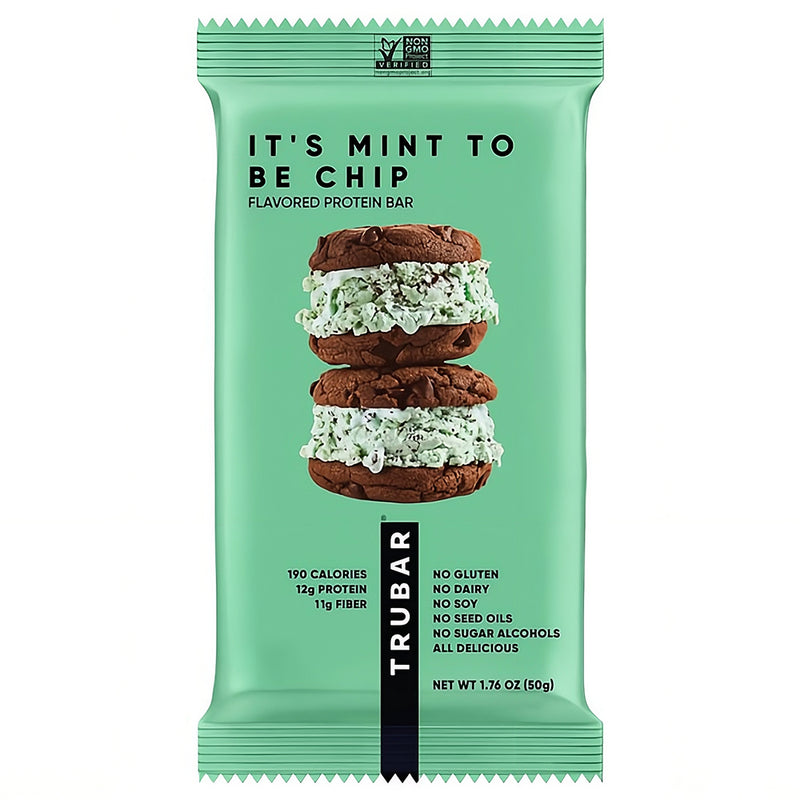 12g protein
It's Mint to Be Chip TRUBAR Nutrition and Protein Bar
Amazon returns policy · secure checkout
People managing diabetes or blood sugar need protein snacks that satisfy hunger without spiking glucose. The challenge: most packaged "high-protein" snacks carry 10–20g of added sugar alongside that protein, making them functionally equivalent to a candy bar. The 10 picks below were selected because each clears 6g of protein per serving while keeping net carbs low and added sugar under 5g. This guide is informational, not medical advice — carb budgets vary widely between individuals, so work with your care team on specific targets. See more options in our protein bars for diabetics guide or the full protein snacks directory.
Why Protein Matters for Blood Sugar Management
Protein has a glycemic index of essentially zero — it does not directly raise blood glucose. Better, consuming protein alongside carbohydrates slows gastric emptying, which blunts the post-meal glucose spike from those carbs. The practical implication: a snack high in protein and low in carbs is more blood-sugar-neutral than a snack with the same calories from carbohydrates alone. For people on GLP-1 medications (semaglutide, tirzepatide) who are managing portion sizes, protein-dense snacks also extend satiety more effectively per calorie than carb-dense ones. The two things to watch are total carbohydrates (including fiber, which most people subtract as “net carbs”) and added sugar, since sugar has the fastest glycemic effect of any carbohydrate form.
10 Best High-Protein Snacks for Diabetics: Quick Comparison
Figures are per single-serve portion from current manufacturer labels and USDA FoodData Central. “Net carbs” = total carbohydrates minus dietary fiber (the most conservative definition; some formulas also subtract sugar alcohols). Added sugar is listed separately because it drives acute glucose response faster than starch or fiber-bound carbs.
| Snack | Serving | Protein | Calories | Net Carbs | Added Sugar | Best For |
|---|---|---|---|---|---|---|
| Hard-boiled egg | 1 large (50g) | 6g | 72 | 0g | 0g | Zero-carb snacking |
| String cheese | 1 stick (28g) | 7g | 80 | 0g | 0g | On-the-go, kid-friendly |
| Chomps Original Beef Stick | 1 stick (43g) | 9g | 90 | 1g | 0g | Portable, shelf-stable |
| Almonds | 1 oz (28g) | 6g | 160 | 2.5g | 0g | Heart health, fiber |
| Whisps Cheddar Cheese Crisps | 1 oz (28g) | 10g | 170 | 1g | 0g | Crunchy chip replacement |
| StarKist Tuna Creations | 1 pouch (74g) | 17g | 80 | 0g | 0g | High protein, very low cal |
| Oikos Pro Vanilla | 5.3 oz cup (150g) | 20g | 130 | ~5g | 0g | Post-meal, highest dairy protein |
| Quest Protein Bar (Cookies & Cream) | 1 bar (60g) | 21g | 190 | ~4g* | 1g | Meal-replacement snack |
| Fairlife Core Power 26g | 14 fl oz bottle | 26g | 170 | ~5g | 0g | RTD convenience, post-workout |
| No Cow Protein Bar | 1 bar (60g) | 20g | 200 | ~12g** | 1g | Dairy-free, plant-based |
Sources: USDA FoodData Central (eggs, almonds), Chomps label (Oct 2026), manufacturer nutrition panels for all others (verified Oct 2026). *Quest net carbs subtract dietary fiber (13g) and most sugar alcohols; the label shows 22g total carbs. **No Cow net carbs subtract dietary fiber (14g) from 26g total carbs; sugar alcohols may reduce effective glycemic load further. Consult your care team for specific carb targets.
The Zero-Carb Anchor Picks (0–1g Net Carbs)
Hard-Boiled Eggs (6g protein, 72 calories, 0g net carbs)
One large hard-boiled egg provides 6g of complete protein at 72 calories with 0g of carbohydrates from any source. No product label, no hidden sugars, no fiber math needed — it is the cleanest protein vehicle available for blood-sugar management. Batch-cook a dozen on Sunday and refrigerate in their shells (up to 7 days). For people counting both carbs and calories, two eggs give 12g of protein at 144 calories with no glycemic impact whatsoever. The choline in eggs (one egg provides 147mg, about a third of the daily recommended 425–550mg) is an added nutritional benefit not found in most packaged snacks. If peeling is inconvenient, Good Foods and Aldi carry pre-peeled, refrigerated hard-boiled eggs in 2-packs for roughly $1–$1.25.
String Cheese (7g protein, 80 calories, 0g net carbs)
A single low-moisture part-skim mozzarella string cheese stick provides 7g of protein and 0g of carbohydrates. Sargento Natural String Cheese and Organic Valley String Cheese are the most widely available. Keep in mind that string cheese is a whole-milk product at roughly 5g of total fat (3.5g saturated) per stick — fine for most people managing blood sugar, but relevant for anyone watching saturated fat alongside glucose. Two string cheese sticks paired with a tuna pouch creates a 24g protein snack at roughly 240 calories with near-zero carbs, which is one of the most blood-sugar-neutral high-protein combinations available in packaged form.
Chomps Original Beef Stick (9g protein, 90 calories, 1g net carb)
Each Chomps Original Beef Steak Stick delivers 9g of grass-fed beef protein at 90 calories with 1g of total carbs, 0g of added sugar, and 0g of dietary fiber — making the net carb count 1g. The 270mg sodium is moderate for a meat snack (lower than most jerky brands). Chomps uses no artificial preservatives and no MSG. The stick format is shelf-stable and portable, making it the best zero-sugar option for desk drawers, car gloveboxes, and travel bags. For comparison, standard beef jerky from Jack Link’s contains 5g of added sugar per 1oz serving — 5× the glycemic load. If sodium is a concern, note that a stick provides roughly 12% of the 2,300mg daily sodium limit. See the full Chomps nutrition guide for all flavors.
Higher-Protein Picks (15–26g) With Manageable Carbs
StarKist Tuna Creations Pouch (17g protein, 80 calories, 0g net carbs)
A 2.6oz StarKist Tuna Creations pouch delivers 17g of protein at 80 calories — among the best protein-to-calorie ratios of any packaged snack at any price point — with 0g of total carbohydrates in the plain flavors (Original, Herb & Garlic). The flavored varieties (Sweet & Spicy, Tapatió) add 1–2g of carbs from seasoning. Sodium ranges from 250mg (Original) to 480mg (Sriracha) — the primary watch-out for people on sodium-restricted diets alongside diabetes management. For people who can tolerate tuna, this is arguably the most cost-efficient high-protein diabetes-friendly snack available: roughly $1.25–$1.69 per pouch at Walmart and Target, delivering 17g of protein per 80 calories with a glycemic load of zero. See the full StarKist Tuna Creations guide.
Oikos Pro Vanilla Greek Yogurt (20g protein, 130 calories, ~5g net carbs)
Oikos Pro delivers 20g of protein in a 5.3oz (150g) cup at 130 calories with 6g of total carbohydrates, 3g of total sugar (all lactose — 0g added sugar), and approximately 1g of dietary fiber — making the net carb count roughly 5g. For people managing blood sugar who want a dairy-based snack, Oikos Pro is the strongest option by protein count: 20g per cup versus 15g in Oikos Triple Zero and 15–17g in standard plain nonfat Greek yogurt. The 3g of lactose-derived sugar will affect glucose to a modest degree; for most people with type 2 diabetes, 3–6g of natural milk sugar in a high-protein context produces a much flatter glucose response than 3–6g of added sugar would in a low-protein snack. Available at most major grocery chains in Vanilla, Mixed Berry, and Peach flavors. Verified from multiple retailer listings: 20g protein, 130 cal, 6g total carbs, 3g total sugar, 0g added sugar per 5.3oz cup (Oct 2026).
Quest Protein Bar (21g protein, 190 calories, ~4g net carbs)
The Quest standard protein bar (Cookies & Cream, Birthday Cake, Chocolate Chip Cookie Dough) delivers 21g of protein at 190 calories with 22g total carbohydrates — but 13–14g of that is dietary fiber and 5–6g is erythritol (a sugar alcohol with minimal glycemic impact). The label-reported net carbs using Quest’s own formula lands at ~4g. For people counting carbs strictly, the “effective” glycemic carb count is closer to 4–8g depending on how you treat sugar alcohols. The 1g of added sugar is essentially negligible. Quest bars are widely available at Walmart, Target, Costco, and CVS and are one of the only mainstream protein bars that meaningfully clears 20g protein with low added sugar. Note: high fiber content from inulin/chicory root can cause GI discomfort in some people; start with one bar and assess tolerance. For a full breakdown, see the Quest vs ONE Bar comparison.
Fairlife Core Power 26g Shake (26g protein, 170 calories, ~5g net carbs)
Fairlife Core Power’s standard 14 fl oz shake delivers 26g of ultra-filtered milk protein at 170 calories with 6g total carbohydrates, 5g total sugar (natural milk sugar), 1g fiber, and 0g added sugar per bottle. Sweeteners include monk fruit juice concentrate, stevia, and acesulfame potassium alongside the natural lactose — so the sweet taste comes with very little glycemic load beyond the 5g of natural sugar. For people managing blood sugar who want a portable, no-prep high-protein option, Core Power is the most convenient 25g+ protein snack available at standard retail. It is not a zero-carb option (unlike tuna, eggs, or cheese) but the 5g of natural sugar in a 26g-protein context produces a modest, slow glucose response. Verified figures: 170 cal, 26g protein, 6g total carbs, 5g total sugar, 0g added sugar, per multiple retailer listings (Oct 2026). See our Fairlife vs Premier Protein comparison for more.
The Chip Alternative: Whisps Cheese Crisps (10g protein, 1g net carb)
Whisps Cheddar Cheese Crisps deliver approximately 10g of protein per 1oz serving at 170 calories with 1g of total carbohydrates and 0g of sugar. Made entirely from aged cheddar cheese (the only ingredient), they provide a crunchy chip-like eating experience with zero flour, zero starch, and a negligible glycemic footprint. This is the direct chip-craving answer for people who miss crunchy snacks on a low-carb diabetes diet. The saturated fat is higher than many picks (roughly 9–10g per oz — comparable to a handful of regular potato chips in fat content), so they are most appropriate as an occasional snack rather than a daily staple for anyone with concurrent heart disease or familial hypercholesterolemia. Available at Costco, Target, Walmart, and most natural grocery chains. Note: cheddar and parmesan flavors vary slightly — parmesan runs 12–13g protein per oz at 150 calories; check the specific label you’re buying.
Who These Picks Are Best For
People counting total carbs (type 1 or tightly controlled type 2): Eggs, string cheese, beef sticks, almonds, cheese crisps, and tuna pouches are your tier. All come in under 3g net carbs per serving. String cheese and hard-boiled eggs are effectively carb-free.
People managing type 2 diabetes through diet: Oikos Pro, Quest bars, and Core Power open up more options while still keeping net carbs under 10g per serving. The protein density (20–26g) keeps you full and reduces the impulse to graze on higher-carb alternatives.
People on GLP-1 medications (semaglutide, tirzepatide): Protein-forward snacks are especially important because GLP-1 medications slow gastric emptying and reduce appetite sharply, which makes it easy to under-eat protein. String cheese, tuna pouches, and Oikos Pro are small, easy to eat even with reduced appetite, and provide adequate protein without a large carb load.
People with both diabetes and kidney disease: High-protein diets may not be appropriate depending on your stage of CKD. The guidance here is for people without kidney complications; work with your care team or a dietitian registered in diabetes care (CDCES) for individualized protein targets.
Frequently Asked Questions
What snacks do not raise blood sugar for diabetics?
Hard-boiled eggs, string cheese, plain beef sticks (Chomps Original), plain tuna pouches (StarKist Tuna Creations), and unseasoned almonds have the lowest glycemic impact of any packaged snack — all under 3g of net carbs per serving, with 0g of added sugar. These are the highest-confidence choices for people who need to keep glucose responses minimal. Greek yogurt (Oikos Pro, Siggi’s) and protein shakes (Core Power) have 5–6g of natural dairy sugar per serving, which produces a moderate glucose response that most people with type 2 diabetes tolerate well in a high-protein context.
Are protein bars safe for diabetics?
Some are, some are not — the label matters more than the “protein bar” label. Quest Protein Bars (21g protein, ~4g net carbs, 1g added sugar) are among the most diabetes-appropriate packaged bars available. Avoid bars with >10g of added sugar, even if they claim 20g of protein — the sugar load will spike glucose regardless of the protein. Kind Protein bars and Clif Builder bars, for example, contain 12–16g of added sugar per bar. Our protein bars for diabetics guide covers the full landscape.
How much protein should a diabetic eat per snack?
There is no universal number — protein needs depend on body weight, activity level, kidney function, and medication. A practical range for most adults without kidney disease is 10–20g per snack, distributed across 2–3 snacks per day. The 10 picks in this guide range from 6g (eggs, almonds) to 26g (Core Power), so you can match the serving to your specific protein target. People using insulin should know that large amounts of protein (30g+) can raise glucose modestly 2–4 hours post-meal through gluconeogenesis — this is usually clinically small but worth discussing with your care team if you’re injecting insulin.
Is Greek yogurt OK for diabetics?
Plain, high-protein Greek yogurt (Oikos Pro, Siggi’s 0%, Fage Total 0%) is appropriate for most people with type 2 diabetes. The natural lactose (3–6g per cup) raises blood glucose modestly, but the high protein content (15–20g) significantly blunts the glucose response compared to low-protein dairy or sugary yogurt. Avoid flavored Greek yogurts with added sugar — some carry 15–20g of added sugar per cup, which is equivalent to a candy bar from a glucose standpoint. Plain nonfat or 0% fat varieties have the best protein-to-carb ratio. The Greek yogurt by protein guide compares all major brands side by side.
Are almonds a good snack for diabetics?
Yes — almonds are one of the most studied snacks in the context of blood sugar management. A 2011 clinical trial in Metabolism found that consuming 1–3 oz of almonds before a meal reduced post-meal blood glucose in people with type 2 diabetes. Per 1oz (28g), almonds provide 6g of protein, 14g of total fat (mostly monounsaturated), 6g of total carbohydrates, and 3.5g of dietary fiber — net carbs of roughly 2.5g. The fat and fiber content slow gastric emptying and blunt glucose response. They are calorie-dense (160 cal per oz), so portion control matters; a 1oz portion (roughly 23 almonds) is the standard serving. Raw or dry-roasted, unsalted almonds are the purest option; honey-roasted almonds add added sugar and should be avoided.
Bottom line: The safest high-protein snacks for blood sugar are eggs, string cheese, and plain beef sticks — all under 1g net carbs. For 17–26g of protein with minimal glucose impact, StarKist Tuna Creations (0g carbs), Oikos Pro (~5g net carbs), and Fairlife Core Power (~5g net carbs) are the strongest picks. Quest Protein Bars deliver 21g of protein with approximately 4g net carbs using their fiber-and-sugar-alcohol formula. Avoid snacks with more grams of added sugar than grams of protein; that ratio inverts the purpose of a “high-protein snack” entirely. For protein bar comparisons specific to low-sugar picks, see our protein bars for diabetics guide. Browse all picks in the protein snacks directory.
Shop our top high-protein picks
Editor-selected high-protein options related to this guide. As an Amazon Associate we may earn from qualifying purchases.
12g proteinWhipped For Key Lime TRUBAR Nutrition and Protein Bar
Amazon returns policy · secure checkout
12g proteinCocoa for Coconuts TRUBAR Nutrition and Protein Bar
Amazon returns policy · secure checkout
12g proteinIt's Mint to Be Chip TRUBAR Nutrition and Protein Bar
Amazon returns policy · secure checkout
Tags
High Protein Snacks Pro Editorial Team
Independently researched and editorially reviewed. We compare real nutrition labels and never accept payment for coverage.
Get the best new protein snacks in your inbox
Weekly picks and honest reviews — no spam, unsubscribe anytime.
More from the journal
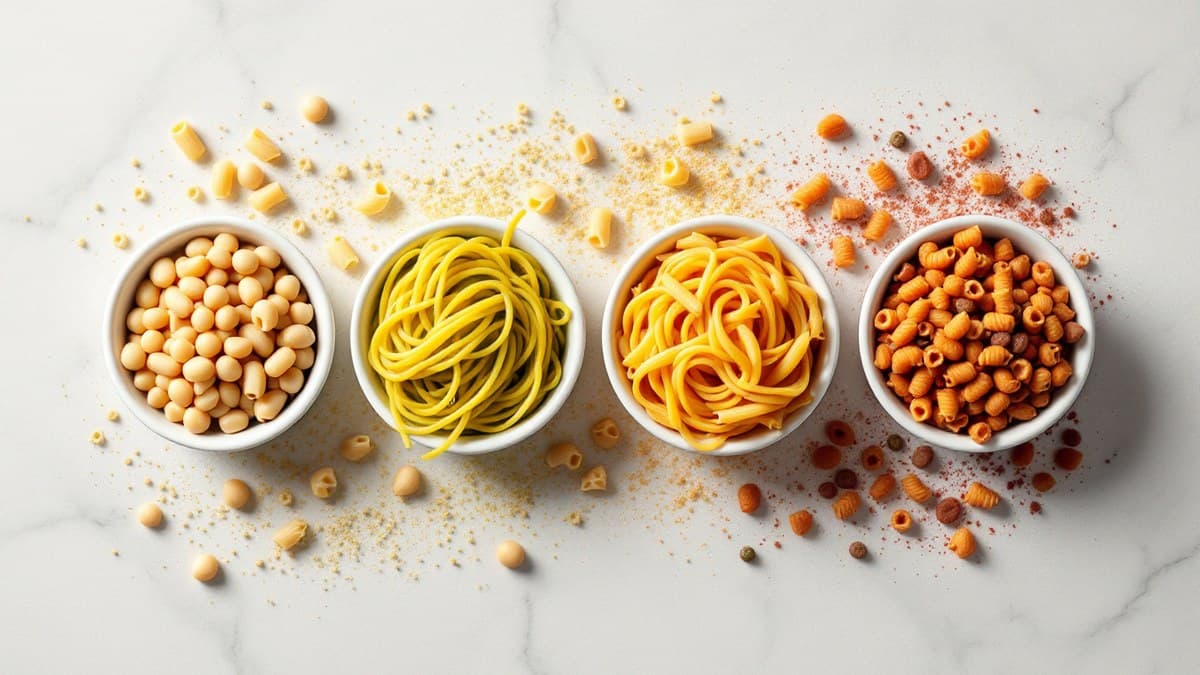
Best Protein Pasta (2026): Every Box Compared at the Same 2 oz — Edamame vs Chickpea vs Lupini vs Wheat
Compared at an identical 2 oz dry serving from each product's own Nutrition Facts panel: Explore Cuisine edamame spaghetti leads with 24g of protein, Kaizen delivers the most protein per calorie at 20g for 130 calories, and Banza hits 14g. Regular semolina pasta is 7g — and the wheat-based “Protein+” boxes only reach 10g. Verified protein, fiber, and net carbs for every option.
Read more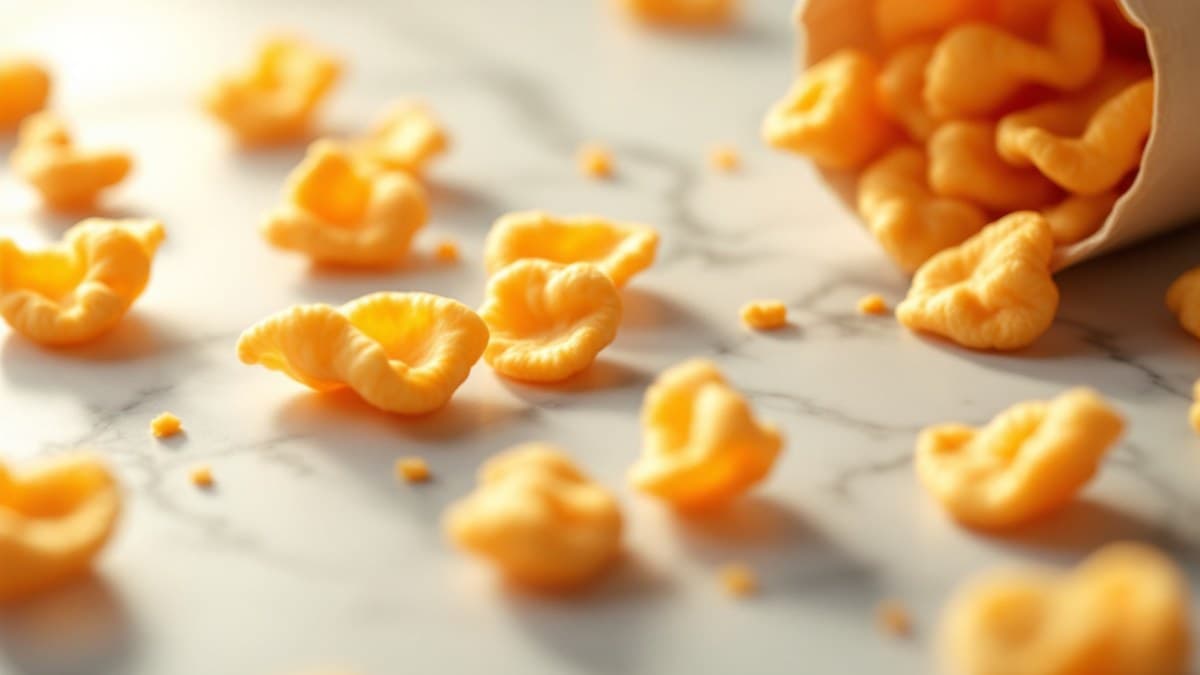
Moon Cheese Nutrition Facts (2026): 9g Protein, 0 Net Carbs — All 5 Flavors Compared
Moon Cheese delivers 9g of protein and zero net carbs per 1oz serving from 100% real cheese — no artificial ingredients, no grain, no gluten. Verified 2026 nutrition data for Cheddar, Pepper Jack, Gouda, Mozzarella, and Buen Queso, plus a straight comparison against chips, pork rinds, and crackers on protein density.
Read more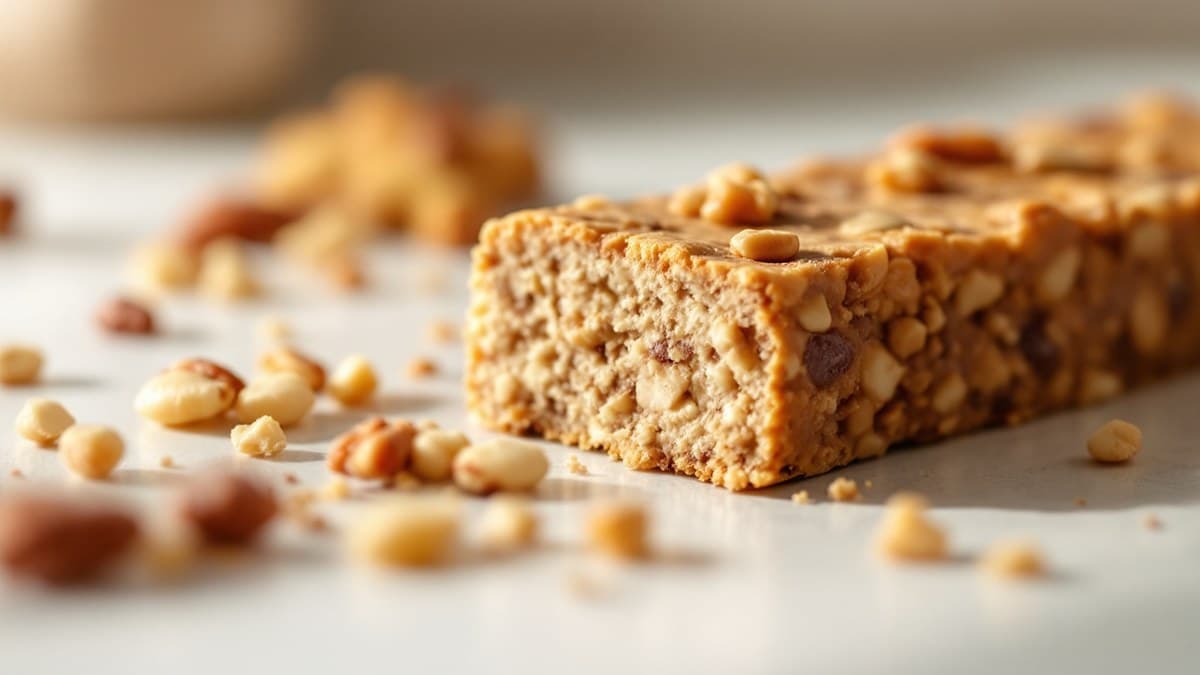
FitCrunch Protein Bar Nutrition Facts 2026: 30g Whey Protein, 6-Layer Baked Bar — Every Flavor Compared
FitCrunch full-size bars deliver 30g of whey protein at 380 calories with 6g of total sugar — the only mainstream 6-layer baked protein bar in the US, created by Food Network chef Robert Irvine. Snack-size bars deliver 16g of protein at 190 calories and 3g of sugar. Every flavor compared by calories, protein, fat, fiber, sugar, and sodium, with verified 2026 nutrition label data.
Read more