Best Protein Pasta (2026): Every Box Compared at the Same 2 oz — Edamame vs Chickpea vs Lupini vs Wheat
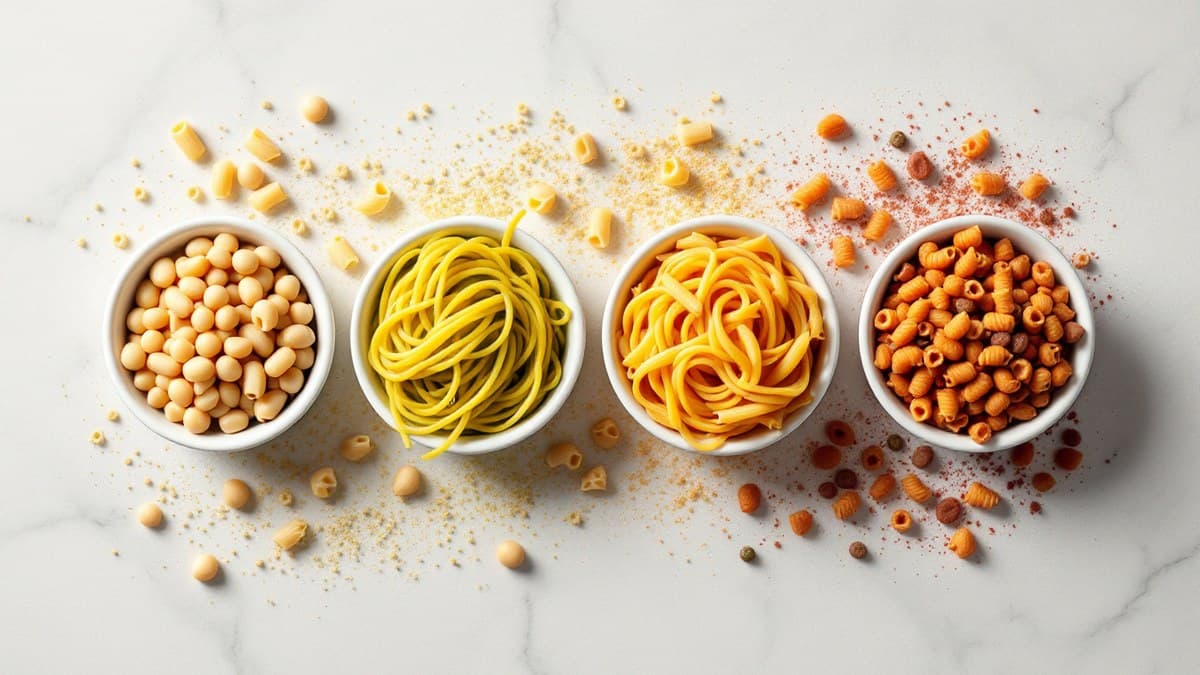
Compared at an identical 2 oz dry serving from each product's own Nutrition Facts panel: Explore Cuisine edamame spaghetti leads with 24g of protein, Kaizen delivers the most protein per calorie at 20g for 130 calories, and Banza hits 14g. Regular semolina pasta is 7g — and the wheat-based “Protein+” boxes only reach 10g. Verified protein, fiber, and net carbs for every option.
Our top high-protein picks
Editor-selected and ready to buy. As an Amazon Associate we may earn from qualifying purchases.
 18g protein
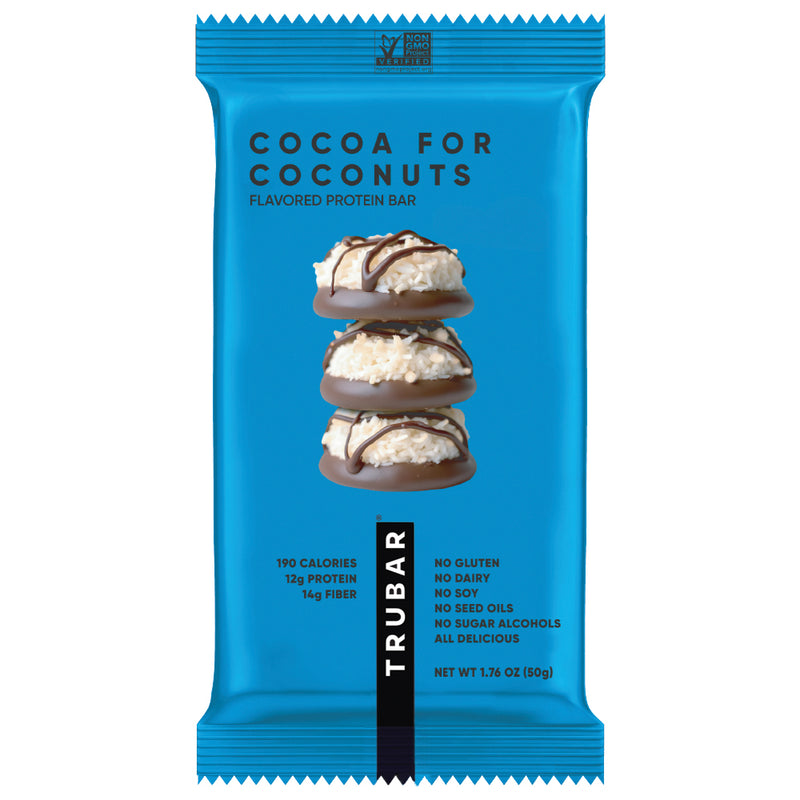 12g protein
Cocoa for Coconuts TRUBAR Nutrition and Protein Bar
Amazon returns policy · secure checkout
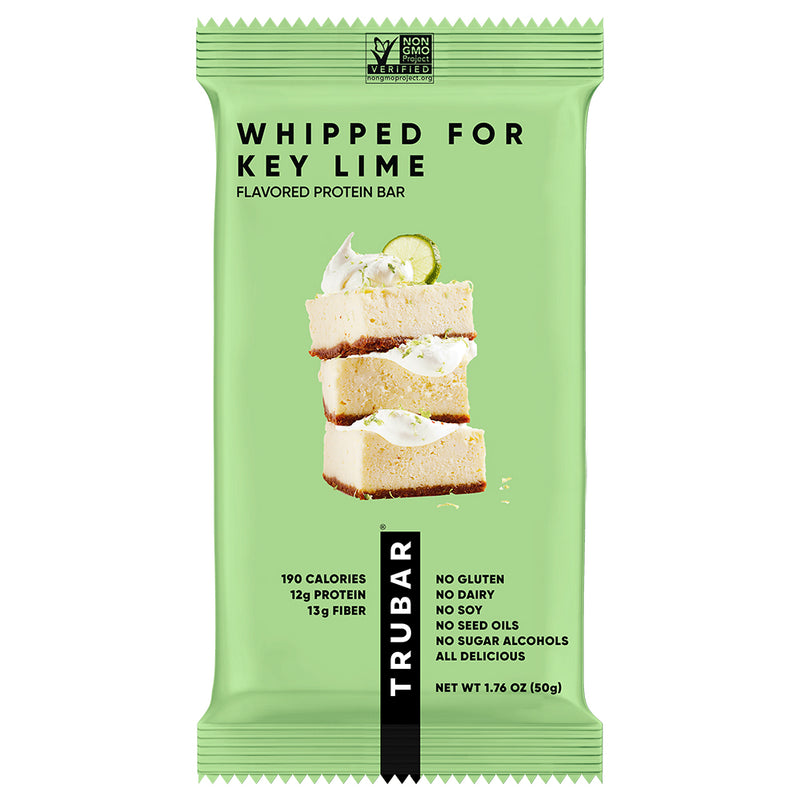 12g protein
Whipped For Key Lime TRUBAR Nutrition and Protein Bar
Amazon returns policy · secure checkout
Every pasta below is compared at the same 2 oz (56g) dry serving, straight off each product’s own Nutrition Facts panel — and at that shared serving the gap is enormous: 24g of protein at the top, 7g for the regular blue box, and everything else in between. That matters because pasta brands do not all measure the same way, and a headline gram count printed on the front of a box means nothing until you know what serving it was calculated from. The single most useful finding from lining all seven panels up: the wheat-based “Protein+” boxes most shoppers reach for — the ones that look, cook, and taste like normal pasta — add only about 3 grams of protein over regular pasta, while the bean pastas add 6 to 17 grams. If protein is why you are buying it, that distinction is the whole decision. For the rest of your pantry, see our best high-protein snacks guide or the protein snacks directory.
Affiliate links — if you buy through them we earn a small commission at no extra cost to you. Every nutrition figure below was read directly from the product’s own Nutrition Facts panel as published on its retail listing and verified on September 20, 2026.
The Quick Verdict
- Most protein per serving: Explore Cuisine Organic Edamame Spaghetti — 24g per 2 oz dry, roughly 3.4 times regular pasta.
- Most protein per calorie: Kaizen Low Carb Fusilli — 20g of protein in 130 calories, or 15.4g of protein per 100 calories. Nothing else here is close.
- Lowest net carbs: Kaizen at 6g net carbs per serving, then Explore Cuisine at 7g. Regular pasta is 39g.
- Most fiber: Kaizen at 15g, then Explore Cuisine at 13g — both more than four times the 3g in regular semolina pasta.
- Closest to real pasta: Barilla Protein+ — but it only carries 10g of protein, just 3g more than the regular blue box, because it is still mostly durum wheat semolina.
- Best all-around balance: Banza Chickpea Penne — 14g of protein and 8g of fiber, and the texture most people find acceptable as a straight swap.
- Only complete protein in the group: Explore Cuisine’s edamame pasta, because edamame is soy. The chickpea, lentil, pea, and lupini pastas are all lower in methionine.
Every Protein Pasta Compared at the Same 2 oz Dry Serving
Dry pasta is almost always labeled per 2 oz (56g) dry, which makes this an unusually clean comparison — every row below is the same amount of uncooked pasta. Net carbs are total carbohydrate minus fiber. Regular semolina pasta is included as the baseline so you can see what each box is actually buying you.
| Pasta | Made from | Calories | Protein | Protein / 100 cal | Fiber | Net carbs | vs. regular pasta |
|---|---|---|---|---|---|---|---|
| Explore Cuisine Organic Edamame Spaghetti | Organic edamame (green soybeans) | 180 | 24g | 13.3g | 13g | 7g | 3.4x |
| Kaizen Low Carb Fusilli | Lupini flour + fava bean protein | 130 | 20g | 15.4g | 15g | 6g | 2.9x |
| Banza Chickpea Penne | Chickpeas, pea starch, tapioca | 190 | 14g | 7.4g | 8g | 24g | 2.0x |
| Chickapea Organic Elbows | Organic chickpea + yellow and red lentil flour | 210 | 13g | 6.2g | 6g | 28g | 1.9x |
| Barilla Protein+ Penne | Durum wheat semolina + lentil, pea, chickpea | 210 | 10g | 4.8g | 4g | 34g | 1.4x |
| Barilla classic penne (baseline) | Durum wheat semolina | 200 | 7g | 3.5g | 3g | 39g | 1.0x |
Protein per 100 calories is the column that reorders the list. Explore Cuisine wins on raw grams, but Kaizen delivers more protein for every calorie it costs you — 15.4g versus 13.3g — because lupini flour is far lower in starch than soybean flour. If you are eating pasta as the protein in the meal rather than the base under it, that ratio is the number to compare, the same way it is for any other high-protein snack.
Why does “protein pasta” mean two completely different things?
There are two separate products sharing one shelf label. Bean pastas replace wheat entirely with chickpea, lentil, edamame, lupini, or yellow pea flour, which is why they land at 13 to 24 grams of protein. Fortified wheat pastas such as Barilla Protein+ are still mostly durum wheat semolina with legume flour and pea protein blended in, which is why they land at 10 grams. Both are honestly labeled; they are simply not the same purchase. The box that looks most like normal pasta is the one that does the least for your protein total.
How much protein does a real plate of pasta actually give you?
A 2 oz dry serving is smaller than most people plate. A realistic 3 oz to 4 oz dry portion of Explore Cuisine edamame spaghetti carries roughly 36g to 48g of protein; the same portion of regular pasta carries about 10g to 14g. That single swap is the difference between a meal that needs a chicken breast on top to qualify as high-protein and one that already does. Weigh the dry pasta once with a kitchen scale and you will know your real number instead of guessing from the box.
The Best Protein Pasta of 2026, Ranked
#1 Explore Cuisine Organic Edamame Spaghetti — the most protein in a box

Explore Cuisine Organic Edamame Spaghetti, 8 oz
24g protein · 180 cal · 13g fiber · 7g net carbs · 140mg calcium · 7mg iron · one ingredient
Check price on Amazon →Nothing else in the category reaches 24 grams of protein per 2 oz serving, and the ingredient statement is a single line: organic edamame beans. That is also why it is the only pasta here that is a complete protein on its own — edamame is soy, and soy protein carries all nine essential amino acids in useful amounts, which chickpea and lentil flours do not. The 13g of fiber per serving is genuinely high, which is worth knowing before you eat a large bowl on the first try. Honestly: it does not taste like semolina spaghetti. It is deep green, it has a distinct beany flavor, and it cooks in about 5 minutes rather than 10, going from firm to falling apart quickly. It works best under a strongly flavored sauce — a puttanesca, a heavy garlic and chili oil, a peanut sauce — rather than a light butter and parmesan where there is nothing to hide behind.
#2 Kaizen Low Carb Fusilli — the most protein per calorie

Kaizen Low Carb Pasta, Fusilli, 8 oz (3-Pack)
20g protein · 130 cal · 15g fiber · 6g net carbs · lupini and fava bean · gluten free
Check price on Amazon →Kaizen is the outlier on the whole table: 20 grams of protein for 130 calories, which is 15.4g of protein per 100 calories — more than the edamame pasta and more than four times regular pasta. It gets there with lupini flour and fava bean protein, two legumes that are unusually high in protein and unusually low in starch, which is also why net carbs land at 6g instead of 24g to 39g. If you are managing blood sugar or eating low-carb and had written pasta off entirely, this is the box that changes that. The honest trade-offs: 15g of fiber in one serving is a lot if your usual intake is low, so start with a half portion; lupini is in the same plant family as peanuts, so people with a peanut allergy should check with their doctor first; and it is the most expensive option here per ounce. The texture is firmer and chewier than wheat pasta and holds up well in a baked dish.
#3 Banza Chickpea Penne — the best everyday swap

Banza Penne Pasta from Chickpeas, 8 oz
14g protein · 190 cal · 8g fiber · 24g net carbs · chickpeas, pea starch, tapioca · gluten free
Check price on Amazon →Banza is the pasta most people can actually switch to permanently. At 14g of protein and 8g of fiber per 2 oz it doubles regular pasta’s protein, and the pea starch and tapioca in the recipe are there specifically to get the texture closer to semolina — it holds a bite, it does not turn to paste, and in a red sauce most people will not flag it. It is also the easiest of these to find in a regular grocery store rather than ordering online. One thing worth checking on the box you actually buy: Banza has more than one penne listing live, and they do not show the same panel. The listing cited above reads 14g protein and 8g fiber per 2 oz dry, while a second current Banza penne listing reads 11g protein and 5g fiber for the same shape with a slightly different ingredient order. Both are Banza, both are chickpea penne. Read the panel on the box in front of you rather than assuming the number from a review.
#4 Chickapea Organic Elbows — the shortest organic ingredient list

Chickapea Organic Chickpea and Lentil Elbows, 8 oz
13g protein · 210 cal · 6g fiber · 28g net carbs · 66mg calcium · 3mg iron · 3 organic ingredients
Check price on Amazon →Chickapea’s entire ingredient statement is organic chickpea flour, organic yellow lentil flour, and organic red lentil flour — no starches, no gums, no isolated protein added back in. If you want the cleanest label in the category, this is it, and the 13g of protein is within a gram of Banza. The cost of that purity is texture: with no pea starch or tapioca to bind it, Chickapea is softer and more delicate than Banza and less forgiving if you overcook it by even a minute. Drain it early and finish it in the sauce. It also delivers the most iron per serving of the chickpea pastas here, at 3mg, which is 15% of the general adult Daily Value.
#5 Barilla Protein+ Penne — the one that tastes like normal pasta

Barilla Protein+ (Plus) Penne Pasta, 14.5 oz
10g protein · 210 cal · 4g fiber · 34g net carbs · wheat semolina + lentil, pea, chickpea · contains wheat
Check price on Amazon →This is the honest middle of the road, and it belongs on the list precisely because so many people buy it thinking it is a bean pasta. It is not. The ingredient statement leads with semolina and durum wheat flour, then adds lentil flour, pea protein, and chickpea flour. The payoff is that it cooks and tastes essentially like regular Barilla, which matters enormously if you are feeding people who will reject a green spaghetti. The cost is that 10g of protein is only 3g more than the regular blue box — a 43% increase, not a doubling — and net carbs stay at 34g. Buy it if texture acceptance is the real obstacle in your household. Do not buy it expecting bean-pasta numbers, and note it contains wheat, so it is not gluten free.
Is bean pasta a complete protein?
Only the edamame one. Edamame is soy, and soy protein contains all nine essential amino acids in proportions that meet adult requirements, so Explore Cuisine’s 24g counts fully on its own. Chickpea, lentil, yellow pea, and lupini proteins are all relatively low in methionine, so the grams on those labels are real but slightly less usable gram for gram. This is easy to solve and does not require any planning within a single meal: eating grains, dairy, eggs, nuts, or seeds across the same day fills the gap. Parmesan on chickpea pasta is not a nutrition hack, but it does happen to be exactly the right pairing. If you want a protein source with no such caveat at all, compare against our whey protein isolate and canned chicken guides.
Who Should Skip Protein Pasta
If you are buying pasta to be the cheap, filling base of a meal that already has meat, beans, or cheese doing the protein work, regular semolina pasta at a third of the price is the right call — the 7g it carries is not nothing. If you have been told to limit fiber, the 8g to 15g per serving in these boxes is a genuine reason to go slowly rather than switch overnight. If you are avoiding soy, skip the edamame pasta specifically. And if the goal is simply hitting a daily protein target for the lowest cost, pasta is not where that battle is won: a scoop of powder or a can of chicken delivers far more protein per dollar. See our cheapest protein per gram comparison for where the real value sits.
Frequently Asked Questions
Which pasta has the most protein?
Explore Cuisine Organic Edamame Spaghetti, at 24g of protein per 2 oz dry serving for 180 calories. That is about 3.4 times the 7g in an identical serving of regular semolina pasta, and it comes from a single ingredient: organic edamame beans.
Is protein pasta actually healthy, or is it a marketing term?
It depends entirely on which kind you buy, and the difference is large. Bean pastas made from chickpeas, edamame, lentils, or lupini genuinely deliver 13g to 24g of protein and 6g to 15g of fiber per serving. Wheat-based “Protein+” boxes deliver about 10g, only 3g more than regular pasta. Both label honestly; only one meaningfully changes the meal.
Does chickpea pasta taste like regular pasta?
Close, but not identical. Banza comes nearest because pea starch and tapioca are added specifically to mimic semolina texture, and most people accept it in a sauced dish. Chickapea, which uses only chickpea and lentil flour, is softer and easier to overcook. Edamame spaghetti is the furthest from regular pasta in both color and flavor.
Which protein pasta has the lowest carbs?
Kaizen Low Carb Fusilli, at 6g of net carbs per 2 oz serving, followed by Explore Cuisine edamame spaghetti at 7g. For comparison, Banza is 24g, Barilla Protein+ is 34g, and regular semolina pasta is 39g.
Why do bean pastas foam and get mushy?
Legume flours release more starch and protein into the cooking water than semolina does, which causes the foaming, and they have no gluten network to hold their shape once past the ideal point. Use a big pot with plenty of water, stir in the first minute, start tasting two minutes before the box says, and drain early — these pastas go from firm to falling apart much faster than wheat pasta.
Is protein pasta gluten free?
The bean pastas here are: Explore Cuisine, Kaizen, Banza, and Chickapea all contain no wheat. Barilla Protein+ is not — it is built on durum wheat semolina with legume flour added, and its label states it contains wheat ingredients.
Do you lose protein when you cook bean pasta?
A small amount leaches into the cooking water, which is part of why the water foams and clouds, but the labeled figures are stated for the dry pasta and the great majority of the protein stays in the noodle. The far bigger variable is portion size: weighing your dry pasta is the only way to know what you actually ate.
Bottom line: compare protein pasta at the same 2 oz dry serving and the shelf sorts itself out quickly. Explore Cuisine’s edamame spaghetti wins on raw protein at 24g and is the only complete protein in the group. Kaizen wins on protein per calorie and on carbs, at 20g for 130 calories and 6g net carbs. Banza is the swap most households will actually stick with at 14g, and Chickapea matches it with a three-ingredient organic label. Barilla Protein+ is the one to understand before you buy: it tastes like regular pasta because it mostly is regular pasta, and 10g is only 3g more than the blue box. Browse the full protein snacks directory, or see our best high-protein snacks of 2026 guide for where pasta fits in a whole week of eating.
Shop our top high-protein picks
Editor-selected high-protein options related to this guide. As an Amazon Associate we may earn from qualifying purchases.
18g protein12g proteinCocoa for Coconuts TRUBAR Nutrition and Protein Bar
Amazon returns policy · secure checkout
12g proteinWhipped For Key Lime TRUBAR Nutrition and Protein Bar
Amazon returns policy · secure checkout
Tags
High Protein Snacks Pro Editorial Team
Independently researched and editorially reviewed. We compare real nutrition labels and never accept payment for coverage.
Get the best new protein snacks in your inbox
Weekly picks and honest reviews — no spam, unsubscribe anytime.
More from the journal
Moon Cheese Nutrition Facts (2026): 9g Protein, 0 Net Carbs — All 5 Flavors Compared
Moon Cheese delivers 9g of protein and zero net carbs per 1oz serving from 100% real cheese — no artificial ingredients, no grain, no gluten. Verified 2026 nutrition data for Cheddar, Pepper Jack, Gouda, Mozzarella, and Buen Queso, plus a straight comparison against chips, pork rinds, and crackers on protein density.
Read more
FitCrunch Protein Bar Nutrition Facts 2026: 30g Whey Protein, 6-Layer Baked Bar — Every Flavor Compared
FitCrunch full-size bars deliver 30g of whey protein at 380 calories with 6g of total sugar — the only mainstream 6-layer baked protein bar in the US, created by Food Network chef Robert Irvine. Snack-size bars deliver 16g of protein at 190 calories and 3g of sugar. Every flavor compared by calories, protein, fat, fiber, sugar, and sodium, with verified 2026 nutrition label data.
Read more
Oikos vs Chobani (2026): Which Greek Yogurt Wins on Protein, Sugar, Sweeteners and Lactose
Oikos wins on protein in every matchup: 18g vs 16g per 170g of plain, 15g vs 12g in a 150g vanilla cup, and 20g in a 5.3 oz Oikos Pro cup where Chobani needs 6.7 oz. Chobani wins on calories, sugar and lactose: Zero Sugar Vanilla is 60 calories with 0g sugar and lactose-free, and its plain nonfat comes in a one-ingredient single cup. Nine products compared on each brand’s own September 2026 labels, with every sweetener named and the honest catch on both.
Read more