Super Coffee (Kitu) Nutrition Facts (2026): 10g Protein, Zero Added Sugar, 150mg Caffeine — All Flavors
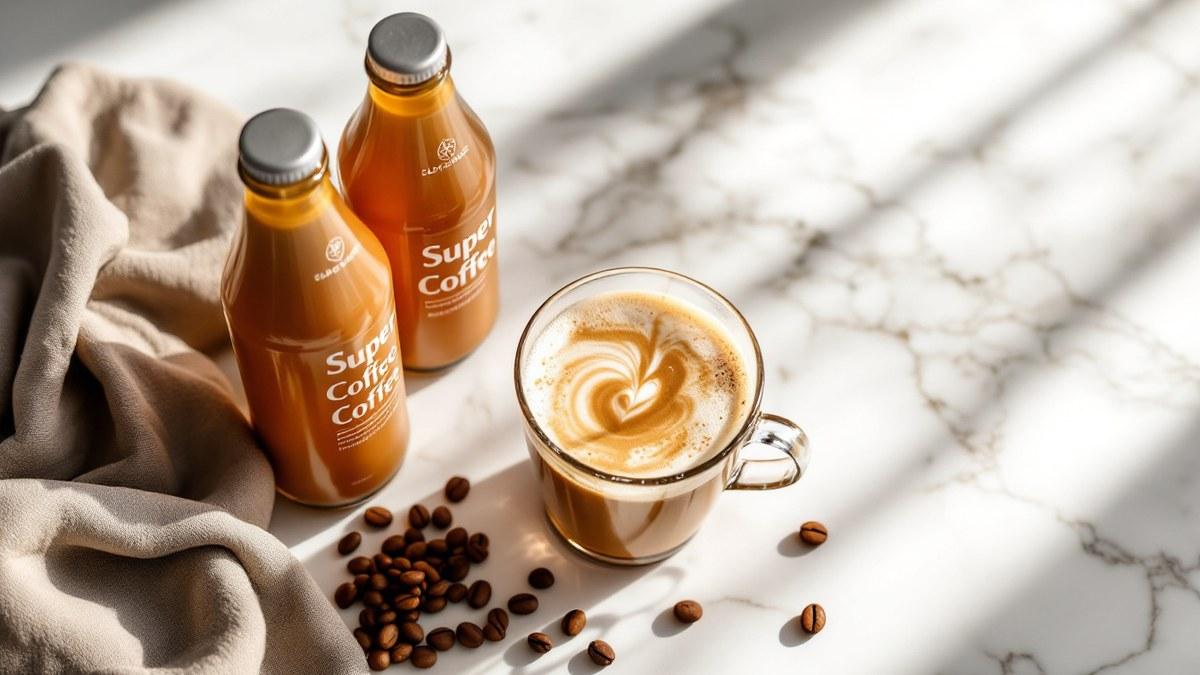
Super Coffee by Kitu delivers 10g of protein and 150mg of caffeine from real coffee in 60–90 calories with zero added sugar — sweetened only with monk fruit extract. Verified 2026 nutrition facts for all six core flavors, the 25g Protein+ line, and a head-to-head against Premier Protein Café Latte and Fairlife Core Power.
The short answer
Our top protein drink picks
Editor-selected and ready to buy. As an Amazon Associate we may earn from qualifying purchases.
 30g protein
 16g protein
Organic Nutrition Shake - Creamy Chocolate Fudge
Amazon returns policy · secure checkout
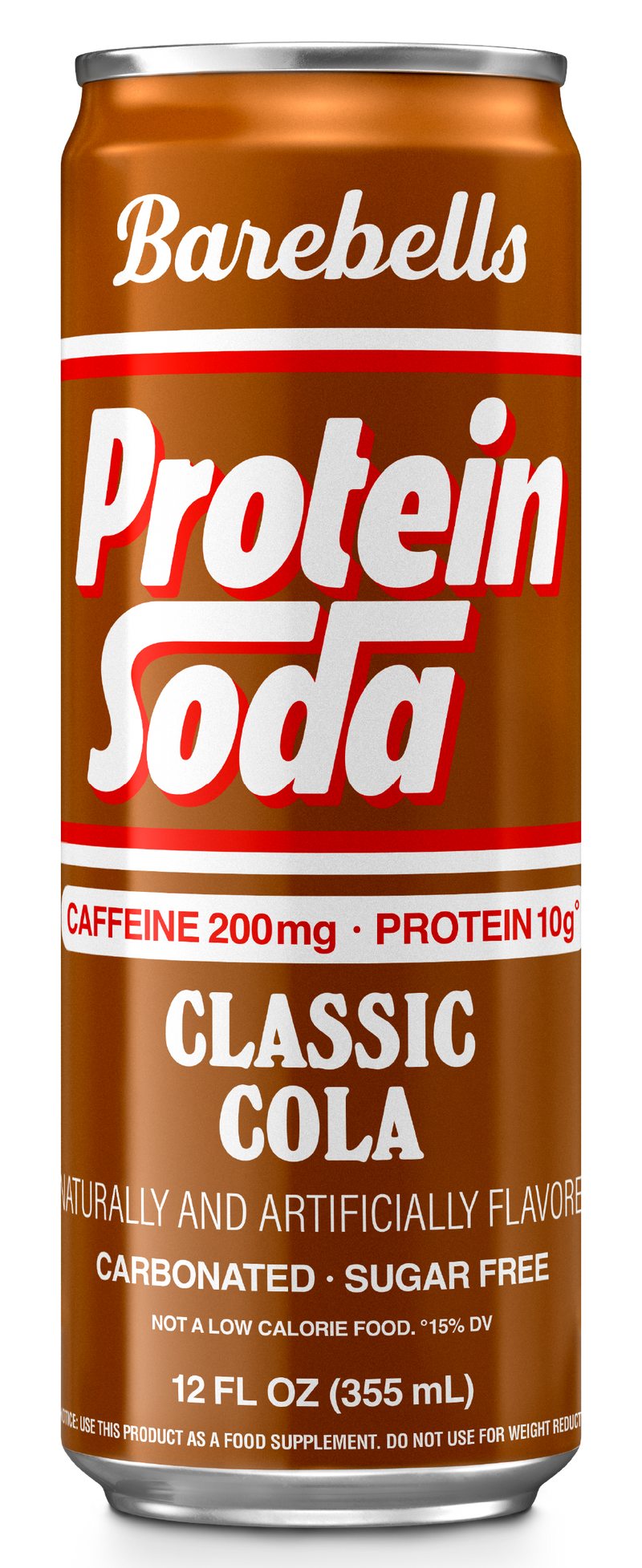 10g protein
Protein Soda Classic Cola
Amazon returns policy · secure checkout
Super Coffee Nutrition Facts: All Flavors (2026)
All figures below are cross-verified from the Kitu Super Coffee official product pages, major retailer nutrition panels, and calorie tracking databases, November 2026. Serving size is one 11.5-fl-oz (340mL) bottle for the standard RTD line.
| Flavor | Calories | Protein | Fat | Carbs | Added Sugar | Caffeine |
|---|---|---|---|---|---|---|
| Vanilla | 70 | 10g | 2g | 3g | 0g | 150mg |
| Mocha Latte | 80 | 10g | 2g | 5g | 0g | 150mg |
| Hazelnut | 70 | 10g | 2g | 3g | 0g | 150mg |
| Coconut Mocha | 90 | 10g | 3g | 5g | 0g | 150mg |
| Unsweetened | 80 | 10g | 2g | 3g | 0g | 150mg |
| Protein+ Mocha Latte | 150 | 25g | 3g | 10g | 0g | 150mg |
Every standard RTD flavor delivers exactly 10g of protein at 70–90 calories, with the calorie spread driven primarily by fat content in coconut-based flavors. The Protein+ Mocha Latte is a separate SKU that triples the protein to 25g at 150 calories — the same caffeine dose — for buyers who want a more substantial protein hit from their coffee. All flavors carry zero added sugar; the mild sweetness comes entirely from monk fruit extract. The carbohydrate count (3–10g) comes from naturally occurring milk sugars (lactose) in the skim milk protein concentrate base, not from added sweeteners.
What Super Coffee Is Made From
Super Coffee’s ingredient philosophy is straightforward: coffee first, protein from milk, sweetness from monk fruit.
- Espresso-roasted coffee — the caffeine source is real brewed coffee, not synthetic caffeine. The 150mg dose is equivalent to roughly one and a half standard espresso shots. This matters for people who want the full sensory and neurochemical experience of coffee rather than a caffeine-spiked protein shake.
- Skim milk protein concentrate — a dairy-derived complete protein containing all nine essential amino acids including leucine for muscle protein synthesis. Skim milk protein concentrate is a milder-tasting, less processed form of dairy protein than whey protein isolate or casein isolate, contributing to Super Coffee’s relatively clean flavor profile.
- Monk fruit extract — a zero-calorie natural sweetener derived from the lo han guo fruit. Monk fruit has no known glycemic impact, produces no reported GI side effects at normal doses, and is not an artificial sweetener. It is the only sweetener in every Super Coffee flavor.
- MCT oil — medium-chain triglycerides from coconut oil contribute 2–3g of fat per bottle and provide a sustained energy source that pairs with the caffeine for a longer-lasting alertness window than caffeine alone.
The result is a drink that sits between a protein shake and a coffee drink — calorie-light enough to function as a morning coffee replacement, protein-dense enough to serve as a between-meal snack. It contains dairy (milk protein concentrate) and is not appropriate for lactose-intolerant or dairy-free diets.
Super Coffee vs Premier Protein Café Latte vs Fairlife Core Power
Super Coffee competes most directly with other protein-forward RTD coffees and high-protein dairy drinks. Here is how the core line and the Protein+ version compare against the two most popular alternatives on key metrics.
| Drink (per bottle) | Size | Cal | Protein | Added Sugar | Caffeine | Sweetener |
|---|---|---|---|---|---|---|
| Super Coffee Vanilla (standard) | 11.5 fl oz | 70 | 10g | 0g | 150mg | Monk fruit |
| Super Coffee Protein+ Mocha Latte | 11.5 fl oz | 150 | 25g | 0g | 150mg | Monk fruit |
| Premier Protein Café Latte | 11 fl oz | 160 | 30g | 1g | ~200mg | Sucralose, Ace-K |
| Fairlife Core Power (Original) | 14 fl oz | 230 | 26g | 7g | 0mg | Sucralose |
Super Coffee vs Premier Protein Café Latte: Premier Protein wins on protein count (30g vs 10g for the standard, 25g for Protein+) and matches on price. Super Coffee wins on calorie efficiency (70 cal vs 160 cal for the same 10g window), zero added sugar, and cleaner sweetener (monk fruit vs sucralose + Ace-K). The 150mg vs ~200mg caffeine difference is minor. For people who want maximum protein from one bottle and don’t mind sucralose, Premier Protein is more efficient. For people who prioritize zero added sugar and no artificial sweeteners, Super Coffee is the cleaner choice.
Super Coffee vs Fairlife Core Power: Core Power is not a coffee drink — it has no caffeine — but it competes on the high-protein dairy-drink shelf. At 26g of protein and 230 calories, it delivers the protein count of Super Coffee Protein+ at the cost of more calories and 7g of added sugar. Super Coffee Protein+ at 25g protein and 150 calories with zero added sugar is meaningfully cleaner on both metrics if you also want caffeine. For the full comparison, see our guide to Fairlife Core Power.
Who Super Coffee Is For
- People who want a protein-enhanced morning coffee without artificial sweeteners. Super Coffee is the mainstream RTD option that delivers real coffee flavor, 10g+ protein, and monk fruit sweetening with no sucralose, aspartame, or Ace-K. That niche is narrow, and Super Coffee owns it.
- Calorie-conscious buyers who want caffeine + protein in one drink. At 70–90 calories for 10g of protein and a full 150mg caffeine dose, the standard line is about as calorie-efficient as a protein-coffee hybrid gets. Swapping a coffeehouse latte for a Super Coffee saves 150–300 calories while adding 10g of protein.
- Post-workout or midday energy + protein combination. The Protein+ Mocha Latte at 25g protein and 150 calories fills the same post-workout role as a protein shake, with the added benefit of 150mg of caffeine for a pre- or intra-workout context where both are useful.
Super Coffee is not the right choice for anyone avoiding dairy (milk protein concentrate is a dairy ingredient), anyone sensitive to caffeine (150mg is a meaningful dose for caffeine-sensitive individuals), or anyone who wants 25g+ of protein at the lowest possible calorie cost (Premier Protein’s 30g at 160 calories is more efficient on pure protein density).
Where to Buy Super Coffee
Super Coffee is available at Target, Walmart, Whole Foods, and Sprouts, as well as Amazon. Variety packs are most cost-effective on Amazon.
Frequently Asked Questions
How much protein is in Super Coffee?
The standard Super Coffee RTD line delivers 10g of protein per 11.5-oz bottle from skim milk protein concentrate. The Protein+ Mocha Latte delivers 25g of protein at 150 calories. All flavors use the same protein source and the same caffeine dose (150mg).
Does Super Coffee have artificial sweeteners?
No. Super Coffee is sweetened exclusively with monk fruit extract — a natural zero-calorie sweetener with no known glycemic impact. There is no sucralose, aspartame, acesulfame potassium, or stevia in any Super Coffee flavor. The naturally occurring carbohydrates (3–10g per bottle) come from lactose in the milk protein concentrate base, not from added sweeteners.
How much caffeine is in Super Coffee?
Every Super Coffee flavor — standard line and Protein+ — contains 150mg of caffeine per 11.5-oz bottle. The caffeine comes from espresso-roasted coffee, not synthetic caffeine. 150mg is equivalent to roughly one and a half standard espresso shots and falls within the FDA’s generally recognized safe range for healthy adults (up to 400mg per day).
Is Super Coffee dairy-free?
No. Super Coffee uses skim milk protein concentrate as its protein source, which is a dairy ingredient. It is not appropriate for lactose-intolerant individuals, people with a milk allergy, or anyone following a dairy-free or vegan diet. For a high-protein RTD option without dairy, Premier Protein’s plant-based line is the nearest mainstream alternative.
Bottom line: Super Coffee by Kitu is the mainstream RTD coffee that delivers 10g of protein and 150mg of real-coffee caffeine at 60–90 calories with zero added sugar and no artificial sweeteners — a combination no major competitor currently matches in a single bottle. The monk fruit sweetening and MCT oil base make it the cleanest-label option on the protein-coffee shelf. For buyers who want 25g of protein with the same caffeine and sweetener profile, the Protein+ Mocha Latte delivers at 150 calories. The trade-off on the standard line is protein count: 10g is a meaningful snack supplement, not a meal replacement. For pure protein efficiency, Premier Protein Café Latte’s 30g at 160 calories is the benchmark — at the cost of sucralose and Ace-K. Browse more options in the protein snacks directory or see our best protein bars of 2026 guide.
Shop our top protein drink picks
Editor-selected high-protein options related to this guide. As an Amazon Associate we may earn from qualifying purchases.
30g protein16g proteinOrganic Nutrition Shake - Creamy Chocolate Fudge
Amazon returns policy · secure checkout
10g proteinProtein Soda Classic Cola
Amazon returns policy · secure checkout
Tags
High Protein Snacks Pro Editorial Team
Independently researched and editorially reviewed. We compare real nutrition labels and never accept payment for coverage.
Get the best new protein snacks in your inbox
Weekly picks and honest reviews — no spam, unsubscribe anytime.
More from the journal
Outright Bar Nutrition Facts (2026): 20g Protein, Whole Food Ingredients — All Flavors Compared
Outright Bar delivers 20g of protein per 62g whole-food bar made with whey protein isolate, rolled oats, and real nut butter — no sucralose, no aspartame, no artificial sweeteners. Here is the full nutrition label breakdown by flavor, a comparison against Quest Bar and RxBar, and an honest look at who this bar is and is not for.
Read more
Icelandic Provisions Skyr Nutrition Facts (2026): 17g Protein in Plain, 15g in Every Flavored Cup
Icelandic Provisions makes the most protein-dense flavored skyr on a mainstream U.S. grocery shelf — 17g of protein in every plain cup at 120 calories, 15g in every flavored cup at 130 calories. Here are the verified numbers for every variety, what traditional heirloom Icelandic cultures actually mean for the product, and how the brand stacks up against Siggi’s, Chobani Non-Fat Plain, and Fage Total 0%.
Read more
Best Canned Salmon for Protein (2026): 5 Brands Ranked by Protein, Omega-3, Sodium, and Cost Per Gram
Wild Planet Wild Sockeye Salmon leads the field at 25g of protein per 3 oz serving at 130 calories — and 1,025mg of omega-3 per serving, the highest of any brand here. Kirkland Signature Alaskan Pink Salmon is the best value at roughly $0.80 per serving (Costco). Bumble Bee Pink Salmon delivers 17g per 2 oz serving and is the most widely available at grocery stores. Five canned salmon brands ranked on protein, sodium, omega-3, and cost per gram of protein, with verified 2026 nutrition data.
Read more