Protein Shots vs Protein Shakes (2026): 18g in 1oz vs 32g in 12oz — Which Is Actually Worth It?
A protein shot packs up to 18g of protein into a single fluid ounce; a protein shake delivers up to 32g across 11–14 fl oz, usually for less money per gram. Verified 2026 label and pricing data for 5 leading protein shots and 6 leading RTD shakes — protein concentration, cost per gram, and complete vs. incomplete protein — to settle which format actually fits your goal.
The short answer
Our top protein drink picks
Editor-selected and ready to buy. As an Amazon Associate we may earn from qualifying purchases.
 30g protein
 16g protein
Organic Nutrition Shake - Creamy Chocolate Fudge
Amazon returns policy · secure checkout
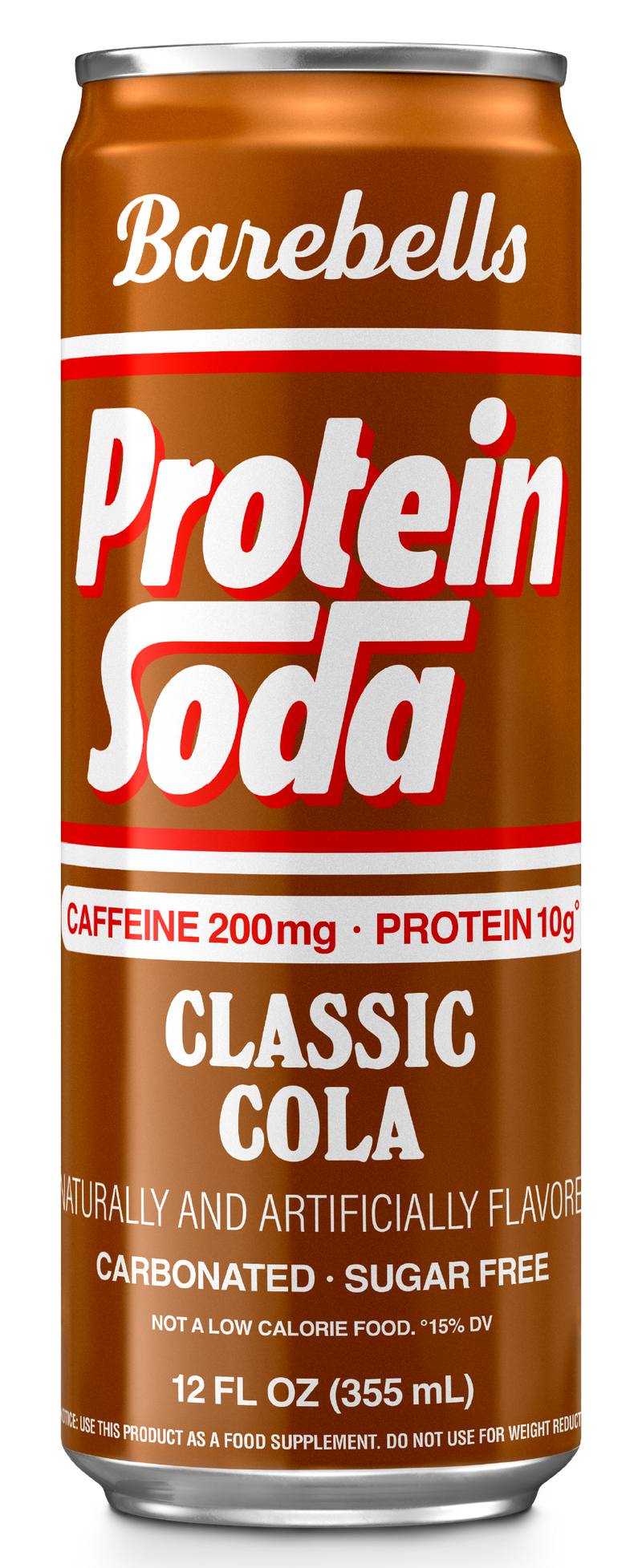 10g protein
Protein Soda Classic Cola
Amazon returns policy · secure checkout
The Quick Verdict
- Most protein per ounce: Protein shots — 15 to 18g per fluid ounce vs. roughly 2 to 3g per ounce for a shake.
- Most total protein per serving: Shakes — up to 32g (OWYN Pro Elite) or 42g (Fairlife Core Power Elite) vs. a shot’s 15 to 18g cap.
- Cheapest per gram of protein: Kirkland Signature shake at Costco — about $0.043 to $0.048 per gram, cheaper than any shot.
- Cheapest shot: Proteinex Core Liquid Protein at about $0.07 per gram — competitive with mid-tier shakes, because you pour your own serving from a 30oz bottle instead of buying single packets.
- Complete protein without fortification: Shakes — dairy (whey/casein/milk protein) and OWYN’s pea-plus-pumpkin-seed blend are naturally complete. Every shot on the market is collagen-based and needs added amino acids to qualify.
- Least sugar: Roughly tied — every shot here is 0g sugar, and OWYN Pro Elite and Fairlife Core Power Elite’s chocolate flavor both land near 0–1g depending on flavor.
- Best for a restricted stomach or on-the-go convenience: Shots — 1 to 3 ounces, no refrigeration required, gone in a few swallows.
Every Protein Shot, Verified (2026)
All figures are per serving as listed on each brand’s current label or retail listing, cross-checked in our full protein shots ranking.
| Shot | Protein | Serving | Calories | Sugar | Protein source | Price | $/g protein |
|---|---|---|---|---|---|---|---|
| Proteinex Core Liquid Protein | 18g | 1 fl oz (30oz bottle) | 72 | 0g | Hydrolyzed collagen, fortified complete | $34.99/30oz (~$1.17/serving) | ~$0.07 |
| ProT Gold Liquid Collagen Shot | 17g | 1 fl oz | — | 0g | Hydrolyzed collagen, fortified complete | ~$48/24-pack (~$2.00/shot) | ~$0.12 |
| Frog Fuel Power Protein | 15g | 1 fl oz | — | 0g | Hydrolyzed collagen, fortified complete (22 aminos) | $46/24-pack (~$1.92/shot) | ~$0.13 |
| Frog Fuel Power Energized | 15g | 1 fl oz | — | 0g | Same as Power Protein + caffeine | — | — |
| Celebrate Protein Mini | 15g | 3 fl oz | 70 | 0g | Collagen + whey concentrate + calcium caseinate + L-tryptophan | $14.99/6-pack (~$2.50/shot) | ~$0.17 |
Every Protein Shake in This Comparison, Verified (2026)
All figures are per bottle for the standard flavor, cross-checked against our cheapest protein shakes ranking and each brand’s own nutrition-facts guide.
| Shake | Protein | Serving | Calories | Sugar | Protein source | Price | $/g protein |
|---|---|---|---|---|---|---|---|
| Kirkland Signature (Costco) | 30g | 11.5 fl oz | 160 | 1g | Ultra-filtered milk protein (Fairlife-made) | ~$23–$26/18-pack | $0.043–$0.048 |
| Premier Protein | 30g | 11.5 fl oz | 160 | 1g | Milk protein concentrate + calcium caseinate | $28–$32/12-pack | $0.078–$0.089 |
| Fairlife Nutrition Plan | 30g | 11.5 fl oz | 150 | 2g | Ultra-filtered milk protein | ~$32/12-pack | ~$0.089 |
| Muscle Milk Genuine | 26g | 11 fl oz | ~160 | <2g | Ultra-filtered milk protein | $30–$36/12-pack | $0.096–$0.115 |
| OWYN Pro Elite | 32g | 11.15 fl oz | 200 | 0g | Pea protein + organic pumpkin seed protein (vegan) | ~$40/12-pack | ~$0.104 |
| Fairlife Core Power | 26g | 14 fl oz | 170 | 5g | Ultra-filtered milk protein | $42–$51/12-pack | $0.135–$0.163 |
One outlier worth flagging: Fairlife also sells a Core Power Elite line at 42g of protein for 230 calories in the same 14oz bottle — the single highest-protein RTD shake we’ve verified — more than double the protein of any single shot on this list. We could not verify a clean per-gram price for Elite, so it is left out of the price comparison above; see our Fairlife Core Power nutrition guide for the full line breakdown.
Protein Concentration: Why a Shot Fits in Your Pocket
Ounce for ounce, a shot delivers far more protein than a shake — that is the entire reason the category exists. Proteinex packs 18g into a single ounce (18g/oz); the leanest shake here, Fairlife Core Power, needs almost 8oz to deliver the same amount (1.86g/oz). Even the most protein-dense shake, OWYN Pro Elite at 2.87g/oz, is still roughly 6 times less concentrated than the average shot. That gap is entirely a formulation choice: collagen stays thin and pourable at extreme concentrations, while whey, casein, and pea protein thicken and turn chalky well before they can match it. A shake has to spread its protein across more volume because its protein sources simply cannot dissolve that densely without becoming undrinkable.
The practical upshot: if the constraint is volume — a healing stomach after surgery, a shrinking appetite, a packet that has to survive a gym bag or a TSA bin — a shot wins on format alone, regardless of price. If the constraint is protein per dollar or total grams per serving, a shake wins almost every time.
Protein Quality: Complete Dairy and Pea vs. Fortified Collagen
This is the trade-off the price tags don’t show. Every shake in this comparison uses a naturally complete protein — ultra-filtered milk protein (Kirkland, Fairlife, Muscle Milk), a milk protein concentrate and caseinate blend (Premier), or a pea-plus-pumpkin-seed blend (OWYN) — meaning it already contains all nine essential amino acids, including tryptophan and enough leucine to meaningfully drive muscle protein synthesis.
Every shot in this comparison, by contrast, is built on hydrolyzed collagen, which is not a complete protein on its own: it has no tryptophan and very little leucine. Every brand ranked in our protein shots guide fixes this by fortifying the shot with the missing amino acids (Celebrate goes further and blends in real whey and casein), which is what makes the "complete protein" claim on the label legitimate. But even a properly fortified collagen shot still delivers less leucine per gram than a dairy-based shake, so it complements a complete-protein diet rather than replacing one. If your goal is maximum muscle-protein synthesis per gram and you can comfortably drink 11+ ounces, a shake does more work; if the goal is closing a protein gap in the smallest possible volume, a well-fortified shot still counts.
Cost Per Gram of Protein: Format Matters Less Than Brand
The instinct is "shakes are always cheaper per gram" — and on average they are, but the overlap is bigger than most comparisons admit. Kirkland Signature ($0.043–$0.048/g) and Premier Protein ($0.078–$0.089/g) both undercut every shot here. But Proteinex Core, a shot, matches or beats several shakes at about $0.07 per gram — cheaper than Muscle Milk, OWYN, and Fairlife Core Power. And Fairlife Core Power, a shake, is actually the single most expensive option per gram of protein in this whole comparison at $0.135–$0.163, pricier than two of the five shots. The honest rule: bulk single-serve packets (any brand, either format) cost more per gram than a large pour-your-own bottle, because you are paying for individual packaging and portability, not for the protein itself. If price per gram is the only thing that matters, compare specific products — not formats. For the absolute cheapest protein available, powder still wins by a wide margin; see our cheapest protein powder ranking.
Which One Should You Buy?
- Choose a protein shake if: you want the most total protein per serving, the lowest cost per gram, or a genuinely filling snack — 11 to 14oz with 26 to 32g of complete protein works as a light meal replacement in a way a 1oz shot cannot. Start with Kirkland Signature (Costco) or Premier Protein for the best value; see our best RTD shakes guide for the full field.
- Choose a protein shot if: volume is the actual constraint — a restricted post-surgical diet, a shrinking appetite, a bag that has no room for an 11oz bottle, or you simply cannot finish a full shake and end up wasting half of it. ProT Gold or Proteinex Core are the strongest all-around picks; see our full protein shots ranking for the rest.
- Use both if: a shake as your primary daily protein source and a shot as a backup for days when a full bottle isn’t practical — gym bag, flight, or a busy shift — is a reasonable way to combine the strengths of each format.
Who Should Skip Both
Neither format is the best tool for everyone. If you are simply trying to hit a daily protein target on a budget and don’t need a ready-to-drink format, a scoop of whey or plant protein powder mixed with water or milk delivers more protein per dollar than either a shot or a shake — see our cheapest protein powder ranking. If you want something you can actually chew, a protein bar adds fiber and satiety that neither liquid format provides. And if you are avoiding dairy and also want to skip fortified collagen, OWYN Pro Elite is the one product across both tables here that is both vegan and free of animal collagen.
Frequently Asked Questions
Is a protein shot as good as a protein shake?
Not gram for gram. A fortified protein shot is a legitimate complete protein, but it still delivers less leucine per gram than a dairy-based shake, so it is better used to complement a complete-protein diet than to replace one. Where a shot wins is format: 1 to 3 ounces versus 11 to 14, with no refrigeration required.
Which is cheaper, a protein shot or a protein shake?
On average, shakes are cheaper per gram of protein — Kirkland Signature at Costco runs about $0.043 to $0.048 per gram versus $0.07 to $0.17 for a shot. But the cheapest shot (Proteinex Core, about $0.07 per gram) actually beats several mid-tier shakes, including Muscle Milk and Fairlife Core Power. Compare specific products rather than assuming the format decides the price.
How much protein is in a protein shot compared to a protein shake?
A protein shot delivers 15 to 18g of protein in 1 to 3 fluid ounces. A protein shake delivers 26 to 32g (up to 42g for Fairlife Core Power Elite) across 11 to 14 fluid ounces. Per ounce, a shot is roughly 6 to 10 times more protein-dense than a shake.
Can a protein shot replace a protein shake?
For total protein and calories, no — the largest shot here caps out at 18g versus a shake’s 26 to 32g. For situations where volume is the limiting factor (a restricted stomach, travel, no refrigeration), a shot is a practical stand-in, but it should not be treated as nutritionally interchangeable with a full shake.
Are protein shots or protein shakes better for weight loss?
Shots have an excellent protein-per-calorie ratio (15 to 18g for 60 to 72 calories), but their tiny volume and lack of fiber do little for satiety. A shake, especially a lower-calorie one like Fairlife Nutrition Plan (30g protein, 150 calories), is more likely to actually curb hunger because there is more of it to drink. See our best high-protein snacks for weight loss guide for the full picture.
Do protein shots and protein shakes use the same sweeteners?
Mostly not comparable label to label, but neither format relies on added sugar for taste in the products compared here — every shot is 0g sugar and most shakes land at 0 to 2g of total sugar, typically using sucralose, acesulfame potassium, or stevia. Check the specific product’s label, since formulations vary by flavor.
Bottom line: a protein shot and a protein shake are not competing for the same job. A shot wins on concentration — up to 18g of protein in a single ounce, no refrigeration, gone in a few seconds — which makes it the right tool when volume or portability is the real constraint. A shake wins on total protein, cost per gram, and protein quality, since every shake here uses a naturally complete protein where every shot needs fortification to get there. For most people building a daily protein habit, a shake like Kirkland Signature or Premier Protein is the better value; keep a shot in the bag for the days a full bottle isn’t practical. Compare every option in our best RTD protein shakes and best protein shots guides, or browse the full protein snacks directory.
Shop our top protein drink picks
Editor-selected high-protein options related to this guide. As an Amazon Associate we may earn from qualifying purchases.
30g protein16g proteinOrganic Nutrition Shake - Creamy Chocolate Fudge
Amazon returns policy · secure checkout
10g proteinProtein Soda Classic Cola
Amazon returns policy · secure checkout
Tags
High Protein Snacks Pro Editorial Team
Independently researched and editorially reviewed. We compare real nutrition labels and never accept payment for coverage.
Get the best new protein snacks in your inbox
Weekly picks and honest reviews — no spam, unsubscribe anytime.
More from the journal
Premier Protein vs Fairlife Nutrition Plan (2026): 30g Protein Shake Head-to-Head
Both Premier Protein and Fairlife Nutrition Plan deliver 30g of protein per 11.5 fl oz bottle at 0g of added sugar. Premier costs roughly $1.50–1.80 per bottle and is shelf-stable; Fairlife runs $2.25–2.75, needs refrigeration, has 10 fewer calories (150 vs 160), 60% DV calcium vs ~30%, and sources protein from ultra-filtered milk instead of isolates. Buy Premier for budget and convenience; buy Fairlife for protein source quality, calcium, and taste.
Read more
Oikos Protein Shake vs Premier Protein (2026): Same 30g Protein — Which Shake Wins on Sweeteners, Fiber and Price?
The Oikos Protein Shake and Premier Protein tie on the headline numbers: 30g of protein and 1g of sugar in every flavor. Oikos is sweetened with stevia only and adds 5g to 6g of prebiotic fiber with no soy. Premier is 10 to 20 calories lighter, lower in saturated fat, fortified with 24 vitamins and minerals, and a few cents cheaper per shake in 4-packs. Every flavor compared on each brand’s own September 2026 labels.
Read more
Protein Bar vs Protein Shake (2026): Which Wins for Muscle, Fullness, and Cost
We pulled the Nutrition Facts panel for three best-selling protein bars and three best-selling ready-to-drink protein shakes straight from each brand's own product page, then did the arithmetic. Shakes carry more protein per calorie (17.7g per 100 calories on average versus 13.2g for the bars). Bars carry the fiber and the chewing, which is what actually keeps you full. Cost per gram of protein is a near-tie at roughly $0.12 to $0.13 either way.
Read more