Gatorade Protein Shake Nutrition Facts (2026): Recover vs Super Shake — 20g vs 30g Protein Compared
Gatorade makes two protein shakes with very different goals: the Recover Protein Shake delivers 20g of protein at 270–280 calories for post-workout recovery, while the Super Shake delivers 30g at 180–190 calories — more protein, fewer calories, and 60% of your daily calcium. Verified 2026 nutrition facts for both lines, all flavors, and a head-to-head against Premier Protein and Fairlife.
Our top high-protein picks
Editor-selected and ready to buy. As an Amazon Associate we may earn from qualifying purchases.
Shopping for Gatorade? Whey Protein Bar - Chocolate Chip
 30g protein
 16g protein
Organic Nutrition Shake - Creamy Chocolate Fudge
Amazon returns policy · secure checkout
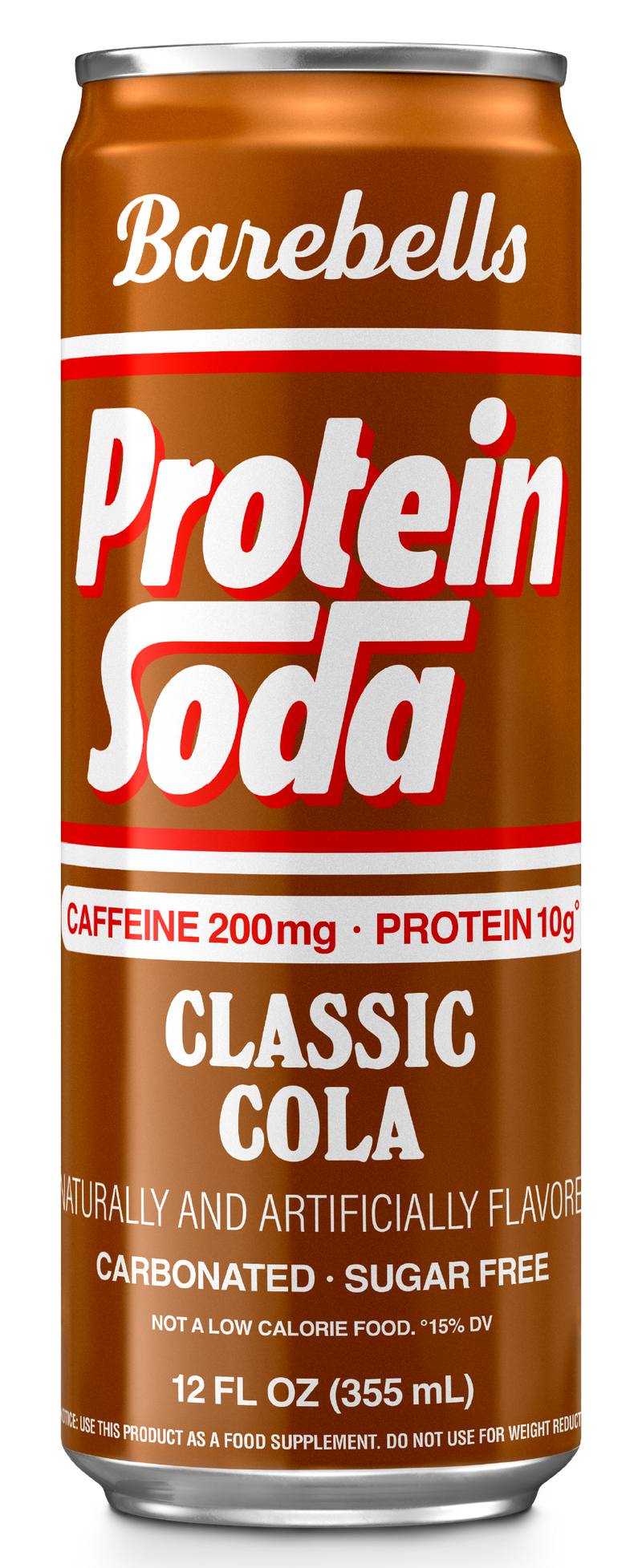 10g protein
Protein Soda Classic Cola
Amazon returns policy · secure checkout
Gatorade has been the dominant sports drink brand for decades, but its protein shakes are less well-known than its electrolyte products — and meaningfully different from each other. The two lines target different moments in the training window: the Recover Protein Shake adds carbohydrates to the protein to support glycogen replenishment after a hard session; the Super Shake strips the carbs and cranks the protein to 30g for a leaner, higher-protein option that works any time of day. Below are the verified 2026 nutrition facts for both lines across all flavors, plus a straightforward head-to-head against Premier Protein and Fairlife — the two benchmarks you probably already know. For the full ready-to-drink protein market, see our best RTD protein shakes 2026 guide and the protein snacks directory.
Nutrition figures verified against Gatorade’s published product pages and independent retailer nutrition panels, September 2026. Affiliate links — if you buy through them we earn a small commission at no extra cost to you.
Gatorade Recover Protein Shake: Nutrition Facts (All Flavors)
All figures are per one 11.16 fl oz (330 mL) bottle. The Recover line is Gatorade’s post-workout formula — it pairs protein with a meaningful carbohydrate dose to help restore muscle glycogen depleted during training.
| Flavor | Calories | Protein | Carbs | Fat | Sodium | Protein source |
|---|---|---|---|---|---|---|
| Chocolate | 270 | 20g | 45g | 1g | 320mg | Milk protein concentrate, whey protein concentrate |
| Vanilla | 280 | 20g | 46g | 1g | 340mg | Milk protein concentrate, whey protein concentrate |
The Recover Shake’s high carbohydrate content (45–46g) is intentional. Research consistently shows that consuming 3–4 parts carbohydrate to 1 part protein in the first 30–60 minutes after prolonged training accelerates glycogen resynthesis compared to protein alone. At 20g of protein and ~45g of carbs, this shake is close to the 3:1 carb-to-protein ratio used in most post-exercise recovery studies. That carbohydrate load also explains the higher calorie count (270–280 vs. 180–190 for the Super Shake) — it is not a fat loss product; it is a performance recovery product.
Gatorade Recover Protein Shake
20g protein · 270–280 cal · 45g carbs · 1g fat · 11.16 fl oz
Check price on Amazon →Gatorade Super Shake: Nutrition Facts (All Flavors)
All figures are per one 11.16 fl oz (330 mL) bottle. The Super Shake is Gatorade’s leaner, higher-protein formula — 30g of protein at under 200 calories makes it competitive with Premier Protein and Fairlife Nutrition Plan.
| Flavor | Calories | Protein | Carbs | Fat | Sodium | Calcium | Vitamin D |
|---|---|---|---|---|---|---|---|
| Chocolate | 190 | 30g | 12g | 1g (1g sat) | 320mg | 860mg (60% DV) | 5.8mcg (30% DV) |
| Vanilla | 180 | 30g | 13g | 1g | 320mg | 860mg (60% DV) | 5.8mcg (30% DV) |
The Super Shake’s protein-to-calorie ratio (30g protein / ~185 cal average) is strong — roughly 16.2g of protein per 100 calories, which is better than Premier Protein’s 18.75g per 100 cal position and comparable to Fairlife Nutrition Plan’s 20g protein / 150 cal (13.3g per 100 cal). The standout micronutrient is calcium: 860mg (60% DV) per bottle, which is nearly double the 350–400mg you get from a Premier Protein or Fairlife shake. Vitamin D at 5.8mcg (30% DV) per bottle also supports calcium absorption. For active people or anyone who doesn’t eat much dairy, the Super Shake functions as both a protein source and a meaningful calcium supplement in one bottle.
Gatorade Protein Shake vs. Premier Protein vs. Fairlife
The three most widely distributed ready-to-drink protein shakes in US grocery stores are Premier Protein, Fairlife Nutrition Plan, and Gatorade Super Shake. Here is a direct comparison on protein, calories, and cost:
| Gatorade Super Shake (Chocolate) | Premier Protein (Chocolate) | Fairlife Nutrition Plan (Chocolate) | |
|---|---|---|---|
| Serving | 11.16 fl oz | 11.5 fl oz | 11.5 fl oz |
| Calories | 190 | 160 | 150 |
| Protein | 30g | 30g | 30g |
| Carbs | 12g | 5g | 6g |
| Sugar | 10g added | 1g | 2g |
| Fat | 1g | 3g | 2.5g |
| Sodium | 320mg | 390mg | 240mg |
| Calcium | 860mg (60% DV) | ~500mg (35% DV) | ~500mg (35% DV) |
| Protein source | Milk protein isolate, whey protein concentrate | Milk protein concentrate, calcium caseinate | Ultra-filtered milk protein |
| Sweetener | Added sugar (10g), acesulfame K | Sucralose, acesulfame K | Sucralose, acesulfame K |
| Typical price (12-pack) | ~$29–$35 | $28–$32 | ~$32 |
All three deliver 30g of protein per bottle at a comparable price point. The differences are meaningful on a few dimensions. Premier Protein and Fairlife use artificial sweeteners (sucralose and acesulfame potassium) with almost no sugar; the Gatorade Super Shake uses added cane sugar (10g) plus acesulfame potassium — so it has a noticeably sweeter taste and more carbs. The Gatorade shake’s calcium advantage (60% DV vs. ~35% DV for the others) is real and worth noting for anyone tracking bone density or trying to hit dairy intake goals without eating cheese or yogurt. On a pure calorie-efficiency basis, Fairlife at 150 calories per 30g of protein wins; on calcium density, Gatorade wins by a significant margin.
Protein Source: Milk Protein Isolate + Whey Protein Concentrate
Both Gatorade protein shake lines use a blend of milk protein isolate and whey protein concentrate. Milk protein isolate is a filtered dairy protein containing roughly 80% casein and 20% whey in its natural ratio — it digests slowly and provides a sustained release of amino acids. Whey protein concentrate digests faster and is rich in leucine, the amino acid most directly linked to triggering muscle protein synthesis. Together, the blend delivers the anabolic signal of fast-digesting whey with the sustained amino acid supply of slow-digesting casein — a formulation approach also used by Premier Protein.
The Recover Shake’s label lists milk protein concentrate (a slightly less filtered form than isolate); the Super Shake uses milk protein isolate. The practical difference in this context is minor: both are complete dairy proteins with the full essential amino acid profile including leucine.
Gatorade Recover vs. Super Shake: Which One Should You Buy?
- Choose Gatorade Recover Protein Shake if: you train hard for 60–90+ minutes and want to speed glycogen recovery in the immediate post-workout window. The 45g of carbs + 20g of protein is specifically designed for this. This is NOT an everyday protein shake — the calorie count (270–280) and carb load (45g) are too high for a casual snack or a weight loss context.
- Choose Gatorade Super Shake if: you want a high-protein, lower-calorie daily shake and care about calcium intake. At 30g protein and 180–190 calories, it competes directly with Premier Protein and Fairlife. The higher calcium content (60% DV) is its clearest differentiator. If you avoid artificial sweeteners, note that it uses added cane sugar rather than sucralose, which some people prefer for taste.
- Choose Premier Protein or Fairlife instead if: you want the lowest possible sugar (Premier: 1g, Fairlife: 2g vs. Gatorade’s 10g added sugar) or the lowest possible calories per gram of protein. Fairlife Nutrition Plan at 150 calories / 30g is the leanest option across all three brands. See our best RTD protein shakes guide for the full comparison.
Where to Buy Gatorade Protein Shakes
Gatorade Super Shake is available at Target, Walmart, Kroger, and most major grocery chains, and can be ordered in 12-packs online. Gatorade Recover Protein Shake is more common at sporting goods retailers and specialty sports nutrition shops; availability at standard grocery stores varies by region. On Amazon, both lines are available in 12-pack cases. Pricing typically runs $29–$35 per 12-pack ($2.42–$2.92 per bottle) for the Super Shake. Subscribe & Save can trim that by 5–15%.
Frequently Asked Questions
How much protein is in a Gatorade protein shake?
It depends on the line. The Gatorade Recover Protein Shake contains 20g of protein per 11.16 fl oz bottle. The Gatorade Super Shake contains 30g of protein per 11.16 fl oz bottle. Both use milk protein isolate and whey protein concentrate as the protein source.
Is Gatorade Super Shake the same as a Premier Protein shake?
They deliver the same amount of protein (30g per bottle) and are priced similarly, but the formulations differ. Gatorade Super Shake has more calories (190 vs. 160), more carbs (12g vs. 5g), significantly more calcium (60% DV vs. ~35% DV), and uses added sugar as part of its sweetener profile, while Premier Protein uses sucralose and acesulfame potassium with almost no sugar. On taste, Gatorade Super Shake is noticeably sweeter from the cane sugar. On nutrition, Premier Protein is leaner; Gatorade Super Shake is higher in calcium.
Is the Gatorade Recover Shake good for building muscle?
The Recover Shake is optimized for post-workout recovery, not for maximizing muscle-building stimulus per se. Its 20g of protein is below the 30–40g research suggests as optimal for maximally stimulating muscle protein synthesis in a single dose. The high carbohydrate content (45g) is excellent for glycogen replenishment after endurance training but is not needed for muscle protein synthesis. For muscle-building as the primary goal, the Gatorade Super Shake’s 30g of protein at fewer calories is a better choice — or consider a whey shake with 40g+ per scoop.
Does Gatorade protein shake have artificial sweeteners?
The Gatorade Super Shake uses both added cane sugar (10g) and acesulfame potassium, a non-caloric sweetener, for flavor. The Recover Protein Shake also uses acesulfame potassium. Neither line uses sucralose. If avoiding all non-caloric sweeteners, neither shake is a clean option — Premier Protein and Fairlife also use sucralose and/or acesulfame K, so this is common across the category.
Are Gatorade protein shakes lactose-free?
Gatorade does not market its protein shakes as lactose-free. Both lines use dairy-derived protein (milk protein isolate and whey protein concentrate). People with lactose intolerance may tolerate them, since the protein filtration process removes most lactose, but this is not guaranteed. People with milk allergies should avoid both lines.
Bottom line: Gatorade makes two meaningfully different protein shakes that serve different goals. The Recover Protein Shake (20g protein, 45g carbs, 270–280 cal) is a post-workout recovery drink built around the 3:1 carb-to-protein ratio that speeds glycogen replenishment after endurance training — it is not a daily protein shake. The Super Shake (30g protein, 12g carbs, 180–190 cal, 60% DV calcium) competes directly with Premier Protein and Fairlife Nutrition Plan and wins on calcium content; it loses slightly on added sugar (10g vs. 1–2g). For everyday protein needs, the Super Shake is the better pick; for post-workout recovery with high training volume, the Recover Shake fills a real gap. Compare the full ready-to-drink protein landscape in our best RTD protein shakes 2026 guide or browse the protein snacks directory.
Shop our top high-protein picks
Editor-selected high-protein options related to this guide. As an Amazon Associate we may earn from qualifying purchases.
Shopping for Gatorade? Whey Protein Bar - Chocolate Chip
30g protein16g proteinOrganic Nutrition Shake - Creamy Chocolate Fudge
Amazon returns policy · secure checkout
10g proteinProtein Soda Classic Cola
Amazon returns policy · secure checkout
Tags
High Protein Snacks Pro Editorial Team
Independently researched and editorially reviewed. We compare real nutrition labels and never accept payment for coverage.
Get the best new protein snacks in your inbox
Weekly picks and honest reviews — no spam, unsubscribe anytime.
More from the journal
Protein Shots vs Protein Shakes (2026): 18g in 1oz vs 32g in 12oz — Which Is Actually Worth It?
A protein shot packs up to 18g of protein into a single fluid ounce; a protein shake delivers up to 32g across 11–14 fl oz, usually for less money per gram. Verified 2026 label and pricing data for 5 leading protein shots and 6 leading RTD shakes — protein concentration, cost per gram, and complete vs. incomplete protein — to settle which format actually fits your goal.
Read more
Ensure Max Protein Nutrition Facts (2026): 30g Protein, 150 Calories — Full Label Review
Ensure Max Protein shake (11 fl oz) delivers 30g of complete dairy protein at 150 calories, 1g of sugar, and 4g of fiber. Sweetened with sucralose and acesulfame potassium. Here is the complete 2026 nutrition label, ingredient breakdown, and honest comparison with Premier Protein and Fairlife Core Power.
Read more
Premier Protein vs Fairlife Nutrition Plan (2026): 30g Protein Shake Head-to-Head
Both Premier Protein and Fairlife Nutrition Plan deliver 30g of protein per 11.5 fl oz bottle at 0g of added sugar. Premier costs roughly $1.50–1.80 per bottle and is shelf-stable; Fairlife runs $2.25–2.75, needs refrigeration, has 10 fewer calories (150 vs 160), 60% DV calcium vs ~30%, and sources protein from ultra-filtered milk instead of isolates. Buy Premier for budget and convenience; buy Fairlife for protein source quality, calcium, and taste.
Read more