Best Pork Rinds for Protein: Are They Actually a Good Snack?
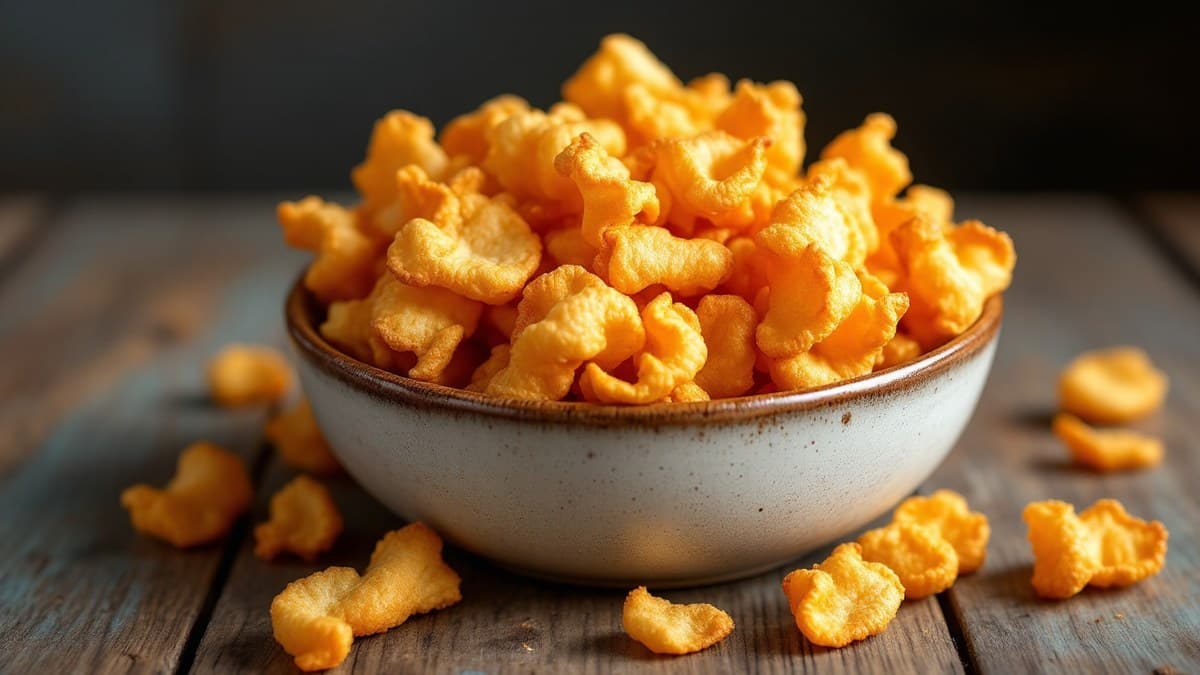
Pork rinds have zero carbs and about 17g of protein per ounce — but most of it is collagen, an incomplete protein. Here is what that means and how to use them right.
The short answer
Our top high-protein picks
Editor-selected and ready to buy. As an Amazon Associate we may earn from qualifying purchases.
 12g protein
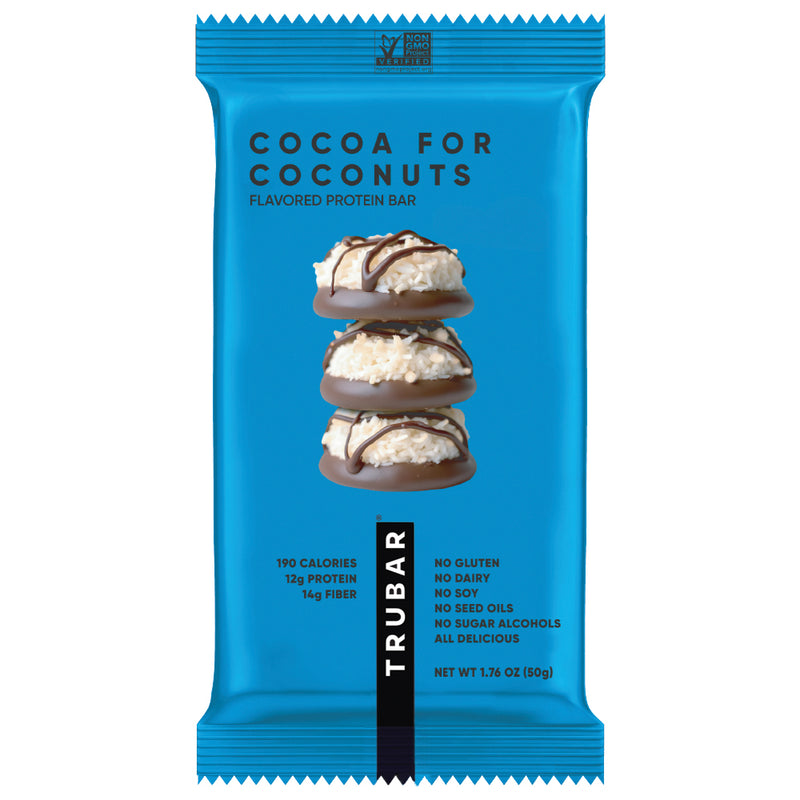
Cocoa for Coconuts TRUBAR Nutrition and Protein Bar
Amazon returns policy · secure checkout
 12g protein
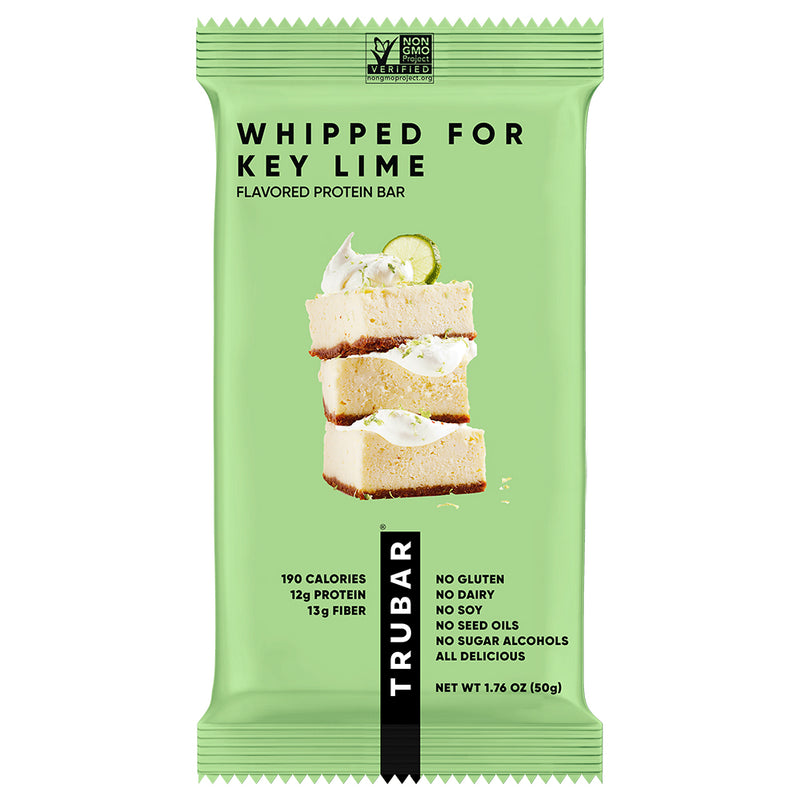
Whipped For Key Lime TRUBAR Nutrition and Protein Bar
Amazon returns policy · secure checkout
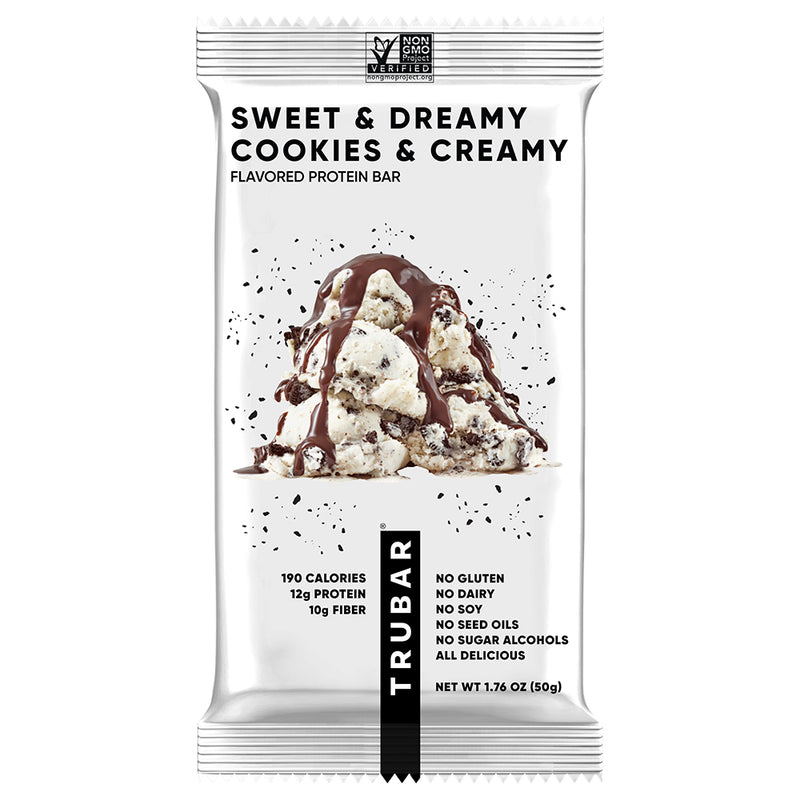 12g protein
Sweet & Dreamy, Cookies & Creamy
Amazon returns policy · secure checkout
What the Labels Actually Say
| Product | Serving | Protein | Calories | Fat | Carbs |
|---|---|---|---|---|---|
| Fried pork rinds (USDA generic) | 1 oz | ~17g | ~150 | ~8g | 0g |
| Typical mainstream bag label | 0.5 oz | 7–8g | ~80 | ~5g | 0g |
| Epic Baked Pork Rinds (our catalog's label read) | 0.5 oz | 11g | 70 | 2.5g | — |
USDA generic values plus the label read from our own product catalog; branded labels vary. One correction worth flagging: an earlier version of this guide listed Epic Baked at 130 calories per ounce — the current label reads 70 calories per half-ounce serving with 2.5g of fat, which is what baking instead of frying actually buys you.
The Catch: Rind Protein Is Mostly Collagen
The protein in pork skin is predominantly collagen, and collagen is what nutrition science calls an incomplete protein: it contains essentially no tryptophan and is low in methionine, two amino acids the body cannot make on its own. It is also low in leucine — the specific amino acid that triggers muscle building — compared with dairy, egg, or meat protein. Practically, that means the impressive gram count on a bag of pork rinds does less muscle-building work than the same grams from jerky, Greek yogurt, or a shake. None of this makes pork rinds a bad snack; it makes them the wrong snack to count as your protein anchor. Our beef jerky guide covers complete-protein snacking if that is the goal.
Baked vs. Fried Pork Rinds
Traditional pork rinds are fried in their own rendered fat, which is where most of the ~8g of fat per ounce comes from. Baked versions skip that bath: in our catalog's label read, Epic's baked rinds carry 2.5g of fat per half-ounce against the ~5g typical of fried labels — roughly half the fat, and because fat leaves, protein's share of every gram goes up (11g of protein in a 14g serving). If rinds are a regular snack for you, baked is the leaner repeatable choice; fried wins on the traditional puffy texture.
Pairings That Fix the Protein Gap
The easiest way to use pork rinds well is to treat them as the crunchy vehicle and put a complete protein alongside. Using standard USDA figures:
- Pork rinds + string cheese: a half-ounce of rinds plus one part-skim mozzarella stick adds up to roughly 14–15g of protein for around 150 calories, and the cheese supplies the amino acids the rinds lack.
- Pork rinds + cottage cheese dip: plain rinds dipped in half a cup of low-fat cottage cheese (about 14g of protein on its own) make a genuinely high-protein snack — our cottage cheese snack guide has the full breakdown.
- Pork rinds + a hard-boiled egg: the zero-effort version — one large egg adds 6g of complete protein for 72 calories. Our hard-boiled egg snack guide has more combinations.
What to Watch For
Sodium. Pork rinds are a salted snack; seasoned varieties commonly run several hundred milligrams per small serving, so if blood pressure is a concern, read the label before assuming the serving size is the whole bag. Portion creep. A half-ounce serving is roughly a small handful — bags are sold in multiples of that, and it is very easy to eat three servings mindlessly. The keto halo. Zero carbs does not mean zero calories; fried rinds run about 150 calories per ounce, mostly from fat. On a strict keto plan that fat is the point — see our low-carb protein snacks guide — but for everyone else, rinds are a chip alternative, not a free food.
Frequently Asked Questions
Are pork rinds a complete protein?
No. The protein in pork rinds is predominantly collagen, which lacks tryptophan and is low in other essential amino acids. The gram count on the label is real, but it is not equivalent to the same grams of meat, egg, or dairy protein for building muscle.
Are pork rinds keto friendly?
Yes — they are about the most keto-friendly crunchy snack that exists. Fried pork rinds carry 0g of carbohydrates using USDA figures, unlike cheese crisps with trace carbs or nut-based snacks with several grams per serving.
Baked or fried pork rinds — which is better?
For regular snacking, baked: our catalog's label read shows Epic Baked at 2.5g of fat per half-ounce versus roughly 5g for typical fried labels, with a higher protein count per gram. For occasional use, fried has the traditional texture many people prefer.
Can pork rinds count toward a daily protein target?
Count them at a discount. If you track 100g of protein a day, a serving labeled 8g is better treated as a few grams of partial credit — fine as part of a varied diet where other sources supply complete protein, but not the grams to build a plan around.
Bottom line: pork rinds are the rare crunchy snack with zero carbs and a genuinely high protein-per-ounce number — but that protein is mostly collagen, so treat rinds as the crunchy half of a snack and pair them with cheese, cottage cheese, or eggs. Compare more options in the protein snacks directory.
Shop our top high-protein picks
Editor-selected high-protein options related to this guide. As an Amazon Associate we may earn from qualifying purchases.
12g proteinCocoa for Coconuts TRUBAR Nutrition and Protein Bar
Amazon returns policy · secure checkout
12g proteinWhipped For Key Lime TRUBAR Nutrition and Protein Bar
Amazon returns policy · secure checkout
12g proteinSweet & Dreamy, Cookies & Creamy
Amazon returns policy · secure checkout
Tags
High Protein Snacks Pro Editorial Team
Independently researched and editorially reviewed. We compare real nutrition labels and never accept payment for coverage.
Get the best new protein snacks in your inbox
Weekly picks and honest reviews — no spam, unsubscribe anytime.
More from the journal
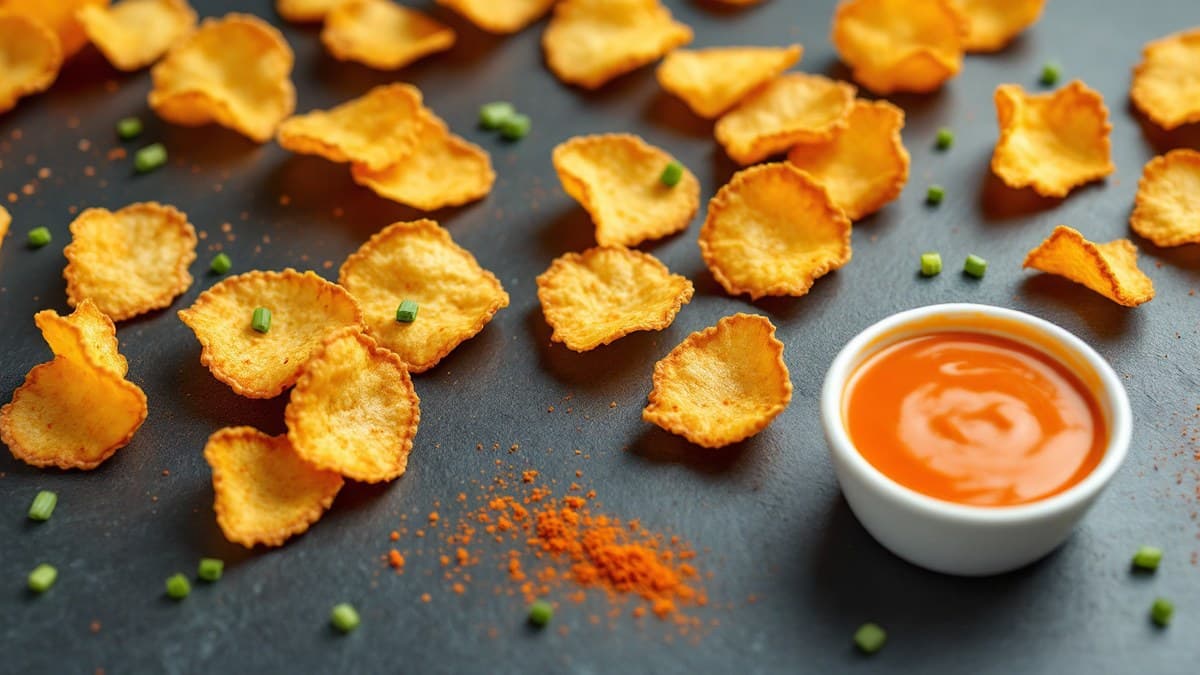
Wilde Protein Chips Nutrition Facts (2026): Every Flavor Ranked by Protein
Spicy Queso leads at 14g of protein per 1.34oz bag with 0g of sugar — the highest protein density in Wilde’s lineup. Every flavor verified: calories, fat, carbs, fiber, sugar, protein, and sodium per bag, plus how Wilde compares to Quest and PopCorners.
Read more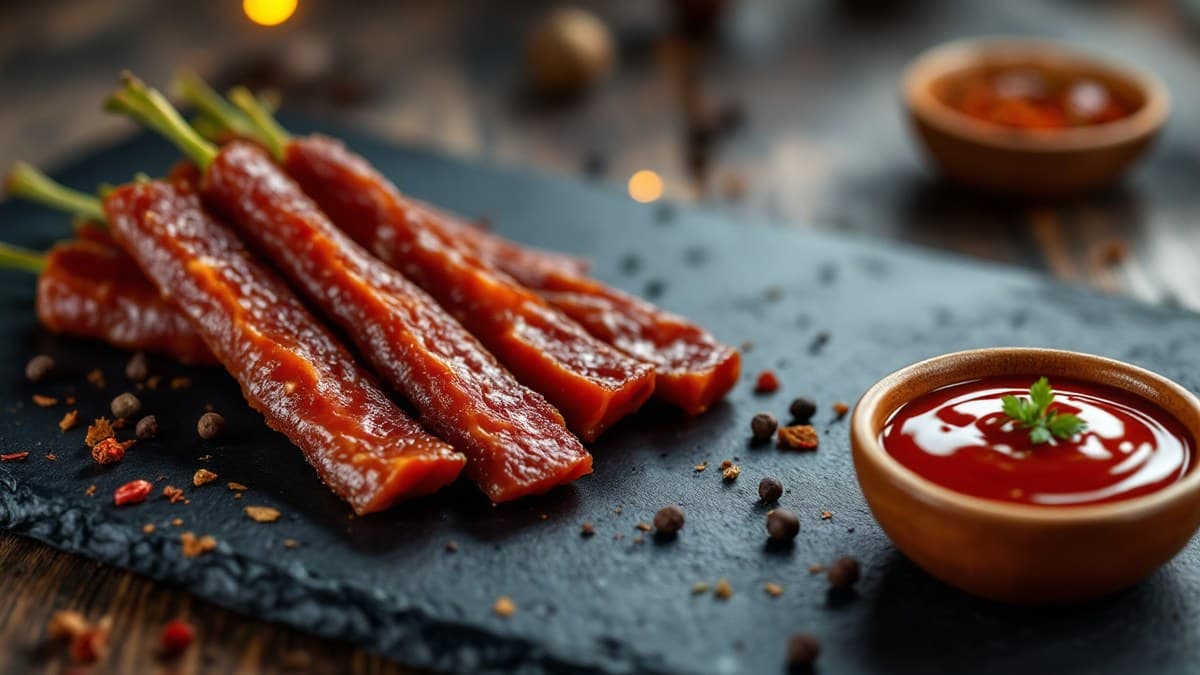
Slim Jim Nutrition Facts 2026: Giant, Monster & Snack Size — Calories, Protein, and Sodium per Stick
A Slim Jim Giant stick (0.97 oz) delivers 6g of protein and 130 calories with 460mg of sodium. The Monster size (1.94 oz) hits 11g of protein at 250 calories and 910mg of sodium — nearly 40% of the daily sodium limit in one stick. Verified 2026 nutrition facts for every Slim Jim size, plus an honest comparison with Jack Link’s beef jerky and Chomps on protein per calorie.
Read more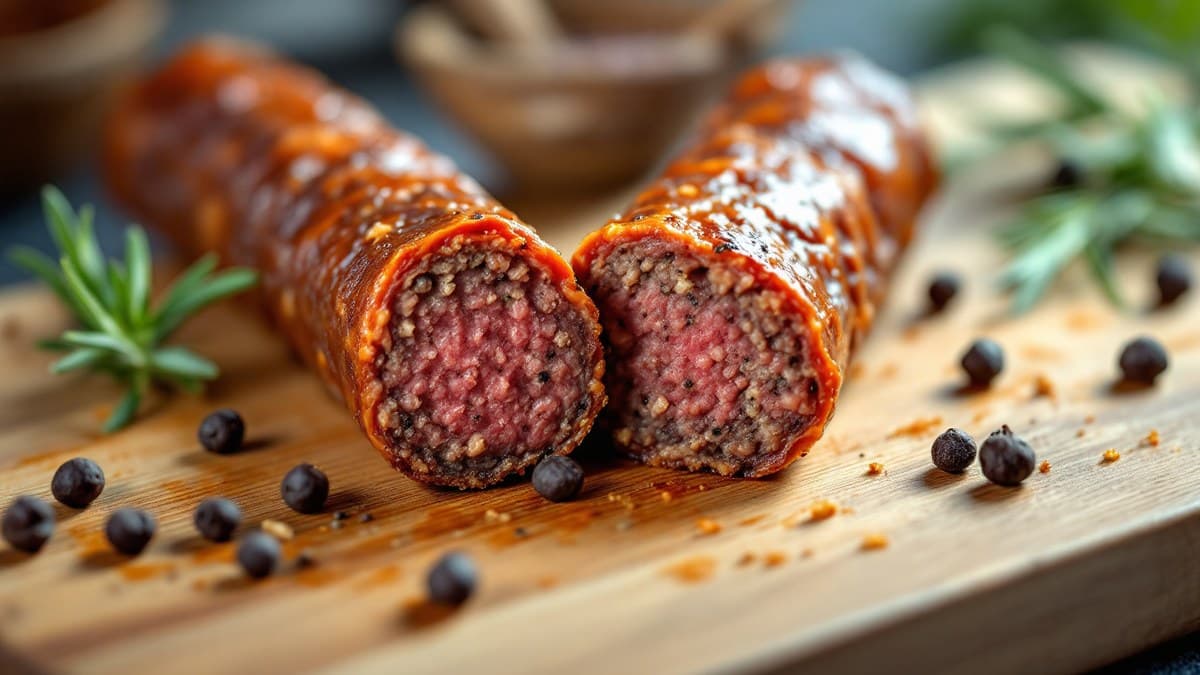
Country Archer vs Chomps (2026): Which Grass-Fed Meat Stick Actually Wins on Protein, Sodium, and Price?
Country Archer and Chomps are the two clean-label grass-fed meat sticks most people compare when they leave Slim Jim behind. Chomps delivers more protein per stick (10g beef / 12g turkey) at a larger 33g size, is Whole30 Approved and Certified Paleo, and reads cleanly on ingredients. Country Archer's stick is smaller (28g) and lighter (90 calories, 8g protein), and its flat jerky is one of the lowest-sodium options on the market (260mg/oz). Verified 2026 nutrition facts, head-to-head on protein density, sodium, sugar, price per stick, and certifications — plus which one to buy for keto, Whole30, kids' lunches, and budget.
Read more