Catalina Crunch Nutrition Facts (2026): 11g Protein and 0g Sugar Per Bowl Explained
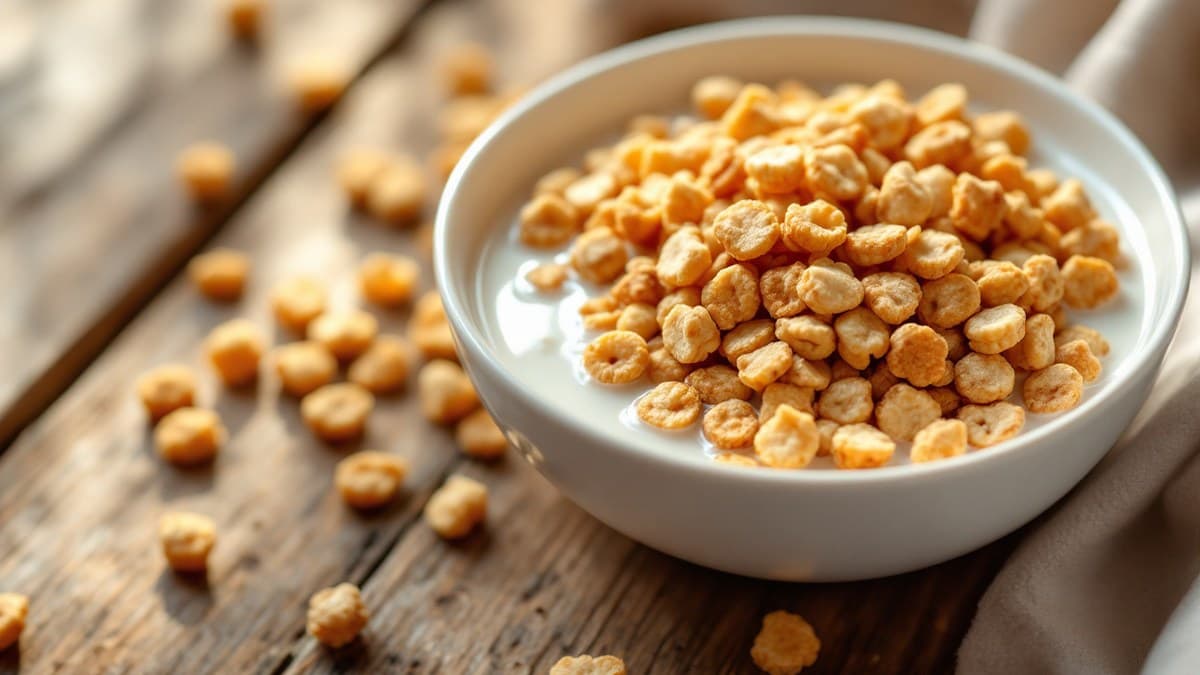
Catalina Crunch delivers 11g of plant-based protein, 9g of prebiotic fiber, and 0g of sugar in a single half-cup (36g) serving at 110 calories. Verified 2026 nutrition facts for all major flavors, a breakdown of the pea protein blend and monk fruit sweetener system, and a direct comparison with Magic Spoon and Kashi Go.
The short answer
Our top protein cereal picks
Editor-selected and ready to buy. As an Amazon Associate we may earn from qualifying purchases.
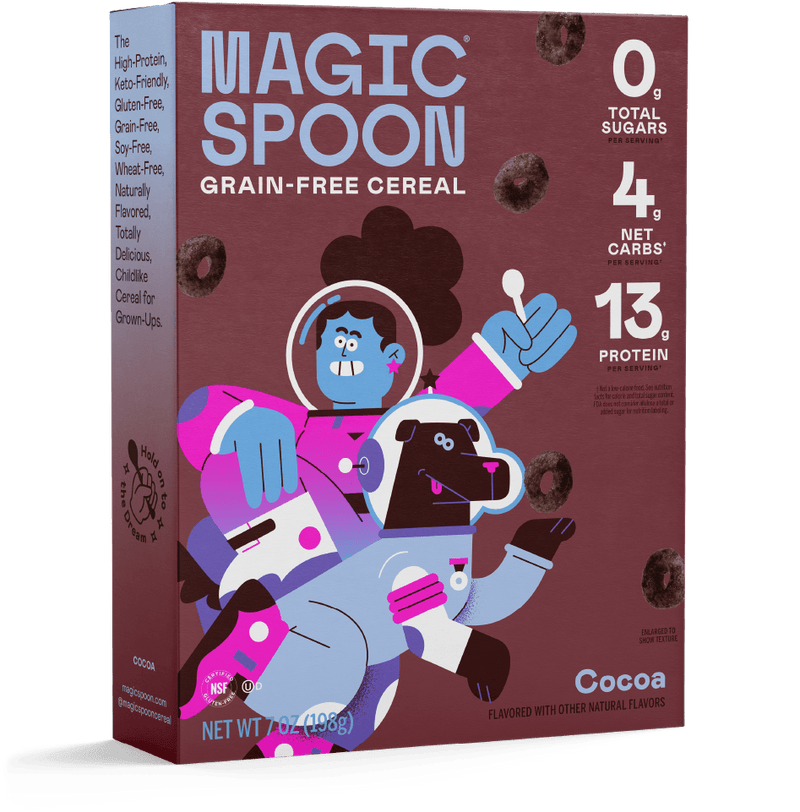 10g protein
 12g protein
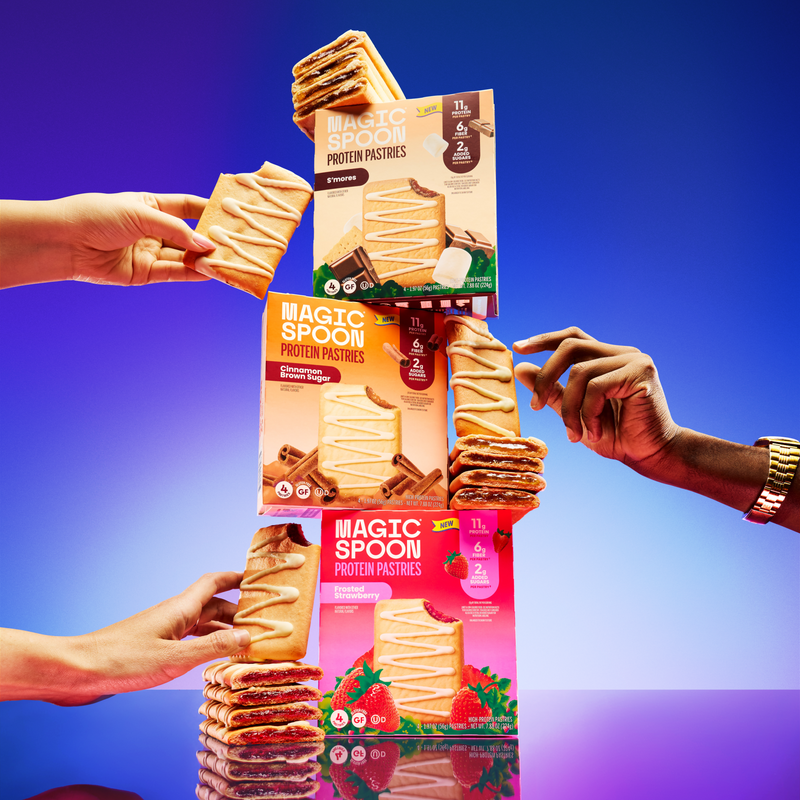 11g protein
Protein Pastries - 24 Pastries
Amazon returns policy · secure checkout
Catalina Crunch Nutrition Facts: All Major Flavors Compared
All figures are per one-half cup (36g) serving as printed on the Nutrition Facts panel. Flavors not listed share the same 110-calorie, 11g-protein baseline as Dark Chocolate — only those with confirmed differences are shown separately. Figures sourced from Catalina Crunch’s own product pages, Nutritionix, Eat This Much, and FatSecret, cross-checked across at least two sources per flavor.
| Flavor (36g / ½ cup) | Calories | Protein | Total Carbs | Fiber | Net Carbs | Sugar | Fat |
|---|---|---|---|---|---|---|---|
| Dark Chocolate | 110 | 11g | 14g | 9g | 5g | 0g | 6g |
| Cinnamon Toast | 110 | 11g | 14g | 9g | 5g | 0g | 5g |
| Fruity | 110 | 11g | 14g | 9g | 5g | 0g | 5g |
| Maple Waffle | 110 | 11g | 14g | 9g | 5g | 0g | 5g |
| Triple Berry Blast | 110 | 11g | 14g | 9g | 5g | 0g | 5g |
| Blueberry Muffin | 130 | 10g | 14g | 9g | 5g | 0g | 5g |
| Chocolate Peanut Butter | 140 | 11g | 14g | 6g | 8g | 0g | 8g |
The baseline cluster (Dark Chocolate, Cinnamon Toast, Fruity, Maple Waffle, Triple Berry Blast) is strikingly consistent: 110 calories, 11g protein, 5g net carbs, and 0g sugar. Two outliers: Blueberry Muffin drops one gram of protein (10g) and adds 20 calories versus the baseline, and Chocolate Peanut Butter adds peanut-sourced fat that pushes calories to 140 and cuts fiber to 6g (raising net carbs to 8g). For strict keto, every flavor except Chocolate Peanut Butter (8g net carbs) lands at just 5g net carbs per serving.
What’s in Catalina Crunch — The Ingredient Breakdown
The “Catalina Flour” base that gives every flavor its structure is a blend of plant-derived starches and fibers:
- Pea Protein: The primary protein source. Pea protein is plant-based and allergen-friendly (no soy, no dairy, no nuts in most flavors) but is an incomplete protein: it is low in methionine, one of the nine essential amino acids. This means the 11g per serving does not provide the same complete amino acid profile as whey, casein, egg, or even dairy-fortified cereals. For people getting adequate protein from other whole-food sources, this is a minor issue; for people using Catalina Crunch as their primary protein source in a meal, it is worth noting.
- Chicory Root Fiber (inulin): A soluble prebiotic fiber that feeds beneficial gut bacteria (Bifidobacterium, Lactobacillus). It forms most of the 9g fiber per serving in the standard flavors and has minimal glycemic impact — it does not spike blood sugar and is excluded from the net carb calculation for most low-carb tracking frameworks.
- Corn Fiber, Pea Fiber, Potato Fiber: Additional insoluble fiber sources that bulk the fiber count and contribute to the cereal’s crunch. None is a significant glycemic contributor.
- Tapioca Starch and Corn Starch: Small amounts used for binding and texture. They contribute to the total carbohydrate count but their quantity is modest relative to the fiber content.
Allergen note: the base flavors are free of the top 9 allergens (no dairy, no egg, no soy, no wheat/gluten, no peanuts, no tree nuts, no fish, no shellfish, no sesame). Chocolate Peanut Butter is the one exception — it contains peanuts and carries tree-nut cross-contact warnings.
Sweeteners: Monk Fruit and Stevia — No Artificial Sweeteners of Any Kind
Catalina Crunch uses two plant-derived non-nutritive sweeteners: monk fruit extract (luo han guo) and stevia leaf extract. Both have near-zero caloric and glycemic impact. Neither is a synthetic compound — this is one of the few mainstream protein-fortified cereals with no sucralose, no aspartame, no acesulfame potassium (Ace-K), and no erythritol or maltitol in the sweetener stack.
What this means for blood sugar: the 14g of total carbs per serving are almost entirely fiber (9g) and starch from a grain-free base, with 0g of actual sugar. For people managing blood glucose, this is a meaningful distinction from even “reduced sugar” cereals like Special K Protein, which still contain 5–10g of real sugar per bowl. Catalina Crunch is one of the few cereals appropriate for people following a keto, low-glycemic, or diabetic-friendly eating pattern. For more low-sugar options, see our best keto protein snacks guide.
Catalina Crunch vs Magic Spoon vs Kashi Go vs Conventional Cereal
All figures are per single labeled serving. Protein per 100 calories is the efficiency metric: it normalizes for serving-size differences and lets you compare protein value across brands with different calorie counts.
| Cereal (per labeled serving) | Serving | Calories | Protein | Protein / 100 cal | Fiber | Total Sugar | Sweeteners |
|---|---|---|---|---|---|---|---|
| Catalina Crunch Dark Choc | 36g (½ cup) | 110 | 11g | 10.0g | 9g | 0g | Monk fruit + stevia |
| Magic Spoon Frosted | 34g (¾ cup) | 130 | 13g | 10.0g | 3g | 0g | Allulose + stevia |
| Kashi Go Honey Almond Flax | 55g (1¼ cup) | 210 | 13g | 6.2g | 10g | 6g | Honey (natural sugars) |
| Cheerios (original) | 28g (1 cup) | 100 | 3g | 3.0g | 3g | 1g | None added |
Catalina Crunch and Magic Spoon tie at 10g of protein per 100 calories — the highest in this comparison — but their trade-offs differ. Magic Spoon delivers 13g of absolute protein per serving (2g more than Catalina Crunch) using a dairy-whey-based protein blend, which means it provides complete protein including methionine. Catalina Crunch uses pea protein (incomplete) but delivers three times the fiber (9g vs Magic Spoon’s 3g) and is entirely free of dairy, making it appropriate for people with lactose intolerance or dairy allergies. Kashi Go delivers real prebiotic fiber (10g per serving, comparable to Catalina Crunch) and 13g of protein, but it contains 6g of real sugar, is not keto-compatible, and is sweetened partly with honey rather than a zero-glycemic compound. For the full Magic Spoon vs Nature Valley protein granola comparison, see our existing Magic Spoon vs Nature Valley guide.
Is Catalina Crunch Healthy? Who It’s For
Eleven grams of protein, 9g of prebiotic fiber, 0g of sugar, and 5g of net carbs per serving — with no artificial sweeteners — in a grain-free, gluten-free, vegan cereal format makes Catalina Crunch a genuinely strong nutritional option for a cereal. The honest trade-offs are the incomplete pea protein, the ~$0.55–$0.60 per serving price (roughly 5× the cost of conventional cereal), and the crunchy but somewhat dense texture that some people find less satisfying than a fluffier traditional cereal.
Catalina Crunch is a good fit if…
- You are following a keto, low-carb, or diabetic-friendly diet and want a cereal. At 5g net carbs and 0g sugar, it is one of the few cereals compatible with a strict keto budget (Chocolate Peanut Butter at 8g net carbs is the one exception).
- You are dairy-free or lactose-intolerant. Pea protein means no dairy at all — in contrast to Magic Spoon (whey-based) or most protein-fortified cereals (milk protein concentrates). It is also top-9-allergen-free in all flavors except Chocolate Peanut Butter.
- You want prebiotic fiber. At 9g of chicory root inulin and pea/potato/corn fiber per serving, Catalina Crunch delivers more total fiber than most protein bars and nearly all conventional cereals.
- You want to avoid artificial sweeteners. Monk fruit and stevia are the only sweeteners in the lineup — no sucralose, no Ace-K, no erythritol.
Consider an alternative if…
- Complete protein is a priority. Pea protein is missing methionine; Magic Spoon’s whey-and-casein blend and Kashi Go’s soy protein blend both deliver complete essential amino acid profiles per serving. If this is your only protein source in a meal, pair Catalina Crunch with dairy milk to cover the methionine gap.
- You want the highest absolute protein per bowl. At 11g per half-cup, Catalina Crunch is solid. Magic Spoon hits 13g in a slightly larger serving. If maximum protein per dollar is the goal, a Quest bar (21g for ~$2.00–$2.50) or a Premier Protein shake (30g for ~$1.50–$1.80) is more efficient.
- Price is tight. At $8–$9 for 9oz (~15 half-cup servings), each bowl costs ~$0.55–$0.60 — about 5× the per-serving cost of a conventional brand-name cereal. Compare the cheapest high-protein options in our cheapest high-protein snacks guide.
Price and Where to Buy
Catalina Crunch sells a 9oz bag for approximately $8.49–$9.49 depending on the retailer, yielding about 7 servings per bag (½-cup servings) and a cost of roughly $1.20–$1.35 per serving. Wait — the bag contains approximately 15 half-cup servings (9oz ÷ 36g × 28.35g/oz ≈ 14.7 servings), putting the per-serving cost at $0.55–$0.65. Available at Walmart, Target, Kroger, Sprouts, Whole Foods, and Amazon. Amazon 12-packs (2.4oz single-serve pouches) offer variety with no bag-opening commitment and are frequently less expensive per serving than in-store bags.
Frequently Asked Questions
How much protein does Catalina Crunch have per serving?
Most Catalina Crunch flavors deliver 11g of plant-based protein per half-cup (36g) serving at 110 calories. Blueberry Muffin is the exception at 10g. The protein comes from pea protein, which is an incomplete protein (low in methionine). For the same calorie count, Magic Spoon delivers 13g of complete dairy protein — but Catalina Crunch triples the fiber (9g vs Magic Spoon’s 3g) and contains no dairy.
Is Catalina Crunch keto-friendly?
Yes, for most flavors. The standard lineup has 5g of net carbs per half-cup serving (14g total carbs minus 9g fiber) and 0g of sugar. Most strict keto frameworks budget 20–50g of net carbs per day, so one serving uses 10–25% of the daily allowance. Chocolate Peanut Butter is the one exception with 8g net carbs (due to lower fiber). Magic Spoon is the other mainstream keto cereal, also at 0g sugar, but with 5g net carbs as well — the two are comparable on this metric.
Does Catalina Crunch have artificial sweeteners?
No — none of the sweeteners are synthetic. Catalina Crunch uses monk fruit extract and stevia leaf extract, both derived from plants, with near-zero caloric and glycemic impact. There is no sucralose, no aspartame, no acesulfame potassium (Ace-K), and no erythritol or maltitol in the lineup. This makes it one of the few mainstream protein cereals with a fully non-artificial sweetener profile — the others being RXBAR’s whole-date sweetening and KIND’s honey-and-glucose approach (both of which do add real sugar).
Is Catalina Crunch good for weight loss?
At 110 calories, 11g of protein, and 9g of fiber per half-cup serving, Catalina Crunch provides a solid satiety-per-calorie ratio for a cereal. The high fiber (chicory root inulin is specifically studied for promoting fullness) and the 0g sugar reduce post-meal blood sugar spikes that can trigger hunger rebounds. The caveat: a typical bowl is not just a half cup — many people eat two servings (220 calories, 22g protein), which is still reasonable but worth tracking. See our best high-protein snacks for weight loss guide for a full calorie-efficiency comparison.
How does Catalina Crunch compare to Magic Spoon?
Both deliver about 10g of protein per 100 calories and 0g of sugar, making them the two most protein-efficient cereals in the mainstream market. The key differences: Catalina Crunch uses pea protein (vegan, dairy-free, incomplete protein) with 9g of fiber per serving; Magic Spoon uses whey and casein (complete dairy protein) with only 3g of fiber. Catalina Crunch is the better choice if you are dairy-free or prioritize prebiotic fiber. Magic Spoon is the better choice if you want complete amino acids or more flavor variety (Magic Spoon has a wider rotating flavor lineup). Price is comparable: both run roughly $8–$10 per bag at major retailers. See our best protein cereal guide for the full category comparison.
Bottom line: Catalina Crunch is one of the few cereals that can legitimately claim protein-bar-level macros — 11g of protein, 9g of prebiotic fiber, and 0g of sugar in a 110-calorie half-cup serving, sweetened with monk fruit and stevia and free of all artificial sweeteners. The honest trade-offs are incomplete pea protein (pair with dairy milk if it’s your only protein source in the meal), a per-serving price of roughly $0.55–$0.65 (5× the cost of conventional cereal), and a denser texture than fluffy traditional cereals. For keto eating, dairy-free eating, or anyone who wants to start the day with meaningful protein and fiber without artificial sweeteners, it earns its shelf space. For complete-protein alternatives at a similar calorie cost, compare it to Magic Spoon (dairy-based) and Kashi Go (soy-based) in our best protein cereal guide, or browse the full protein snacks directory.
Shop our top protein cereal picks
Editor-selected high-protein options related to this guide. As an Amazon Associate we may earn from qualifying purchases.
 11g protein
Keto Cereal - Dark Chocolate
Amazon returns policy · secure checkout
10g protein12g proteinTags
High Protein Snacks Pro Editorial Team
Independently researched and editorially reviewed. We compare real nutrition labels and never accept payment for coverage.
Get the best new protein snacks in your inbox
Weekly picks and honest reviews — no spam, unsubscribe anytime.
More from the journal
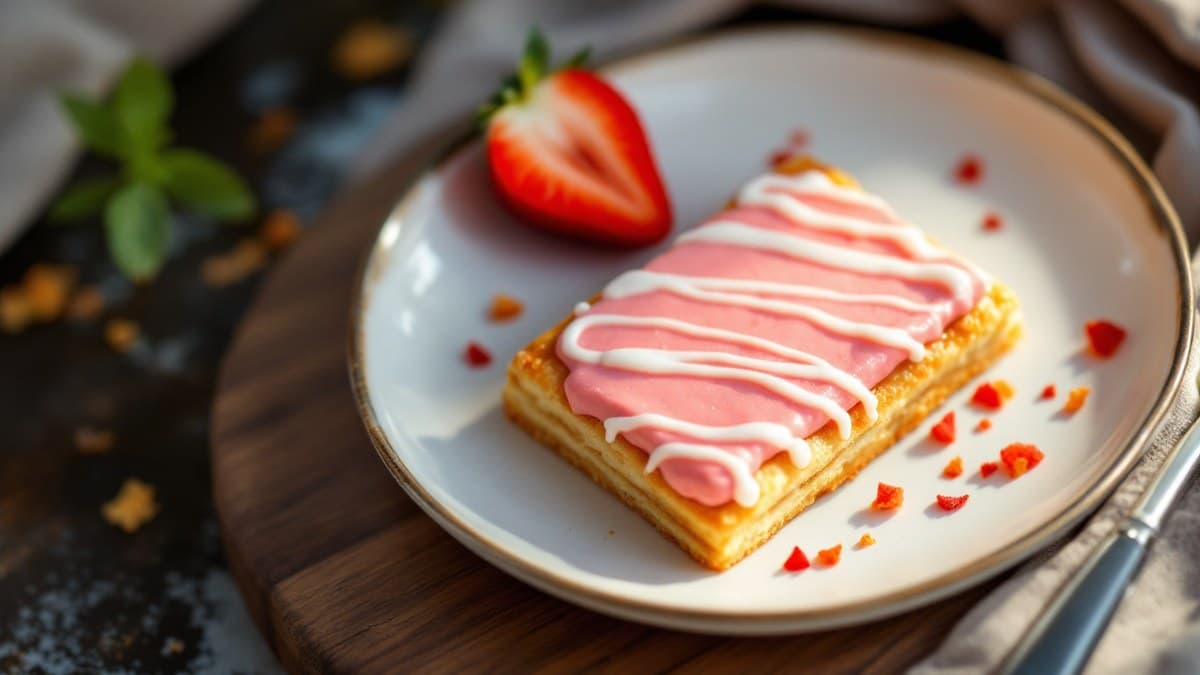
Legendary Foods Protein Pastry Nutrition Facts (2026): All 10 Flavors, Protein Blend Breakdown, and Who Should Buy
Legendary Foods Protein Pastries deliver 20g of protein at 170–180 calories per pastry with 4–6g of net carbs — verified 2026 nutrition facts for all 10 flavors including Strawberry, Brown Sugar Cinnamon, S'mores, and Red Velvet, a breakdown of the calcium caseinate, micellar casein, whey, and collagen protein blend, and an honest look at the erythritol and sucralose sweetener stack.
Read more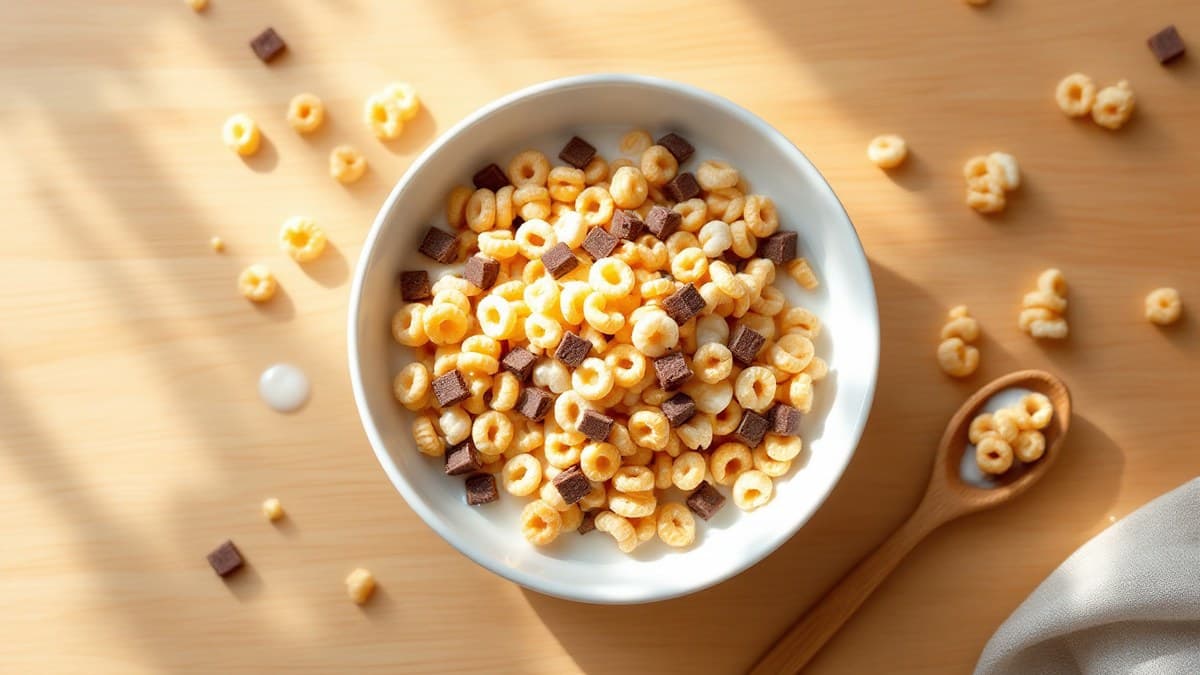
Best Protein Cereal 2026: 7 High-Protein Cereals Ranked by Protein, Sugar, and Cost Per Gram
Magic Spoon Frosted delivers 12g of protein and 0g of sugar per 35g (~1 cup) serving for about $1.32 per serving. Kashi GO Original wins on price per gram of protein at grocery — 13g of protein and 8g of fiber for roughly $0.55 per serving. This is every popular high-protein cereal in 2026 ranked by real per-serving protein, sugar, fiber, and cost per gram of protein — plus which ones are honest value and which trade the front-of-box protein claim for a heavy sugar load.
Read more
Grenade Carb Killa Protein Bar Nutrition Facts (2026): 20-23g Protein, All US Flavors Compared
Grenade Carb Killa bars deliver 20 to 23g of protein and less than 2g of sugar per 60g bar for 203 to 240 calories, depending on the flavor. Verified 2026 nutrition facts for nine core US flavors — Caramel Chaos through OREO — plus a full breakdown of the maltitol sweetener stack, the collagen protein blend, and a direct comparison with Quest and Barebells.
Read more