Turkey Pepperoni Protein & Sodium Facts: Is It Worth It for Your Lunchbox?
Real label math: 17 slices of turkey pepperoni deliver 9g of protein for 80 calories — and 570mg of sodium. When it earns a lunchbox spot, and when to swap it.

The short answer
Our top high-protein picks
Editor-selected and ready to buy. As an Amazon Associate we may earn from qualifying purchases.
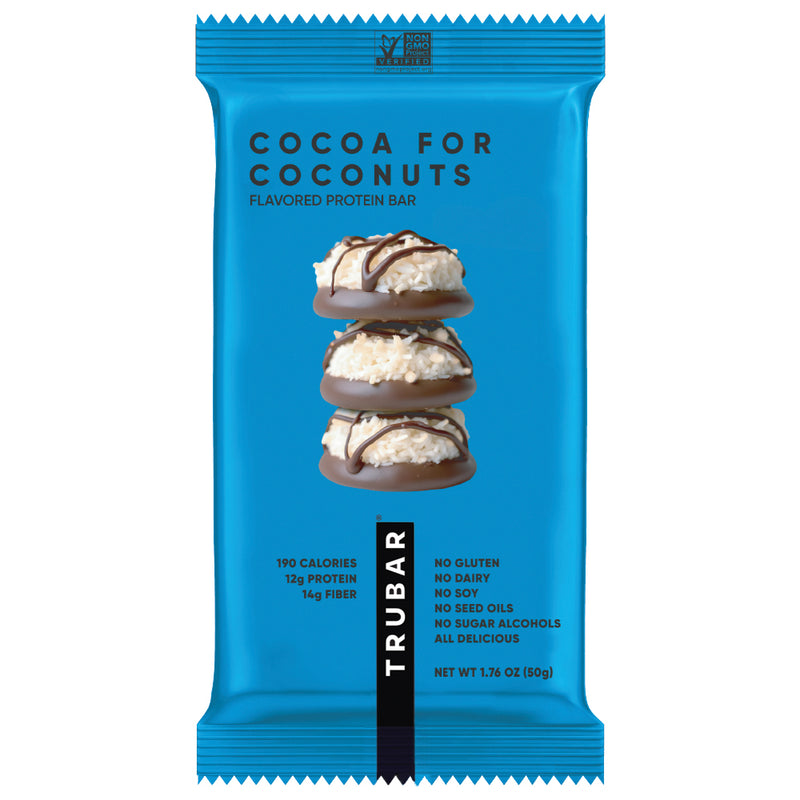 12g protein
Cocoa for Coconuts TRUBAR Nutrition and Protein Bar
Amazon returns policy · secure checkout
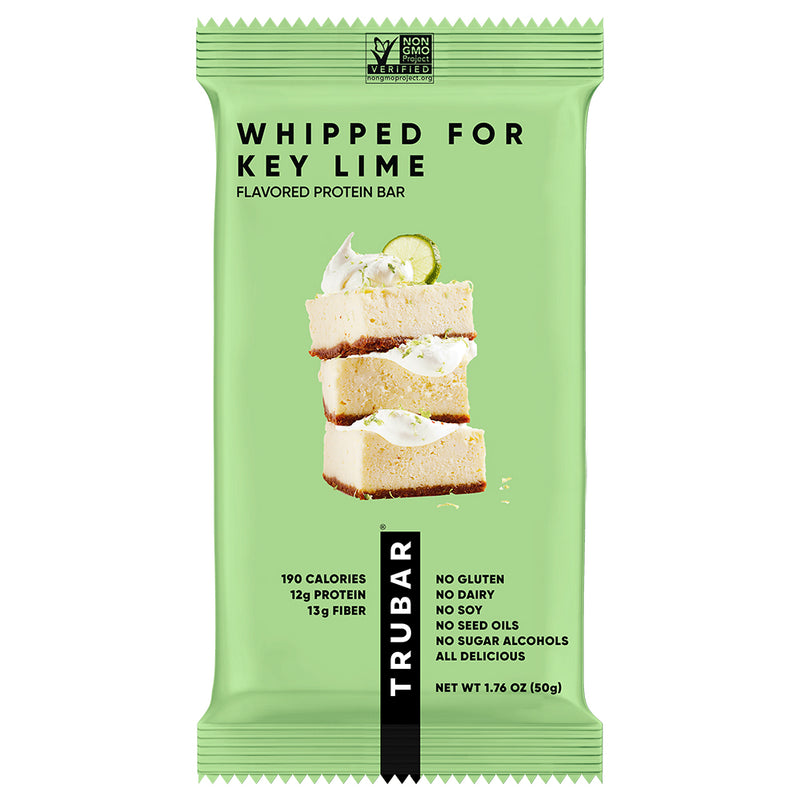 12g protein
Whipped For Key Lime TRUBAR Nutrition and Protein Bar
Amazon returns policy · secure checkout
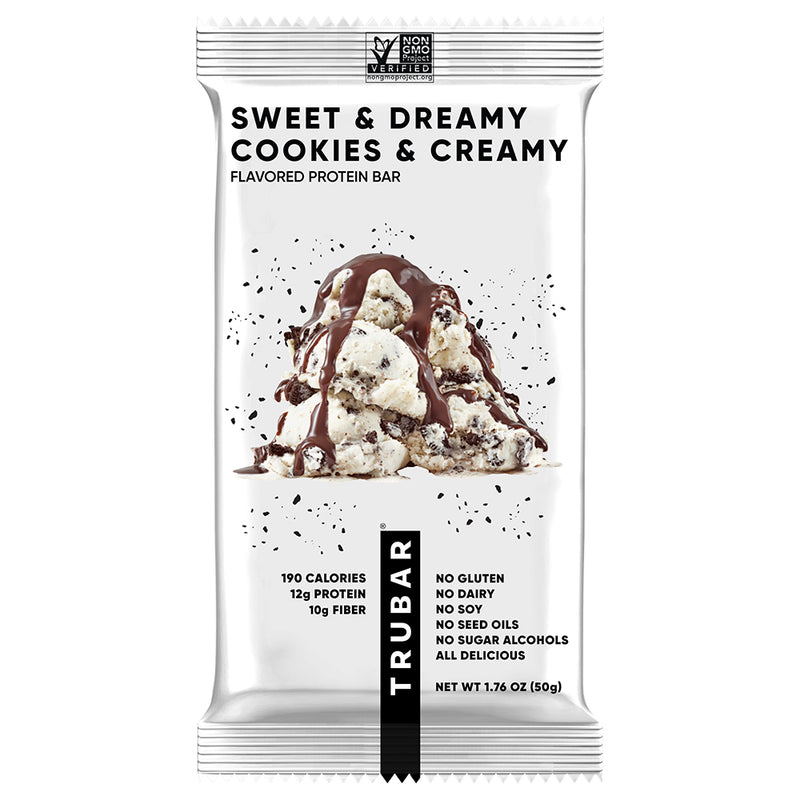 12g protein
Sweet & Dreamy, Cookies & Creamy
Amazon returns policy · secure checkout
The Real Label Numbers
| Measure | Hormel Turkey Pepperoni (per label) |
|---|---|
| Serving | 17 slices (30g) |
| Protein | 9g |
| Calories | 80 |
| Total fat | 5g (2g saturated) |
| Carbs | 0g |
| Sodium | 570mg (25% of an adult's daily value) |
From Hormel's own published label for its standard turkey pepperoni. Store brands and other brands vary — always read the bag you actually bought, because serving sizes differ (some list 14 slices, some 20).
Turkey vs. Regular Pepperoni: What Actually Changes
Hormel markets its turkey pepperoni as 60% less fat than its regular pork-and-beef pepperoni, and the label backs that up: 5g of fat per serving against roughly 13g in a comparable serving of regular pepperoni. Protein barely changes — both land in the 8–10g range per 30g serving. So the turkey swap is a real fat cut, not a protein upgrade, and the sodium does not meaningfully improve. If your goal is less fat, the swap delivers; if your goal is less sodium, it mostly does not.
The Two Honest Catches
Sodium. 570mg is a quarter of the FDA's 2,300mg daily value for adults — in a 30g snack. Paired with a typical sandwich, chips, and a drink, one pepperoni snack can quietly push a lunch past half a day's sodium. The fix is pairing it with low-sodium sides (fruit, cucumber, plain crackers) rather than stacking it onto an already-salty lunch. Processed meat. The World Health Organization's cancer research agency classifies processed meat as a cause of colorectal cancer, with risk rising alongside regular intake — its benchmark was roughly 50g per day, every day. An occasional 30g lunchbox serving is a very different exposure than a daily habit, and that is exactly the framing worth keeping: rotate it, do not anchor on it.
Lunchbox Combos That Balance It
The sodium catch has a simple fix: build the combo around foods that bring protein without salt. Using standard USDA figures alongside the Hormel label:
- Pepperoni + string cheese: 9g + 7g = 16g of protein for about 150 calories, and the mozzarella brings almost no sodium of its own. Our cheese snacks guide ranks the best cheese options by protein.
- Pepperoni + a hard-boiled egg: 9g + 6g = 15g of protein for roughly 150 calories — the egg's 70mg of sodium is negligible next to the pepperoni's 570mg. More pairings in our hard-boiled egg snacks guide.
- Pepperoni "pizza" crackers: 17 slices + 6 whole-grain crackers + a mozzarella stick builds a pizza-style snack around 18–20g of protein; keep the cracker count modest so the sodium story stays on the pepperoni, not the crackers.
What to Watch For
"Uncured" is not nitrate-free. Uncured turkey pepperoni uses celery powder, which contains naturally occurring nitrates that convert to the same compounds in the body. It is a fine choice if you prefer the ingredient label, but it is not a chemistry-free upgrade. Slice-count serving sizes. Pepperoni labels count servings in slices, and slice thickness varies by brand — weigh by the gram if you are tracking precisely. Gluten-free labeling. Hormel's turkey pepperoni is labeled gluten-free, but seasoned store brands sometimes are not; check the allergen line if it matters.
Frequently Asked Questions
Is turkey pepperoni healthy for a kids' lunchbox?
As a rotating item, yes — 9g of protein for 80 calories is a strong ratio, and it is a food children reliably eat. The two watch items are sodium (570mg per serving) and the fact that it is processed meat, which health agencies recommend limiting rather than eating daily. Rotating it with lower-sodium proteins like eggs, cheese, and plain deli turkey keeps both in check. Our kids' protein snacks guide covers the fuller rotation.
How much protein is in turkey pepperoni?
About 9g per 17-slice (30g) serving on Hormel's label — roughly the same as regular pepperoni, since the turkey swap cuts fat rather than raising protein. Per ounce, that is comparable to deli turkey.
Is turkey pepperoni lower in sodium than regular pepperoni?
Not meaningfully. Both typically land in the 500–600mg range per 30g serving. The turkey swap is a fat cut, not a sodium cut — if sodium is your concern, a plain roast-turkey or meat-stick alternative does more; our lowest-sodium jerky and meat sticks ranking compares them directly.
Does turkey pepperoni need to be refrigerated?
Before opening, no — it is sold shelf-stable. After opening, refrigerate and use it within about a week, per the package. For a school lunchbox, a morning-to-lunch stretch at room temperature is within normal safe handling; pack it with an ice pack when you can.
Bottom line: turkey pepperoni is a legitimately efficient protein for the lunchbox rotation — 9g of protein for 80 calories — as long as you respect the 570mg of sodium and treat it as an occasional savory option rather than a daily one. Pair it with cheese or eggs, keep the rest of the lunch low-sodium, and compare more options in the protein snacks directory.
Shop our top high-protein picks
Editor-selected high-protein options related to this guide. As an Amazon Associate we may earn from qualifying purchases.
12g proteinCocoa for Coconuts TRUBAR Nutrition and Protein Bar
Amazon returns policy · secure checkout
12g proteinWhipped For Key Lime TRUBAR Nutrition and Protein Bar
Amazon returns policy · secure checkout
12g proteinSweet & Dreamy, Cookies & Creamy
Amazon returns policy · secure checkout
Tags
High Protein Snacks Pro Editorial Team
Independently researched and editorially reviewed. We compare real nutrition labels and never accept payment for coverage.
Get the best new protein snacks in your inbox
Weekly picks and honest reviews — no spam, unsubscribe anytime.
More from the journal
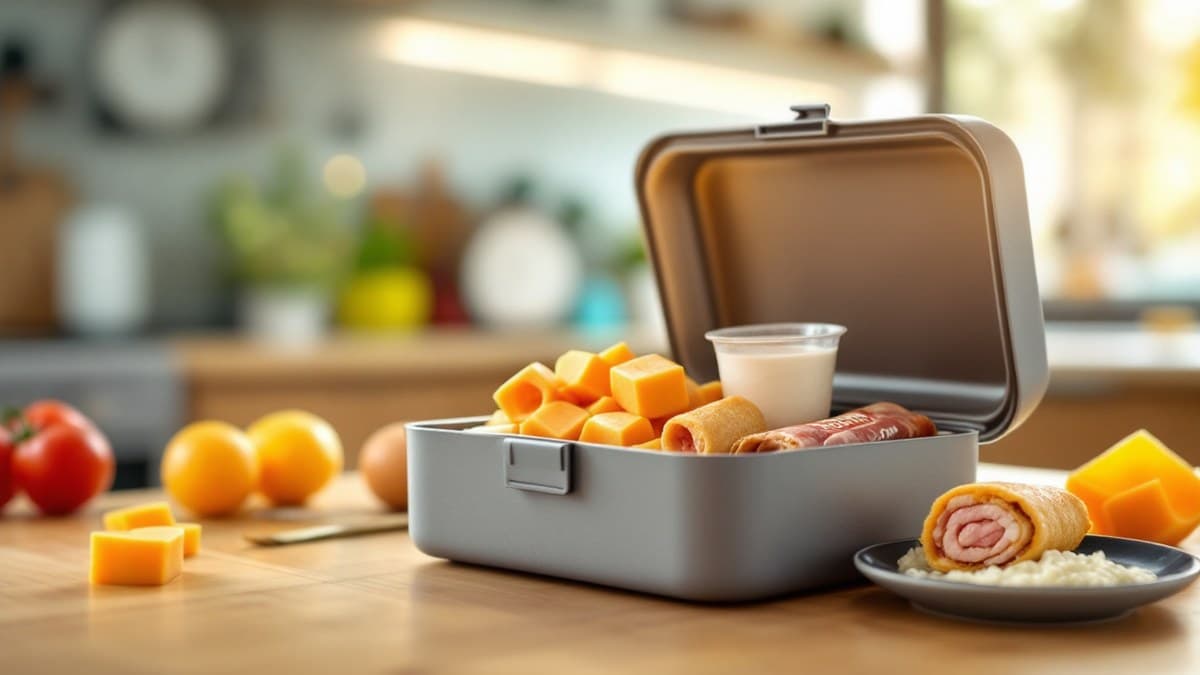
Best Protein Snacks for School Lunches 2026: 10 Lunchbox Picks with Real Nutrition Data (Nut-Free Options Included)
The best protein snack for a school lunchbox is a cheese stick paired with 2 oz of sliced deli turkey: 14g of protein at 160 calories, zero prep time, and lunchbox-safe for 4+ hours with an ice pack. We ranked 10 specific branded options with verified nutrition numbers—including nut-free picks for allergy-restricted schools—so you know exactly what to buy, not just what category to browse.
Read more
Best High-Protein Cheese Snacks (2026): 7–9g Protein Per Serving — Whisps, Moon Cheese & String Cheese Ranked
The highest-protein packaged cheese snacks in 2026 — Whisps Parmesan Crisps (9g protein, 130 cal per 0.5 oz), Moon Cheese (9g protein, 120–130 cal per oz), and part-skim mozzarella string cheese (7g protein, 72 cal per stick) — ranked by protein density with verified label data and buying advice.
Read more
Sardines Protein Content (2026): 22–24g Per Can and One of the Best Protein-Per-Calorie Foods You Can Buy
A 3.75 oz can of sardines in water delivers 22g of protein at 100 calories — 22g of protein per 100 calories, the highest ratio of any shelf-stable packaged food that costs under $2. Sardines in olive oil deliver the same 22–24g of protein at 150–190 calories, adding omega-3 fat from both the fish and the oil. Verified 2026 nutrition facts for Crown Prince, Wild Planet, King Oscar, and Brunswick sardines, plus a direct comparison with canned tuna, tuna pouches, and protein bars.
Read more