Hard-Boiled Eggs for Protein: 6g Per Egg, How Many You Need, and Best Store-Bought Brands (2026)
One large egg is 6g of protein for 72 calories. Two give you 12g for 144 calories. This guide covers how many eggs hit your protein target, which store-bought pre-cooked egg brands are worth the convenience premium, and the combos that push a hard-boiled egg snack past 20g of protein.

Our top high-protein picks
Editor-selected and ready to buy. As an Amazon Associate we may earn from qualifying purchases.
 12g protein
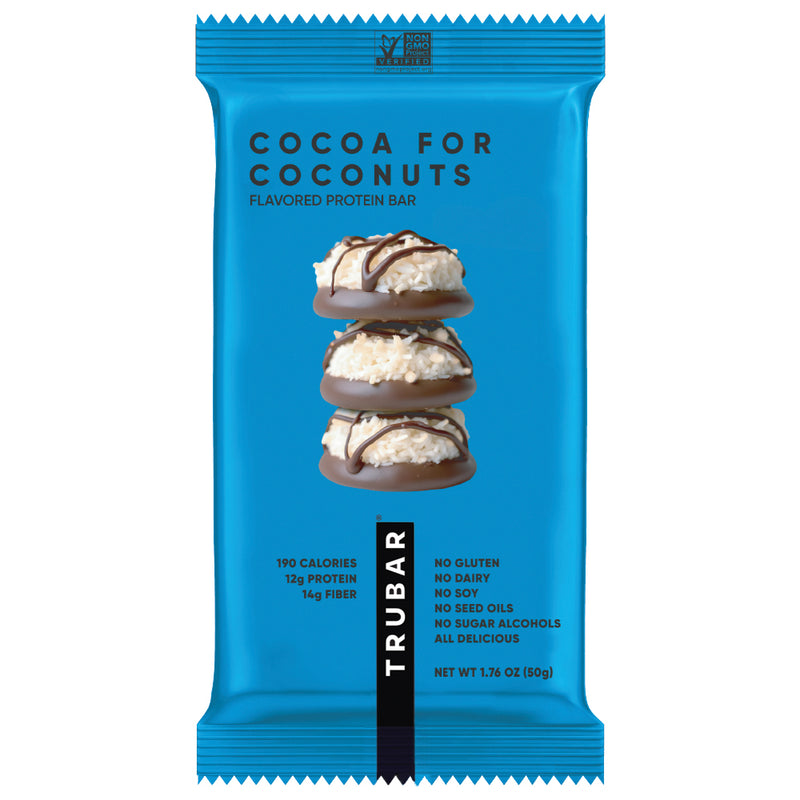
Cocoa for Coconuts TRUBAR Nutrition and Protein Bar
Amazon returns policy · secure checkout
 12g protein
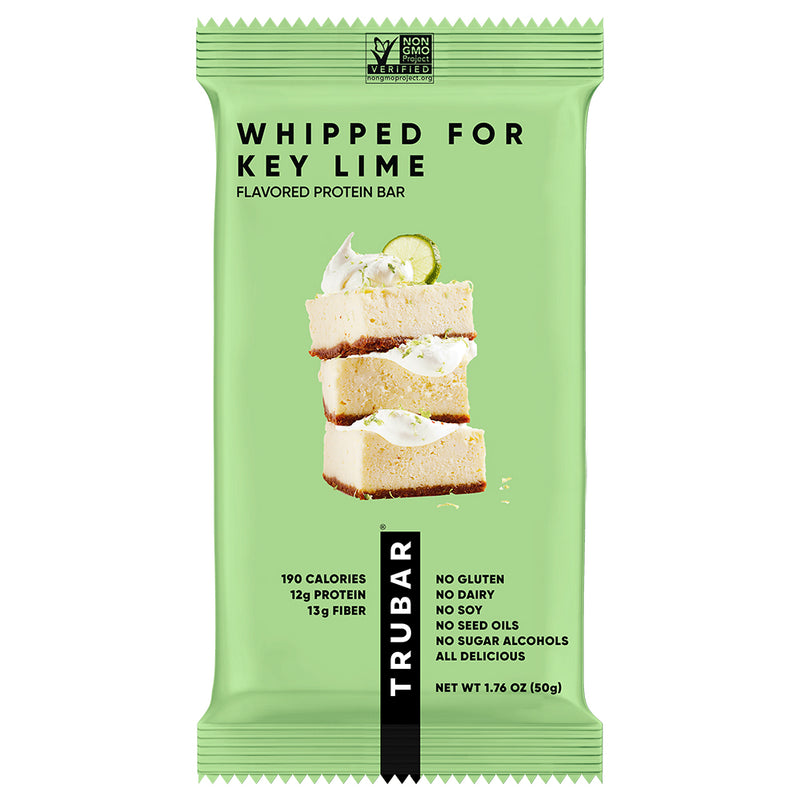
Whipped For Key Lime TRUBAR Nutrition and Protein Bar
Amazon returns policy · secure checkout
 12g protein
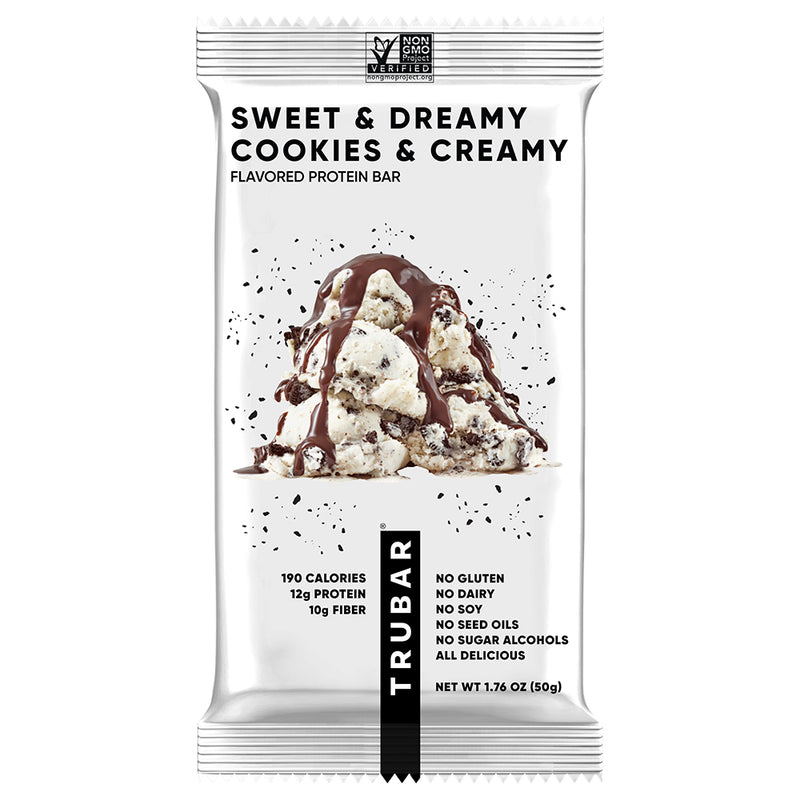
Sweet & Dreamy, Cookies & Creamy
Amazon returns policy · secure checkout
Direct Answer
One large hard-boiled egg is 6g of protein for 72 calories — a USDA standard. You need 2–3 eggs to hit a 15–20g protein snack. Store-bought pre-cooked packs (Kirkland and Eggland's Best 6-count) cost $0.75–$1.00 per egg; boiling your own runs $0.25–$0.40 per egg with identical nutrition either way.
One large hard-boiled egg carries 6g of protein for about 72 calories — a standard, well-established USDA figure, not a brand claim. Two eggs gets you to 12g of protein for roughly 145 calories, a genuinely useful ratio for a snack. Pre-cooked, pre-peeled egg packs now sit at nearly every grocery chain, which changes the math from "do I have time to boil a batch" to "how many packs am I buying." This guide covers how many eggs you need for your goal, which store-bought brands are worth the convenience premium, the combos that push the protein count past 20g, and the storage rule that actually matters. Browse the protein snacks directory for more protein-forward options.
Hard-Boiled Eggs by the Numbers
| Amount | Protein | Calories | Fat | Notes |
|---|---|---|---|---|
| 1 large egg | 6g | 72 | 5g | USDA standard whole large egg, hard-boiled |
| 2 large eggs | 12g | 144 | 10g | Useful snack-level protein |
| 3 large eggs | 18g | 216 | 15g | Post-workout protein minimum in one food |
| 4 large eggs | 24g | 288 | 20g | Meal-replacement territory |
Standard USDA generic values for a whole large egg, hard-boiled. Egg white only: 3.6g protein, 17 cal, 0g fat per large egg white.
How Many Eggs to Hit Your Protein Target
| Protein Goal | Eggs Needed | Calories |
|---|---|---|
| 10g | 2 eggs (12g — closest hit) | 144 |
| 15g | 3 eggs (18g — overshoots slightly) | 216 |
| 20g | 3–4 eggs (18–24g) | 216–288 |
| 25g+ | 3 eggs + a protein add-on (see combos) | Varies |
Store-Bought Pre-Cooked Egg Brands: Are They Worth It?
Pre-cooked, pre-peeled hard-boiled eggs are now widely available at Target, Kroger, Whole Foods, Costco, and Walmart. The nutrition is the same as eggs you boil yourself — USDA values apply regardless of brand. What you're paying for is the prep time and portability. Unopened sealed packs typically stay good for 10–14 days refrigerated.
| Brand | Pack Size | Protein / egg | Est. Cost / egg | Notes |
|---|---|---|---|---|
| Kirkland Signature (Costco) | Multi-pack | 6g | ~$0.75–$0.90 | Lowest cost among branded pre-cooked eggs; requires Costco membership |
| Eggland's Best Hard Cooked | 6-count | 6g | ~$0.80–$1.00 | Widely available at mainstream grocers; best mainstream value |
| Pete & Gerry's Organic | 2-count | 6g | ~$1.50–$2.00 | USDA Organic, free-range; sold at Whole Foods and natural grocers |
| Vital Farms | 2-count | 6g | ~$2.00–$2.50 | Pasture-raised, highest welfare claim; premium price reflects sourcing |
| DIY (boil your own) | Unlimited | 6g | ~$0.25–$0.40 | Lowest cost; requires ~15 min active time plus refrigeration |
Prices are approximate 2026 estimates and vary by region. Nutrition is identical across brands — brand differences are sourcing, welfare certifications, and convenience format, not the egg itself.
Protein Per Dollar: How Eggs Stack Up
At $0.25–$0.40 per DIY boiled egg, you're paying about $0.04–$0.07 per gram of protein — one of the lowest per-gram costs in grocery-store food. Even Kirkland pre-cooked (~$0.88/egg) runs about $0.15/g — still below most protein bars ($0.10–$0.25/g depending on brand). Premium packs at $2+ per egg push into protein-bar economics; the trade-off is entirely about convenience, not nutrition value.
The Storage Rule Most Meal-Prep Advice Skips
Per USDA food-safety guidance, a hard-boiled egg still in its shell keeps for about 1 week in the refrigerator. A peeled hard-boiled egg is best used within a week as well but is more vulnerable to drying out and picking up refrigerator odors, because the shell provides real protection. The practical implication: boil a full week's worth on Sunday, keep them unpeeled in the fridge, and peel only what you're about to eat.
At room temperature, per USDA guidance, a hard-boiled egg is safe for no more than 2 hours (1 hour above 90°F — like a hot car or an outdoor event). Store-bought sealed packs reset this clock — refrigerate immediately after opening.
Combos Worth Making
2 eggs + 1/2 cup cottage cheese (~25g protein, ~260 calories)
Two eggs alongside half a cup of low-fat cottage cheese delivers roughly 25g of protein for about 260 calories — a full meal-prep snack using standard USDA figures for both foods (6g per egg + ~13g per half-cup of 1% cottage cheese). This combination works as a post-workout snack where 25g is a meaningful dose without reaching for a protein bar.
2 eggs + 2 oz smoked salmon (~22g protein)
Smoked salmon pairs naturally with eggs and adds roughly 10g of protein per 2-ounce serving (standard USDA figure for cured salmon). Together, you get 22g of protein with a real omega-3 contribution from the fish — a combination that works well as a high-protein breakfast or mid-morning snack.
Two eggs + an apple (~12g protein, ~200 calories)
A genuinely balanced snack: 12g of protein from the eggs plus real fiber and natural sugar from the apple. The fiber and protein combination holds hunger better than either food alone.
Egg + everything bagel seasoning
Sliced in half and topped with everything-bagel seasoning (or just salt and pepper), a single egg becomes a two-bite snack with real flavor instead of a bland afterthought — a genuinely popular preparation, not a gimmick.
2 eggs + hummus (2 tbsp) (~15g protein)
Two eggs alongside two tablespoons of hummus adds roughly 3g more protein and a savory, dippable element that makes the snack feel more like a small meal. See our best hummus snacks guide for pairing ideas.
Egg salad on cucumber rounds
Classic egg salad (eggs, a spoon of mayo or Greek yogurt, mustard) spooned onto cucumber rounds keeps the protein and cuts the carbs a bread-based sandwich would add — a straightforward lower-carb swap that works well for a snack or a light lunch.
Deviled eggs, made lighter
Swapping half the mayo in a standard deviled-egg filling for plain Greek yogurt keeps the classic flavor while adding a few extra grams of protein per egg — a small change that adds up if deviled eggs are a repeat snack rather than a once-a-year party food.
Frequently Asked Questions
How long do hard-boiled eggs actually last in the fridge?
Per USDA guidance, about a week either way, but eggs left in the shell hold up better and are less prone to drying out or absorbing fridge odors than eggs peeled ahead of time. Peel as you go rather than prepping all at once.
Is it safe to eat hard-boiled eggs left at room temperature?
USDA food-safety guidance says a hard-boiled egg shouldn't sit at room temperature for more than about 2 hours (or 1 hour above 90°F) before the risk of bacterial growth becomes a real concern, not just a quality issue.
How much protein is in two hard-boiled eggs?
12g, using standard USDA values for a large egg (6g each). That's a meaningful protein contribution for a snack that requires zero preparation once the eggs are already boiled.
Are eggs a complete protein?
Yes — eggs contain all nine essential amino acids in a ratio the body uses efficiently, which is why whole eggs are frequently used as a reference standard in protein-quality research.
Are store-bought pre-cooked eggs worth the extra cost?
If the price per egg stays under $1 (Kirkland, Eggland's Best 6-count), they're a reasonable convenience trade-off with protein economics similar to boiling your own. Above $1.50 per egg, the premium is justified only by sourcing (pasture-raised, organic) or genuinely no-time-to-boil situations. Nutritionally, the result is identical to a home-boiled egg.
What is the cheapest way to hit 25g of protein from eggs?
Boil 4 large eggs yourself: 24g of protein for about 288 calories, at roughly $1.00–$1.60 in egg cost at $0.25–$0.40 per egg. Or boil 3 eggs and add half a cup of cottage cheese to clear 25g without a 4th egg.
Bottom line: two hard-boiled eggs deliver 12g of complete protein for about 145 calories at one of the lowest per-gram costs in grocery-store food. Kirkland and Eggland's Best 6-count pre-cooked packs are the best-value store-bought options when prep time is the constraint; Vital Farms and Pete & Gerry's are the right call if sourcing matters more than price. Batch-boil for the week but keep them unpeeled until you're ready to eat. Compare more protein-forward snacks in the protein snacks directory.
Shop our top high-protein picks
Editor-selected high-protein options related to this guide. As an Amazon Associate we may earn from qualifying purchases.
12g proteinCocoa for Coconuts TRUBAR Nutrition and Protein Bar
Amazon returns policy · secure checkout
12g proteinWhipped For Key Lime TRUBAR Nutrition and Protein Bar
Amazon returns policy · secure checkout
12g proteinSweet & Dreamy, Cookies & Creamy
Amazon returns policy · secure checkout
Tags
High Protein Snacks Pro Editorial Team
Independently researched and editorially reviewed. We compare real nutrition labels and never accept payment for coverage.
Get the best new protein snacks in your inbox
Weekly picks and honest reviews — no spam, unsubscribe anytime.
More from the journal

Best Meal Prep Protein Snacks for Busy Weeks (2026): 6 Formulas With Exact Macros
The best meal prep protein snacks are the ones that survive four days in the fridge, take under 30 minutes to batch, and still sound good on Thursday. Six formulas with verified macros — from egg muffin cups (16g protein, 190 cal) to turkey roll-ups (26g protein, 220 cal) — plus the two-track system that keeps the plan from collapsing.
Read more
String Cheese Protein: How Much Is in Each Stick? 4 Brands Compared (2026)
A standard string cheese stick (28g) delivers 6–7g of protein at 80–90 calories — roughly 8–9g of protein per 100 calories, which beats most crackers and granola bars. We pulled Nutrition Facts from four major brands (Sargento, Polly-O/BelGioioso, Frigo CheeseHeads, Organic Valley) and ranked them by protein density, sodium, fat, and cost.
Read more
Best Canned Tuna for Protein 2026: Chunk Light vs Albacore, Ranked
Chunk light tuna delivers 22g of protein at 100 calories per 3 oz serving -- more protein per calorie than any mainstream protein bar. A 2.6 oz no-drain pouch is one of the most convenient shelf-stable protein snacks available. StarKist, Wild Planet, Safe Catch, and Bumble Bee compared on protein, value, and mercury.
Read more