Best Protein Snacks for Menopause (2026): 7 Picks That Support Muscle and Bone Health
Women going through menopause need significantly more protein than standard guidelines suggest — research supports 1.0 to 1.2g per kilogram of body weight daily to counter the accelerated muscle loss that begins as estrogen drops. These 7 protein snack picks are chosen specifically for the menopause context: high protein, meaningful calcium content where possible, low added sugar, and real-food ingredients over heavily processed options. Verified 2026 nutrition data.
Our top high-protein picks
Editor-selected and ready to buy. As an Amazon Associate we may earn from qualifying purchases.
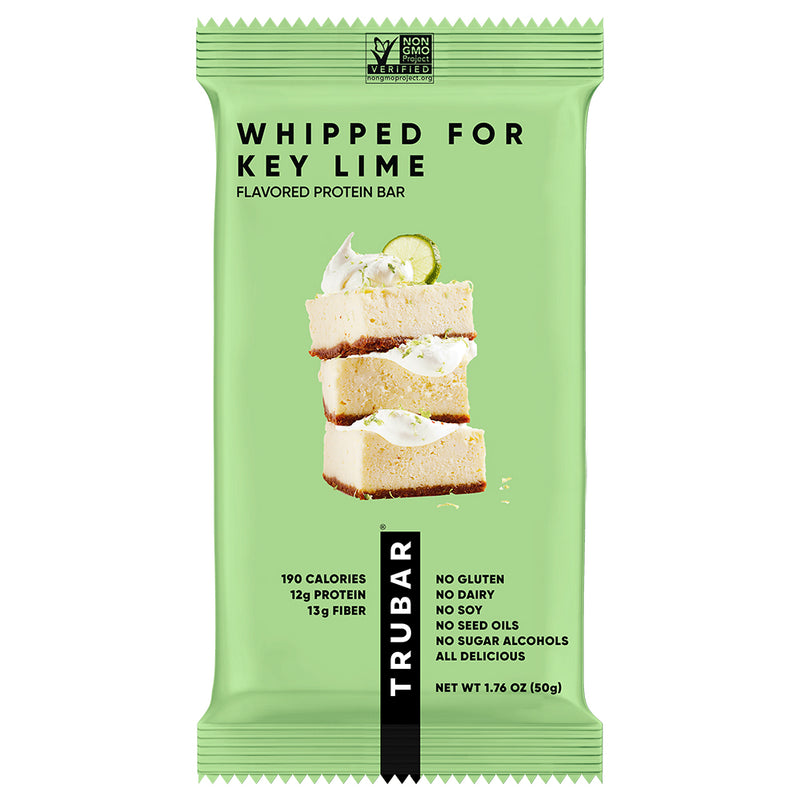 12g protein
Whipped For Key Lime TRUBAR Nutrition and Protein Bar
Amazon returns policy · secure checkout
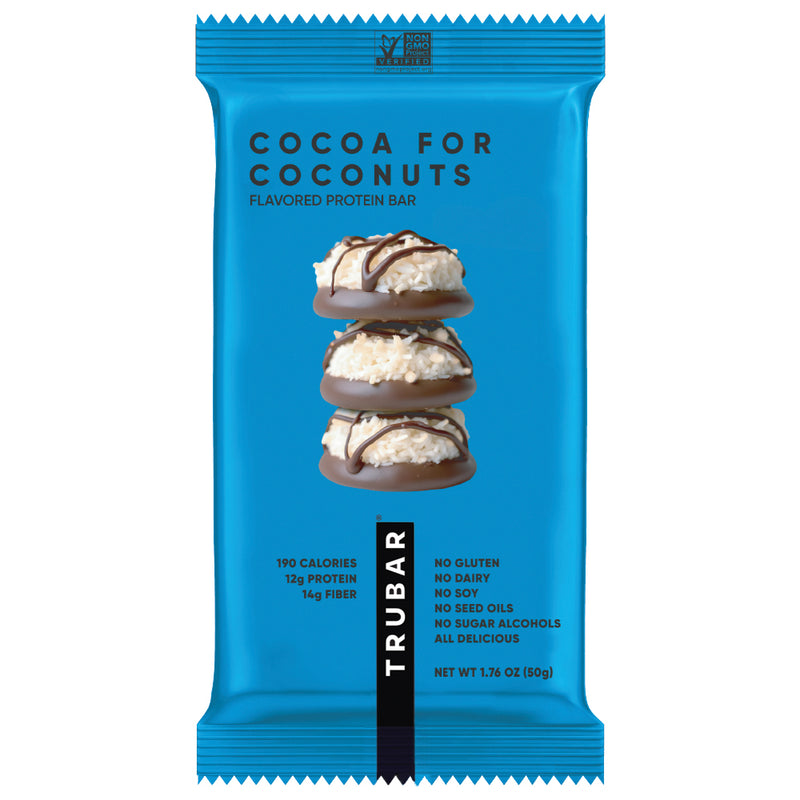 12g protein
Cocoa for Coconuts TRUBAR Nutrition and Protein Bar
Amazon returns policy · secure checkout
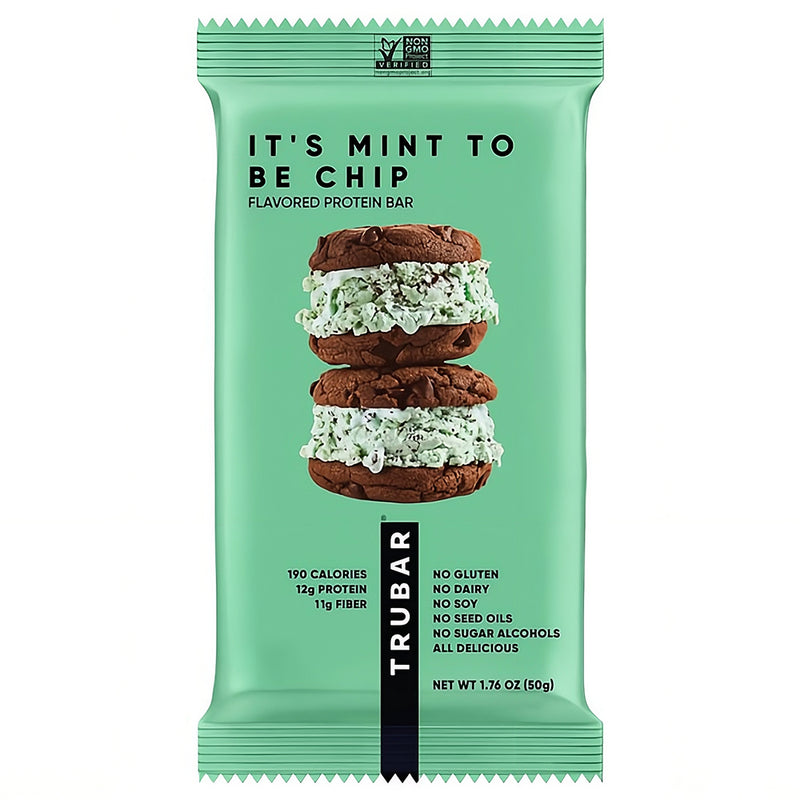 12g protein
It's Mint to Be Chip TRUBAR Nutrition and Protein Bar
Amazon returns policy · secure checkout
The 30-second answer
The most important thing: the standard 0.8g of protein per kilogram of body weight is not enough during and after menopause. Research on sarcopenia (muscle loss accelerated by estrogen decline) consistently supports 1.0–1.2g per kg, or roughly 70–90g per day for a 150-pound woman. Top picks: Siggi’s 0% plain skyr (17g protein + 20% DV calcium per 5.3oz), FAGE Total 0% Greek yogurt (15g, 15% DV calcium), Premier Protein shake (30g, 25% DV calcium), Chomps beef sticks (10g, 0g sugar, no refrigeration), Quest protein bar (21g, 12g fiber, minimal sugar), Kirkland hard-boiled eggs (6g each, whole-food leucine), Good Culture cottage cheese (14g per 5.3oz serving).
During and after menopause, muscle loss (sarcopenia) accelerates significantly as estrogen declines — and protein is the primary nutritional lever that slows it. The standard recommended dietary allowance of 0.8g of protein per kilogram of body weight per day was set to prevent deficiency, not to maintain muscle mass in postmenopausal women. Research in this population consistently supports a target of 1.0–1.2g per kilogram, which for a 150-pound (68kg) woman means 68–82g of protein per day — a target most American women do not come close to hitting from meals alone. Protein-rich snacks between meals are one of the most practical tools for closing that gap, particularly because spreading protein across 4–5 daily eating occasions produces better muscle protein synthesis than concentrating the same grams in two large meals. The seven picks below are chosen specifically for the menopause context: not just high in protein, but also providing meaningful calcium and vitamin D where possible (both critical for bone density as estrogen falls), low in added sugar, and made from real-food protein sources over heavily processed isolate blends.
Affiliate links — if you buy through them we earn a small commission at no extra cost to you. All nutrition figures are from each brand’s own 2026 published label or USDA FoodData Central.
Best Protein Snacks for Menopause: 2026 Comparison
| # | Snack | Protein | Calories | Calcium | Added Sugar | ~Price |
|---|---|---|---|---|---|---|
| 1 | Siggi’s 0% Plain Skyr (5.3 oz) | 17g | 100 | 20% DV | 0g | ~$2.49 |
| 2 | Premier Protein Chocolate Shake (11.5 fl oz) | 30g | 160 | 25% DV | 0g | ~$3.00 |
| 3 | FAGE Total 0% Greek Yogurt (5.3 oz) | 15g | 90 | 15% DV | 0g | ~$2.49 |
| 4 | Good Culture Cottage Cheese 2% (5.3 oz) | 14g | 110 | 10% DV | 0g | ~$2.99 |
| 5 | Quest Protein Bar (60g) | 21g | 190 | 10% DV | 0g | ~$1.75–2.00 |
| 6 | Chomps Original Beef Stick (1.15 oz) | 10g | 100 | 0% DV | 0g | ~$3.00 |
| 7 | Hard-boiled eggs (2 large) | 13g | 143 | 5% DV | 0g | ~$0.60–0.80 |
Calcium DV based on 1,300mg for women 51+. All figures are per single serving. Price per serving at grocery or Amazon at time of writing; Costco reduces per-unit cost 30–40% on Premier Protein and hard-boiled eggs.
Why Menopause Changes Your Protein Needs
Estrogen plays a direct role in muscle protein synthesis signaling. As estrogen declines in perimenopause and falls to near-zero after menopause, women experience accelerated loss of lean muscle mass — research estimates 1–2% per year of skeletal muscle mass, with higher rates in the first few years following the final menstrual period. This has two practical consequences. First, lower muscle mass means a lower resting metabolic rate, which makes gradual weight gain easy even without eating more. Second, lower muscle mass means reduced strength, balance, and fall resistance — falls are the leading cause of injury and injury-related hospitalization in women over 65.
Higher dietary protein directly counteracts the accelerated muscle loss rate by providing the amino acids needed for muscle protein synthesis. The threshold protein dose that maximally stimulates muscle protein synthesis in older adults is higher than in younger adults: approximately 40g per meal vs 25–30g in young adults (due to “anabolic resistance” — reduced sensitivity to amino acid signaling that increases with age). This makes individual protein-rich snacks between meals particularly important: adding a 15–30g protein snack between meals effectively adds another stimulating dose across the day rather than allowing amino acid levels to drop between two or three large meals.
Calcium matters too. Bone density drops significantly after menopause as estrogen’s bone-protective effects are lost. The recommended daily calcium intake for women over 51 is 1,200mg — a target most women meet only partially from food. Choosing high-protein snacks that also provide meaningful calcium (Siggi’s, Premier Protein, FAGE, cottage cheese, Greek yogurt) is a two-for-one strategy that addresses both muscle and bone health from the same eating occasions.
The 7 Best Protein Snacks for Menopause
#1 Siggi’s 0% Plain Skyr — Best Overall (Protein + Calcium)
Siggi’s 0% Plain Skyr delivers 17g of protein from skim milk at 100 calories per 5.3oz cup, with 20% of the Daily Value for calcium — the highest calcium density of any portable dairy snack in standard retail. “Skyr” is Icelandic strained cultured dairy, thicker and milder than Greek yogurt. The plain 0% flavor contains 0g of added sugar: the 11g of total sugar is entirely natural lactose. No sweeteners, no flavoring — just cultured skim milk. For menopause specifically, the combination of 17g of dairy protein (a complete leucine-rich source) and 20% DV calcium in 100 calories is unmatched in the snack category. Siggi’s is available at most Target, Whole Foods, Wegmans, Kroger, and Publix locations. For a full flavor-by-flavor breakdown, see our Siggi’s nutrition facts guide.
Practical use: Eat plain, or stir in 1 tablespoon of almond butter (7g protein additional, 8g healthy fat) for a more filling 24g-protein snack at ~265 calories. The plain flavor is also a strong base for savory dips with herbs when you want a protein source that is not sweet.
#2 Premier Protein Shake — Best Portable High-Protein Option (30g Protein)
Premier Protein Ready-to-Drink shakes deliver 30g of protein at 160 calories per 11.5 fl oz bottle, with 25% of the Daily Value for calcium and 30% for vitamin D. The protein source is milk protein concentrate and calcium caseinate — a casein-dominant blend that digests slowly and provides sustained amino acid release for 4–6 hours. For menopause specifically, the 25% DV calcium and 30% DV vitamin D make Premier Protein one of the few protein snacks that directly addresses both the protein gap and the bone nutrient gap in one bottle. No refrigeration until opened; shelf-stable until the printed date. Available at Costco (18-pack, ~$1.37/bottle), Amazon, Walmart, Target, and most drug stores.
The 1g of sugar comes from the milk protein blend; sucralose and acesulfame K provide the sweetness. If artificial sweeteners are a concern, Siggi’s or FAGE are the cleaner alternatives at lower protein counts. For a full flavor comparison, see our Premier Protein shake nutrition guide.
#3 FAGE Total 0% Greek Yogurt — Best Classic High-Protein Dairy
FAGE Total 0% Plain Greek Yogurt delivers 15g of protein at 90 calories per 5.3oz cup, with 15% DV calcium and 0g added sugar. The protein source is skim milk and live cultures — no additives, no artificial sweeteners, no fillers. FAGE is the reference Greek yogurt across most U.S. retail markets; it is stocked at nearly every major grocery chain and Costco. The texture is firmer and tangier than Siggi’s, which some people find more satisfying as a standalone snack. FAGE Total 0% at 90 calories for 15g of protein has a 16.7g-per-100-calorie protein efficiency ratio — among the highest of any widely-available snack food. Full flavor and nutrition breakdown in our FAGE vs Siggi’s comparison.
#4 Good Culture Cottage Cheese — Best for Volume and Satiety
Good Culture 2% Milkfat Cottage Cheese delivers 14g of protein per 5.3oz serving at 110 calories, with 10% DV calcium. Cottage cheese experienced a significant popularity revival in 2024–2026 partly because of its high protein content and partly because of trends showing it as a base for high-protein bowls. For menopause specifically, cottage cheese provides casein — the slow-digesting milk protein that research suggests is particularly effective for overnight muscle protein synthesis. Eating cottage cheese as an evening snack (100–150 calories, 14g protein) provides a sustained amino acid release overnight that may be especially valuable for muscle preservation in postmenopausal women. Good Culture’s 5.3oz single-serve cups are available at Target, Whole Foods, Sprouts, Wegmans, and Amazon. For the full catalog of cottage cheese brands ranked by protein, see our cottage cheese brand guide.
#5 Quest Protein Bar — Best Shelf-Stable Portable Snack
Quest bars deliver 20–21g of complete protein at 170–190 calories with 12g of soluble fiber and 0–1g of added sugar. For menopause, the 10% DV calcium per bar and the high fiber content are both meaningful: fiber helps maintain digestive regularity (often disrupted during menopause), and the calcium contribution adds to bone density protection. Quest bars are shelf-stable, require no refrigeration, and fit in a purse or desk drawer — making them the most practical portable high-protein snack for women who do not have consistent refrigerator access at work or during travel. At $1.75–$2.00 per bar in a 12-count box on Amazon, they are more cost-effective than most single-serve dairy options. Quest contains erythritol and sucralose; if artificial sweeteners are unwanted, the dairy picks above are cleaner alternatives at lower protein counts. Full nutrition breakdown in our Quest protein nutrition guide.
#6 Chomps Beef Sticks — Best Zero-Sugar Savory Snack
Chomps Original Beef Sticks deliver 10g of protein from 100% grass-fed beef at 100 calories per stick, with 0g of sugar, 0g of carbohydrates, and no artificial ingredients. For menopause, the key advantages are: no estrogen-disrupting ingredients (no soy, no additives), complete animal protein with full essential amino acid profile, zero sugar impact on blood glucose and insulin, and no refrigeration required. Cholesterol and total fat (7g, mostly saturated) are present — this is a meat snack, not a lean protein. For women managing LDL cholesterol (a common concern post-menopause, when estrogen’s protective cardiovascular effects decline), Chomps works best as one protein source among several rather than a daily staple at high quantities. One stick per day as part of a mixed protein strategy is appropriate for most women.
#7 Hard-Boiled Eggs — Best Whole-Food Complete Protein
Two large hard-boiled eggs provide 13g of protein at 143 calories, with the full essential amino acid profile and 5% DV calcium. Eggs are the reference food protein source in nutrition research — they have the highest protein digestibility-corrected amino acid score (PDCAAS) of any whole food, meaning the body can use the protein from eggs more efficiently than from most other protein sources. The leucine content of eggs (about 1.1g per large egg) is particularly relevant for muscle protein synthesis: leucine is the key amino acid that directly signals muscle repair and growth, and eggs are one of the richest whole-food sources per calorie. Pre-cooked hard-boiled eggs (Kirkland at Costco, Trader Joe’s) remove the preparation step and provide a no-cook high-protein snack for about $0.40–$0.60 per egg. This is the cheapest protein per gram of any option on this list.
How Much Protein Do Postmenopausal Women Need Per Day?
The current U.S. RDA of 0.8g of protein per kilogram of body weight per day was set to prevent deficiency, not to maintain muscle mass in aging adults. A consistent body of research in women over 50 supports 1.0–1.2g per kg as the target for muscle preservation and to counter sarcopenia. For a 150-pound (68kg) woman, that is 68–82g of protein per day. For a 130-pound (59kg) woman, 59–71g. For a 170-pound (77kg) woman, 77–92g.
Distributing that protein across 4–5 eating occasions is more effective for muscle protein synthesis than concentrating it in 2 large meals: research in older adults shows that having at least 25–40g of protein per meal (not per day) is needed to maximally stimulate muscle protein synthesis, and that additional protein spread across the day adds additional stimulation. Practically, this means breakfast, lunch, dinner, and 1–2 protein-rich snacks between meals.
Frequently Asked Questions
What protein supplement is best for women during menopause?
Whole-food protein sources — Greek yogurt, skyr, cottage cheese, eggs, meat — are preferred over protein powders because they provide micronutrients (calcium, vitamin D, vitamin B12) alongside the protein, and they do not carry the quality-control variability and heavy metal contamination risk found in some protein powder brands. If a protein shake is needed for convenience, Premier Protein delivers 30g of protein plus 25% DV calcium and 30% DV vitamin D in a shelf-stable format at roughly $1.37–$2.00 per bottle. For food-form protein: Siggi’s 0% plain skyr at 17g/cup and FAGE Total 0% at 15g/cup are the reference choices — both are real-food dairy, high in calcium, and 0g added sugar.
Should women in menopause take collagen peptides for protein?
Collagen peptides are popular as a supplement during menopause, but they are not a complete protein source: collagen lacks tryptophan and has an incomplete essential amino acid profile that does not stimulate muscle protein synthesis at the same rate as whey, casein, egg, or soy protein at the same dose. Collagen may support joint health, skin elasticity, and tendon repair through mechanisms other than muscle protein synthesis — these are legitimate uses. But collagen protein grams should not be counted toward the 1.0–1.2g/kg protein target for muscle preservation; only complete protein sources count toward that goal. If you use collagen, treat it as a supplement for joint/skin benefits rather than as your primary protein source.
Is soy protein safe during menopause?
Soy protein is safe during menopause for most women based on the current evidence. The concern about soy’s weak phytoestrogen activity potentially stimulating estrogen-sensitive tissues (particularly breast tissue) has been extensively studied; population studies in Asian women with high lifetime soy intake show no increased breast cancer risk, and several studies show a protective effect. The American Cancer Society and most oncology nutrition guidelines consider moderate soy intake (1–2 servings per day of whole soy foods or soy protein) safe for most breast cancer survivors. If you have a specific estrogen-receptor-positive cancer history, consult your oncologist. For most women in menopause without a breast cancer history, soy protein is a useful complete plant-protein option, particularly for vegetarians.
What is the best protein snack for hot flashes?
No protein snack directly reduces hot flash frequency; hot flashes are a thermoregulatory symptom of declining estrogen, not a nutritional deficiency. However, eating patterns that keep blood glucose stable — avoiding large spikes and drops — can reduce the frequency and intensity of hot flashes in some women. High-protein, low-sugar snacks like Greek yogurt, cottage cheese, and hard-boiled eggs help stabilize blood glucose between meals. Avoiding alcohol, caffeine, and large amounts of refined carbohydrates is more effective for hot flash management than any specific protein food choice. For direct hot flash management, talk to your healthcare provider about options including low-dose hormone therapy, non-hormonal medications (fezolinetant, venlafaxine), and mind-body approaches that have clinical evidence.
Browse the full protein snacks directory for the complete catalog of protein bars, RTD shakes, and snacks across every format and retailer.
Shop our top high-protein picks
Editor-selected high-protein options related to this guide. As an Amazon Associate we may earn from qualifying purchases.
12g proteinWhipped For Key Lime TRUBAR Nutrition and Protein Bar
Amazon returns policy · secure checkout
12g proteinCocoa for Coconuts TRUBAR Nutrition and Protein Bar
Amazon returns policy · secure checkout
12g proteinIt's Mint to Be Chip TRUBAR Nutrition and Protein Bar
Amazon returns policy · secure checkout
Tags
High Protein Snacks Pro Editorial Team
Independently researched and editorially reviewed. We compare real nutrition labels and never accept payment for coverage.
Get the best new protein snacks in your inbox
Weekly picks and honest reviews — no spam, unsubscribe anytime.
More from the journal
Best High-Protein Snacks at BJ's Wholesale Club 2026: 8 Picks With Verified Nutrition Data
BJ's Wholesale Club carries a stronger protein snack lineup than most shoppers expect — including its own house-brand protein shake that beats national brands on price at 30g per bottle. These 8 picks cover every format at BJ's, with verified 2026 nutrition data and a shopping strategy built around BJ's unique coupon acceptance policy.
Read more
Best High-Protein Snacks at Wegmans 2026: 7 Picks With Verified Nutrition Data
Wegmans stocks a deeper selection of high-protein snacks than most regional grocery chains — from Siggi's skyr at 17g protein to Premier Protein at 30g. These 7 picks cover every format available at Wegmans locations, with verified 2026 nutrition data from official brand sources and a shopping strategy specific to how Wegmans prices and promotes these products.
Read more
Best High-Protein Snacks at Whole Foods Market (2026): 8 Picks With Verified Nutrition
Whole Foods Market carries genuinely high-protein snacks across its refrigerated, packaged, and meat aisles — from Stryve Biltong at 16g of protein per 80-calorie ounce to siggi's Nonfat Plain at 17g per 100-calorie cup. These 8 picks are the strongest options at Whole Foods in 2026, ranked by protein per 100 calories with verified nutrition data for each.
Read more