Best Protein Granola Brands Compared (2026): Which Actually Deliver 15g+ Per Serving
Most protein granola is just regular granola with a bigger protein number and a smaller serving size. We ran the math on every leading brand to show who actually delivers — and who is just marketing.
The short answer
Our top protein cereal picks
Editor-selected and ready to buy. As an Amazon Associate we may earn from qualifying purchases.
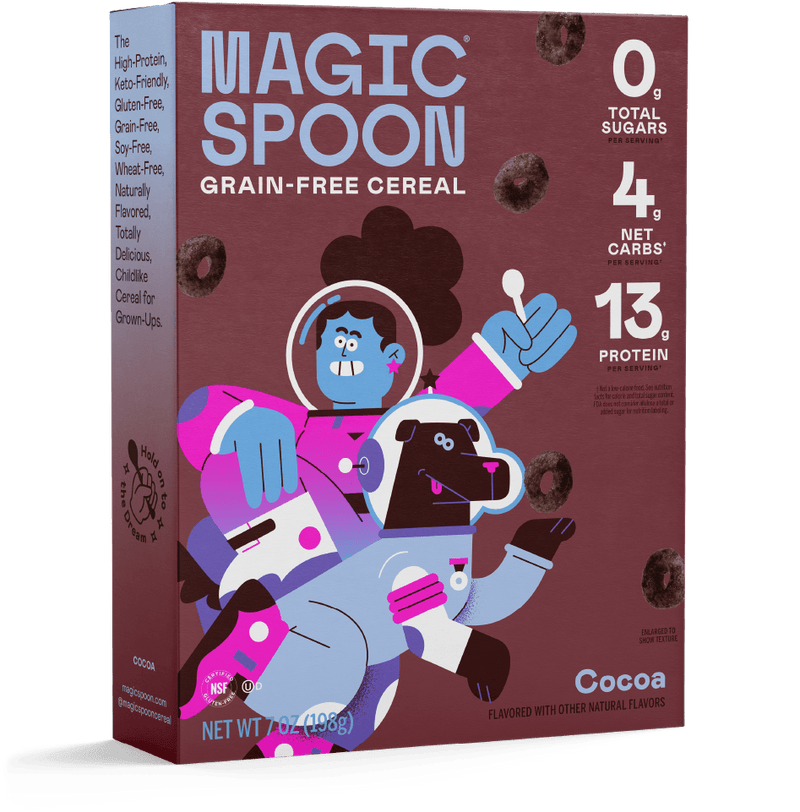 10g protein
 12g protein
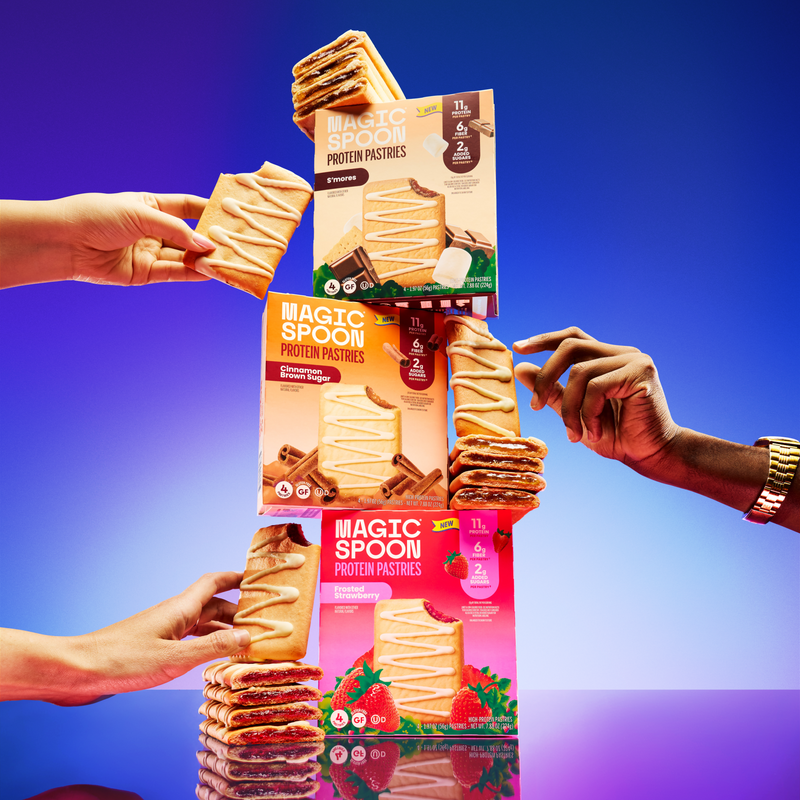 11g protein
Protein Pastries - 24 Pastries
Amazon returns policy · secure checkout
Best Protein Granola Brands: Quick Comparison
All numbers are from the labeled serving size, cross-verified against multiple nutrition databases. Serving sizes differ significantly between brands — this is the first thing to check before trusting any protein claim.
| Brand | Serving Size | Calories | Protein | Total Sugar | Key Note |
|---|---|---|---|---|---|
| Magic Spoon Grain-Free Granola | 2/3 cup (60g) | 260 | 14g | 2g | Highest protein, lowest sugar; grain-free, uses allulose & monk fruit |
| Nature Valley Protein Granola | 2/3 cup (60g) | 270 | 13g | 16g | Strong protein count but 16g sugar per serving; widest retail availability |
| KIND Protein Granola | 1/3 cup (30g) | ~200 | 10g | ~5g | Best protein-to-calorie ratio at a 30g portion; whole oat base |
| Bear Naked Peak Protein | 1/4 cup (30g) | 140 | 6g | ~5g | “Peak Protein” label overpromises; 6g is ordinary for granola |
What the Serving Size Math Reveals
This is the single most important thing to understand in the granola category. Bear Naked Peak Protein looks like a competitor to Magic Spoon until you notice the serving: Bear Naked’s 1/4 cup (30g) versus Magic Spoon’s 2/3 cup (60g). If you eat the same 60g of Bear Naked you would of Magic Spoon, you get 12g of protein versus Magic Spoon’s 14g — close in protein, but with none of Magic Spoon’s low-sugar advantage. KIND labels 1/3 cup (30g) at 10g protein, which is excellent for the serving size, but Nature Valley’s labeled serving is twice as large, making the per-serving comparison unfair at face value.
The honest per-60g comparison: Magic Spoon wins on protein (14g) and sugar (2g) at that weight. KIND is the strongest at a smaller 30g portion. Nature Valley has competitive absolute protein but carries the most sugar. Bear Naked does not live up to the “Peak Protein” marketing when you run the numbers at an equivalent serving size.
Magic Spoon Grain-Free Granola
Magic Spoon is the clear winner if low sugar and high protein are the priority. At 14g protein and only 2g of sugar per 2/3 cup (260 calories), it outperforms everything else on the protein-to-sugar trade-off by a wide margin. The grain-free formulation uses a pea protein base with coconut and almond, sweetened with allulose and monk fruit — so the very low sugar number is not a labeling trick, it reflects the actual sweetener-free formulation. The texture is crunchier than traditional oat granola, more like clusters than rolled oats. It costs more per ounce than grocery-store brands, but for anyone specifically buying granola for its protein content, this is the only product that actually delivers a meaningful protein dose per cup.
Nature Valley Protein Granola
Nature Valley’s protein granola delivers 13g per 2/3 cup and has the widest retail availability of any brand on this list. The catch is 16g of sugar in that same 2/3 cup — more than many snack bars at equivalent serving sizes. The sweetness comes from sugar and honey, and the flavor is genuinely good. If you want protein granola and are not watching added sugar, this is the most convenient grocery-store option. If you are using it as a yogurt topper to manage overall sugar intake, the numbers add up faster than expected: even a modest 1/3 cup still carries roughly 8g of sugar.
KIND Protein Granola
KIND Protein Granola delivers 10g of protein per 1/3 cup (30g) from a whole oat and pea protein base. That is a strong result for the serving size. The texture is classic granola — oat-forward and chewy — rather than the crunchier cluster style of Magic Spoon. At roughly $6–7 per 11oz bag, it is priced between the grocery-store brands and the premium options. For a daily yogurt topper where you want conventional granola texture and 10g protein per modest serving, KIND is the most practical mid-range choice.
Bear Naked Peak Protein
Bear Naked markets this line as “Peak Protein,” which sets an expectation the nutrition label does not meet. At 6g protein per 1/4 cup (30g serving) and 140 calories, you get roughly what a serving of plain rolled oats delivers — and plain oats cost a fraction of the price. The granola itself tastes fine: real oats, decent clusters. The problem is purely the protein claim. If you eat a more realistic 1/2 cup portion (60g), you get 12g protein and 280 calories, which is more defensible — but at that amount, Magic Spoon gives you more protein (14g) for fewer calories (260) and far less sugar.
Shopping Tips
- Standardize to 60g when comparing. Most misleading protein claims in this category disappear when you compare brands at the same weight rather than each brand’s chosen serving size.
- Check sugar before protein. A granola with 13g protein and 16g sugar (Nature Valley) delivers more sugar per serving than most snack bars. A granola with 14g protein and 2g sugar (Magic Spoon) is a fundamentally different product for different goals.
- Use granola as a topper, not a bowl. Even the best protein granola is calorie-dense with meaningful carbs. Pairing granola with Greek yogurt or cottage cheese lets you get protein from the dairy base and crunch from the granola, rather than trying to source your protein from the granola itself.
Frequently Asked Questions
Which protein granola has the most protein per serving?
Magic Spoon Grain-Free Granola leads at 14g per 2/3 cup (60g) with only 2g of sugar. At a smaller 30g serving, KIND Protein Granola delivers 10g — the strongest ratio at a half-cup portion. Bear Naked’s “Peak Protein” delivers just 6g per 1/4 cup, which is not meaningfully above regular granola.
Is protein granola worth buying vs regular granola?
It depends on the brand. Magic Spoon genuinely doubles or triples the protein of regular granola while cutting sugar dramatically — worth the premium for protein-focused buyers. Nature Valley Protein adds real protein but at the cost of high sugar. Bear Naked “Peak Protein” adds modest protein at a price that the numbers do not justify over plain oats or a cheaper brand.
Can I eat protein granola for weight loss?
Granola is calorie-dense (140–270 calories per 30–60g serving), so portion control matters more than the protein claim. Magic Spoon’s low-sugar formula makes it the most weight-loss-compatible option here. The most effective approach is using any protein granola as a topper on Greek yogurt or cottage cheese rather than eating it as a cereal bowl.
Does protein granola taste different from regular granola?
Magic Spoon tastes noticeably different — its grain-free, pea-protein base produces crunchier clusters without oat chewiness. KIND and Bear Naked taste like conventional granola because they use oats as the base. Nature Valley tastes the most like traditional sweet granola. If you want maximum protein with the least texture adjustment, Magic Spoon is the better product but requires some palate adjustment from regular granola.
Bottom line: Magic Spoon wins on protein (14g) and sugar (2g) per 2/3 cup if the premium price is acceptable. KIND is the best value at a modest 30g serving. Nature Valley has strong protein buried under high sugar. Bear Naked’s “Peak Protein” label overpromises. Use any granola as a topper on Greek yogurt or cottage cheese — not as the primary protein source — and browse the protein snacks directory for more breakfast protein options.
Shop our top protein cereal picks
Editor-selected high-protein options related to this guide. As an Amazon Associate we may earn from qualifying purchases.
10g protein12g protein11g proteinProtein Pastries - 24 Pastries
Amazon returns policy · secure checkout
Tags
High Protein Snacks Pro Editorial Team
Independently researched and editorially reviewed. We compare real nutrition labels and never accept payment for coverage.
Get the best new protein snacks in your inbox
Weekly picks and honest reviews — no spam, unsubscribe anytime.
More from the journal
Chomps vs Epic Bar (2026): Protein, Ingredients, and Which Grass-Fed Meat Snack to Buy
Both Chomps and Epic deliver 10g of protein from 100% grass-fed beef — but they are not the same snack. Chomps Original is 100 calories with zero carbs and zero sugar; Epic Beef Sea Salt + Pepper is 130 calories with 3g of fiber and 590mg of sodium. Which you should buy depends on whether you prioritize calorie density or fiber. Verified 2026 nutrition data from official brand sources.
Read more
Lowest-Sodium Beef Jerky & Meat Sticks, Ranked (2026): Country Archer Beats Jack Link's by Nearly 3x
Country Archer Classic Original has the lowest sodium of any beef jerky we've verified — 260mg per ounce, less than a third of Jack Link's Original's ~770mg — while still delivering 12g of protein. Stryve Biltong Seasoned has the best protein-to-sodium trade-off in this ranking: 16g of protein for just ~430mg of sodium. We ranked 17 real jerky and meat-stick products by sodium per serving, using nutrition data already verified and published across our jerky and meat-stick reviews, with the honest catch that a few of the lowest-sodium picks also carry the least protein.
Read more
StarKist Tuna Creations Nutrition Facts (2026): 17g Protein Per Pouch, All Flavors Compared
One 2.6oz StarKist Tuna Creations pouch delivers 17g of protein at 80–90 calories with 0–1g of fat. Verified 2026 nutrition facts for every flavor, a direct comparison with Bumble Bee and Chicken of the Sea pouches, and a practical guide to the highest-protein flavors in the lineup.
Read more