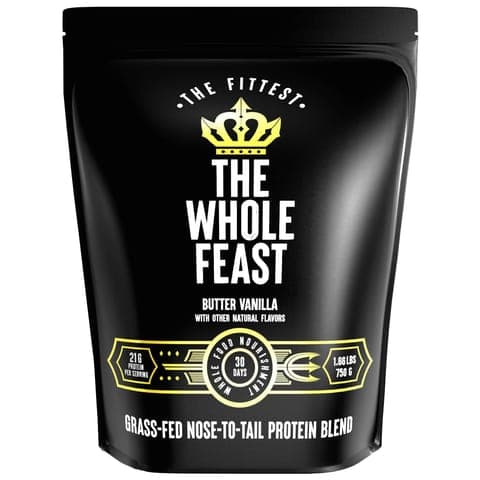
Best Tuna and Salmon Pouches for Protein: Portable Seafood Snacks
Bumble Bee's plain Chunk Light tuna carries 22g of protein for 80 calories, verified against its own label — nearly 3x the protein-per-calorie of a flavored pouch. The FDA also has a real weekly limit on how much tuna is safe to eat; most "best tuna pouch" guides skip it entirely.
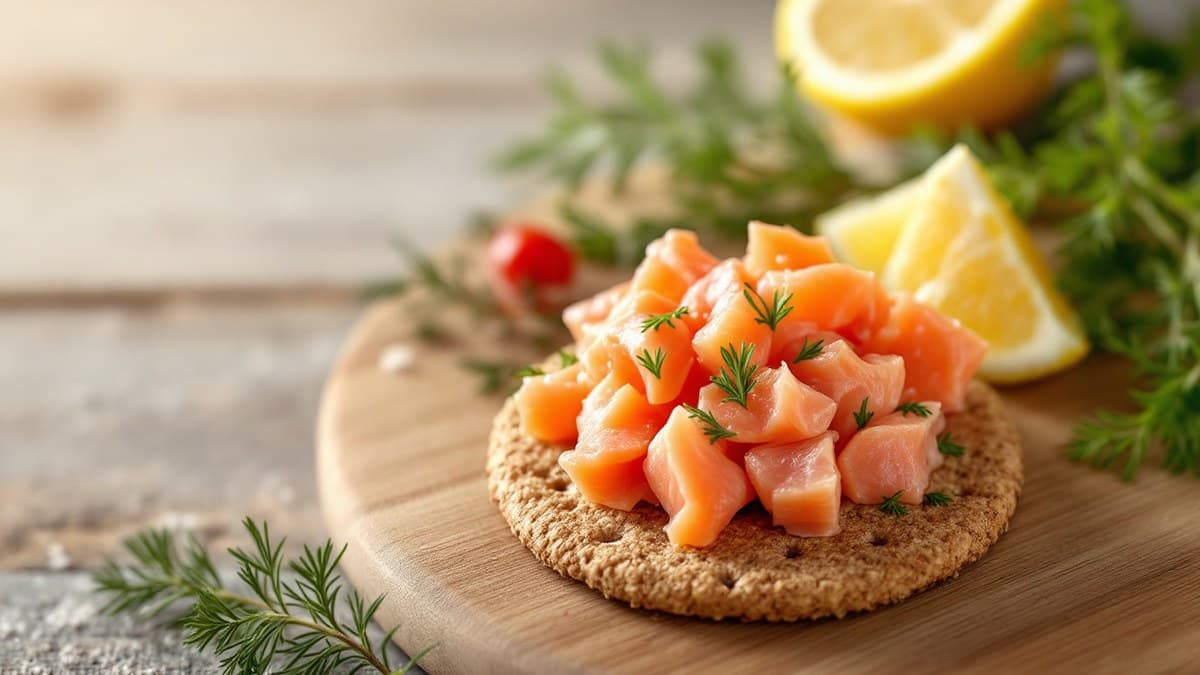
The short answer
Our top high-protein picks
Editor-selected and ready to buy. As an Amazon Associate we may earn from qualifying purchases.
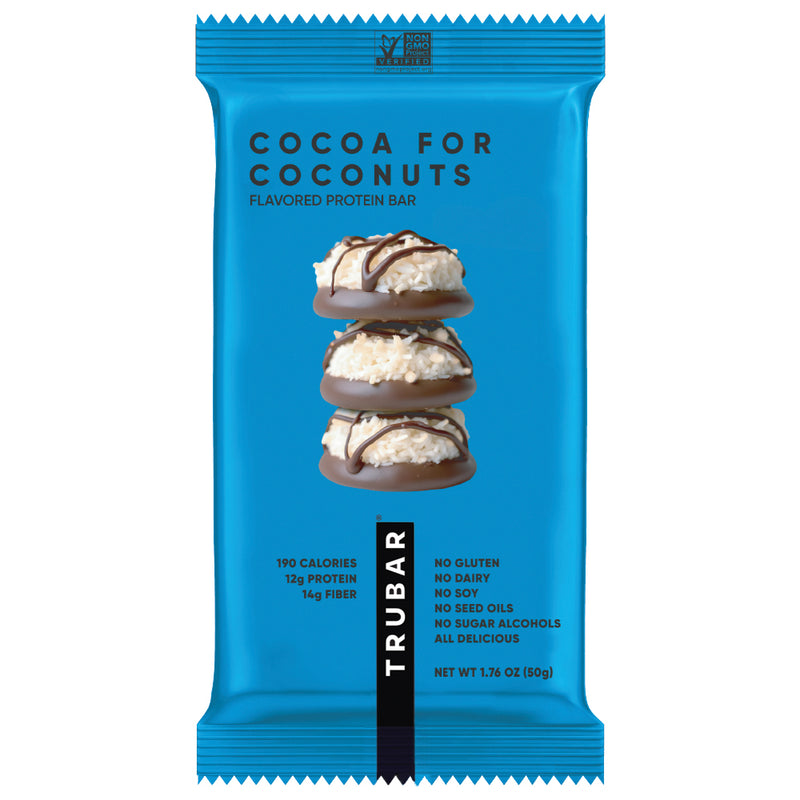 12g protein
Cocoa for Coconuts TRUBAR Nutrition and Protein Bar
Amazon returns policy · secure checkout
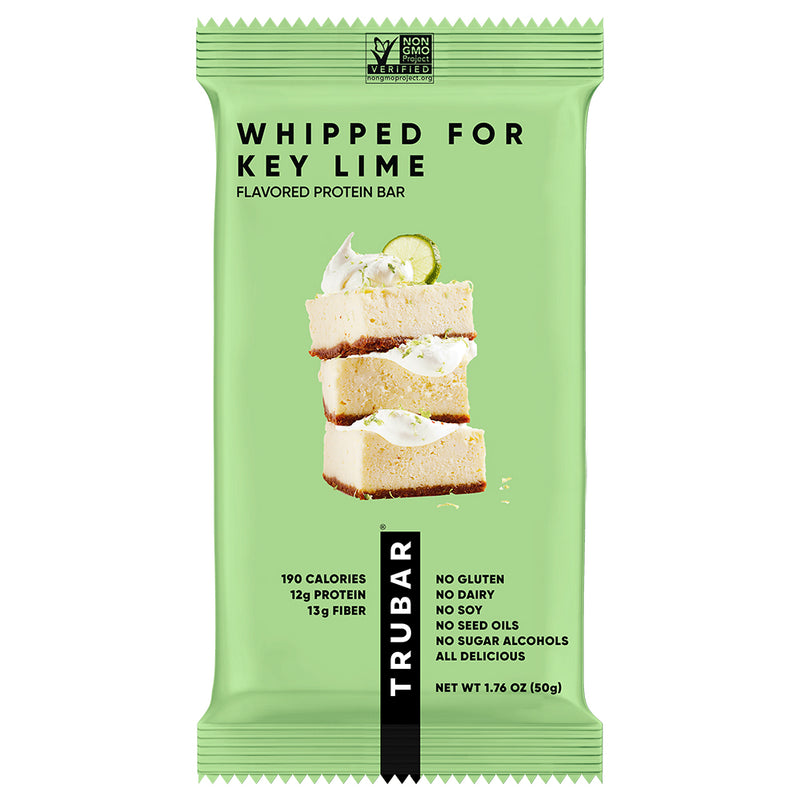 12g protein
Whipped For Key Lime TRUBAR Nutrition and Protein Bar
Amazon returns policy · secure checkout
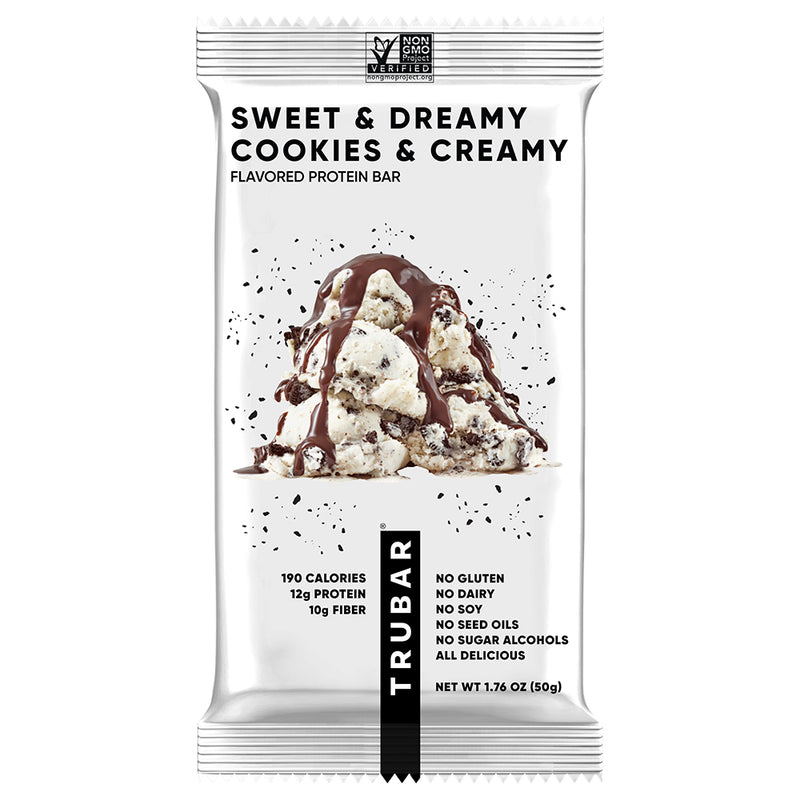 12g protein
Sweet & Dreamy, Cookies & Creamy
Amazon returns policy · secure checkout
Tuna and Salmon: Verified Numbers
| Product | Serving | Protein | Calories | Sodium | Source |
|---|---|---|---|---|---|
| Bumble Bee Chunk Light Tuna in Water | 1 serving (2 oz drained, approx.) | 22g | 80 | 180mg | Verified — brand's own label |
| StarKist Sweet & Spicy Tuna Pouch | 2.6 oz pouch | 16g | 90 | 250mg | Verified — brand's own label |
| Bumble Bee Chipotle Seasoned Tuna Pouch | 2.5 oz pouch | 14g | 70 | — | Verified — brand's own label |
| Canned pink salmon | 3 oz | ~17g | ~118 | Varies by brand | USDA generic value |
The pattern holds across all three verified tuna products: the plain, unflavored version delivers meaningfully more protein per calorie than the seasoned pouch version. Seasoning oils, sauces, and flavor bases add calories without adding protein.
Why Plain Beats Flavored, Almost Every Time
A flavored tuna pouch trades some of the fish's own protein-dense weight for oil, sauce, or seasoning — the pouch is still mostly tuna, but the calorie count climbs while the protein number holds roughly flat or drops slightly. That's not a defect specific to any one brand; it's what happens whenever a plain protein food gets a flavor system built around it. If protein-per-calorie is the goal, plain tuna in water is consistently the stronger choice; if palatability is the deciding factor because a plain pouch won't get eaten, a flavored one that actually gets consumed still beats a snack skipped entirely.
The FDA Mercury Guidance Most Guides Skip
The FDA and EPA jointly publish fish-consumption advice specifically because larger, longer-lived fish accumulate more mercury. Light tuna (skipjack, the kind most "chunk light" cans and pouches use) is rated a “Best Choice” — safe for 2–3 servings a week for most adults. Albacore ("white") tuna carries meaningfully more mercury and is rated a “Good Choice” — limited to about 1 serving a week. Salmon, regardless of canned or fresh, is also rated a “Best Choice” with low mercury. Checking the can or pouch for “chunk light” versus “albacore/white” takes five seconds and is the one piece of information a protein-per-gram comparison alone won't tell you. This guidance applies to the general adult population; pregnant women and young children have their own, more specific FDA/EPA limits.
Salmon vs. Tuna as a Snack
Canned or pouched salmon runs close to tuna on protein (roughly 17g per 3 oz using standard USDA figures for canned pink salmon) but carries meaningfully more fat, most of it the omega-3 fatty acids salmon is known for. That makes salmon a reasonable choice when the goal includes omega-3 intake alongside protein, while tuna in water stays the leaner, lower-calorie pick when the goal is protein with minimal fat.
Frequently Asked Questions
Is tuna in a pouch as healthy as tuna in a can?
Nutritionally, yes — the fish itself doesn't change based on packaging. Pouches are pre-drained and don't need a can opener, which is the entire point of the format; canned tuna in water is often slightly cheaper per ounce and, once drained, carries essentially the same protein.
How much tuna is safe to eat per week?
Per FDA/EPA joint guidance, light (skipjack) tuna is safe at 2–3 servings a week for most adults; albacore/white tuna is limited to about 1 serving a week due to higher mercury content. Pregnant women, those who may become pregnant, and young children have separate, more conservative FDA/EPA limits.
Why does the flavored tuna pouch have less protein than plain tuna?
Seasoning, oil, and sauce added to a flavored pouch take up weight and calorie budget that would otherwise be more tuna — the fish itself isn't lower in protein, there's simply less of it by weight in the same size pouch once other ingredients are added.
Is salmon or tuna better for a protein snack?
Both are strong choices. Tuna in water is leaner and lower-calorie per gram of protein; salmon carries more fat, most of it omega-3s, making it the better pick if getting more omega-3 fatty acids alongside protein is part of the goal.
Bottom line: plain tuna in water is one of the most protein-dense foods available in a snack format — verified numbers show 22g of protein for 80 calories from a standard can. Skip the flavored pouches if protein-per-calorie is the priority, and check the label for “light” versus “albacore” to stay inside the FDA's weekly mercury guidance. Compare more lean protein snacks in the protein snacks directory.
Shop our top high-protein picks
Editor-selected high-protein options related to this guide. As an Amazon Associate we may earn from qualifying purchases.
12g proteinCocoa for Coconuts TRUBAR Nutrition and Protein Bar
Amazon returns policy · secure checkout
12g proteinWhipped For Key Lime TRUBAR Nutrition and Protein Bar
Amazon returns policy · secure checkout
12g proteinSweet & Dreamy, Cookies & Creamy
Amazon returns policy · secure checkout
Tags
High Protein Snacks Pro Editorial Team
Independently researched and editorially reviewed. We compare real nutrition labels and never accept payment for coverage.
Get the best new protein snacks in your inbox
Weekly picks and honest reviews — no spam, unsubscribe anytime.
More from the journal
Best High-Protein Snacks for Breastfeeding (2026): 6 Picks Ranked Against the 71g Daily Target
Breastfeeding raises the protein RDA from 46g a day to 71g a day, an extra 25g you have to find somewhere while holding a baby. The best high-protein snack for breastfeeding in 2026 is fairlife Core Power Elite: 42g of complete, lactose-free milk protein in one 14 fl oz bottle at 230 calories, which covers the entire 25g increase and then some, one-handed, in about a minute. Six real snacks ranked on verified label data, with the protein-per-calorie math shown, the FDA's tuna rule explained, and an honest catch on every pick.
Read more
Best High-Protein Snacks Without Refrigeration (2026): 8 Shelf-Stable Picks With 10g+ Protein, Ranked
Country Archer Zero Sugar Beef Jerky delivers 12g of protein per oz at just 70 calories with 0g sugar and a shelf life of months — the best protein-to-calorie ratio of any shelf-stable snack on this list. For the absolute most protein in one package, a Bumble Bee tuna pouch gives you 17g at 80 calories with no cooking and no refrigeration required. Eight picks ranked by verified protein, calories, and real-world travel durability.
Read more
Best Travel Protein Snacks for Flights, Road Trips, and Hotels
Jerky anchors the travel kit because security ignores it and it cannot spoil — plus the TSA rules on powder, peanut butter, and what flies internationally.
Read more