Best High-Protein Bedtime Snacks (2026): 9 Options Backed by Nutrition Data
The best high-protein bedtime snacks for 2026: FAGE Total 0% Greek yogurt (18g protein, 90 cal), Premier Protein shake (30g, 160 cal), Good Culture 2% cottage cheese (14g per ½ cup, 80 cal), and ON Gold Standard Casein (24g, 120 cal). Casein-dominant proteins digest slowly overnight to support muscle protein synthesis. Verified 2026 nutrition data for all 9 options.
Our top protein powder picks
Editor-selected and ready to buy. As an Amazon Associate we may earn from qualifying purchases.
 25g protein
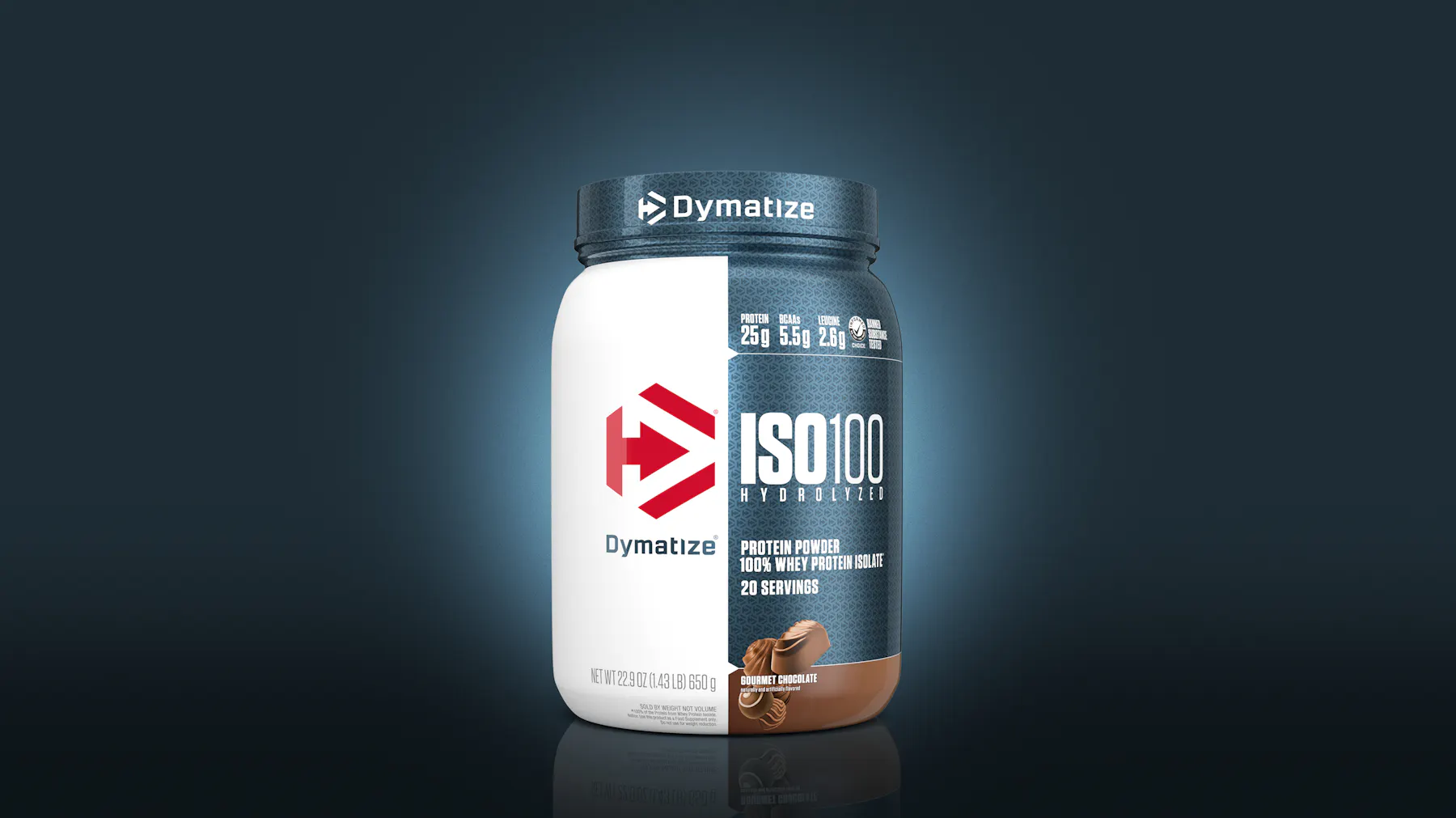
ISO100 Hydrolyzed Protein - Chocolate
Amazon returns policy · secure checkout
 22g protein
 25g protein
Protein Powder - Vanilla Milkshake
Amazon returns policy · secure checkout
Quick Facts
Top bedtime protein picks (2026): FAGE Total 0% Greek Yogurt (¾ cup / 170g): 18g protein, 90 cal · Good Culture 2% Cottage Cheese (½ cup / 113g): 14g protein, 80 cal · ON Gold Standard 100% Casein (1 scoop / 33g): 24g protein, 120 cal · Premier Protein Shake (11.5 fl oz): 30g protein, 160 cal · Siggi’s Plain Skyr 0% (5.3oz): 17g protein, 100 cal. All figures from 2026 brand published nutrition labels.
A high-protein snack before bed is one of the most evidence-backed strategies in practical sports nutrition — and it works for anyone trying to maintain or build muscle, not just competitive athletes. Research shows 30–40g of casein-dominant protein consumed 30 minutes before sleep increases overnight muscle protein synthesis (MPS) without disrupting sleep quality or causing fat gain at equivalent daily calories. The reason casein matters specifically at night: fast-digesting whey protein peaks and clears in 1.5–2 hours; slow-digesting casein releases amino acids over 4–7 hours — far better matching the overnight fasting window. This guide ranks 9 real options by their suitability as bedtime protein sources, with verified 2026 nutrition data for each.
Affiliate links — if you buy through them we earn a small commission at no extra cost to you. Nutrition figures from brand published labels, 2026.
Why Bedtime Protein Matters: The Science
Muscle protein synthesis does not pause during sleep. It continues at a lower rate — unless amino acid availability drops to a level that limits it. After a normal evening meal, circulating amino acids decline within 3–4 hours. By 2 a.m. for someone who ate dinner at 7 p.m., the body is in an amino acid deficit for the rest of the sleep window. Pre-sleep protein solves this by keeping amino acid levels elevated through the night. The most widely cited study in this area (Res et al., Maastricht University, 2012) demonstrated that 40g of casein protein taken 30 minutes before sleep increased whole-body protein synthesis overnight vs. a placebo, with no effect on next-morning hunger or fat mass at equivalent total daily calories. The effect has been confirmed in older adults experiencing accelerated overnight muscle breakdown, in resistance-trained athletes, and at lower doses.
Why casein specifically? Casein forms a gel in the stomach and releases amino acids at roughly half the rate of whey. This slow-release profile matches the 6–8 hour sleep window far better than a fast protein that peaks and clears within 2 hours. The highest-casein whole foods are Greek yogurt, cottage cheese, plain dairy milk, and milk-based protein drinks. Casein protein powder is the most concentrated source. Whey-dominant foods (whey isolate powder, ricotta) are less ideal overnight for this specific mechanism, though they still contribute protein. Mixed milk protein sources (Premier Protein, Fairlife Core Power) contain enough casein to support the overnight effect.
9 Best Bedtime Protein Snacks: Ranked (2026)
| Snack | Serving | Protein | Calories | Protein per 100 cal | Primary protein type |
|---|---|---|---|---|---|
| FAGE Total 0% Greek Yogurt | ¾ cup (170g) | 18g | 90 | 20.0g | Casein + whey blend |
| ON Gold Standard 100% Casein | 1 scoop (33g) | 24g | 120 | 20.0g | Micellar casein |
| Premier Protein Shake | 1 bottle (11.5 fl oz) | 30g | 160 | 18.8g | Milk protein concentrate |
| Siggi’s Plain Skyr 0% | 5.3oz (150g) | 17g | 100 | 17.0g | Casein + whey blend |
| Good Culture 2% Cottage Cheese | ½ cup (113g) | 14g | 80 | 17.5g | Casein-dominant |
| Fairlife Core Power Shake | 1 bottle (14 fl oz) | 26g | 170 | 15.3g | Ultra-filtered milk protein |
| Hard-boiled eggs (×2) | 2 large eggs | 12g | 140 | 8.6g | Complete egg protein |
| Chomps Original Beef Stick | 1 stick (1.15oz) | 10g | 100 | 10.0g | Beef (complete protein) |
| Part-skim string cheese | 1 stick (∼28g) | 7g | 80 | 8.8g | Casein-dominant |
Sorted by protein per 100 calories. Casein-dominant sources (Greek yogurt, cottage cheese, casein powder, string cheese) are preferred at night for slow amino acid release. Milk protein concentrate sources (Premier Protein, Fairlife Core Power) contain roughly 80% casein and 20% whey. All nutrition data from 2026 brand published labels.
Top Picks: Breakdown
1. FAGE Total 0% Greek Yogurt — 18g protein, 90 calories
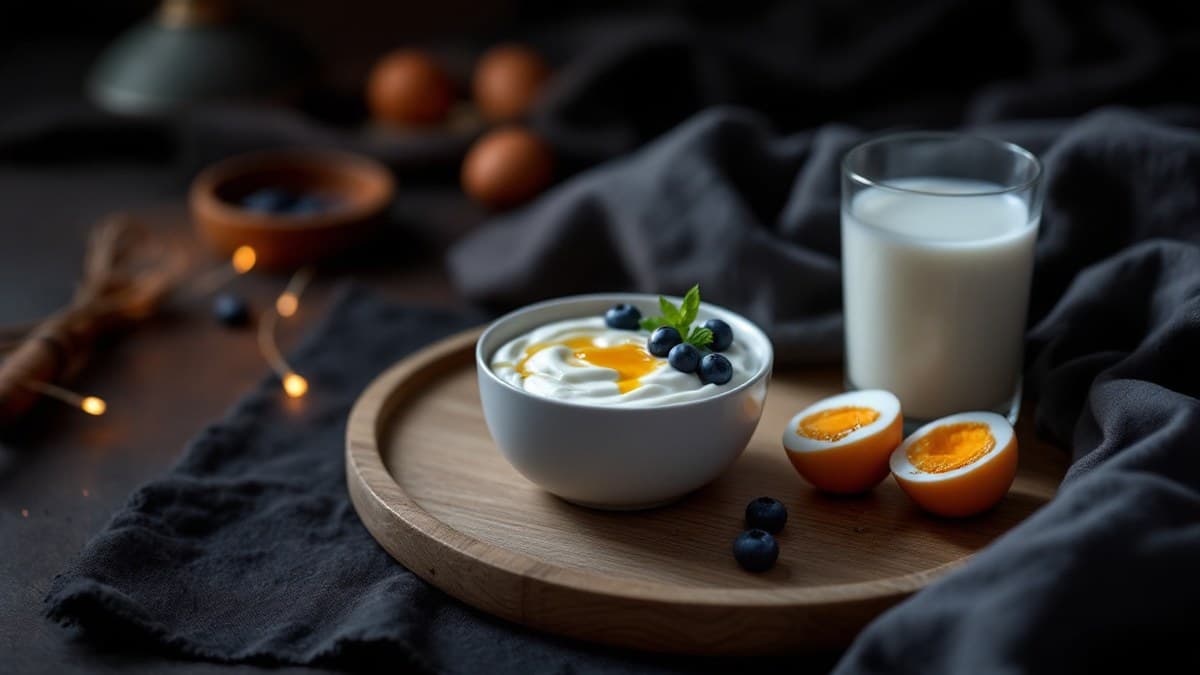
FAGE Total 0% delivers 18g of protein per ¾ cup at just 90 calories — among the best protein-per-calorie ratios of any whole food at mainstream retail. The protein is a natural casein + whey blend from strained Greek yogurt. FAGE 0% is notably thicker and higher-protein per cup than most other Greek yogurt brands. A full cup provides approximately 24g of protein at 120 calories, approaching the 30g target in a single food. Buy the 35.3 oz tub for the best cost per gram of protein. Pair with a handful of berries or a drizzle of honey for palatability. See the FAGE Total 0% nutrition guide for the full label breakdown.
2. ON Gold Standard 100% Casein — 24g protein, 120 calories
Optimum Nutrition’s Gold Standard 100% Casein is the most direct overnight protein supplement available at mainstream retail: micellar casein as the primary protein, 24g per scoop at 120 calories with 1g fat and 3g carbs. Mixed with water or milk, it is the cleanest way to hit the 30–40g pre-sleep target — one scoop in 8 oz of milk adds another 8g for a 32g total at approximately 200 calories. The Chocolate Supreme and Cookies & Cream flavors are well-rated; the Creamy Vanilla version mixes well into Greek yogurt to boost the protein count of a whole-food snack. Available at Walmart, Target, and Amazon.
3. Premier Protein Shake — 30g protein, 160 calories
Premier Protein delivers 30g of milk protein concentrate (roughly 80% casein, 20% whey) per bottle at 160 calories with 1g total sugar and 0g added sugar. No prep required, shelf-stable, and consistently among the most affordable RTD protein options at Costco (~$2 per bottle in 15-packs). A single bottle before bed hits the research-supported 30g pre-sleep target in one step, without requiring any preparation. The Caramel and Chocolate flavors are the top sellers. See our Premier Protein shake nutrition guide for the full comparison.
4. Siggi’s Plain Skyr 0% — 17g protein, 100 calories
Siggi’s 0% plain skyr delivers 17g of protein at 100 calories per 5.3oz cup with 0g fat, 0g added sugar, and only 3g of natural sugar — one of the lowest-sugar dairy protein sources available. The protein is primarily casein, making it an excellent overnight option. Skyr has a tangier, denser texture than Greek yogurt. Available at Whole Foods, Target, Walmart, and most major grocery chains. If FAGE Total 0% is unavailable, Siggi’s is the closest equivalent on protein density and protein type.
5. Good Culture 2% Cottage Cheese — 14g protein per ½ cup, 80 calories
Good Culture uses a small-curd ultra-filtered process that yields higher protein per serving than conventional cottage cheese. The 2% variety delivers 14g of protein per ½ cup at 80 calories with 2.5g fat — nearly all casein, making it one of the most effective bedtime protein sources in the whole-food category. A full cup delivers approximately 28g of protein at 160 calories, near the 30g pre-sleep target. Good Culture is available at Whole Foods, Target, and Sprouts. Pair with a drizzle of honey or hot sauce for flavor without meaningfully adding calories.
6. Fairlife Core Power Shake — 26g protein, 170 calories
Fairlife Core Power uses ultra-filtered milk to deliver 26g of protein per 14 fl oz bottle at 170 calories with approximately 5g of natural sugar and 0g of added sugar. The protein source is milk protein (roughly 80% casein, 20% whey). Available at Costco, Target, Walmart, and Whole Foods. Costs slightly more per gram of protein than Premier Protein but less than ON Casein powder at comparable doses. See our Fairlife Core Power nutrition guide for the full comparison across the Core Power line.
7. Hard-boiled eggs (×2) — 12g protein, 140 calories
Two large hard-boiled eggs deliver approximately 12g of complete protein at 140 calories with 10g of fat and 0g of carbs. Egg protein has the highest PDCAAS (Protein Digestibility Corrected Amino Acid Score) of any whole food — 1.0. The fat content slows gastric emptying, extending amino acid release somewhat. At 12g per two-egg serving, eggs don’t reach the 30g pre-sleep target alone but pair well with cottage cheese or a glass of milk to reach it. Pre-cooked hard-boiled eggs keep in the refrigerator for up to one week and cost roughly $0.30–$0.40 each at most grocery chains.
8. Chomps Original Beef Stick — 10g protein, 100 calories
One Chomps Original beef stick delivers 10g of protein at 100 calories with 0g added sugar, 5g fat, and a short ingredient list: grass-fed beef, sea salt, and minimal spices. Shelf-stable and portion-controlled. At 10g protein per stick, Chomps is too low to be a standalone bedtime protein source for MPS purposes, but it works well as a component alongside a container of cottage cheese or a glass of milk to increase the total dose. Best suited as a light protein top-up when a high-protein dinner was eaten within a few hours of sleep.
9. Part-Skim String Cheese — 7g protein, 80 calories
A single part-skim mozzarella string cheese stick delivers approximately 7g of protein at 80 calories with 5g fat and about 180mg sodium. The protein is primarily casein (mozzarella is a caseinate-based cheese), which is the right protein type for overnight use. String cheese is shelf-stable, requires no prep, and is portion-controlled. Like Chomps, the per-piece protein count is too low to meet the 30g pre-sleep target alone. It works best as a protein component alongside a shake or Greek yogurt to increase the total dose without adding a large calorie cost.
Is a Bedtime Protein Snack Healthy? Who Should Eat One?
For most active adults, yes — a pre-sleep protein snack is a net positive. The common concern that eating before bed causes fat gain has been repeatedly tested in controlled research and found to be false when total daily calorie intake is equivalent. Pre-sleep protein does not cause additional fat accumulation compared to the same protein eaten earlier in the day. What it does is meaningfully increase overnight muscle protein synthesis — particularly for people doing resistance training, older adults experiencing age-related muscle loss (sarcopenia), and people recovering from injury or illness.
Who benefits most:
- Resistance training athletes: pre-sleep casein protein consistently increases overnight MPS and contributes to muscle recovery from the previous day’s training. This is the population where the research evidence is strongest.
- Adults over 50: muscle protein synthesis becomes less efficient with age (anabolic resistance), and older adults experience more muscle breakdown during overnight fasting. Pre-sleep protein shows significant benefits in elderly populations even without exercise, for slowing sarcopenia.
- People with a long evening gap: if more than 4 hours separate the last high-protein meal from sleep, a bedtime snack replenishes amino acids before the overnight fast begins. The shorter that gap, the smaller the incremental benefit.
- Anyone in a calorie deficit: preserving lean muscle during fat loss is harder during a calorie deficit. Pre-sleep protein increases the signal for muscle preservation during the longest daily fast window.
Who probably doesn’t need a bedtime snack: people who eat a high-protein dinner within 2–3 hours of sleep, people whose total daily protein is already above 1g per pound of body weight, and people who find eating before bed disrupts their sleep quality or causes reflux. For the last group, a small-volume, low-fat shake (rather than a high-fat food) tends to be better tolerated.
Frequently Asked Questions
How much protein should I eat before bed?
Research on pre-sleep protein consistently supports 30–40g of protein (preferably casein-dominant) as the dose that maximally stimulates overnight muscle protein synthesis in most adults. A single bottle of Premier Protein (30g), 1.5 cups of FAGE Total 0% Greek yogurt (approximately 27g), or one full cup of Good Culture cottage cheese (approximately 28g) all fall in this range. Doses below 20g still trigger MPS but produce a submaximal response. The bedtime snack has the most incremental value when there is a gap of 4+ hours between the last protein-containing meal and sleep. This is not medical advice — individual protein needs vary by body weight, training status, and health conditions.
Is casein protein better than whey at night?
For overnight use specifically, yes. Casein’s slow digestion (4–7 hours) matches the sleep window far better than whey (1.5–2 hours). Whey protein peaks quickly and clears before the full sleep window ends; casein keeps amino acid levels elevated through most of the night. That said, “casein-dominant” does not mean “pure casein powder only” — Greek yogurt, cottage cheese, and milk protein concentrates contain enough casein to produce the overnight effect at whole-food scale. The practical difference between a Greek yogurt and a pure casein shake is real but not dramatic for most people whose primary goal is a nutritious, high-protein snack before bed.
Will eating protein before bed make me gain fat?
No — at equivalent total daily calories, pre-sleep protein does not increase fat gain compared to protein eaten earlier in the day. Multiple randomized controlled trials have tested this directly. The concern comes from older observational studies linking late-night eating to weight gain, but those studies didn’t control for total calorie intake. The practical implication: the bedtime snack should be counted within your total daily protein and calorie budget, not added on top of an already complete intake. Adding an extra 30g protein snack without adjusting the rest of your diet adds approximately 120–160 calories per night, which would contribute to weight gain at any time of day.
Is Greek yogurt or cottage cheese better before bed?
Both are excellent choices for similar reasons. FAGE Total 0% Greek yogurt delivers 18g per ¾ cup at 90 calories (20g protein per 100 cal). Good Culture 2% cottage cheese delivers 14g per ½ cup at 80 calories (17.5g per 100 cal). Cottage cheese has a slightly higher casein fraction (nearly all casein vs. approximately 75–80% casein in Greek yogurt). To reach 30g before bed, you need approximately 1.5–1.75 cups of FAGE 0% or one full cup of Good Culture. The best choice is whichever you prefer eating at night — adherence matters more than the minor difference in casein fraction between the two options.
Do I need a protein supplement, or can I get enough from food?
Whole foods alone can easily cover the 30g pre-sleep target. One cup of Good Culture cottage cheese delivers approximately 28g; 1.5 cups of FAGE 0% delivers approximately 27g; one cup of FAGE 0% plus a string cheese delivers approximately 31g. Protein supplements (casein powder, Premier Protein) are convenient and portable but not nutritionally superior to whole-food dairy sources. The main advantages of a supplement are volume (30g of protein in a smaller food volume) and convenience (no refrigeration required for a shelf-stable shake). If you already have dairy in the refrigerator, cottage cheese and Greek yogurt are the more cost-effective bedtime protein sources.
Bottom line: the best high-protein bedtime snacks in 2026 are casein-dominant dairy foods and dairy-based protein drinks: FAGE Total 0% Greek yogurt (18g/90 cal per ¾ cup), Good Culture 2% cottage cheese (14g/80 cal per ½ cup), Premier Protein shake (30g/160 cal), and ON Gold Standard 100% Casein (24g/120 cal per scoop). These rank above beef sticks and eggs for overnight use specifically because casein digests slowly and keeps amino acid levels elevated through the full sleep window. The 30–40g pre-sleep protein dose is the research-supported target for meaningful overnight muscle protein synthesis. A protein shake or a large container of Greek yogurt or cottage cheese is the most practical way to hit that target without a large calorie cost. For the full protein snack context, see the best protein snacks for muscle building guide, the FAGE Total 0% nutrition facts, and our Premier Protein shake nutrition guide.
Shop our top protein powder picks
Editor-selected high-protein options related to this guide. As an Amazon Associate we may earn from qualifying purchases.
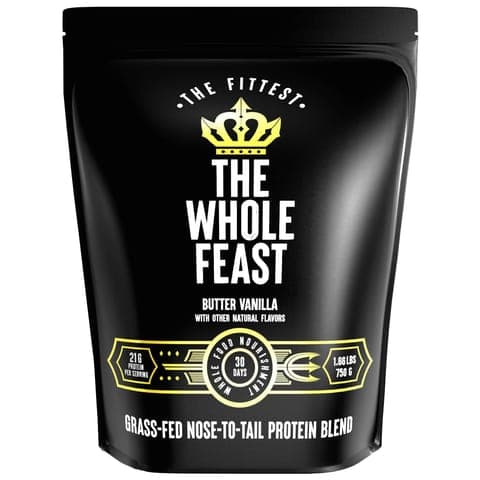
25g proteinISO100 Hydrolyzed Protein - Chocolate
Amazon returns policy · secure checkout
22g protein25g proteinProtein Powder - Vanilla Milkshake
Amazon returns policy · secure checkout
Tags
High Protein Snacks Pro Editorial Team
Independently researched and editorially reviewed. We compare real nutrition labels and never accept payment for coverage.
Get the best new protein snacks in your inbox
Weekly picks and honest reviews — no spam, unsubscribe anytime.
More from the journal
FAGE vs Chobani Greek Yogurt (2026): Protein, Price, and Which Brand Actually Wins
At their standard plain nonfat servings, FAGE Total 0% delivers 18g of protein at 90 calories (20g per 100 cal) while Chobani Nonfat Plain gives 14g at 80 calories. Both use just milk and live cultures — no additives, no thickeners. FAGE wins on protein density; Chobani wins on price (typically $0.30–$0.50 cheaper per cup) and availability. 2026 full comparison across all three fat levels, ingredients, texture, and who should buy which.
Read more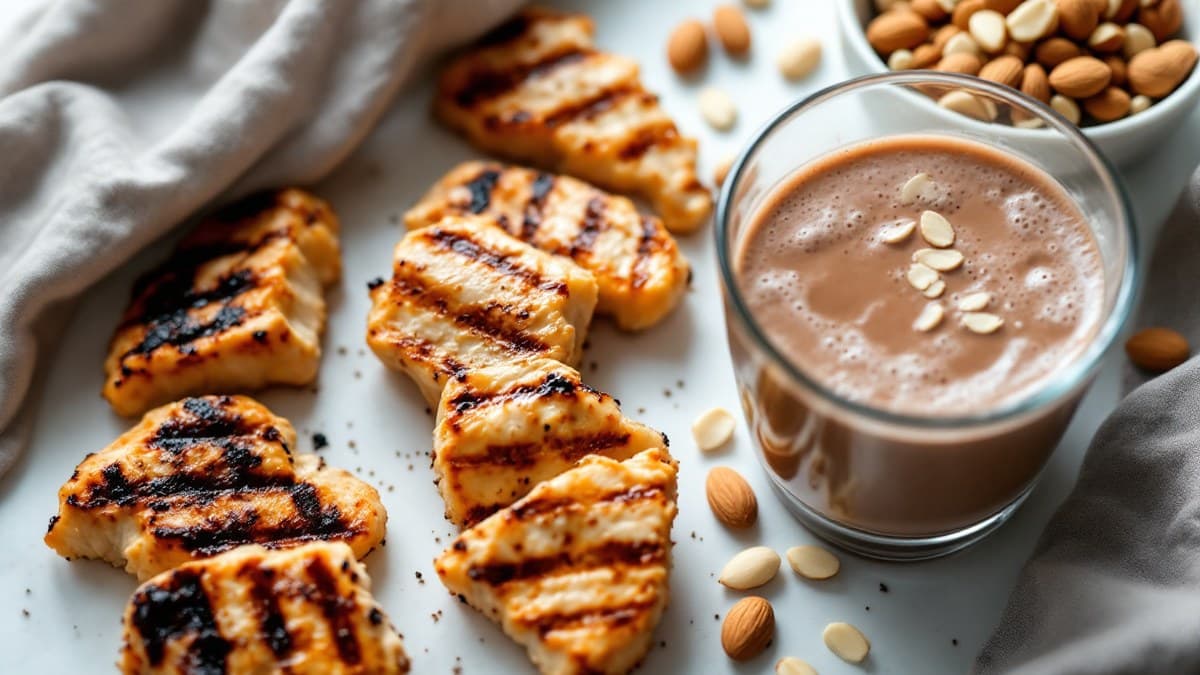
Best Protein Snacks for Muscle Building (2026): 10 Real Options Ranked by Protein Density
Ranked by protein per 100 calories — the metric that actually determines how efficiently a snack builds toward your daily protein target. David Protein Bar leads at 18.7g/100 cal, tuna pouches hit 24.3g/100 cal, and Fairlife shakes hit 20g/100 cal. Verified 2026 nutrition data for all 10 options.
Read more
Isopure Nutrition Facts (2026): Zero Carb Whey Protein Isolate & Isopure Clear, Every Number Verified
Isopure Zero Carb 100% Whey Protein Isolate delivers 25g of protein at 110 calories with 0g sugar, 0g carbs, and 0g fat per scoop — 22.7g of protein per 100 calories. The Isopure Clear ready-to-drink bottle delivers 32g of protein at 130 calories, the highest protein-per-calorie ratio of any mainstream shake we've verified. Full 2026 label numbers for both formats and an honest comparison against Dymatize ISO100, Optimum Nutrition Gold Standard, Fairlife Nutrition Plan, and Premier Protein.
Read more