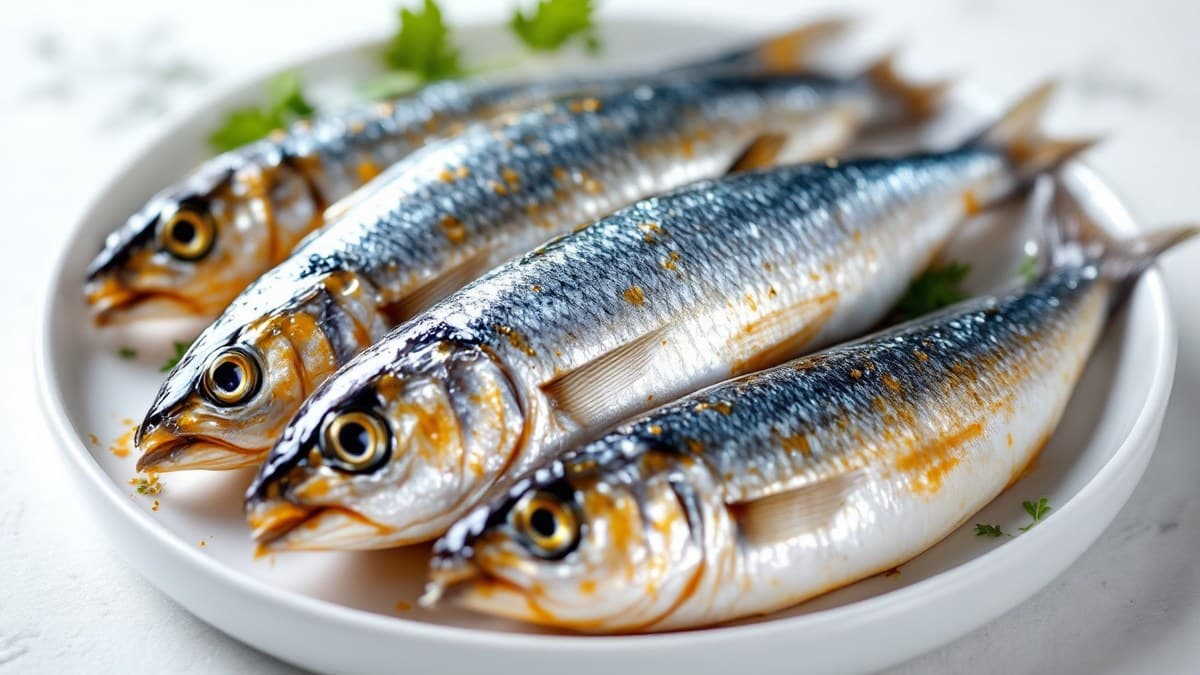
Sardines Protein Content (2026): 22–24g Per Can and One of the Best Protein-Per-Calorie Foods You Can Buy
A 3.75 oz can of sardines in water delivers 22g of protein at 100 calories — 22g of protein per 100 calories, the highest ratio of any shelf-stable packaged food that costs under $2. Sardines in olive oil deliver the same 22–24g of protein at 150–190 calories, adding omega-3 fat from both the fish and the oil. Verified 2026 nutrition facts for Crown Prince, Wild Planet, King Oscar, and Brunswick sardines, plus a direct comparison with canned tuna, tuna pouches, and protein bars.
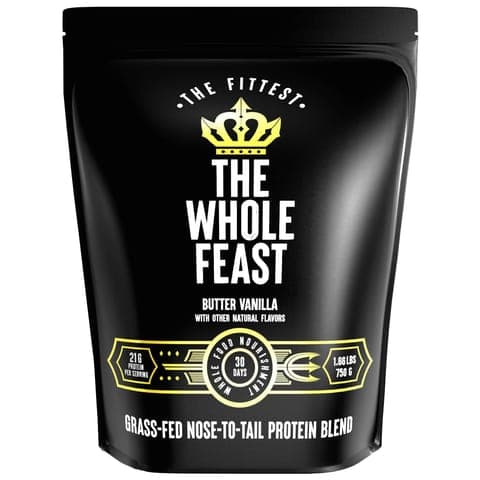
Our top high-protein picks
Editor-selected and ready to buy. As an Amazon Associate we may earn from qualifying purchases.
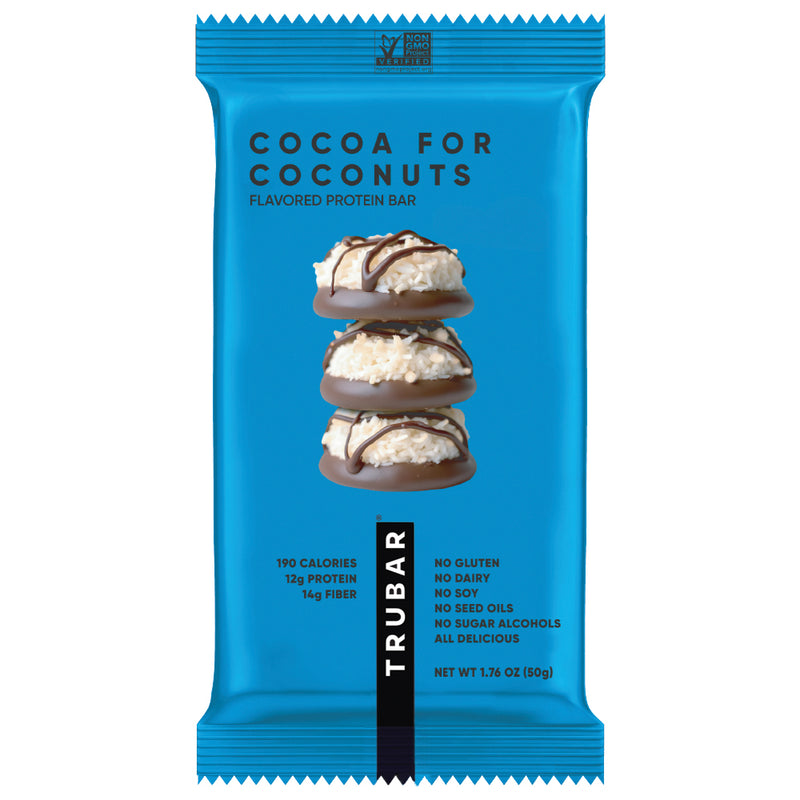 12g protein
Cocoa for Coconuts TRUBAR Nutrition and Protein Bar
Amazon returns policy · secure checkout
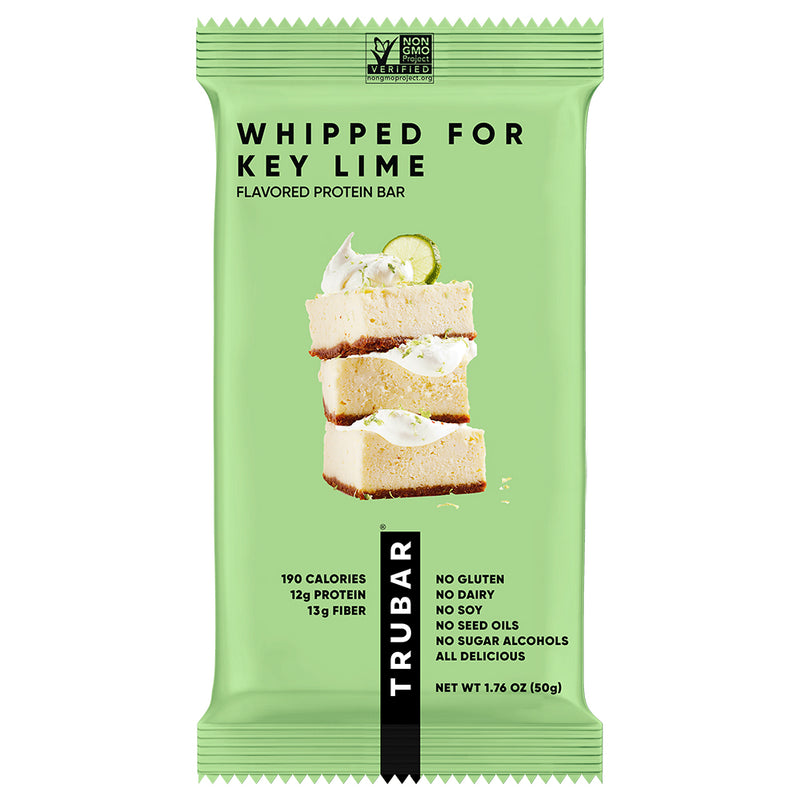 12g protein
Whipped For Key Lime TRUBAR Nutrition and Protein Bar
Amazon returns policy · secure checkout
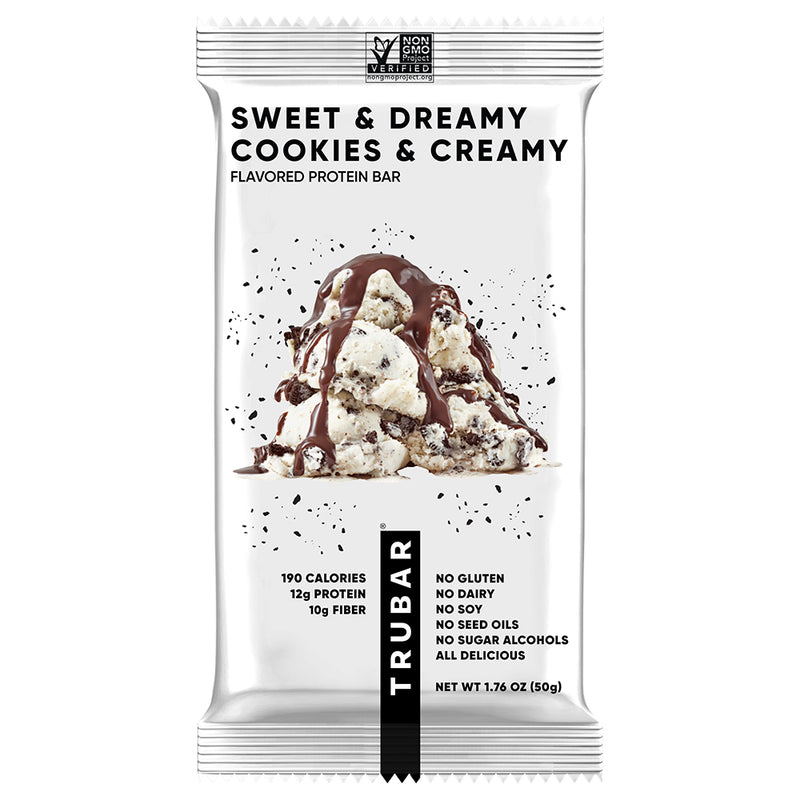 12g protein
Sweet & Dreamy, Cookies & Creamy
Amazon returns policy · secure checkout
The 30-second answer
A 3.75 oz can of sardines packed in water delivers approximately 22g of protein at 100 calories — 22.0g of protein per 100 calories, one of the highest ratios of any shelf-stable packaged food. Sardines in olive oil deliver the same 22–24g of protein at 150–190 calories, adding roughly 1,000–2,000mg of combined omega-3 fatty acids (EPA + DHA) per can. The protein is complete: sardines contain all nine essential amino acids in amounts comparable to a chicken breast. The main variable between brands is the packing liquid — water minimizes calories, olive oil adds heart-healthy fat, and tomato sauce adds carbs and sodium. Every figure below comes from each brand’s own published Nutrition Facts panel, verified October 5, 2026.
Sardines are one of the most protein-dense shelf-stable foods available, but they are almost never mentioned in protein-snack comparisons because of one problem: they are associated with smell. In a closed office or a car, that concern is real; at home, at a campsite, on a boat, or anywhere with ventilation, a 3.75 oz can opened with a pull tab gives you more protein per calorie than a Quest Bar, more omega-3 than most fish oil capsules, more calcium than a glass of milk (the bones are soft enough to eat), and a price of roughly $1.50–$3.00 per can at any grocery store or gas station. The protein is not comparable to a protein bar in convenience, but it is far superior in nutrition density per dollar. Browse all shelf-stable protein options in the protein snacks directory.
Affiliate links — if you buy through them we earn a small commission at no extra cost to you. No brand paid for placement, and every nutrition figure comes from the manufacturer’s own published label.
Sardines Nutrition Facts by Brand: 2026 Verified Label Data
All figures are per one 3.75 oz (106g) can as printed on the Nutrition Facts panel, verified October 5, 2026 from each brand’s own website or published label. Omega-3 figures are total EPA + DHA as published by the brand or the USDA FoodData Central database.
| Brand & Variety | Calories | Protein | Fat | Carbs | Sodium | Omega-3 | Protein / 100 cal |
|---|---|---|---|---|---|---|---|
| Wild Planet Wild Sardines in EVOO | 150 | 23g | 8g | 0g | 180mg | ~1,500mg | 15.3g |
| Crown Prince Natural Sardines in Olive Oil | 190 | 22g | 11g | 0g | 350mg | ~1,700mg | 11.6g |
| King Oscar Sardines in Olive Oil | 210 | 22g | 14g | 0g | 360mg | ~1,600mg | 10.5g |
| Brunswick Sardines in Soy Oil (drained) | 200 | 22g | 13g | 0g | 540mg | ~1,200mg | 11.0g |
| Brunswick Sardines in Tomato Sauce | 130 | 17g | 6g | 4g | 420mg | ~1,100mg | 13.1g |
| Generic sardines in water (USDA reference) | 100 | 22g | 2g | 0g | 350mg | ~900mg | 22.0g |
Protein / 100 cal = (protein ÷ calories) × 100. Omega-3 (EPA + DHA) estimates are from each brand’s own published label or USDA FoodData Central; “~” indicates a published range. The USDA reference row is FoodData Central entry for canned sardines in water (ID 175156), the standardized baseline for water-packed sardines. Wild Planet EVOO figures are from wildplanetfoods.com; Crown Prince from crownprince.com; King Oscar from kingoscar.com; Brunswick from brunswick.ca. All verified October 5, 2026.
Sardines vs. Other High-Protein Portable Foods
All figures are per one typical serving of each food. Protein per 100 calories shows protein efficiency, normalizing across different serving sizes and food types.
| Food (per typical serving) | Serving | Calories | Protein | Protein / 100 cal | Shelf-stable? |
|---|---|---|---|---|---|
| Sardines in water (can) | 3.75 oz | 100 | 22g | 22.0g | Yes |
| Wild Planet sardines in EVOO | 3.75 oz | 150 | 23g | 15.3g | Yes |
| Tuna in water (2.6 oz pouch) | 2.6 oz | 70 | 16g | 22.9g | Yes |
| DAVID Gold protein bar | 55g bar | 150 | 28g | 18.7g | Yes |
| Quest Bar | 60g bar | 190 | 21g | 11.1g | Yes |
| Greek yogurt, plain 2% (Fage) | 5.3 oz | 90 | 15g | 16.7g | No |
| Beef jerky, plain (Jack Link’s) | 1 oz | 80 | 11g | 13.8g | Yes |
Sardines in water are the USDA FoodData Central reference. Wild Planet EVOO from wildplanetfoods.com. Tuna pouch figure for Starkist Selects in water (2.6 oz, 70 cal, 16g protein) from starkist.com. DAVID Gold from davidprotein.com. Quest from questnutrition.com. Fage Total 2% from fageusa.com. Jack Link’s from jacklinks.com. All verified October 5, 2026. Greek yogurt is shown for reference as a comparison despite requiring refrigeration.
The Protein in Sardines: Quality, Completeness, and the Bone Question
Sardine protein is high-quality, complete protein. Sardines score near the top of the PDCAAS (Protein Digestibility Corrected Amino Acid Score) scale for protein quality, providing all nine essential amino acids in amounts comparable to chicken and other lean meats. The 22–23g per 3.75 oz can comes from the fish muscle, not from fillers or isolates. The protein is also easily digestible — cooked fish protein has a digestibility coefficient of about 0.95, meaning most of the labeled protein is actually absorbed.
The bones in sardines are soft enough to eat and contain significant calcium: a 3.75 oz can of sardines in oil provides approximately 350mg of calcium, roughly 27% of the FDA’s daily value for adults, in addition to the protein. This is unusual for a protein food — most protein sources (bars, jerky, shakes) contain little to no calcium. Sardines are also one of the richest dietary sources of vitamin D, with roughly 250–350 IU per can (30–44% of the daily value), and the omega-3 fatty acids (EPA + DHA) at 1,000–2,000mg per can exceed what most fish-oil supplements provide per two capsules.
Which Sardine Packing Liquid Should You Choose?
In water: the lowest calories (about 100 per can), the highest protein-per-calorie ratio (22g/100 cal), and very little omega-3 in the liquid itself (the EPA and DHA are in the fish, not the water). Best choice if you are counting calories or adding sardines to a dish with its own dressing. The flavor is plainer and the texture is softer than olive oil varieties.
In extra-virgin olive oil: 150–190 calories per can depending on how much oil you drain. The sardine’s own omega-3 content is unchanged, but the olive oil itself is rich in monounsaturated fat and polyphenols — which is part of what makes this the preferred packing liquid for quality brands like Wild Planet and King Oscar. Best choice for direct eating from the can, on crackers, or on toast, where the oil serves as a dressing.
In tomato sauce: adds carbohydrates (4–6g per can from the sauce), raises sodium, and reduces the protein-per-calorie ratio compared to water-packed. The trade-off is flavor — the tomato sauce makes the can more convenient to eat directly. Brunswick makes the most common variety in this format.
In soy oil: common in budget brands (Brunswick, Season) but contributes a significant amount of omega-6 fat from the soy oil, which partially offsets the omega-3 benefit. If the omega-3-to-omega-6 ratio matters to you, drain this variety well or choose an olive oil or water option instead.
Is a Can of Sardines a Healthy Snack?
Yes, by essentially every nutritional metric a protein snack is measured on. The full nutritional picture of a 3.75 oz can of sardines in olive oil (using Wild Planet as the baseline):
- Protein: 23g of complete, highly digestible protein. Comparable to three large eggs or one chicken thigh.
- Omega-3s: ~1,500mg EPA + DHA. This exceeds the 1,000–1,200mg per day recommended for people with cardiovascular risk factors, and meets the American Heart Association’s guidance for two servings of fatty fish per week in a single can.
- Calcium: ~350mg, about 27% of the daily value, from the edible soft bones.
- Vitamin D: ~300 IU, about 38% of the daily value.
- Sodium: 180mg (Wild Planet) to 540mg (Brunswick soy oil) per can — a meaningful range. Wild Planet is the lowest-sodium option; Brunswick in soy oil is the highest.
- Mercury: Sardines are a small, short-lived fish and are among the lowest-mercury seafood options. The FDA classifies sardines as a “best choice” fish for pregnant women and children, the highest safety tier.
Frequently Asked Questions
How much protein is in a can of sardines?
A standard 3.75 oz (106g) can of sardines contains 17–23g of protein, depending on the brand and packing liquid. Sardines packed in water deliver the most protein per calorie (approximately 22g at 100 calories), while sardines in olive oil deliver similar protein at higher calories due to the added fat. Brunswick sardines in tomato sauce are on the lower end at 17g, because the sauce adds carbohydrate and water weight, diluting the protein density.
Are sardines higher in protein than tuna?
Per can, sardines and tuna are comparable, but the serving sizes differ. A 3.75 oz sardine can has 22–23g of protein; a 2.6 oz tuna pouch (the most common snack format) has 16–17g. Per 100 calories, tuna in water edges ahead at 22.9g per 100 calories versus 22.0g for sardines in water. Both are among the highest protein-per-calorie foods that are fully shelf-stable. The main practical difference: tuna pouches are smaller and easier to eat on the go; sardine cans require a surface and some tolerance for the smell. For the full tuna and salmon comparison, see our tuna and salmon pouches guide.
Do sardines have more protein than a protein bar?
In absolute grams, a sardine can (22–23g) beats most protein bars (10–21g) and equals or beats the best (Quest at 21g, DAVID Gold at 28g). On protein per calorie, sardines in water at 22g/100 cal beat every mainstream protein bar except DAVID Gold (18.7g/100 cal). The comparison that matters practically: a sardine can at $1.50–$2.50 delivers more complete protein than a $2.00 Quest Bar at fewer calories, with more calcium and omega-3s, but requires a can opener, generates an odor, and needs to be eaten in a place where that is acceptable.
How do I know which sardine brand to buy?
For the best protein per calorie: sardines in water (generic or store brand), approximately $1.50 per can. For the best quality and lowest sodium in olive oil: Wild Planet (180mg sodium, 23g protein, 150 cal). For widespread availability at the lowest price: Brunswick (available at nearly every grocery store and Walmart). For the smallest ecological footprint: Wild Planet and Crown Prince are both MSC-certified sustainable fisheries. King Oscar is a premium option with a cleaner, milder flavor that works well eaten directly from the can.
Can I eat sardines as a daily protein source?
Yes. The FDA classifies sardines as a “best choice” fish (lowest mercury tier), safe for daily consumption. The American Heart Association recommends two servings of fatty fish per week, and sardines more than qualify. The practical limit is culinary — most people do not want to eat canned sardines every day, and varying protein sources is good nutritional practice regardless. If sodium is a concern, Wild Planet at 180mg per can is manageable within a normal daily sodium budget of 2,300mg.
Bottom line: canned sardines are one of the most nutrient-dense portable protein foods available — 22–23g of complete protein, 1,000–2,000mg of EPA + DHA omega-3s, and 27% of the daily calcium value per 3.75 oz can, at a cost of $1.50–$3.00 per can at any grocery store. On protein per calorie, sardines in water (22g/100 cal) match or beat every mainstream protein bar and every protein shake except a few specialized options. The trade is real: sardines require a surface, a tolerance for the aroma, and are better suited to home or outdoor eating than to a desk or a commute. For desk-friendly shelf-stable protein alternatives, see our guides to the best beef jerky and tuna and salmon pouches. For the full high-protein snack catalog, browse the protein snacks directory.
Shop our top high-protein picks
Editor-selected high-protein options related to this guide. As an Amazon Associate we may earn from qualifying purchases.
12g proteinCocoa for Coconuts TRUBAR Nutrition and Protein Bar
Amazon returns policy · secure checkout
12g proteinWhipped For Key Lime TRUBAR Nutrition and Protein Bar
Amazon returns policy · secure checkout
12g proteinSweet & Dreamy, Cookies & Creamy
Amazon returns policy · secure checkout
Tags
High Protein Snacks Pro Editorial Team
Independently researched and editorially reviewed. We compare real nutrition labels and never accept payment for coverage.
Get the best new protein snacks in your inbox
Weekly picks and honest reviews — no spam, unsubscribe anytime.
More from the journal
Catalina Crunch Nutrition Facts (2026): 11g Protein and 0g Sugar Per Bowl Explained
Catalina Crunch delivers 11g of plant-based protein, 9g of prebiotic fiber, and 0g of sugar in a single half-cup (36g) serving at 110 calories. Verified 2026 nutrition facts for all major flavors, a breakdown of the pea protein blend and monk fruit sweetener system, and a direct comparison with Magic Spoon and Kashi Go.
Read more
Wilde Protein Chips Nutrition Facts (2026): Every Flavor Ranked by Protein
Spicy Queso leads at 14g of protein per 1.34oz bag with 0g of sugar — the highest protein density in Wilde’s lineup. Every flavor verified: calories, fat, carbs, fiber, sugar, protein, and sodium per bag, plus how Wilde compares to Quest and PopCorners.
Read more
Gatorade Protein Shake Nutrition Facts (2026): Recover vs Super Shake — 20g vs 30g Protein Compared
Gatorade makes two protein shakes with very different goals: the Recover Protein Shake delivers 20g of protein at 270–280 calories for post-workout recovery, while the Super Shake delivers 30g at 180–190 calories — more protein, fewer calories, and 60% of your daily calcium. Verified 2026 nutrition facts for both lines, all flavors, and a head-to-head against Premier Protein and Fairlife.
Read more