Complete vs Incomplete Protein (2026): Why Collagen Counts on the Label but Can't Build Muscle Alone
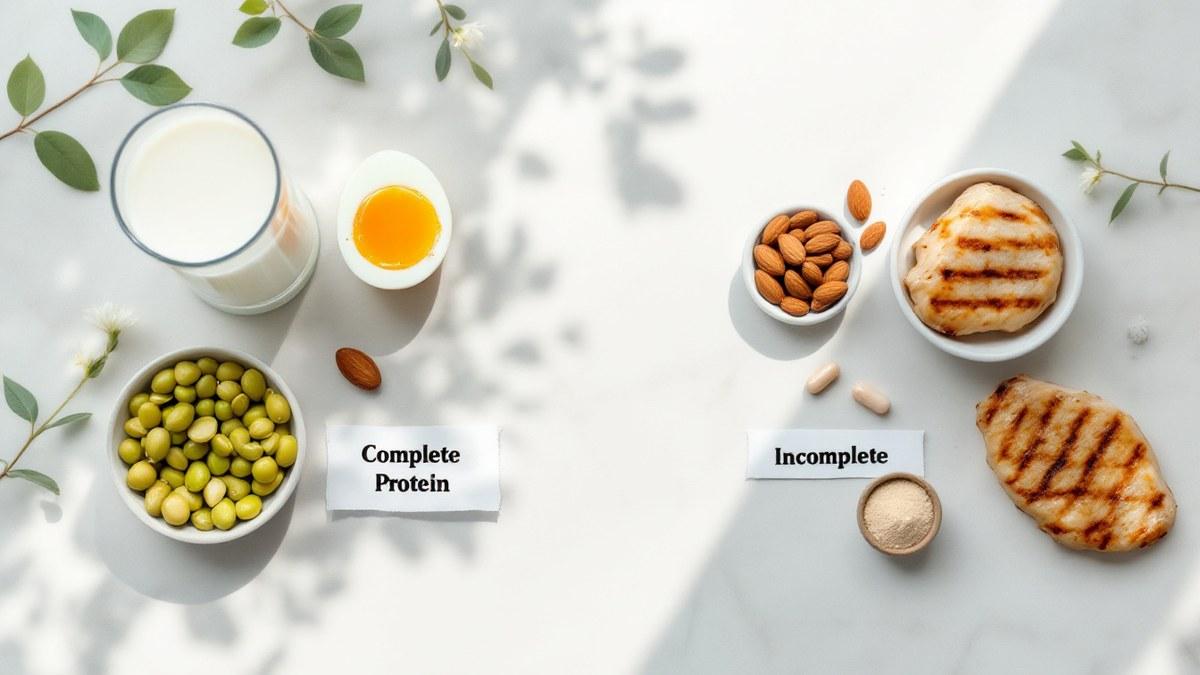
A complete protein contains all nine essential amino acids. An incomplete protein is missing one or more. Collagen — the hidden protein in Pure Protein and Built Bar — is incomplete: it has zero tryptophan and near-zero methionine. That 20g on the label is real weight, but not all of it is doing the same job. Here is what complete vs incomplete protein means in practice for anyone eating protein bars.
Our top protein bar picks
Editor-selected and ready to buy. As an Amazon Associate we may earn from qualifying purchases.
 28g protein
 30g protein
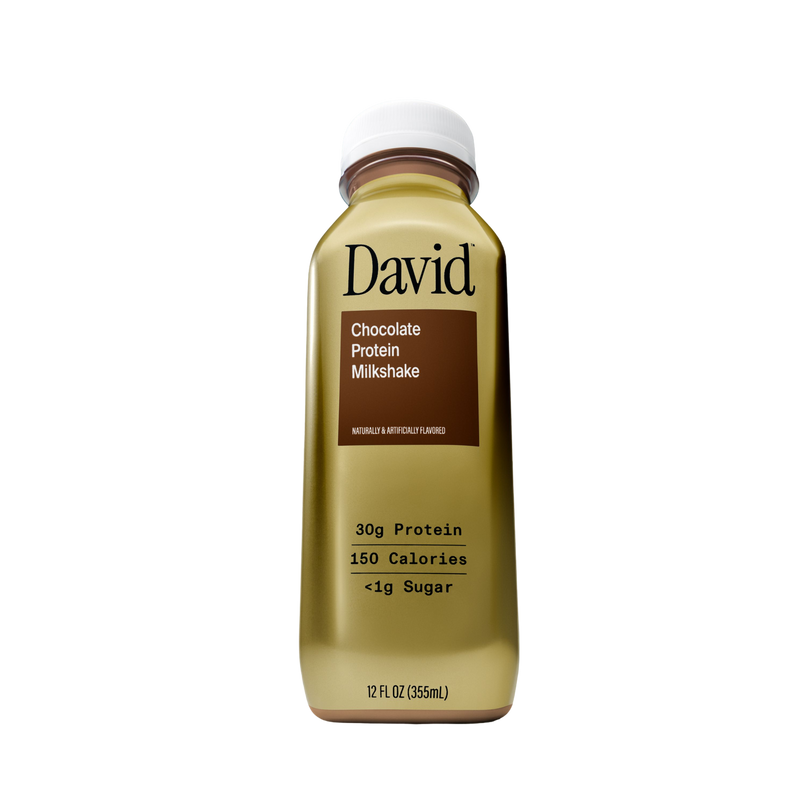 30g protein
Direct Answer
A complete protein contains all nine essential amino acids (EAAs) in sufficient quantities. An incomplete protein is missing at least one. Whey, casein, eggs, chicken, and soy are complete. Collagen is incomplete — it has zero tryptophan and near-zero methionine. Many protein bars (Barebells, Pure Protein, Built Bar) blend whey with collagen: the label reads “20g protein” but several of those grams cannot support muscle protein synthesis the way a pure-whey bar can. The difference matters most for active adults trying to build or maintain muscle; for general snacking, the blended bars still deliver useful protein.
The front of a protein bar says 20g of protein. So does the bar next to it. Same number, same macros on paper — but depending on where that protein comes from, the two bars may deliver meaningfully different value for muscle building, recovery, and satiety. The difference is protein quality, and it comes down to one concept: complete versus incomplete protein.
What Makes a Protein “Complete”?
A complete protein contains all nine essential amino acids (EAAs) in sufficient quantities. Essential means the body cannot synthesize them from scratch — they must come from food. The nine EAAs are:
- Histidine
- Isoleucine
- Leucine
- Lysine
- Methionine
- Phenylalanine
- Threonine
- Tryptophan
- Valine
An incomplete protein is missing at least one of these nine, or provides one in quantities too low to be useful. Missing even one EAA creates a bottleneck: muscle protein synthesis (MPS) cannot proceed at full rate if any single EAA is unavailable, because the body cannot manufacture what is absent.
Common complete protein sources: whey, casein, eggs, chicken, beef, fish, dairy, soy. Common incomplete protein sources: collagen, pea protein (low in methionine), rice protein (low in lysine), hemp protein (low in lysine).
Why This Matters for Protein Bars
Many popular protein bars blend a primary complete protein (usually whey or casein) with hydrolyzed collagen as a cheap protein-volume booster. Collagen:
- Contains zero tryptophan (the rarest EAA, often the rate-limiting one)
- Contains near-zero methionine
- Is cheap to source and high in gram weight, making protein-label numbers look good at low cost
Bars that blend whey with collagen include Barebells (calcium caseinate + whey protein isolate), Pure Protein (whey isolate + milk protein + hydrolyzed collagen), and Built Bar (whey + collagen). All three label 20g of protein, but those 20g are not interchangeable with 20g from a pure-whey bar like Quest or DAVID.
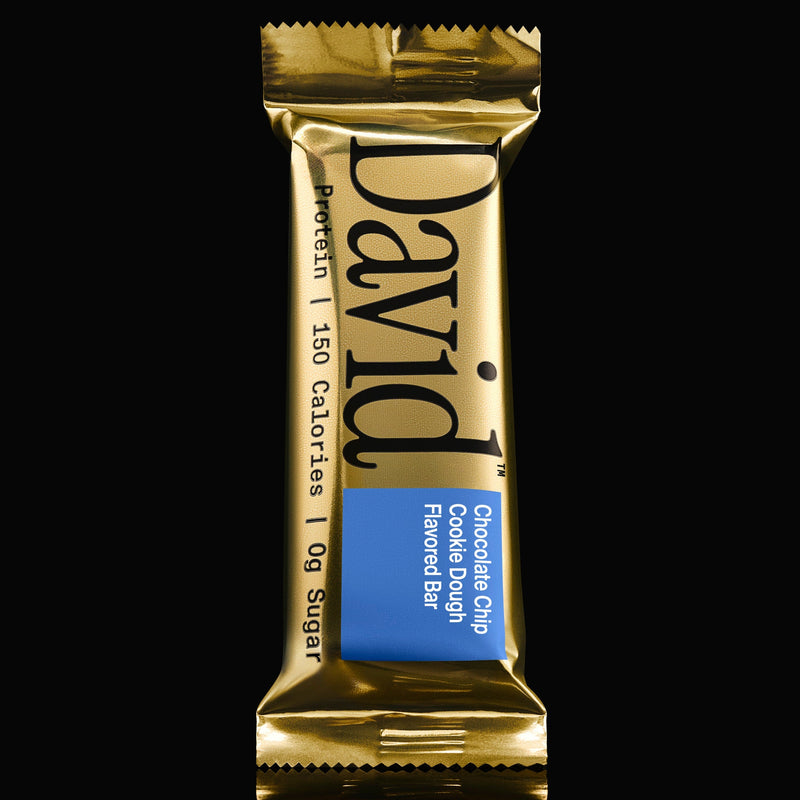
Bars that use only complete protein sources include Quest (whey protein isolate + milk protein isolate), DAVID (whey protein isolate), and RXBAR (egg whites + dates + nuts).
How Much Does Collagen Actually Affect the Number?
No bar manufacturer discloses the collagen fraction. What we can estimate from ingredient lists (FDA requires ingredients in descending order by weight) and published amino acid profiles:
| Bar | Protein sources (descending weight) | Protein quality estimate | Collagen present? |
|---|---|---|---|
| Quest Bar | Whey protein isolate, milk protein isolate | High — pure complete proteins | No |
| DAVID Protein Bar | Whey protein isolate | Highest — isolate only | No |
| RXBAR | Egg whites, almonds, cashews, dates | High — whole-food EAA-complete | No |
| Barebells | Calcium caseinate, whey protein isolate | High — both are complete milks proteins | No (Barebells does not use collagen) |
| Pure Protein | Whey isolate, milk protein isolate, whey concentrate, hydrolyzed collagen | Moderate — collagen is 4th ingredient | Yes |
| Built Bar | Whey protein isolate, collagen peptides | Moderate — collagen is 2nd ingredient | Yes |
Important correction: Barebells does not list collagen in its ingredient blend. The Barebells protein source is calcium caseinate and whey protein isolate — both complete milk proteins with full EAA profiles. The collagen caveat applies to Pure Protein and Built Bar but not to Barebells. For a detailed look at how the leading bars compare on this exact issue, see our best protein bars guide and Pure Protein nutrition breakdown.
What Is Leucine and Why Is It the Most Important EAA for Muscle?
Among the nine EAAs, leucine acts as a molecular switch for muscle protein synthesis. Research suggests a threshold of approximately 2.5–3g of leucine per meal to maximally stimulate MPS in young, healthy adults; older adults may need closer to 3–4g. This is why leucine content, not just total grams of protein, is the most useful single-amino-acid number for training recovery.
Approximate leucine content per typical protein source:
- Whey protein isolate (25g serving): ~2.7g leucine
- Casein (30g serving): ~2.7g leucine
- Egg white (100g): ~1.0g leucine
- Collagen (20g serving): ~0.3g leucine
This is why replacing 10g of whey with 10g of collagen in a bar’s protein blend matters: collagen adds protein weight to the label but does not contribute meaningfully to leucine or tryptophan delivery. A bar with 20g of pure whey isolate delivers roughly 2.2g of leucine; a bar with 15g of whey and 5g of collagen delivers roughly 1.6g of leucine — a 27% reduction in the most important muscle-building signal, invisible from the nutrition label.
Plant-Based Protein Bars: Different Incomplete-Protein Problem
Plant-based bars like OWYN, No Cow, and Orgain face a different version of the same problem. Individual plant proteins are typically incomplete:
- Pea protein: low in methionine
- Rice protein: low in lysine
- Hemp protein: low in lysine
- Soy protein: complete (the exception among plant proteins)
Blending pea + rice protein is the most common solution: the amino acid profiles are largely complementary, and a 70/30 or 60/40 pea-to-rice blend can approximate completeness. OWYN uses pea + pumpkin seed + flaxseed for a similar reason. The result is never quite as bioavailable as whey on a gram-for-gram basis, but it is meaningfully better than either pea or rice alone. For plant-based protein bar rankings, see our protein bars without artificial sweeteners guide, which covers the best plant-based options.
Practical Takeaways for Protein Bar Buyers
What this means in practice, without overcomplicating it:
- Check the first two or three protein ingredients. Whey isolate, milk protein isolate, casein, egg white, and soy protein isolate are all complete. Hydrolyzed collagen, gelatin, or “collagen peptides” in the top-three ingredients is a signal the grams are diluted.
- For muscle building and recovery, favor pure-whey bars. Quest (whey isolate + milk protein), DAVID (whey isolate), and Barebells (casein + whey isolate) are the most consistent complete-protein choices in the mainstream bar market.
- For general snacking, blended bars still deliver value. Pure Protein at $1.50–$2.00 per bar delivers useful protein at the cheapest price in the category, even with some collagen in the blend. For a quick between-meal snack (not post-workout recovery), the distinction matters less than it does for training adaptation.
- Plant-based bars need a blend, not a single source. A pea-only bar is incomplete. A pea + rice or pea + pumpkin seed bar is a reasonable proxy for completeness, though leucine content still runs lower than dairy-based protein sources.
Shop Quest (complete protein) on Amazon →
Frequently Asked Questions
Is collagen a complete protein?
No. Collagen contains zero tryptophan (one of the nine essential amino acids) and near-zero methionine (a second EAA). Because the body cannot synthesize these from other amino acids, collagen cannot support muscle protein synthesis on its own. Collagen has real value for joint, skin, and connective tissue health, where its high glycine and proline content is relevant. It is not a useful protein for muscle building or recovery, and bars that boost their gram count with collagen peptides are delivering a weaker signal than the label suggests.
Is whey protein a complete protein?
Yes. Whey protein (isolate or concentrate) is a complete protein containing all nine essential amino acids in excellent ratios. It is also one of the richest dietary sources of leucine (~10–11% of amino acid content), the EAA most responsible for triggering muscle protein synthesis. Whey isolate goes one step further by removing most of the fat and lactose, leaving a protein source that is typically >90% protein by weight and fast-absorbing (peak blood amino acids at roughly 60 minutes post-ingestion).
What protein bars use complete protein only?
The mainstream bars that use only complete protein sources (no collagen in the blend): Quest Bar (whey protein isolate + milk protein isolate), DAVID Protein Bar (whey protein isolate), RXBAR (egg whites, almonds, cashews), and Barebells (calcium caseinate + whey protein isolate). These are the best options when training recovery or muscle building is the goal. See our Quest protein nutrition guide and RXBAR nutrition facts for full breakdowns.
Can you build muscle with incomplete protein?
Not efficiently, and not at all if a critical EAA is entirely absent. Muscle protein synthesis requires all nine essential amino acids to be simultaneously available. If any single EAA (most commonly tryptophan, lysine, or methionine) is insufficient, MPS stalls even when total protein grams are high. This is why collagen at 20g per bar does not support the same muscle response as 20g of whey: the tryptophan bottleneck limits what the body can do with the other 19g. For muscle adaptation, protein quality (complete vs. incomplete) matters alongside protein quantity.
How do I know if a protein bar has collagen?
Read the ingredients list, not just the nutrition panel. Look for hydrolyzed collagen, collagen peptides, collagen hydrolysate, or gelatin in the protein source section. If those words appear in the first three protein-source ingredients, they represent a meaningful fraction of the bar’s total protein. The grams on the front of the pack count all protein by weight; the ingredients list tells you what kind. Bars that never list collagen among their protein sources include Quest, DAVID, RXBAR, and Barebells.
Bottom line: Protein quality — complete versus incomplete — is the number the front label does not give you. Bars that use only whey, casein, egg white, or soy deliver all nine essential amino acids; bars that add collagen to bulk up gram counts are selling incomplete grams at a lower biological value for muscle adaptation. For post-workout recovery and muscle building, favor bars with pure whey or casein protein sources and check the ingredients list for “collagen” or “gelatin.” For general snacking on a budget, blended bars still deliver useful protein — just understand what the label is and is not telling you. See our best protein bars guide for a full ranking that takes protein quality into account alongside price and macros.
Shop our top protein bar picks
Editor-selected high-protein options related to this guide. As an Amazon Associate we may earn from qualifying purchases.
28g protein30g protein30g proteinTags
High Protein Snacks Pro Editorial Team
Independently researched and editorially reviewed. We compare real nutrition labels and never accept payment for coverage.
Get the best new protein snacks in your inbox
Weekly picks and honest reviews — no spam, unsubscribe anytime.
More from the journal
Outright Bar Nutrition Facts (2026): 20g Protein, Whole Food Ingredients — All Flavors Compared
Outright Bar delivers 20g of protein per 62g whole-food bar made with whey protein isolate, rolled oats, and real nut butter — no sucralose, no aspartame, no artificial sweeteners. Here is the full nutrition label breakdown by flavor, a comparison against Quest Bar and RxBar, and an honest look at who this bar is and is not for.
Read more
Best Tasting Protein Bars (2026): 8 Picks Ranked by 187,007 Real Amazon Ratings
Every other “best tasting protein bar” list is one person's opinion. This one is a count. We read the live star rating on every protein bar we track with a real Amazon listing — 47 bars carrying 187,007 customer ratings between them, read on November 4, 2026 — and ranked them. The highest-rated bar is the CLIF BAR Chocolate Chip at 4.7 stars, and it holds just 10g of protein. The highest-rated serious protein bar is Pure Protein Chocolate Peanut Butter: 4.5 stars from 23,177 ratings, 20g of protein, 2g of sugar, 200 calories. The pattern underneath the list is the useful part — the bars people rate highest are the sweetest ones, and the 28g-protein bars sit near the bottom.
Read more
Best Bone Broth Protein Powder (2026): 6 Picks Ranked by the Protein Their Own Labels Count
Ancient Nutrition Bone Broth Protein Pure is the best bone broth protein powder on the shelf right now at 20g of protein per 22.3g scoop for 90 calories, and it is the only one here whose own Supplement Facts panel counts most of that as usable protein: 18% of the Daily Value, which works out to about 9 grams. The rest of the shelf declares far less than the front of the bag implies. Paleovalley prints 15g of protein and declares it as 3% of the Daily Value; Dr. Kellyann prints 16g and declares 1%. Every figure here came off a published label, checked November 3, 2026.
Read more