Best High-Protein Crackers (2026): Whisps, Quest, and Milton's Ranked by Verified Protein Per Calorie
Most crackers deliver 2–4g of protein per serving because they are made from refined flour, not protein. We ranked five crackers by verified protein per calorie from each brand's own 2026 label. Whisps Parmesan Cheese Crisps and Quest Protein Crackers tie at 11g of protein per serving at 130 calories — 8.5g per 100 calories. Milton's Craft Bakers Protein Crackers lead the whole-grain category at 7g per 30g serving.
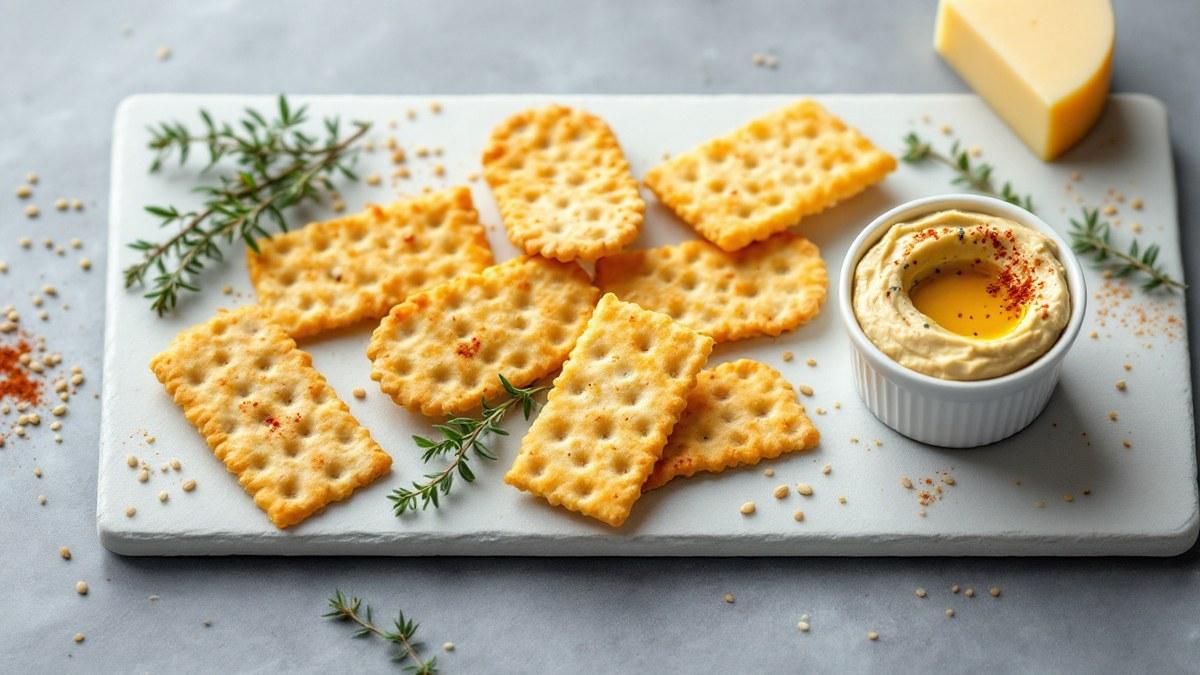
Our top high-protein picks
Editor-selected and ready to buy. As an Amazon Associate we may earn from qualifying purchases.
Shopping for Quest Nutrition? Chocolate Chip Protein Cookies · Peanut Butter Cups · Chocolate Chip Cookie Dough Protein Bar
 22g protein
 25g protein
Protein Powder - Vanilla Milkshake
Amazon returns policy · secure checkout
 15g protein
Chocolate Chip Protein Cookies
Amazon returns policy · secure checkout
What is the best high-protein cracker?
Ranked by protein per calorie, the two best high-protein crackers in 2026 are Whisps Parmesan Cheese Crisps and Quest Protein Crackers — both deliver 11g of protein at 130 calories per serving (8.5g per 100 calories). Whisps are made from 100% aged parmesan with zero carbs; Quest Protein Crackers add 8g of dietary fiber and only 2g of net carbs per bag. For a whole-grain option, Milton’s Craft Bakers Protein Crackers deliver 7g of protein per 30g serving at 130 calories. All five crackers in this guide were ranked by verified protein per calorie from each product’s own Nutrition Facts panel in November 2026.
Most crackers in the grocery store deliver 2–4 grams of protein per serving — not because crackers are inherently a poor protein source, but because most are made from refined wheat flour and shortening, which are carbohydrate-and-fat vehicles. The crackers in this guide are genuinely different: they are made from aged cheese, protein-enriched grain blends, or seed matrices that actually push protein per serving into a range that makes a real contribution toward a daily protein target. Five products are ranked below by protein per 100 calories, the most honest single comparison number when servings range from a 28g bag of cheese crisps to a 30g stack of whole-grain crackers. All figures are from each brand’s own 2026 Nutrition Facts panel; anything we could not confirm is shown as an em dash rather than a guess.
Affiliate links — if you buy through them we earn a small commission at no extra cost to you. All nutrition data is verified from brand labels.
The 5 Best High-Protein Crackers: 2026 Nutrition Comparison
Ranked by protein per 100 calories — the most useful metric when cracker formats range from 28g to 32g per serving. All figures are from verified 2026 brand labels.
| # | Cracker | Serving | Protein | Calories | Protein / 100 cal | Total Carbs | Fiber | Sodium |
|---|---|---|---|---|---|---|---|---|
| 1 | Whisps Parmesan Cheese Crisps | 1 oz (28g) | 11g | 130 | 8.5g | <1g | 0g | 290mg |
| 1 | Quest Protein Crackers (Ranch) | 1 bag (32g) | 11g | 130 | 8.5g | 10g | 8g | 390mg |
| 3 | Milton’s Craft Bakers Protein Crackers | ~6 crackers (30g) | 7g | 130 | 5.4g | 20g | 3g | 160mg |
| 4 | Crunchmaster Multi-Seed Protein Crackers | ~15 crackers (28g) | 4g | 120 | 3.3g | 18g | 2g | 170mg |
| 5 | Mary’s Gone Crackers Original | ~13 crackers (30g) | 3g | 130 | 2.3g | 19g | 3g | 160mg |
Protein / 100 cal = (protein ÷ calories) × 100. Whisps and Quest tie at #1 on protein per calorie; they are separated in the guide below by their carbohydrate and ingredient profiles. All figures are from verified 2026 Nutrition Facts panels.
The 5 Best High-Protein Crackers in 2026
#1 Best Protein Density — Whisps Parmesan Cheese Crisps
Whisps are made from one ingredient: aged parmesan cheese. The production process bakes the grated parmesan into light, airy crisps that hold together at room temperature and deliver 11g of complete dairy protein per 1-oz serving at 130 calories with zero carbohydrates, zero sugar, and zero fiber. That 11g at 130 cal (8.5g per 100 cal) is the highest protein-per-calorie ratio of any mainstream cracker product, and it comes entirely from real cheese rather than protein isolates or added flour. The 290mg of sodium per ounce is standard for a cheese snack and well within the range of regular crackers. Whisps are sold at Target, Costco (in bulk), Whole Foods, and Amazon; the parmesan variety has the most protein of all Whisps flavors. For people following a ketogenic or very-low-carb diet, Whisps are the only major cracker that works without any modification. The honest catch: they are a cheese snack, not a grain cracker, so they are not a substitute for crackers paired with nut butter or sandwich-style toppings; they are best eaten on their own or with hummus or avocado.
#1 Lowest Net Carbs — Quest Protein Crackers (Ranch)
Quest Protein Crackers are a flatter, cracker-shaped snack — distinct from Quest Tortilla Style Protein Chips, which are round and fried. Each 32g bag delivers 11g of protein at 130 calories with 10g of total carbohydrates, 8g of dietary fiber, and only 2g of net carbs. The protein source is a blend of milk protein isolate and whey protein isolate, both complete proteins. The soluble corn fiber ingredient is what accounts for most of the 8g of fiber on the label; it also contributes to the firm texture that holds up better than cheese crisps for topped snacking applications. The Ranch flavor delivers the least sugar (0g) and a solid savory flavor that works as a standalone snack. At 8.5g protein per 100 calories, Quest Protein Crackers tie with Whisps at the top of this ranking. The key difference: Quest has 2g of net carbs per bag and can be topped or dipped; Whisps have 0g of carbs and are lighter. Sold at Target, Walmart, GNC, and Amazon. For a full breakdown of all Quest snack products, see our Quest protein nutrition guide.
#3 Best Whole-Grain Cracker — Milton’s Craft Bakers Protein Crackers
Milton’s is an organic cracker brand that makes a dedicated Protein variety alongside its standard multigrain line. The Protein crackers deliver 7g of protein per 30g serving (approximately 6 crackers) at 130 calories, with 20g of carbohydrates, 3g of fiber, 1g of sugar, and 160mg of sodium. The protein comes from a combination of whole grain wheat flour, wheat protein isolate, and chickpea flour — a real-food protein stack rather than a single added isolate. Milton’s Protein Crackers taste and behave like actual crackers: they are firm enough to hold toppings, have enough surface texture to scoop hummus or guacamole, and do not crumble like baked cheese crisps. At 5.4g protein per 100 calories they are well below the cheese-based options, but they are the strongest grain-based cracker on this list by protein density. The 20g of carbs per serving places them closer to a standard cracker from a carbohydrate standpoint — they are not a low-carb option. Sold at Whole Foods, Sprouts, and online. For the best whole-grain and organic alternatives to mainstream crackers see our best high-protein snacks of 2026 guide.
#4 Best Gluten-Free Cracker — Crunchmaster Multi-Seed Protein Crackers
Crunchmaster Multi-Seed Protein Crackers are made from a base of brown rice and a blend of seeds (sesame, poppy, flaxseed, sunflower, amaranth) with no wheat or gluten-containing ingredients. Each 28g serving (approximately 15 crackers) delivers 4g of protein at 120 calories with 18g of carbohydrates, 2g of fiber, and 170mg of sodium. The protein per calorie (3.3g per 100 cal) is on the lower end of this list, but Crunchmaster earns its ranking as the best cracker for people with gluten intolerance or wheat allergies who want more protein than a standard rice cracker provides. The multi-seed matrix gives these a nuttier, more complex flavor than plain rice crackers, and they hold up well for topped applications like cream cheese or avocado. Sold at Target, Trader Joe’s (similar products), Whole Foods, and Amazon. For more gluten-free high-protein snack options, see our best shelf-stable high-protein snacks guide.
#5 Best Organic Option — Mary’s Gone Crackers Original
Mary’s Gone Crackers Original are a certified organic, gluten-free seed cracker made from whole grain brown rice, brown sesame seeds, brown flaxseeds, and quinoa. Each 30g serving (approximately 13 crackers) delivers 3g of protein at 130 calories with 19g of carbohydrates, 3g of fiber, 0g of sugar, and 160mg of sodium. At 2.3g protein per 100 calories, Mary’s ranks last on protein density among the five products here — but they earn their spot for a different reason: they have the cleanest, shortest ingredient list of any cracker on this list (whole grain brown rice, whole brown sesame seeds, whole brown flaxseeds, filtered water, wheat-free tamari, sea salt, quinoa), all certified organic and free of wheat, gluten, dairy, and eggs. The flavor is distinctly nutty and earthy from the sesame and flax. If protein density is your primary goal, Whisps or Quest outperform Mary’s by a wide margin; if ingredient transparency and organic certification matter more than protein numbers, Mary’s is the right choice. Sold at Whole Foods, Sprouts, and Amazon. For more plant-based, clean-label high-protein snack options, see our best vegan protein snacks guide.
What Makes a Cracker “High Protein”?
The FDA has no formal definition for “high protein” in a cracker context, so brands use the term loosely. As a practical benchmark: a cracker that delivers at least 5g of protein per 1-oz serving qualifies as meaningfully high-protein; below 4g per serving in a typical 28–30g serving is not distinguishable from a standard flour cracker. Here is what actually drives protein count upward in a cracker:
- Cheese as the primary ingredient: Real aged cheese like parmesan contains approximately 11g of protein per ounce by weight, so a cracker made mostly from cheese (like Whisps) inherits that density directly. This is the highest-leverage approach and the reason cheese crisps outperform every grain-based cracker in protein-per-calorie.
- Added protein isolates: Quest adds milk protein isolate and whey protein isolate to a fiber base. This delivers similar protein counts to cheese-based products at a lower fat content, with the trade-off of a more processed ingredient list.
- Legume flour: Chickpea flour, lentil flour, and bean-based flours deliver more protein than wheat flour or rice flour. Milton’s uses chickpea flour in combination with wheat protein isolate. The limitation is that legume-based crackers typically top out at 6–8g protein per serving — meaningful, but below cheese or isolate-based options.
- Seed matrices: Seeds like hemp, pumpkin, sesame, and flax have higher protein content than grains, so seed-forward crackers (Crunchmaster, Mary’s) deliver more protein than pure-grain crackers. The ceiling is about 4–5g per 28g serving.
What does not work: adding a marketing claim to a standard flour cracker. Many crackers advertise “6g of protein” in a serving when the full serving is 2 oz or more — more than twice the size of a 1-oz reference serving. Check the grams-per-serving, the serving size, and the protein per 100 calories before treating any marketing claim as meaningful.
What to Skip at the Cracker Aisle If You Are Targeting Protein
- Triscuits, Ritz, Wheat Thins, Breton: 2–3g of protein per 30g serving. These are standard flour crackers. The protein is incidental, not engineered.
- Rice cakes and plain rice crackers: 1–2g of protein per serving, mostly starch. Marketing them as “light” is accurate; marketing them as a protein snack is not.
- Nut and seed butter crackers (Ritz PB Crackers, etc.): the protein number on these packages often reflects the peanut butter filling, not the cracker itself. The cracker base still contributes 2–3g; the peanut butter adds 3–4g. Total may be 6–7g but those are two separate food items, not a high-protein cracker.
- Protein-labeled granola crackers: granola by nature is a high-calorie, high-sugar vehicle. A granola cracker with “7g of protein” at 250 calories is 2.8g protein per 100 calories — the same as plain Wheat Thins per calorie, with more sugar.
How to Use High-Protein Crackers as Part of a High-Protein Diet
No single cracker will move your daily protein total significantly on its own — a 30g serving of even the strongest cracker on this list gives you 11g, which is about 10% of a 100g-per-day protein target. The right way to use crackers in a high-protein diet is as a delivery vehicle for other protein sources:
- Whisps + canned tuna: 11g (Whisps, 1oz) + 17g (tuna pouch) = 28g protein in one snack under 220 calories.
- Quest Protein Crackers + cottage cheese: 11g (Quest, 1 bag) + 14g (TJ’s or Good Culture ½ cup) = 25g protein.
- Milton’s + smoked salmon or hard-boiled egg: 7g (Milton’s, 30g) + 10g (2 hard-boiled eggs) = 17g protein in a satisfying grain-based snack.
- Crunchmaster + hummus: the protein in hummus is modest (2–3g per 2 tbsp) but the combination is filling — a good midday option when you want something that feels like a meal rather than a snack.
Frequently Asked Questions
What cracker has the most protein per serving?
Whisps Parmesan Cheese Crisps and Quest Protein Crackers both deliver 11g of protein per serving at 130 calories — the most of any mainstream cracker product as of November 2026. Whisps do it with zero carbs (100% parmesan cheese); Quest does it with 2g of net carbs (milk protein isolate plus 8g of fiber). By absolute grams per serving they tie; by protein-to-calorie ratio they also tie at 8.5g per 100 calories. The right pick depends on whether you prefer cheese-based with zero carbs (Whisps) or a more traditional cracker format with low net carbs (Quest).
Are Whisps cheese crisps considered crackers?
Whisps are marketed as “cheese crisps,” not crackers in the traditional sense — they are made from 100% aged parmesan baked into light, airy rounds rather than from flour or grain. In terms of how they function in a snack context (crunchy, portable, eaten in similar quantities as crackers), they compete directly with crackers. If you need a traditional grain-based cracker that happens to be high in protein, Milton’s or Quest Protein Crackers are more appropriate. If you just want the most protein per calorie in a crunchy cracker-format snack, Whisps delivers it with the cleanest ingredient list.
What is the best high-protein cracker that is also gluten-free?
Whisps are naturally gluten-free (made from parmesan only). Among grain-based crackers, Crunchmaster Multi-Seed Protein Crackers are certified gluten-free at 4g protein per 28g serving, made from brown rice and seeds. Mary’s Gone Crackers Original are also certified gluten-free and organic, with 3g protein per 30g serving. Quest Protein Crackers contain milk-derived ingredients but no wheat, though they are processed in facilities that also handle wheat, so they are not certified gluten-free. Milton’s Craft Bakers Protein Crackers contain wheat and are not gluten-free. For gluten-free and highest protein, the ranking is: Whisps (11g), Crunchmaster (4g), Mary’s Gone Crackers (3g).
How do high-protein crackers compare to regular crackers on protein?
A standard 1-oz serving of regular Wheat Thins contains about 2g of protein, Ritz Crackers about 1.5g, and Triscuits about 3g — all in the 1.5–2.5g protein per 100 calories range. Whisps and Quest Protein Crackers deliver 8.5g per 100 calories, roughly 3.5 to 5 times more protein-dense than standard crackers. Milton’s Craft Bakers Protein Crackers (5.4g per 100 cal) are roughly twice as protein-dense as a standard cracker. The gap is real and meaningful if you are tracking protein; standard crackers are not a useful protein contribution in a high-protein diet plan.
Can you eat high-protein crackers on a keto diet?
Yes, with two strong choices. Whisps Parmesan Cheese Crisps have zero grams of carbohydrates per serving — they are fully keto-compatible. Quest Protein Crackers have 10g of total carbohydrates per bag, but 8g is dietary fiber, leaving only 2g of net carbs. Both fit within a standard ketogenic diet’s 20–50g net carbs daily allowance with room to spare. Milton’s Craft Bakers Protein Crackers have 17g of net carbs per 30g serving and are not appropriate for strict keto. Crunchmaster has approximately 16g of net carbs per 28g serving, also not keto-friendly.
Bottom line: for the most protein per calorie in a cracker-format snack, Whisps Parmesan Cheese Crisps and Quest Protein Crackers both lead at 11g per 130-calorie serving. Whisps win on simplicity (one ingredient, zero carbs) and Quest wins on fiber and traditional cracker versatility. Milton’s is the right whole-grain option at 7g per 30g serving. If you need gluten-free, Crunchmaster delivers 4g in a clean rice-and-seed format. Browse the protein snacks directory for the full catalog, or see our best high-protein snacks of 2026 for picks beyond the cracker aisle.
Shop our top high-protein picks
Editor-selected high-protein options related to this guide. As an Amazon Associate we may earn from qualifying purchases.
Shopping for Quest Nutrition? Chocolate Chip Protein Cookies · Peanut Butter Cups · Chocolate Chip Cookie Dough Protein Bar
 19g protein
Original Chips Variety Pack
Amazon returns policy · secure checkout
22g protein25g proteinProtein Powder - Vanilla Milkshake
Amazon returns policy · secure checkout
Tags
High Protein Snacks Pro Editorial Team
Independently researched and editorially reviewed. We compare real nutrition labels and never accept payment for coverage.
Get the best new protein snacks in your inbox
Weekly picks and honest reviews — no spam, unsubscribe anytime.
More from the journal
Best High-Protein Tofu (2026): 8 Tofus Ranked by Label-Verified Protein and Price per Gram
High-protein tofu is tofu with less water in it: from 7g of protein per serving for silken to 15g for super-firm, with nearly identical protein per calorie. We read the Nutrition Facts panel on 11 tofus sold on Amazon. Wildwood Organic Super Firm wins with 15g per serving and 75g per pound, Hodo is just as dense with the most calcium, and 365 Organic Extra Firm is the cheapest protein at about 5 cents a gram.
Read more
Best High-Protein Bagels (2026): 5 Protein Bagels Ranked by What the Label Really Counts
High-protein bagels pack 9 to 19g of protein into 70 to 150 calories, but most of it is wheat protein, and the label’s own Daily Value counts far less. We read the Nutrition Facts panel on every protein bagel with real sales on Amazon. Hero Classic Plain wins with 19g of protein in 130 calories, about 10g of it full-quality protein, ThinSlim is the leanest at 14g in 90 calories, and SOLA’s 16g works out to about 5g by its own label.
Read more
Best Protein Hot Chocolate (2026): 6 High-Protein Hot Cocoa Mixes Ranked by What the Label Really Says
Protein hot chocolate swaps sugar for 12 to 25g of protein, but collagen-heavy mixes count for less than their front label says. We read the Nutrition Facts panel on every protein hot cocoa mix with real sales on Amazon. BariWise wins with 15g of full-quality protein in 90 calories and no added sugar, ProtiDIET is the best value at about $1.43 a serving, and Ballerina Farm's 25g works out to about 6g of complete protein by its own label.
Read more