Best Canned Tuna for Protein 2026: Chunk Light vs Albacore, Ranked
Chunk light tuna delivers 22g of protein at 100 calories per 3 oz serving -- more protein per calorie than any mainstream protein bar. A 2.6 oz no-drain pouch is one of the most convenient shelf-stable protein snacks available. StarKist, Wild Planet, Safe Catch, and Bumble Bee compared on protein, value, and mercury.
Our top high-protein picks
Editor-selected and ready to buy. As an Amazon Associate we may earn from qualifying purchases.
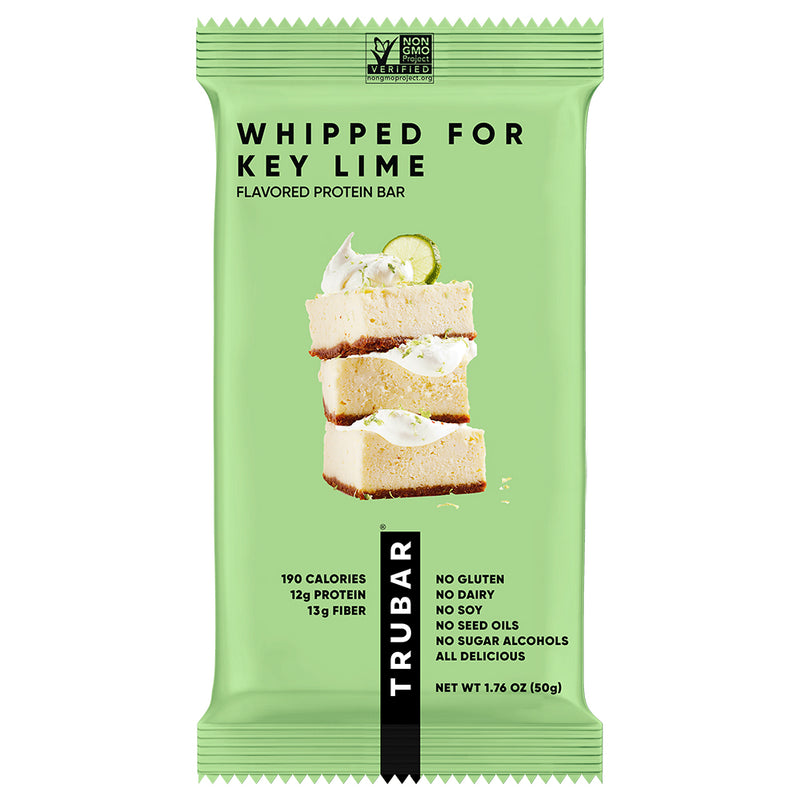 12g protein
Whipped For Key Lime TRUBAR Nutrition and Protein Bar
Amazon returns policy · secure checkout
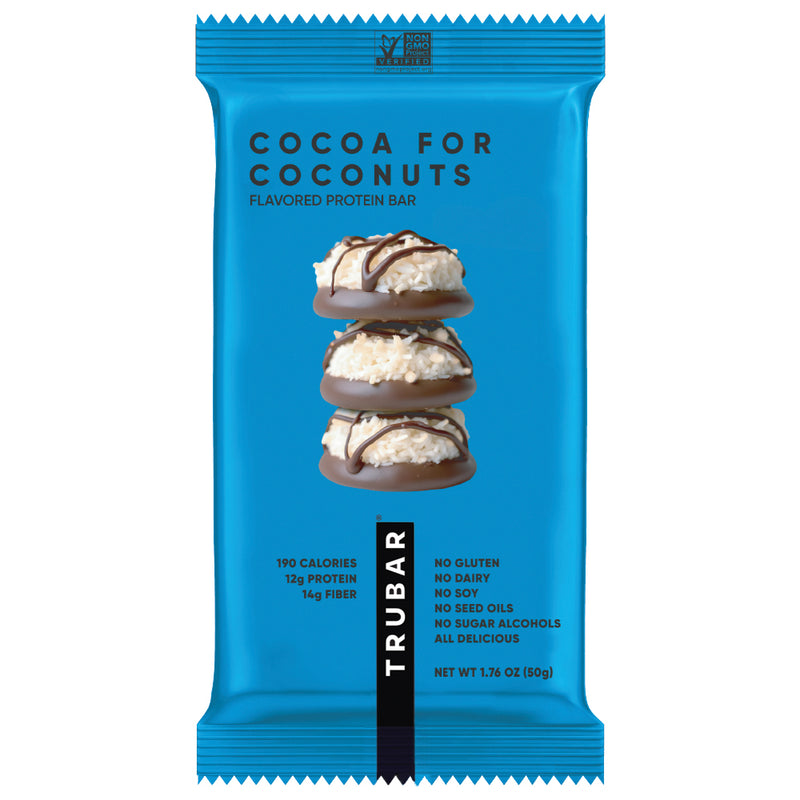 12g protein
Cocoa for Coconuts TRUBAR Nutrition and Protein Bar
Amazon returns policy · secure checkout
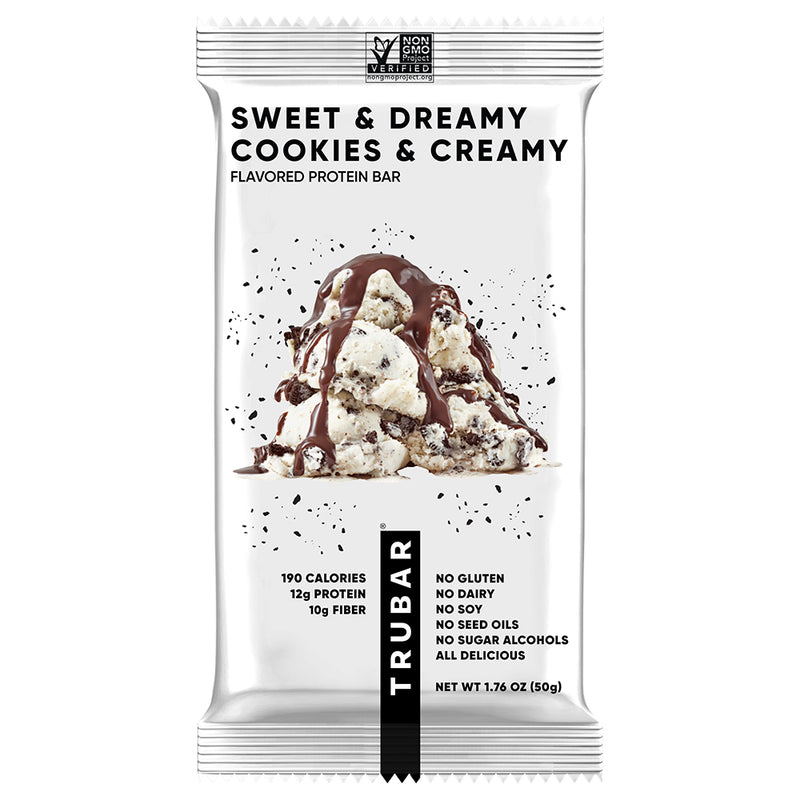 12g protein
Sweet & Dreamy, Cookies & Creamy
Amazon returns policy · secure checkout
30-Second Answer
Chunk light canned tuna delivers 22g of protein at approximately 100 calories per 3 oz serving — one of the highest protein-to-calorie ratios of any shelf-stable food. Solid white albacore delivers 20g at ~109 calories per 3 oz with a milder, firmer texture and more fat. A 2.6 oz StarKist no-drain pouch delivers 16g of protein at 70 calories — a complete snack requiring no can opener, no draining, and no utensils. Safe Catch is the best option for frequent consumption due to individually mercury-tested lots. All canned tuna is a complete protein containing all nine essential amino acids. Limit albacore to 2–3 servings per week if pregnant or feeding children; chunk light has lower mercury and is suitable for regular eating.
Canned tuna is one of the most protein-efficient shelf-stable foods available — and the most underrated protein snack category. A 3 oz (85g) serving of chunk light tuna in water delivers 22 grams of protein at approximately 100 calories, sourced from USDA FoodData Central data. That protein-to-calorie ratio (22g per 100 cal) exceeds the ratio of most protein bars and costs $0.75–$1.50 per serving depending on brand and format. The no-drain pouch format — popularized by StarKist and now offered by most major brands — has eliminated the friction that historically kept canned tuna out of the portable protein conversation: no can opener, no draining, eat directly from the pouch or add to a wrap or rice cake. For context on how tuna compares across all snack categories, see our highest protein-to-calorie ratio snacks ranked guide and the broader best high-protein snacks for weight loss overview.
Canned Tuna for Protein: Ranked by Type (2026)
All figures below are per 3 oz (85g) serving in water, from USDA FoodData Central. Branded products vary slightly from these averages; check the label on each specific product. Protein-to-calorie ratio is grams of protein per 100 calories.
| Type | Serving | Protein | Calories | Fat | Net Carbs | Protein / 100 cal | Mercury |
|---|---|---|---|---|---|---|---|
| Chunk light, in water | 3 oz (85g) | 22g | ~100 | 1g | 0g | 22g | Low (~0.13 ppm avg) |
| Solid white albacore, in water | 3 oz (85g) | 20g | ~109 | 2.5g | 0g | 18g | Moderate (~0.35 ppm avg) |
| Chunk light, in olive oil | 3 oz (85g) | 19g | ~170 | 10g | 0g | 11g | Low |
| Solid white albacore, in olive oil | 3 oz (85g) | 18g | ~180 | 12g | 0g | 10g | Moderate |
The key insight: tuna packed in water maximizes protein per calorie by a wide margin. Oil-packed tuna adds 70–80 calories per serving from fat without adding protein — reducing the protein-to-calorie ratio from 22g/100cal to ~11g/100cal. If protein per calorie is the primary goal, always choose water-packed. Oil-packed is preferable if you want added fat for satiety or calorie density and are supplementing omega-3 intake. Mercury levels are averages from FDA monitoring data; individual lots vary.
Brand Breakdown: What to Buy for Protein
StarKist: Best Convenience and Value
StarKist is the largest US canned tuna brand and offers the widest range of formats. Their 2.6 oz Chunk Light Tuna Pouch in Water delivers approximately 16g of protein at 70 calories per pouch — one of the most convenient protein snacks in any grocery store, available at Walmart, Target, Kroger, and virtually every other chain for under $2. No can opener, no draining, and the flexible pouch format means no sharp edges. The pouch can be eaten directly (the texture is fork-flaked and lightly salted) or added to a wrap or rice cake. StarKist also offers Tuna Creations flavored pouches (lemon pepper, sweet and spicy, dill and sea salt) at similar protein counts. The 5 oz can format delivers more protein per dollar than the pouch (roughly $1.00 per can for ~25g protein) but requires draining and a can opener, so it does not function as a grab-and-go snack without additional prep. For desk drawers, gym bags, or pantry stocking, the 2.6 oz pouch is the most practical format in the canned tuna category.
Wild Planet Wild Albacore: Best Clean Label
Wild Planet positions itself as the premium clean-label option, using pole-and-line or troll-caught albacore and packing it without added water, broth, or oil — the fish sits in its own natural juices. This results in a slightly firmer, more concentrated texture and a higher fat content than water-packed albacore. Wild Planet Wild Albacore Tuna delivers approximately 20g of protein per 3 oz serving, with natural fish oils (primarily omega-3 EPA and DHA) contributing most of the fat. Wild Planet is certified by the Marine Stewardship Council (MSC) for sustainable fishing, which matters for sourcing-conscious buyers. The clean ingredient list (albacore tuna, sea salt) and no-added-filler approach make it the top choice for anyone prioritizing ingredient quality over price. Typically available at Whole Foods, Sprouts, Target, and Amazon; cost runs $3.50–$5.00 per 5 oz can compared to $1.00–$1.50 for StarKist. The protein-per-dollar ratio is lower, but the omega-3 content and sourcing quality justify the premium for high-frequency consumers.
Safe Catch Elite: Best for Frequent Consumption
Safe Catch’s differentiating claim is mercury testing: they test every individual fish used in their Elite line, rather than testing samples or lots, and reject any fish that exceeds their strict internal mercury limit — which is much lower than FDA limits. Their Elite Tuna in Water pouch (3 oz) delivers approximately 20g of protein at 80 calories, a similar protein-to-calorie ratio to generic albacore but with the mercury guarantee. Safe Catch is the brand most recommended by registered dietitians for high-frequency tuna consumption and for pregnant women or children where albacore frequency limits would otherwise apply. The 3 oz pouch format is also no-drain and portable. Cost is higher — approximately $3.00–$4.00 per pouch — but for consumers who want tuna as a daily protein anchor, the mercury testing justifies it. Available at Target, Whole Foods, and Amazon.
Bumble Bee Solid White Albacore: Best Mainstream Albacore
Bumble Bee is the second-largest US tuna brand and offers solid white albacore at a price similar to StarKist — roughly $1.25–$1.75 per 5 oz can. Their Solid White Albacore in Water delivers approximately 20g of protein at ~110 calories per 3 oz serving. Bumble Bee is available at virtually every grocery chain in the US, making it the default albacore choice when Wild Planet or Safe Catch is not available. Protein content is essentially identical to the USDA average for solid white albacore, and quality has been consistent. For consumers who prefer albacore’s milder flavor and firmer texture but do not want to pay premium prices, Bumble Bee is the practical default. The 5 oz can requires draining; Bumble Bee also offers some pouch formats at select retailers.
Pouch vs Can: Which Format Should You Buy?
| Factor | Pouch | Can |
|---|---|---|
| Portability | Excellent — no opener, no draining | Requires can opener and draining |
| Protein per serving | ~16g (2.6 oz StarKist) or ~20g (3 oz Safe Catch) | ~25g per standard 5 oz can |
| Protein per dollar | Lower (~1.5–2× cost per oz vs cans) | Higher (~$1 per can for ~25g protein) |
| Shelf life | 3–5 years | 3–5 years |
| Best for | On-the-go snacking, gym bag, desk drawer | Meal prep, cooking, maximum protein-per-dollar |
The pouch premium is real: a 2.6 oz StarKist pouch (16g protein) costs roughly twice per ounce compared to a 5 oz StarKist can (~25g protein). If you are preparing meals at home or doing meal prep, cans deliver significantly more protein per dollar. If you need a no-prep portable snack you can eat anywhere — in a car, at a desk, post-workout — the pouch justifies the premium the same way individual protein bars justify their cost premium over bulk protein powder.
Chunk Light vs Solid White Albacore: Protein and Mercury Compared
The two main categories of canned tuna differ on protein count, flavor, mercury level, and price:
- Chunk light (usually skipjack or yellowfin tuna): 22g protein / ~100 cal per 3 oz; low mercury (~0.13 ppm FDA average); slightly stronger fish flavor; less expensive (~$0.75–$1.25 per 5 oz can).
- Solid white albacore (albacore tuna only): 20g protein / ~109 cal per 3 oz; moderate mercury (~0.35 ppm FDA average); milder flavor with firmer flake; more expensive (~$1.25–$2.00 per 5 oz can).
For pure protein-per-calorie efficiency, chunk light wins by a meaningful margin: 22g vs 20g protein at slightly fewer calories, at lower cost and lower mercury. The reasons to choose albacore: milder flavor, firmer texture for recipes (tuna salad, tuna melts), or sourcing preference (Wild Planet uses albacore for its sustainable catch methods).
Mercury in Canned Tuna: What the FDA Data Actually Says
The FDA monitors mercury in commercial seafood and publishes average values for canned tuna. Key figures from FDA monitoring data:
- Canned light tuna: ~0.13 parts per million (ppm) average mercury. FDA classifies this as a “best choice” for pregnant women and children, with no specific frequency cap beyond general fish guidance of 2–3 servings of fish per week.
- Canned albacore (solid white) tuna: ~0.35 ppm average mercury. FDA classifies this as a “good choice” and recommends limiting to 1 serving per week for pregnant women and young children, 2–3 servings per week for healthy adults.
For healthy adults consuming tuna as a protein snack 3–5 days per week, chunk light tuna is the most practical choice for both protein efficiency and staying well within FDA mercury guidelines. If you prefer albacore and are a healthy adult, 2–3 servings per week remains within safe FDA guidance. Safe Catch’s individual-lot testing provides the only practical guarantee below the FDA limit for high-frequency consumption regardless of species.
How Canned Tuna Compares to Other High-Protein Snacks
| Snack | Serving | Protein | Calories | Protein / 100 cal | Shelf-stable? |
|---|---|---|---|---|---|
| Chunk light tuna (water) | 3 oz (85g) | 22g | ~100 | 22g | Yes |
| Lean beef jerky (zero sugar) | 1 oz (28g) | 12g | ~60 | 20g | Yes |
| Canned chicken (in water) | 3 oz (85g) | ~21g | ~90 | ~23g | Yes |
| FAGE Total 0% Greek yogurt | 5.3 oz cup | 15g | 80 | 19g | No |
| DAVID Protein Bar | 1 bar (62g) | 28g | 150 | 19g | Yes |
| Hard-boiled egg | 1 large (50g) | 6g | 78 | 8g | No |
Canned tuna and canned chicken trade places at the top of the shelf-stable protein-per-calorie category depending on brand and batch — they are effectively tied. Canned tuna’s slight sodium advantage (250–350mg per 3 oz vs 380–460mg for most canned chicken) favors it for high-frequency use. See our best canned chicken for protein guide for that comparison. Lean beef jerky is roughly comparable on protein per calorie but delivers far less protein per serving at standard serving sizes; see our best beef jerky for protein guide. For a complete shelf-stable protein snack ranking, browse the protein snacks directory.
Frequently Asked Questions
How much protein is in a can of tuna?
A standard 5 oz (142g) can of chunk light tuna in water contains approximately 36–38g of protein. A 3 oz serving (about half a can) delivers ~22g. The 2.6 oz StarKist pouch delivers ~16g. Exact amounts vary slightly by brand — check the label on the specific product. Solid white albacore delivers slightly less protein per ounce (~20g per 3 oz) but has a milder flavor and firmer texture.
Is canned tuna a good protein snack?
Yes — canned tuna in water is one of the highest protein-per-calorie foods you can buy at any grocery store. Chunk light delivers 22g of protein at ~100 calories per 3 oz (22g per 100 cal), beating most protein bars by a substantial margin. A 2.6 oz no-drain pouch requires no preparation and delivers 16g of protein at 70 calories. The main practical limitation is flavor: tuna has a stronger fish taste that requires pairing for some consumers. Adding hot sauce, mustard, or lemon juice significantly broadens appeal.
How often can I eat canned tuna?
For healthy adults: chunk light tuna (low mercury) fits easily within the FDA’s general fish guidance of 2–3 servings per week of fish. Solid white albacore should be limited to 2–3 servings per week for adults, 1 serving per week for pregnant women and young children. Safe Catch Elite is tested to a stricter mercury limit than FDA thresholds and is marketed as suitable for more frequent use, though the FDA frequency recommendations remain the governing guidance for the broader population.
What is the healthiest canned tuna brand?
For mercury safety: Safe Catch Elite, which individually tests every fish and rejects any exceeding its strict limit. For sourcing and sustainability: Wild Planet, Marine Stewardship Council certified and pole-and-line caught. For protein value: StarKist Chunk Light delivers comparable nutrition at a fraction of the cost. All three are genuinely healthy choices; “healthiest” depends on your priority: mercury minimization (Safe Catch), sustainability (Wild Planet), or cost-efficiency (StarKist Chunk Light).
Bottom line: Chunk light canned tuna in water delivers 22g of protein at approximately 100 calories per 3 oz serving — a protein-to-calorie ratio that leads nearly every other shelf-stable food. The no-drain pouch format has made tuna genuinely portable: a 2.6 oz StarKist pouch delivers 16g of protein at 70 calories with zero prep. Choose chunk light for the highest protein-per-calorie ratio and lowest mercury; choose solid white albacore for milder flavor and firmer texture. Wild Planet is the best clean-label pick; Safe Catch is the best choice for daily consumers concerned about mercury accumulation. For a broader shelf-stable protein snack comparison, see our best high-protein snacks for weight loss guide or browse the protein snacks directory.
Shop our top high-protein picks
Editor-selected high-protein options related to this guide. As an Amazon Associate we may earn from qualifying purchases.
12g proteinWhipped For Key Lime TRUBAR Nutrition and Protein Bar
Amazon returns policy · secure checkout
12g proteinCocoa for Coconuts TRUBAR Nutrition and Protein Bar
Amazon returns policy · secure checkout
12g proteinSweet & Dreamy, Cookies & Creamy
Amazon returns policy · secure checkout
Tags
High Protein Snacks Pro Editorial Team
Independently researched and editorially reviewed. We compare real nutrition labels and never accept payment for coverage.
Get the best new protein snacks in your inbox
Weekly picks and honest reviews — no spam, unsubscribe anytime.
More from the journal
Best Nuts and Seeds for Protein (2026): Ranked by Protein Per Ounce — USDA-Verified Data
Pumpkin seeds lead all nuts and seeds at 9g of protein per ounce (158 calories). Hemp seeds deliver 9–10g per ounce with a complete amino acid profile — the only common plant snack food with all nine essential amino acids. Peanuts (technically a legume) lead the 'nut bowl' options at 7g per ounce. Almonds, the most marketed 'protein nut,' rank mid-pack at 6g per ounce. Macadamia nuts and Brazil nuts have the least protein (2–4g/oz). USDA-verified data for 10 common nuts and seeds, ranked by protein per ounce.
Read more
Best High-Protein Snacks Without Refrigeration (2026): 8 Shelf-Stable Picks With 10g+ Protein, Ranked
Country Archer Zero Sugar Beef Jerky delivers 12g of protein per oz at just 70 calories with 0g sugar and a shelf life of months — the best protein-to-calorie ratio of any shelf-stable snack on this list. For the absolute most protein in one package, a Bumble Bee tuna pouch gives you 17g at 80 calories with no cooking and no refrigeration required. Eight picks ranked by verified protein, calories, and real-world travel durability.
Read more
Best Beef Jerky for Protein (2026): Tillamook Leads at 13g/oz — Country Archer, Jack Link’s, and Old Trapper Ranked by Nutrition
Tillamook Zero Sugar leads the flat-jerky category at 13g of protein per ounce (18.6g per 100 calories). Country Archer Classic is the best all-around pick: 12g/oz, zero sugar, just 260mg sodium — one-third of Jack Link’s ~770mg. Verified 2026 nutrition facts for five top brands plus Chomps, with individual deep-dives on Jack Link’s and Chomps now live.
Read more