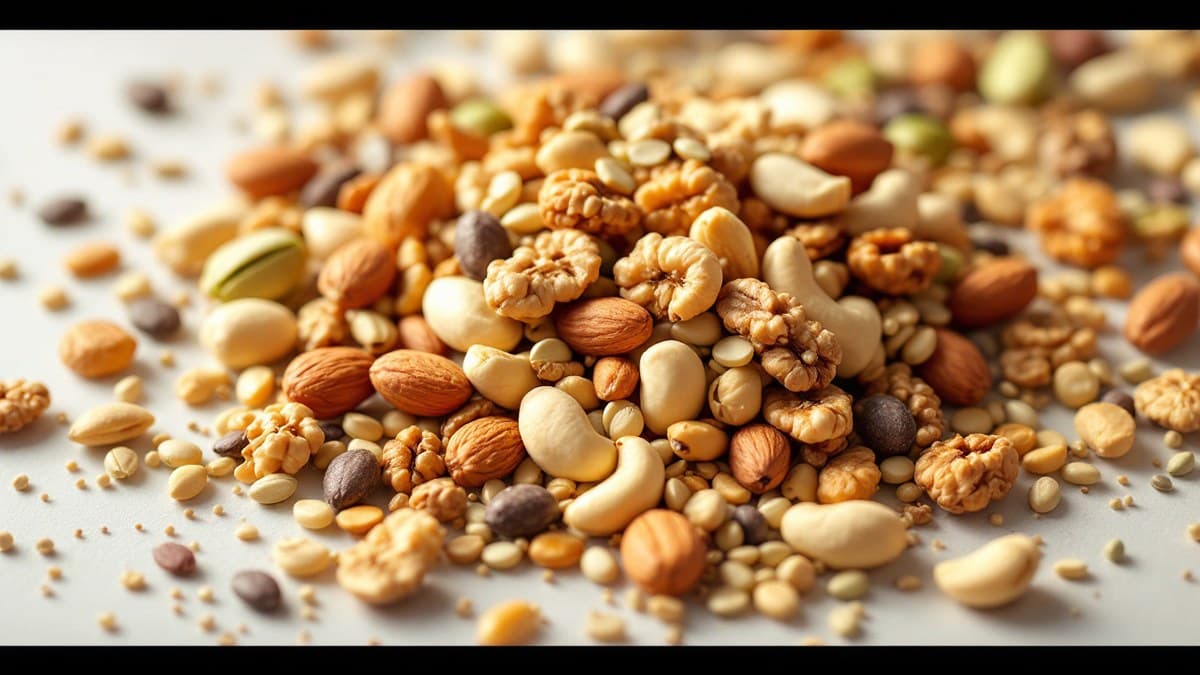
Best Nuts and Seeds for Protein (2026): Ranked by Protein Per Ounce — USDA-Verified Data
Pumpkin seeds lead all nuts and seeds at 9g of protein per ounce (158 calories). Hemp seeds deliver 9–10g per ounce with a complete amino acid profile — the only common plant snack food with all nine essential amino acids. Peanuts (technically a legume) lead the 'nut bowl' options at 7g per ounce. Almonds, the most marketed 'protein nut,' rank mid-pack at 6g per ounce. Macadamia nuts and Brazil nuts have the least protein (2–4g/oz). USDA-verified data for 10 common nuts and seeds, ranked by protein per ounce.
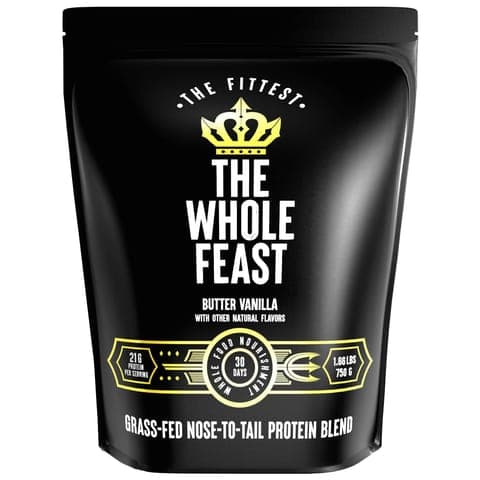
Our top high-protein picks
Editor-selected and ready to buy. As an Amazon Associate we may earn from qualifying purchases.
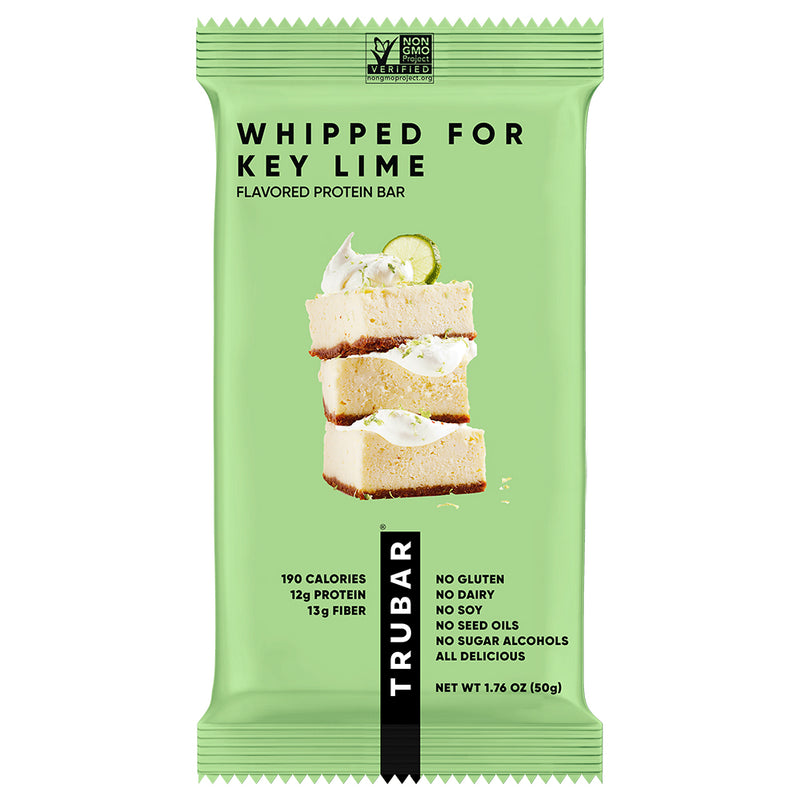 12g protein
Whipped For Key Lime TRUBAR Nutrition and Protein Bar
Amazon returns policy · secure checkout
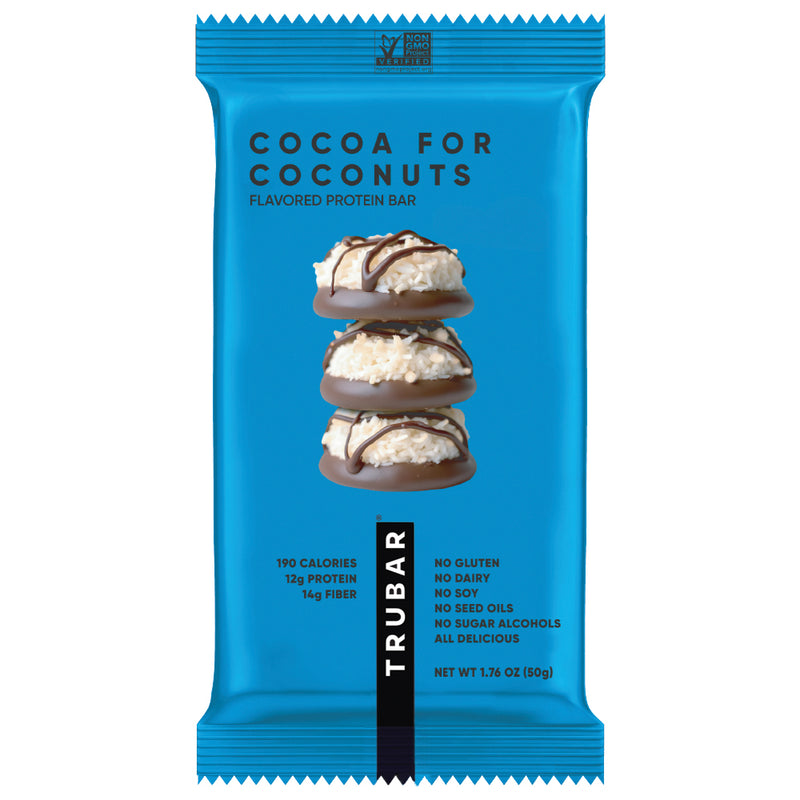 12g protein
Cocoa for Coconuts TRUBAR Nutrition and Protein Bar
Amazon returns policy · secure checkout
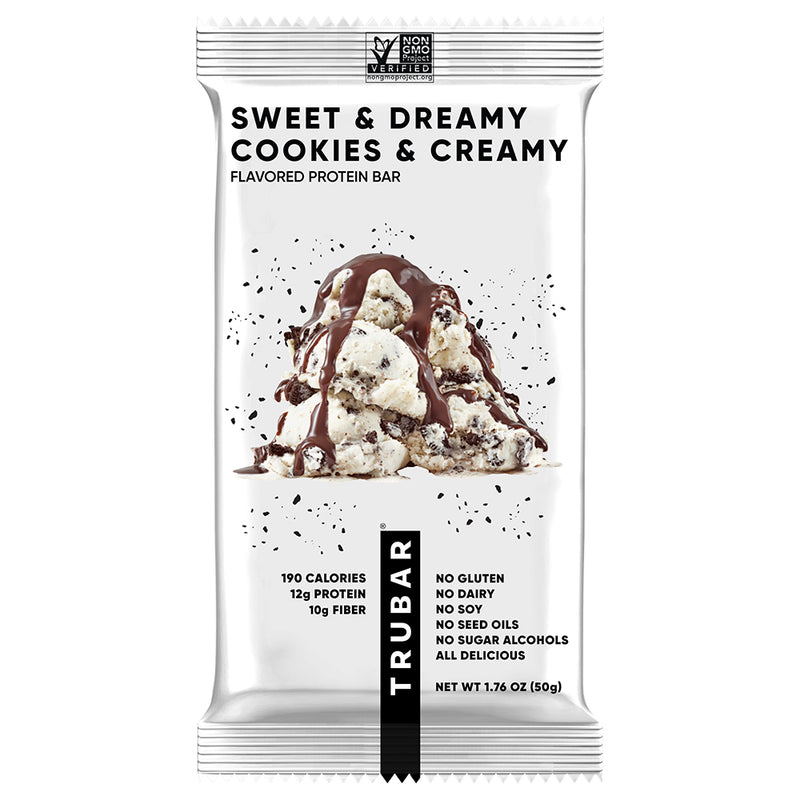 12g protein
Sweet & Dreamy, Cookies & Creamy
Amazon returns policy · secure checkout
30-Second Answer
Pumpkin seeds (pepitas) lead all nuts and seeds at 9g of protein per ounce at 158 calories. Hemp seeds deliver 9–10g per ounce and are one of the few plant foods with a complete amino acid profile. Peanuts (technically a legume) lead the “nut bowl” at 7g per ounce. Almonds — the most marketed “protein nut” — rank mid-pack at 6g per ounce. Macadamia and Brazil nuts are the weakest protein sources at 2–4g per ounce. All figures are per 1 oz (28g) serving, USDA-verified.
Pumpkin seeds deliver the most protein per ounce of any common nut or seed: 9 grams of protein at 158 calories per 1 oz (28g) serving, from USDA FoodData Central data verified for 2026. Hemp seeds match that protein count (9–10g per oz) and are nutritionally unique: one of the few plant snack foods whose protein contains all nine essential amino acids, making it a complete protein comparable in quality to dairy or eggs. Peanuts — technically legumes, but eaten as nuts and sold in the nut aisle — lead the tree-nut-and-peanut category at 7g per ounce. Almonds, the most widely marketed protein nut, deliver 6g per ounce and rank mid-pack. Macadamia nuts and Brazil nuts, often included in premium nut mixes, are among the lowest-protein nuts at 2–4g per ounce. This guide ranks 10 common nuts and seeds by protein per ounce, explains which have complete vs. incomplete protein profiles, and tells you exactly what a one-ounce serving delivers so you can compare against other protein snack categories. For a broader protein snack comparison, see our best high-protein snacks for weight loss or browse the full protein snacks directory.
Nuts and Seeds Ranked by Protein Per Ounce (2026)
All figures below are per 1 oz (28g) serving of plain, unsalted nuts or seeds (dry-roasted or raw as noted), sourced from USDA FoodData Central. Flavored, chocolate-covered, or mixed varieties vary; always check the specific label for branded products. Numbers are rounded to the nearest whole gram.
| Nut / Seed | Calories | Protein | Fat | Net Carbs | Protein / 100 cal | Complete protein? |
|---|---|---|---|---|---|---|
| Pumpkin seeds (pepitas), dried | 158 | 9g | 14g | 4g | 5.7g | No (low in lysine) |
| Hemp seeds (hulled) | ~166 | 9–10g | 15g | 1g | ~6g | Yes |
| Peanuts (dry roasted) | 161 | 7g | 14g | 4g | 4.3g | No (low in methionine) |
| Almonds (dry roasted) | 167 | 6g | 15g | 3g | 3.6g | No |
| Pistachios (dry roasted) | 159 | 6g | 12.5g | 6g | 3.8g | No |
| Sunflower seeds (dry roasted) | 165 | 6g | 14g | 4g | 3.6g | No (low in lysine) |
| Flaxseeds (whole) | 152 | 5g | 12g | 1g | 3.3g | No |
| Chia seeds | 138 | 5g | 9g | 2g | 3.6g | No (low in lysine) |
| Cashews (dry roasted) | 163 | 4g | 13g | 8g | 2.5g | No |
| Walnuts (raw) | 185 | 4g | 18g | 2g | 2.2g | No |
| Brazil nuts (raw) | 187 | 4g | 19g | 1g | 2.1g | No |
| Macadamia nuts (dry roasted) | 204 | 2g | 22g | 2g | 1.0g | No |
Two things stand out from this table. First, seeds — pumpkin seeds and hemp seeds — outperform all tree nuts on protein per ounce, yet are rarely marketed as protein foods. Second, macadamia nuts and Brazil nuts are among the most calorie-dense, lowest-protein options in the entire nut aisle: if protein is the primary reason you’re eating nuts, macadamias (2g per oz, 204 cal) are a poor choice. Third, cashews rank 9th on protein despite being the most popular nut in many mixed-nut snacks.
The Protein-Per-Ounce Breakdown: What Each Top Option Delivers
Pumpkin Seeds (Pepitas): 9g / 158 Cal — The Protein Density Leader
Hulled pumpkin seeds (pepitas) deliver 9 grams of protein per ounce at 158 calories — the highest protein per ounce of any mainstream nut or seed. They are also high in magnesium (37% DV per oz), zinc (20% DV), and iron (11% DV), making them a nutritionally dense snack beyond just protein. The protein is not complete (pumpkin seeds are low in the essential amino acid lysine), but they pair naturally with dairy, legumes, or any lysine-rich food to form a complete profile. Pepitas are sold plain, roasted, or spiced at most grocery stores; buy them in the bulk section, nut aisle, or specialty section. Price runs roughly $0.50–$1.00 per ounce in bulk, similar to almonds. They work well as a standalone snack, mixed into Greek yogurt, or added to a salad for a protein and crunch boost.
Hemp Seeds: 9–10g / ~166 Cal — The Only Complete Plant Protein Here
Hulled hemp seeds (hemp hearts) deliver 9–10 grams of protein per ounce (roughly 3 tablespoons) at approximately 166 calories. What distinguishes hemp seeds from every other nut or seed in this comparison is protein quality: hemp protein is complete, meaning it contains all nine essential amino acids including lysine, in ratios close to the FAO’s reference protein. This makes hemp seeds the only common plant-based nut or seed snack with dairy-comparable protein quality — important for vegetarians and vegans who may rely on nuts and seeds as a primary protein source. Hemp seeds also have an exceptional omega-6 to omega-3 ratio (~3:1, close to the recommended 4:1). The mild, slightly nutty flavor makes them easy to add to Greek yogurt, smoothies, or oatmeal. Available at Whole Foods, Sprouts, Costco (in bags), and Amazon; brands include Manitoba Harvest, Nutiva, and Bob’s Red Mill.
Peanuts: 7g / 161 Cal — Best Mainstream “Nut Bowl” Option
Dry-roasted peanuts deliver 7 grams of protein per ounce at 161 calories — the highest protein count of any option typically found in a standard nut bowl or mixed-nut bag. Peanuts are technically legumes (in the bean and lentil family), not tree nuts, but are nutritionally and culinarily treated as nuts. Their protein is rich in arginine but low in the essential amino acid methionine, making it incomplete on its own; pairing with a methionine-containing food (any animal protein, grain, or seed) completes the profile. Peanuts are the most affordable protein-dense nut option at roughly $0.25–$0.50 per ounce. Planters, Hampton Farms, and store brands are all equivalent on protein per ounce. Dry-roasted, lightly salted varieties have no added oil. Honey-roasted varieties add ~3–4g of sugar per ounce; avoid those if sugar intake is a concern.
Almonds: 6g / 167 Cal — Well-Marketed, Mid-Pack on Protein
Dry-roasted almonds deliver 6 grams of protein per ounce at 167 calories. They are by far the most marketed nut as a “protein snack,” and they are genuinely good — but the data shows they are not exceptional on protein compared to seeds and peanuts. Almonds are notably high in vitamin E (37% DV per oz) and magnesium (19% DV), which justifies eating them on broader nutritional grounds beyond protein. They are also the most filling tree nut in terms of volume-to-calorie ratio because of their fiber content (3.5g per oz). Blue Diamond is the dominant brand; plain, unsalted dry-roasted almonds have the cleanest label. Flavored varieties (Smokehouse, Honey Roasted) typically add 2–6g of sugar per ounce.
Pistachios: 6g / 159 Cal — Best Protein-to-Carb Balance Among Tree Nuts
Pistachios deliver 6 grams of protein at 159 calories per ounce, tied with almonds on protein but at slightly lower calories per ounce. Their protein-to-calorie ratio (3.8g per 100 cal) is better than almonds (3.6g) because of the lower fat content per ounce (12.5g vs. 15g for almonds). Pistachios are also the most arginine-rich tree nut, which has specific relevance for cardiovascular health. The shell-on format slows eating speed, which studies have associated with reduced calorie intake per sitting. Wonderful Pistachios is the dominant brand; their lightly salted roasted variety is the most widely available. Pistachios are also notable as the most satiating nut for the calorie cost, because the shelling process adds a natural stopping cue.
Complete vs Incomplete Protein in Nuts and Seeds: Why It Matters
Of all the options in the table above, only hemp seeds provide complete protein — meaning all nine essential amino acids that the human body cannot synthesize. Most nuts and seeds are low in one or more essential amino acids: pumpkin seeds and sunflower seeds are low in lysine; peanuts are low in methionine; almonds, cashews, and walnuts are low in one or more of the branched-chain amino acids or sulfur-containing amino acids.
For omnivores, the incomplete protein in nuts and seeds is not a practical problem. Eating nuts alongside virtually any animal protein — a handful of almonds with cottage cheese, pumpkin seeds on a Greek yogurt bowl — produces a complete amino acid profile from the meal, and the body draws on amino acid pools from different foods consumed across the day.
For vegans and vegetarians, this matters more if nuts and seeds are a primary protein source. Hemp seeds are the straightforward solution — they deliver complete protein independently. Pumpkin seeds paired with any legume (chickpeas, lentils, edamame) also completes the profile, since legumes are rich in lysine. Sunflower seeds paired with whole grains similarly completes the sulfur amino acid gap.
The practical takeaway: if you are using nuts and seeds as a meaningful protein contribution in a plant-based diet, prioritize hemp seeds for quality and pumpkin seeds for quantity. If you are omnivorous and eating nuts as a supplement to a diet that includes animal protein, any nut or seed on this list contributes good protein with no protein-quality concern.
How Nuts and Seeds Compare to Other High-Protein Snacks
Nuts and seeds deliver 4–9g of protein per ounce at 138–187 calories. For context:
- Beef jerky (Country Archer, lean zero-sugar): 12g protein per ounce at 60 calories — twice the protein at one-third the calories per ounce. For pure protein density, lean jerky is significantly more efficient than nuts.
- Protein chips (Quest): 19g protein per 32g bag at 140 calories — substantially more protein per calorie than any nut.
- FAGE Total 0% Greek yogurt: 18g protein per 90-calorie ¾-cup serving — more protein per calorie than any nut or seed option.
- String cheese (1 stick, 21g): 7g protein at 50 calories — matches peanuts on protein per serving at less than one-third the calories.
What nuts provide that most other high-protein snacks do not: healthy fats (particularly mono- and poly-unsaturated fats), fiber (2–4g per oz), and micronutrients (vitamin E, magnesium, zinc, selenium). The calorie density is high — nuts are not efficient for protein per calorie compared to lean meats, dairy, or protein-supplemented snacks — but the fat and micronutrient profile makes them nutritionally valuable as part of a broader diet. For protein alone, jerky and Greek yogurt are more calorie-efficient; for whole-food nutrition, nuts are genuinely valuable. See our best high-protein snacks for weight loss guide for how nuts compare in a calorie-restricted context.
Practical Buying Guide: How to Choose Nuts for Protein
A few rules that consistently produce the best protein outcomes when buying nuts:
- Choose plain, dry-roasted or raw, unsalted or lightly salted. Honey-roasted, glazed, and flavored varieties add sugar (2–6g per oz) without adding protein. The protein per ounce is identical across plain and flavored, but the calorie count rises with sugar additions.
- Read the serving size. One ounce (28g) is the standard serving for every option in this comparison, but nut mixes are sometimes labeled in different units. The “handful” you eat at a party is usually 1.5–2 oz — scale the protein and calorie numbers accordingly.
- Add seeds to your nut choices. If you buy almonds or peanuts as your snack-nut default, adding a tablespoon of hemp or pumpkin seeds to your serving materially increases the protein per snack at a small calorie cost. A 1 oz almond plus 1 tbsp hemp seeds serving gives you approximately 9–10g of protein vs. 6g for almonds alone.
- For keto: pumpkin seeds (4g net carbs/oz), hemp seeds (~1g), almonds (3g), walnuts (2g), and macadamias (2g) are the best keto-compatible options. Cashews (8g net carbs/oz) and pistachios (6g) are the most carb-dense tree nuts and fit less well in strict ketogenic targets.
Frequently Asked Questions
Which nut has the most protein?
Among tree nuts, almonds and pistachios are tied at 6g of protein per ounce — but peanuts (technically a legume) beat all tree nuts at 7g per ounce at 161 calories. If you include seeds, pumpkin seeds lead the entire nut-and-seed category at 9g per ounce, and hemp seeds deliver 9–10g per ounce with the added advantage of complete protein (all essential amino acids). Macadamia nuts have the least protein at only 2g per ounce at 204 calories.
Are almonds high in protein?
Almonds deliver 6 grams of protein per 1 oz (28g) serving at 167 calories. That is a solid but not exceptional protein count — it ranks behind pumpkin seeds, hemp seeds, peanuts, pistachios, and sunflower seeds. Almonds are well-rounded nutritionally (high in vitamin E, magnesium, fiber) and are genuinely useful for protein, but they are not the highest-protein nut or seed option. Pumpkin seeds and hemp seeds both deliver more protein per ounce with fewer calories.
Are nuts a good protein source for vegans?
Nuts and seeds can contribute meaningfully to protein intake on a vegan diet, but with important caveats. Most nuts have incomplete protein (missing one or more essential amino acids), so they should be paired with complementary foods — legumes (to complete pumpkin/sunflower seeds’ lysine deficiency) or whole grains (to complete peanuts’ methionine gap). The one exception is hemp seeds, which have complete protein independently. For vegans relying on nuts and seeds as primary protein, prioritizing hemp seeds for protein quality and pumpkin seeds for protein quantity is the most efficient approach.
How many nuts should I eat for protein?
A standard 1 oz (28g) serving — roughly a small handful — delivers 4–9g of protein depending on the nut. To reach 15–20g of protein from nuts and seeds alone (a meaningful snack-level dose), you would need 1.5–3 oz. At 160–185 calories per ounce, that is 240–555 calories — a significant calorie investment for the protein delivered. Nuts are more efficiently used as a protein supplement alongside a higher-protein anchor food (Greek yogurt, cottage cheese, a protein bar) than as a standalone protein source. See our best protein snacks for muscle building guide for how nuts fit into a muscle-building diet.
Do pumpkin seeds have more protein than almonds?
Yes — by 50%. Pumpkin seeds (pepitas) deliver 9 grams of protein per ounce vs. almonds’ 6 grams, at slightly fewer calories (158 vs. 167 per oz). Despite this protein advantage, almonds are far more heavily marketed as a protein food — mostly because the almond industry has a larger marketing budget and broader US retail presence than pepita producers. On pure protein per ounce, pumpkin seeds are the better choice. Almonds win on vitamin E content (37% DV vs. pumpkin seeds’ negligible amount) and overall mainstream availability.
Bottom line: Pumpkin seeds and hemp seeds are the most protein-dense nuts and seeds, delivering 9–10g of protein per ounce — significantly more than almonds (6g) and even peanuts (7g) — yet are rarely marketed as protein foods. Hemp seeds are the only option in this comparison with complete protein (all nine essential amino acids), making them the top choice for vegans relying on plant protein. Peanuts lead the traditional “nut bowl” options at 7g per ounce at the lowest price. If protein per calorie is the primary goal, lean beef jerky, Greek yogurt, and protein chips all outperform nuts and seeds by a wide margin; nuts earn their place in a diet through healthy fats, fiber, and micronutrients rather than pure protein efficiency. Browse more high-protein snack options in the protein snacks directory.
Shop our top high-protein picks
Editor-selected high-protein options related to this guide. As an Amazon Associate we may earn from qualifying purchases.
12g proteinWhipped For Key Lime TRUBAR Nutrition and Protein Bar
Amazon returns policy · secure checkout
12g proteinCocoa for Coconuts TRUBAR Nutrition and Protein Bar
Amazon returns policy · secure checkout
12g proteinSweet & Dreamy, Cookies & Creamy
Amazon returns policy · secure checkout
Tags
High Protein Snacks Pro Editorial Team
Independently researched and editorially reviewed. We compare real nutrition labels and never accept payment for coverage.
Get the best new protein snacks in your inbox
Weekly picks and honest reviews — no spam, unsubscribe anytime.
More from the journal
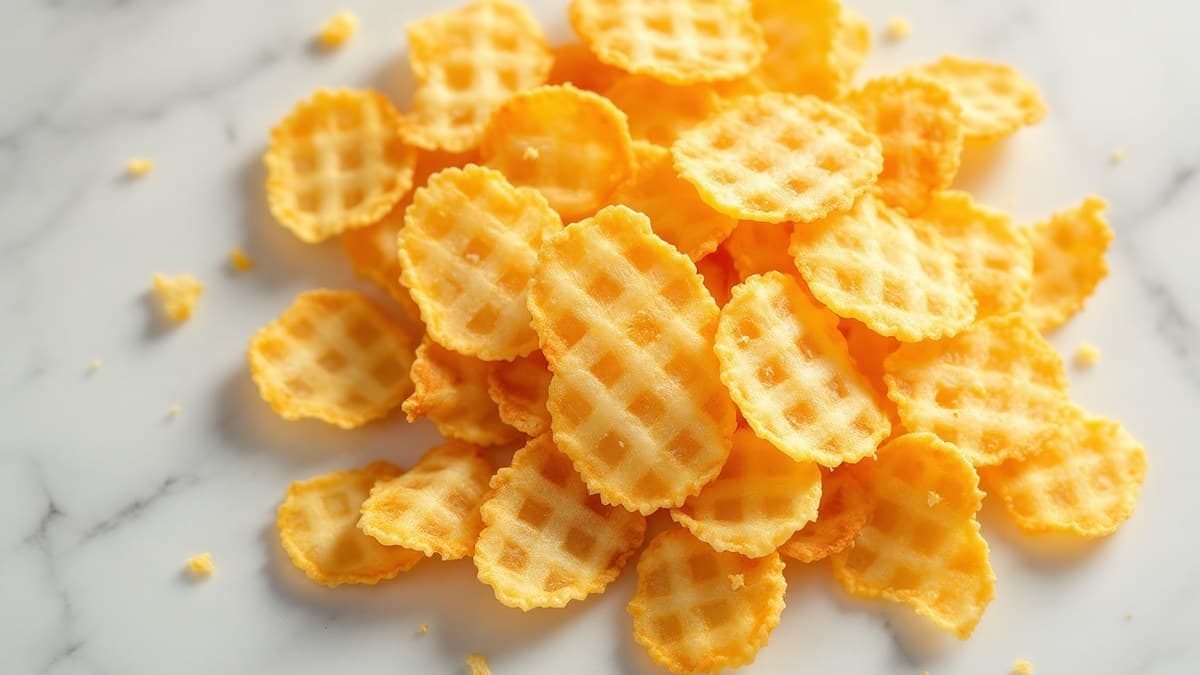
Whisps Cheese Crisps Nutrition Facts 2026: 9g Protein, 130 Calories, 1g Carb Per Serving
Whisps Parmesan Crisps deliver 9g of protein in a 0.5-oz serving with just 130 calories and 1g of carbohydrates — a complete dairy protein from a single ingredient (Parmesan cheese). Here are the verified 2026 nutrition facts for every Whisps flavor and how they compare to Moon Cheese, pork rinds, and traditional crackers.
Read more
Best Beef Jerky for Protein (2026): Tillamook Leads at 13g/oz — Country Archer, Jack Link’s, and Old Trapper Ranked by Nutrition
Tillamook Zero Sugar leads the flat-jerky category at 13g of protein per ounce (18.6g per 100 calories). Country Archer Classic is the best all-around pick: 12g/oz, zero sugar, just 260mg sodium — one-third of Jack Link’s ~770mg. Verified 2026 nutrition facts for five top brands plus Chomps, with individual deep-dives on Jack Link’s and Chomps now live.
Read more
Best High-Protein Snacks at Safeway (2026): 6 Picks Ranked by Protein Density
Six high-protein snacks you can actually find at Safeway, ranked by protein-per-calorie. Top pick is FAGE Total 0% at 20g of protein per 100 calories — better than any protein bar on this list. Premier Protein and Oikos Triple Zero tie for second at 18.8g per 100 calories. Every number comes from the official Nutrition Facts panel, not a database average.
Read more