Casein vs Whey Protein at Night (2026): Does Timing Really Matter for Muscle Recovery?
Casein releases amino acids over 5–7 hours while whey peaks and clears in 90 minutes — overnight is the one window where that gap actually changes muscle recovery. Research shows 40 g of casein before bed lifts overnight muscle protein synthesis by 22% in trained men.
The short answer
Our top protein powder picks
Editor-selected and ready to buy. As an Amazon Associate we may earn from qualifying purchases.
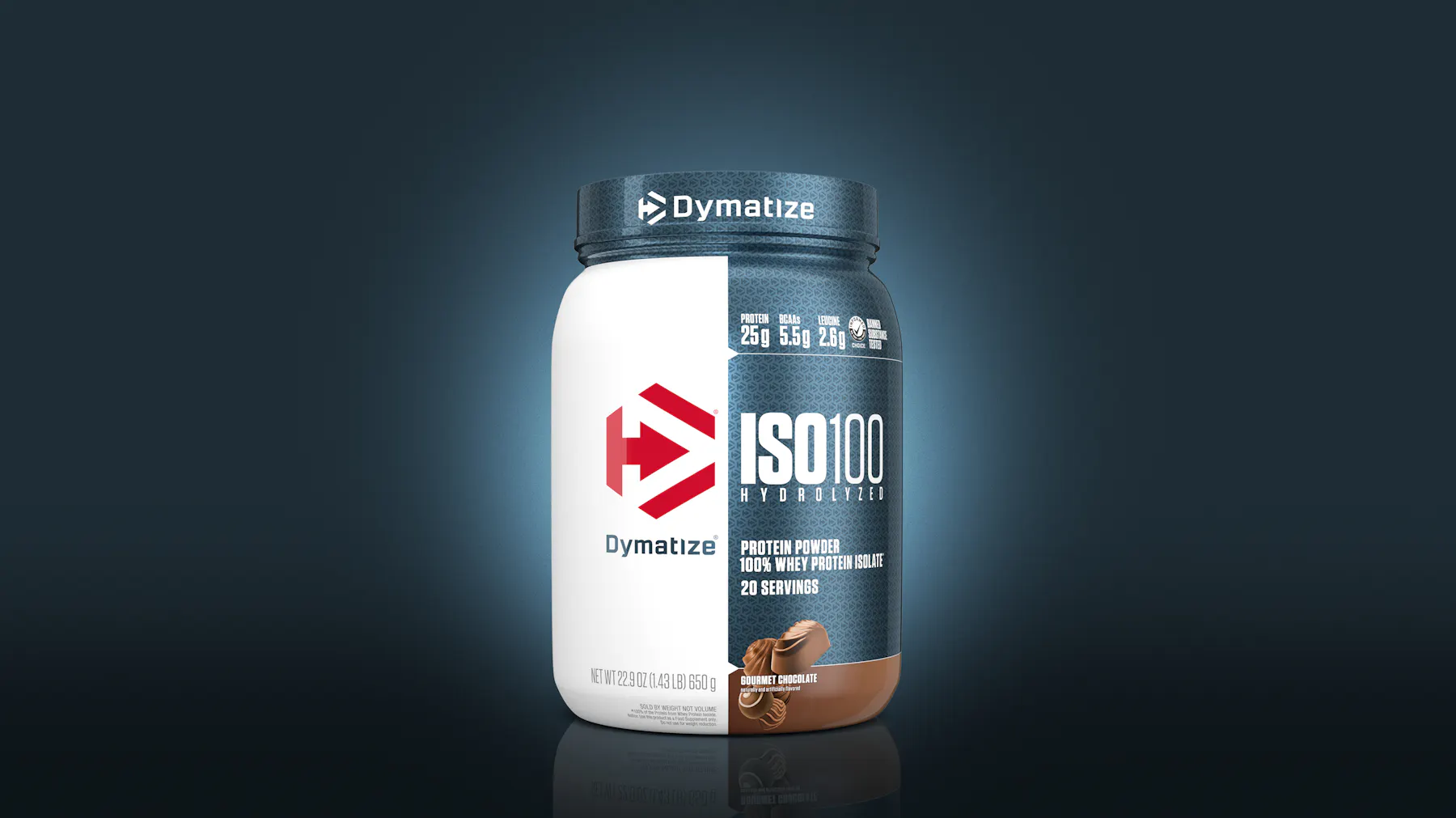 25g protein
ISO100 Hydrolyzed Protein - Chocolate
Amazon returns policy · secure checkout
 22g protein
 25g protein
Protein Powder - Vanilla Milkshake
Amazon returns policy · secure checkout
Casein vs Whey: Quick Comparison
| Micellar Casein | Whey Isolate | |
|---|---|---|
| Digestion speed | 5–7 hours (slow) | 60–90 min (fast) |
| Peak amino acids | Low, sustained plateau | High spike, then drops |
| Leucine % | ~9–10% | ~10–11% |
| MPS duration | Covers full overnight window | Clears before sleep ends |
| Best use case | Pre-sleep, between meals | Post-workout, morning |
| Texture | Thick, pudding-like | Thin, easy to mix |
| Typical cost per 25g | $1.70–$2.40 | $1.20–$1.90 |
Why Overnight Is Different
During the roughly 8 hours you sleep, your body’s muscle protein synthesis (MPS) runs on whatever amino acids circulate in your bloodstream. Whey isolate — the fastest-absorbing protein source — produces a sharp leucine-dependent MPS signal that peaks around 60–90 minutes after ingestion and then clears. MPS runs for 6–8 hours overnight, and without a continuous amino acid supply it runs at submaximal rates once whey clears.
Micellar casein solves this differently. It forms a soft gel in the stomach’s acidic environment and releases amino acids slowly over 5–7 hours — covering the entire overnight repair window with a sustained trickle rather than a single spike. The trade-off: no sharp leucine peak, so casein is a poor post-workout choice where you specifically want a fast aminoacidemic response. The overnight window is the one case where slow beats fast.
What the Research Actually Shows
Two controlled trials are cited almost universally in pre-sleep protein discussions:
- Res et al. (2012, Medicine & Science in Sports & Exercise): The first controlled trial of pre-sleep casein. Trained men received 40 g of casein hydrolysate 30 minutes before sleep; overnight MPS was 22% higher than placebo. The study confirmed that pre-sleep protein is absorbed and used for muscle repair during sleep rather than stored as fat.
- Snijders et al. (2015, Journal of Strength & Conditioning Research): The landmark 12-week RCT. Forty-four trained men added 40 g of casein or whey before bed three nights per week on top of their normal training. Casein group: +3.2% quad muscle mass, +9% leg-extension strength over the training period. The whey group’s overnight amino acid availability cleared before the repair window closed.
- Snijders et al. (2019): Found that any protein before bed improved amino acid availability compared to a carbohydrate control, but did not directly compare casein and whey overnight. The key takeaway: if your choice is whey before bed or nothing, choose the whey.
Does Whey Work at Night?
Yes — whey before bed is meaningfully better than no protein before bed. The 2019 Snijders data and several meta-analyses confirm that pre-sleep protein of any form improves next-day muscle protein balance compared to a carbohydrate snack or fasted night. The specific advantage of casein is the 5–7 hour amino acid release covering the full repair window; if your total daily protein intake is already well above 1.6 g/kg bodyweight, the incremental gain from switching to casein at night is modest. For people consistently under their daily protein target, hitting the target matters more than optimizing the source.
The 40 g Threshold
The dose matters. Both landmark Snijders studies used 40 g of pre-sleep protein. A common question is whether the 30 g “per-meal ceiling” applies here — the ceiling is real but context-dependent: it applies to the per-meal MPS response in fasted conditions, not to the total protein absorbed. Larger people (>90 kg) may need closer to 50 g to cover the overnight window. Under 20 g is unlikely to sustain MPS for the full night at any body weight. A practical target for most trained adults: 30–40 g of casein 30–60 minutes before bed.
Natural Casein Sources: No Powder Required
You do not need casein powder to apply this research. Casein makes up roughly 80% of milk’s protein; cottage cheese and Greek yogurt are among the most concentrated natural casein sources available:
- Cottage cheese (2%, small-curd, 1-cup serving): ~28 g protein (mostly casein), ~200 calories, ~$0.60–$0.90 per serving. Good Culture, Daisy, and Breakstone’s are widely available.
- Greek yogurt (nonfat, plain, 1-cup serving): ~17–20 g protein (casein-dominant), ~100–130 calories. Oikos Pro and Siggi’s 0% deliver the most protein per cup. See our Greek yogurt protein ranking for brand-by-brand numbers.
Both are cheaper per gram of protein than most casein powders and require no mixing. The digestion rate of cottage cheese casein is slightly faster than micellar casein powder because processing removes some of the micelle structure, but it is still significantly slower than whey.
Casein Powder Picks
If you prefer powder for convenience or to hit 40 g cleanly without the calories of cottage cheese, these are the widely available options:
- Optimum Nutrition Gold Standard 100% Casein: 24 g casein per scoop, 120 calories, mixes reasonably well with a blender, ~$1.80–$2.20 per scoop. The chocolate and vanilla flavors are the most palatable. The benchmark for the category.
- Dymatize Elite Casein: 25 g protein per scoop, 110 calories, ~$1.70–$1.90 per scoop. Slightly lower cost than ON; texture is comparable.
- Kaged Micellar Casein: 25 g per scoop, 120 calories, ~$2.20–$2.40 per scoop. Clean label (no artificial flavors), but higher price per serving than ON or Dymatize.
Mixing tip: Casein is thick by design. Mixing with milk (8 oz) instead of water, or using a blender rather than a shaker bottle, produces a noticeably smoother texture. Some people eat it as a pudding by reducing liquid to 4–5 oz.
Frequently Asked Questions
Is casein or whey better for building muscle?
For total muscle growth over a full training program, research consistently shows the difference is small when total daily protein is equated. The overnight context is where casein has a measurable advantage: its 5–7 hour digestion rate sustains muscle protein synthesis through the full sleep window, whereas whey clears by hour 2–3. For post-workout recovery, whey’s faster absorption and sharper leucine spike give it the advantage. The practical rule: whey after training, casein before sleep.
Can you mix casein and whey together?
Yes. Blended casein/whey formulas (such as MusclePharm Combat Protein Powder) are designed specifically for this — you get whey’s leucine spike plus casein’s extended release in a single scoop. This is a reasonable compromise if you want one powder for both post-workout and pre-sleep use, though it is more expensive per gram than buying dedicated casein powder for nighttime use.
How much protein before bed to build muscle?
The two landmark Snijders RCTs used 40 g. That is the dose where evidence is strongest for overnight MPS benefits in trained adults. Lighter individuals (under 70 kg bodyweight) may see comparable results at 30 g. There is no published evidence that doses above 40 g provide incremental benefit over a single night, and large protein boluses before sleep can affect sleep quality in sensitive individuals.
Is cottage cheese a good pre-sleep protein?
Yes — it is one of the best natural casein sources available. A 1-cup serving of 2% small-curd cottage cheese provides roughly 28 g of protein (approximately 80% casein, 20% whey) at ~200 calories. Research by Snijders’ group has directly used cottage cheese as a pre-sleep casein vehicle and found it effective for overnight MPS. It is cheaper and more convenient than most casein powders for people already eating real food before bed.
Does pre-sleep protein cause fat gain?
No — the Res et al. (2012) study directly addressed this. Pre-sleep casein was absorbed and directed toward muscle protein synthesis, not toward fat storage. Total daily calorie balance drives fat gain or loss; a 150–200 calorie pre-sleep protein serving does not meaningfully change body-fat outcomes when total daily calories are controlled. The concern is more relevant for people adding pre-sleep protein on top of an already-calorie-surplus diet without adjusting other meals.
Bottom line: The overnight window is the one case where protein source matters. Casein’s 5–7 hour amino acid release covers the full sleep repair cycle; whey clears by hour 2–3 and leaves the remaining hours under-supplied. The dose that shows effects in trained adults is 30–40 g, taken 30–60 minutes before bed. Cottage cheese and Greek yogurt are the whole-food versions — cheap, available, no mixing required. For pure convenience and a clean 40 g dose, ON Gold Standard Casein and Dymatize Elite Casein are the benchmark powders. Compare both sides of the protein-source question in our best casein protein powder guide and our best whey protein isolate guide.
Shop our top protein powder picks
Editor-selected high-protein options related to this guide. As an Amazon Associate we may earn from qualifying purchases.
25g proteinISO100 Hydrolyzed Protein - Chocolate
Amazon returns policy · secure checkout
22g protein25g proteinProtein Powder - Vanilla Milkshake
Amazon returns policy · secure checkout
Tags
High Protein Snacks Pro Editorial Team
Independently researched and editorially reviewed. We compare real nutrition labels and never accept payment for coverage.
Get the best new protein snacks in your inbox
Weekly picks and honest reviews — no spam, unsubscribe anytime.
More from the journal
Best Casein Protein Powder (2026): 5 Top Micellar Caseins Ranked by Protein per Scoop, Purity, and Slow-Digestion Profile
The best casein protein powder in 2026 is Optimum Nutrition Gold Standard 100% Casein — 24g of 100% micellar casein per scoop at 120 calories with 1g of sugar, the market-standard slow-digesting protein used before bed for overnight muscle recovery. Naked Casein leads for the cleanest label at 26g of protein per scoop with a single-ingredient panel (micellar casein only). Five real casein protein powders ranked by grams of protein per scoop, calories per scoop, ingredient purity, and third-party certification, with verified 2026 label data.
Read more
Best Protein Powder for Women (2026): 5 Picks That Tested Non-Detect for Heavy Metals
The best protein powder for women in 2026 is Isopure Zero Carb Whey Isolate, Unflavored — 25g of protein in 100 calories, the highest protein-per-calorie ratio here, and one of only 16 powders out of 160 that tested non-detect for lead, cadmium, mercury and arsenic in Clean Label Project's testing. There is no physiological reason a protein powder should be sold "for women," but two things genuinely differ: a smaller calorie budget, and contamination risk — and the organic, plant-based, chocolate powders the women's aisle is full of are the dirtiest category in that testing. Every pick here is screened on purity first, then ranked on protein per 100 calories.
Read more
Best Collagen Protein Powder (2026): 6 Picks Ranked by Cost Per 10g of Collagen
The best collagen protein powder in 2026 is Orgain Collagen Peptides at $0.43 per 10 grams of collagen — 20g of grass-fed type I and III peptides, 18g protein and 70 calories per serving, the cheapest verified cost per gram of six best-selling unflavored tubs. Vital Proteins sells the identical 20g serving for 63% more per gram, Momentous is the only pick carrying NSF Certified for Sport, and every label here is attached to the same commodity ingredient. Ranked on published Supplement Facts panels, with the published evidence on dose and on why collagen is not a complete protein.
Read more