Best Casein Protein Powder (2026): 5 Top Micellar Caseins Ranked by Protein per Scoop, Purity, and Slow-Digestion Profile
The best casein protein powder in 2026 is Optimum Nutrition Gold Standard 100% Casein — 24g of 100% micellar casein per scoop at 120 calories with 1g of sugar, the market-standard slow-digesting protein used before bed for overnight muscle recovery. Naked Casein leads for the cleanest label at 26g of protein per scoop with a single-ingredient panel (micellar casein only). Five real casein protein powders ranked by grams of protein per scoop, calories per scoop, ingredient purity, and third-party certification, with verified 2026 label data.
Our top protein powder picks
Editor-selected and ready to buy. As an Amazon Associate we may earn from qualifying purchases.
Buy the products in this guide: Native Fuel 100% Whey Protein Powder · Grass-Fed Whey Protein Isolate
 24g protein
Gold Standard 100% Whey Protein Powder
Amazon returns policy · secure checkout
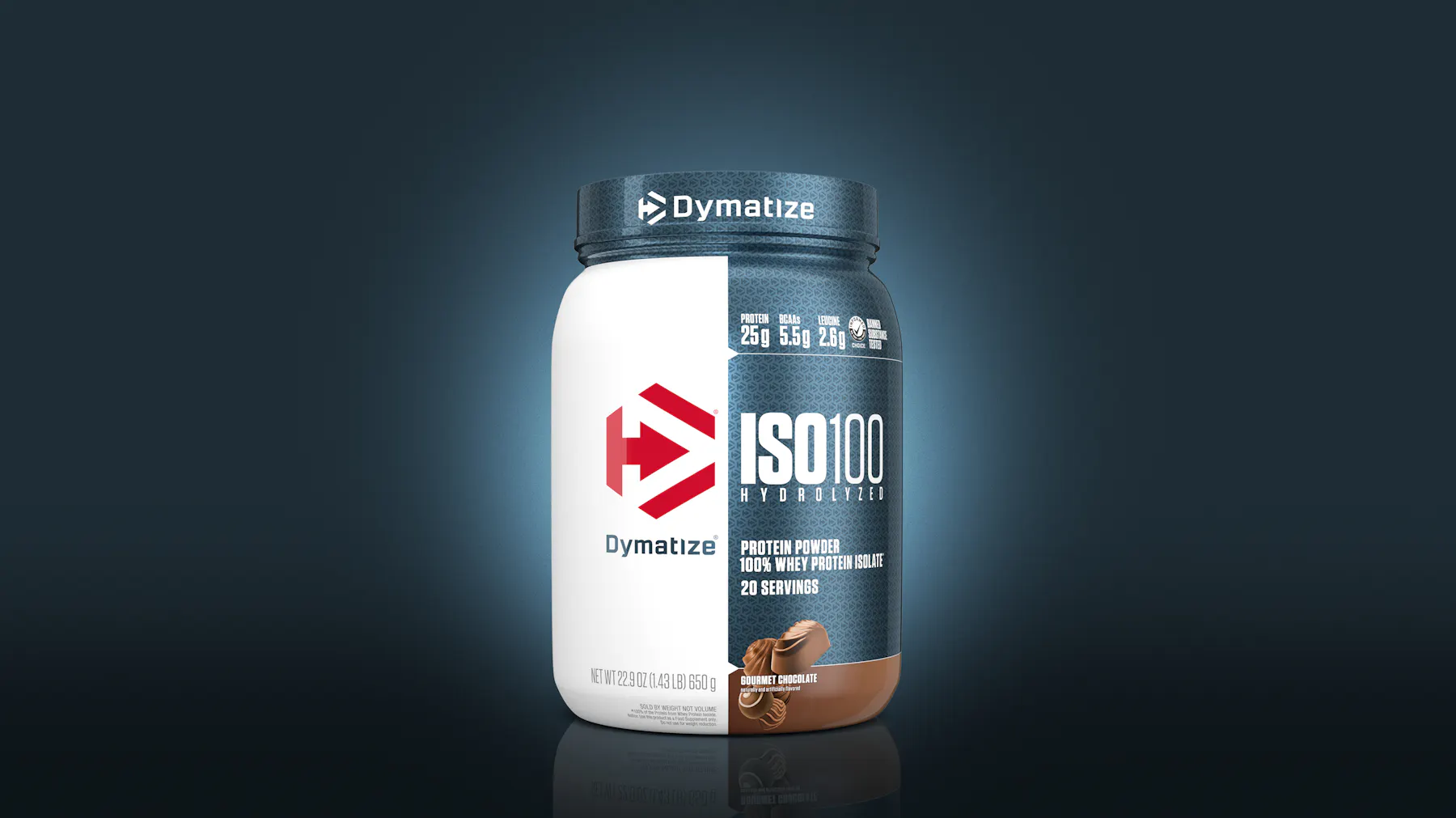 25g protein
ISO100 Hydrolyzed Protein - Chocolate
Amazon returns policy · secure checkout
 25g protein
ISO100 Hydrolyzed Whey Protein Isolate
Amazon returns policy · secure checkout
The 30-second answer
Best overall (market standard): Optimum Nutrition Gold Standard 100% Casein — 24g of 100% micellar casein per scoop at 120 calories with 1g of sugar; the widest-distributed slow-digesting protein for overnight recovery. Best slow-release for overnight muscle recovery: Dymatize Elite Casein — 25g of 100% micellar casein per 2-scoop serving at 120–130 calories with 0g of sugar; formulated specifically for the pre-bed shake. Best Informed Sport certified (tested athletes): Ascent Native Fuel Micellar Casein — 25g of native (undenatured) casein per scoop at 110–130 calories, 0g added sugar, Informed Sport certified so competitive athletes can use it under sport-governing-body rules. Best grass-fed: Transparent Labs 100% Grass-Fed Casein — 25g of instantized micellar casein per 35g scoop at 120 calories, sourced from 100% grass-fed dairy, clean stevia-only sweetening. Best single-ingredient / cleanest label: Naked Casein — 26g of micellar casein per scoop at 110 calories, a one-ingredient unflavored powder (micellar casein only), NSF Certified, the shortest label in the entire casein category.
Casein protein is the slow-digesting counterpart to whey. Where whey isolate raises blood amino acids within 30–60 minutes and clears within about two hours, micellar casein forms a soft gel in the stomach that releases amino acids gradually over roughly six to eight hours — the reason it has been the default pre-bed shake in strength and physique communities for two decades. That slow-release profile makes casein the wrong pick for immediate post-workout muscle-protein synthesis (whey wins that window) and the right pick for two specific situations: the overnight fasting window between dinner and breakfast, and any four-to-six-hour gap between meals where a steady amino-acid supply matters more than a fast hit. The five picks below are all built on micellar casein — the intact, native form of the protein filtered from milk at low temperatures rather than acid-precipitated (calcium caseinate, which is a faster-digesting inferior form). Every nutrition figure comes from each brand’s own published 2026 label; anything not confirmed by the label is marked with a dash rather than a guess.
Affiliate links — if you buy through them we earn a small commission at no extra cost to you. Every number below comes from each product’s own published 2026 nutrition panel.
Casein Protein Powder Comparison: 2026 Verified Nutrition
| # | Pick | Protein / serving | Calories | Protein / 100 cal | Sugar | Form |
|---|---|---|---|---|---|---|
| 1 | ON Gold Standard 100% Casein | 24g | 120 | 20.0g | 1g | Micellar casein |
| 2 | Dymatize Elite Casein | 25g (per 2 scoops) | 120–130 | 19.2–20.8g | 0g | Micellar casein |
| 3 | Ascent Native Fuel Micellar Casein | 25g | 110–130 | 19.2–22.7g | 0g added | Native micellar casein (Informed Sport) |
| 4 | Transparent Labs Grass-Fed Casein | 25g | 120 | 20.8g | — | Grass-fed micellar casein |
| 5 | Naked Casein | 26g | 110 | 23.6g | 2g | Micellar casein (single-ingredient, NSF) |
Protein / 100 cal = (protein ÷ calories) × 100. All figures per the manufacturer’s labeled serving; scoop weight varies between brands. Dymatize Elite Casein uses a 2-scoop label serving — all others are per single scoop. “Native” casein (Ascent) is filtered from raw milk without the acid or heat steps used to make ordinary micellar casein.
The 5 Best Casein Protein Powders in 2026
#1 Best Overall — Optimum Nutrition Gold Standard 100% Casein
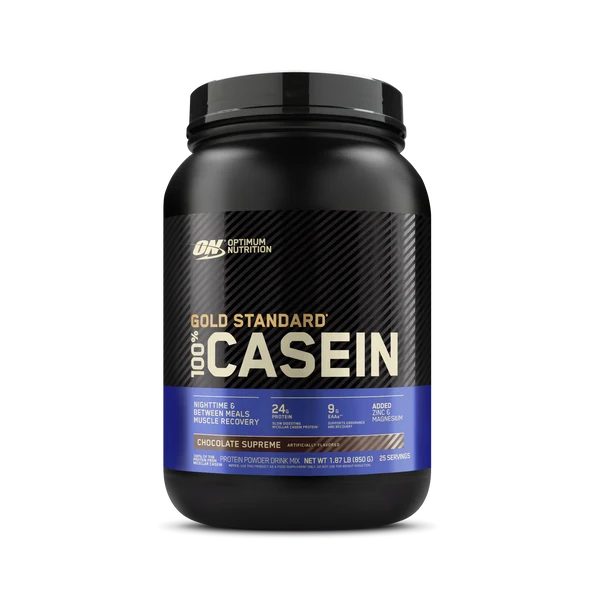
Optimum Nutrition Gold Standard 100% Casein
24g protein · 120 cal · 1g sugar · 100% micellar casein · 85mg magnesium · 11mg zinc · 1 scoop (34g) serving
Check price on Amazon →Optimum Nutrition’s Gold Standard 100% Casein is the market standard for slow-digesting protein — it has been on shelves for over two decades and remains the most widely stocked casein in the category, from Amazon and Walmart to nearly every US supplement retailer. The formula is 100% micellar casein (the intact, native protein filtered from milk at low temperatures, not acid-precipitated calcium caseinate), delivering 24g of complete protein per 34g scoop at 120 calories — a clean 20.0g of protein per 100 calories. It also carries a small but genuine dose of magnesium (85mg, roughly 20% of the daily value) and zinc (11mg, essentially the full daily value for adult men) from the whey minerals concentrated during processing. Available in Chocolate Supreme, Chocolate Peanut Butter, Cookies & Cream, and Creamy Vanilla in 2 lb and 4 lb tubs on Amazon and direct from optimumnutrition.com. For the same brand’s fast-absorbing daytime protein, see our Gold Standard Whey nutrition breakdown.
The honest catch: Gold Standard 100% Casein is sweetened with acesulfame potassium and sucralose, plus small amounts of natural and artificial flavors depending on the flavor. Reviewers who avoid artificial sweeteners will notice; reviewers mixing into milk or a smoothie generally will not. Casein powder mixed into water always thickens noticeably (that is the point — the gelling is what slows digestion in the stomach), so a lighter, more drinkable shake means shaking with more water than a comparable whey scoop and drinking soon after mixing. Approximately $30–$40 for the 2 lb tub and $55–$70 for the 4 lb tub on Amazon, competitive per gram of protein with any other established casein brand.
#2 Best Slow-Release for Overnight Recovery — Dymatize Elite Casein

Dymatize Elite Casein
25g protein · 120–130 cal · 0g sugar · 5.3g BCAAs · 2.3g leucine · 100% micellar casein · 2-scoop (34–36g) serving
Check price on Amazon →Dymatize Elite Casein is the casein made most explicitly for one job: the pre-bed shake. The 100% micellar casein formulation delivers 25g of complete protein per labeled 2-scoop serving with 0g of sugar and 5.3g of BCAAs including 2.3g of leucine — the specific amino acid most strongly linked to overnight muscle-protein synthesis. Dymatize has been a consistent quality operator in the category since the late 1990s and carries Informed Choice third-party certification on its powders. The Rich Chocolate flavor is one of the better-tasting caseins in the category (a genuinely important detail — the pre-bed shake is one you have to be willing to drink every night to actually benefit from), and Cookies & Cream and Smooth Vanilla round out the lineup. Same brand as our top overall whey isolate pick — see the Dymatize ISO100 nutrition facts breakdown for the daytime counterpart.
The honest catch: the label serving is 2 scoops, not 1 — that is not a bad thing (the scoops are small at ~17g each and 25g of protein per serving is right for a pre-bed target), but budget-shopping by cost-per-scoop rather than cost-per-serving makes Elite Casein look artificially cheap. Cost-per-serving is what matters. Sweetened with sucralose plus a small amount of acesulfame potassium in most flavors; the flavor system uses artificial coloring in the chocolate variants. Roughly $50–$60 for the 4 lb tub (50 servings) on Amazon — approximately $1–$1.20 per pre-bed shake, in line with ON Casein.
#3 Best Informed Sport Certified — Ascent Native Fuel Micellar Casein

Ascent Native Fuel Micellar Casein
25g protein · 110–130 cal · 0g added sugar · 4.9g BCAAs · 2.2g leucine · native micellar casein · Informed Sport certified · 1 scoop serving
Check price on Amazon →Ascent Native Fuel Micellar Casein is the correct pick for two specific readers: any competitive athlete subject to a sport-governing-body banned-substance list (the tub carries the Informed Sport third-party certification, meaning every batch is tested for hundreds of banned substances and label-accuracy of the protein content), and any reader who will not buy a powder that uses artificial sweeteners or artificial flavors. Ascent’s ingredient panel is short and honest: native micellar casein, cocoa (in the chocolate flavors), natural flavors, sunflower lecithin, stevia leaf extract, and sea salt. “Native” casein is a specific technical distinction — the protein is filtered directly from raw milk using cold ultrafiltration rather than acid precipitation, which preserves the casein micelles closer to their intact biological form and delivers a smoother mixing texture than acid-treated caseinates. Chocolate is 110 cal per scoop; Chocolate Peanut Butter runs 130 cal per scoop with slightly more fat from the added peanut flour.
The honest catch: Ascent is meaningfully more expensive per scoop than ON or Dymatize — you are paying for the native filtration process, the Informed Sport testing, and the clean ingredient panel, not for any measurable difference in protein absorption speed (all micellar casein digests at approximately the same slow rate). Stevia is polarizing: the aftertaste is more noticeable in the vanilla and unflavored options than in the chocolate variants. If Informed Sport certification is not a requirement for you and you tolerate sucralose, ON Casein delivers the same 24–25g of micellar casein for roughly 40% less per serving.
#4 Best Grass-Fed — Transparent Labs 100% Grass-Fed Casein
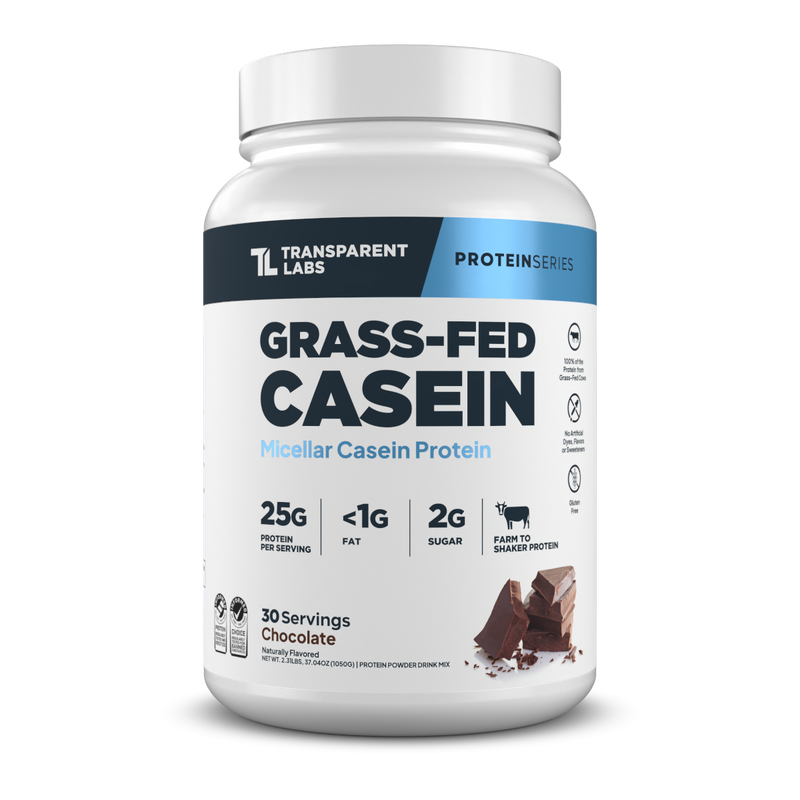
Transparent Labs 100% Grass-Fed Casein
25g protein · 120 cal · 4g carbs · 0.5g fat · 100% grass-fed micellar casein · stevia-sweetened · 1 scoop (35g) serving
Check price on Amazon →Transparent Labs delivers the strongest grass-fed casein in the category with the shortest ingredient panel of the five: instantized micellar casein from 100% grass-fed dairy, natural flavor, stevia, salt, and a small amount of xanthan gum for texture — no artificial sweeteners, no artificial colors, no gums beyond that, no proprietary blends, no filler. The 25g of complete protein per 35g scoop at 120 calories delivers 20.8g of protein per 100 calories, matching Transparent Labs’ own grass-fed whey isolate for per-calorie efficiency. Instantization is a real functional benefit here — casein is notoriously chalky when mixed with water, and the instantization step improves mixability meaningfully. Available in Chocolate and Vanilla direct from transparentlabs.com.
The honest catch: “grass-fed” casein has minimal measurable protein-quality advantage over conventional casein — the amino-acid profile is essentially identical, and any environmental or animal-welfare benefit is real but does not change how the protein works in your body. Transparent Labs sells primarily direct-to-consumer, so Amazon inventory is inconsistent and the per-scoop price runs above ON and Dymatize on a straight cost basis. Buy this one specifically because you want a grass-fed source with the shortest ingredient panel of any casein on this list, not because grass-fed casein “works better” than the alternatives. Stevia sweetening is again polarizing — more noticeable in the vanilla than the chocolate.
#5 Best Single-Ingredient / Cleanest Label — Naked Casein
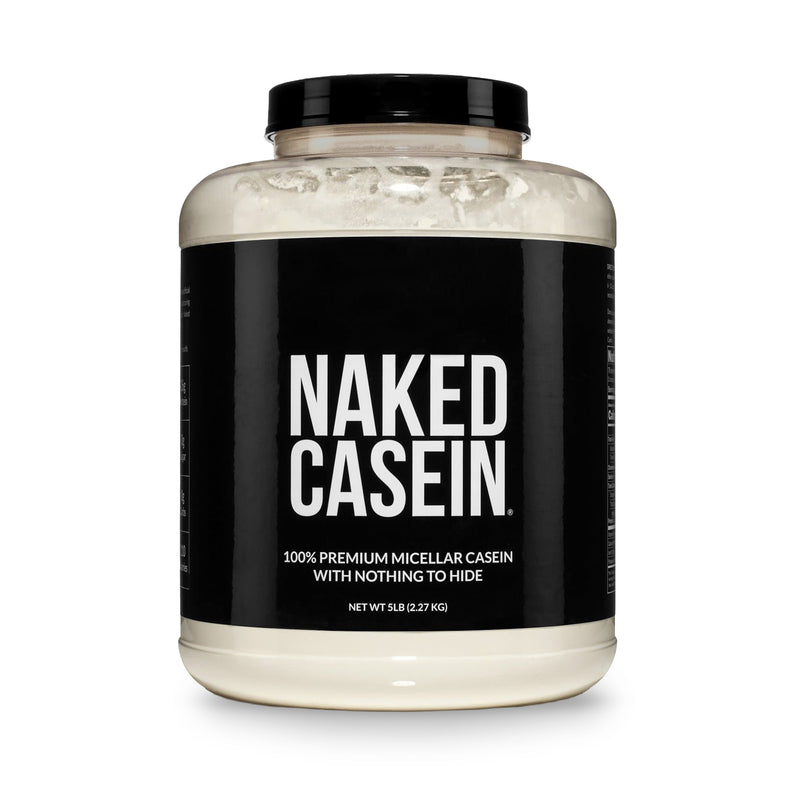
Naked Casein (Unflavored)
26g protein · 110 cal · 0g carbs · 2g sugar (lactose) · 5.9g BCAAs · single-ingredient micellar casein · NSF Certified · 1 scoop serving
Check price on Amazon →Naked Casein has the shortest ingredient list of any protein powder in the category, full stop. Read the panel: micellar casein. That is it. One ingredient. No sweeteners of any kind (natural or artificial), no flavors, no gums, no lecithin, no anti-caking agents. The powder is naturally slightly sweet from the residual lactose (2g of sugar per scoop) and mixes into 26g of complete protein at 110 calories — the highest protein-to-calorie ratio on this list at 23.6g per 100 calories. Sourced from US grass-fed dairy and NSF Certified for label accuracy and heavy-metal content. This is the pick for a reader who does elimination-style clean eating, mixes their own flavors (cocoa powder, cinnamon, vanilla extract, a banana in a blender), or wants to control every ingredient in a shake. Available in a 5 lb bulk bag (76 servings) direct from nakednutrition.com or on Amazon.
The honest catch: unflavored casein mixed with water is genuinely bland — roughly the taste of unsweetened Greek yogurt thinned out, with a chalky mouthfeel that casein always carries at first sip. If you will not blend it into something (a smoothie with fruit, mixed into oatmeal, blended with cocoa and a sweetener), you will not enjoy drinking it. The 2g of sugar per scoop is residual lactose from the whole-milk source, so Naked Casein is not appropriate if you are highly lactose-intolerant — a lactose-reduced whey isolate like Isopure Zero Carb is a better fit there. Approximately $80–$90 for the 5 lb bag (76 servings), roughly $1.10–$1.20 per scoop — the premium is what you pay for a truly clean label.
What Is Casein Protein and How Does It Differ from Whey?
Casein and whey are the two proteins in cow’s milk — roughly 80% of milk protein is casein and 20% is whey. During cheese production the two are separated: whey drains off as the liquid, casein becomes the curds. Micellar casein is the intact, native form of casein that has been filtered from milk at low temperatures without acid or heat, which preserves its natural globular structure (called a micelle). When you drink micellar casein it forms a soft gel in the acidic environment of the stomach, and that gel releases amino acids into the bloodstream gradually over roughly six to eight hours — the mechanism that makes casein the default pre-bed protein for lifters and physique athletes. Whey isolate, by contrast, is digested and absorbed in under two hours: fast in, fast out, ideal for the 30–60 minute post-workout window when muscle protein synthesis is at its peak. The two proteins are complementary, not competitive — the correct move for most trainees is whey after workouts and casein before bed, or a whey/casein blend eaten as a meal-replacement mid-morning when a four-to-six-hour hunger gap matters.
When Should You Take Casein Protein?
The strongest evidence-supported use case for casein is the pre-bed shake — a 30–40g casein dose 30 minutes before sleep. Multiple controlled trials (Res et al. 2012, Snijders et al. 2015, and follow-up work) have shown that overnight casein consumption elevates muscle protein synthesis rates during sleep in resistance-trained men and improves recovery markers versus a placebo. Beyond that, casein is a strong pick any time a four-to-six-hour amino-acid supply matters more than a fast hit: a mid-morning meal replacement between breakfast and lunch, an afternoon shake at a desk job when the next real meal is dinner, or blended into overnight oats to add protein without a fast blood-sugar spike. Casein is the wrong pick immediately post-workout — the slow release means peak leucine takes hours to arrive, and the anabolic window rewards speed. Post-lift, use whey isolate or a fast whey concentrate; a casein shake at bedtime later that same evening compounds.
How Casein Protein Powders Actually Differ
Every casein on this list is 100% micellar casein — that is the baseline. The real differences that separate the picks are: protein per calorie (Naked Casein leads at 23.6g per 100 cal thanks to its zero-additive formula; Dymatize and ON both sit around 20g per 100 cal), added-sugar and sweetener system (Ascent and Transparent Labs use stevia; Naked uses nothing; ON and Dymatize use sucralose plus acesulfame potassium), third-party testing (Ascent carries Informed Sport, Naked carries NSF Certified, Transparent Labs publishes batch-level lab results, ON carries Informed Choice on some SKUs), and sourcing (Transparent Labs and Naked source from grass-fed US dairy; ON, Dymatize, and Ascent do not specifically require grass-fed). None of these differences change how fast the casein digests — the six-to-eight-hour release curve is essentially identical across every intact micellar casein product. What varies is the ingredient panel, the price per gram of protein, and the third-party verification.
Frequently Asked Questions
What is the best casein protein powder in 2026?
Optimum Nutrition Gold Standard 100% Casein is the best casein protein powder in 2026 for most buyers: 24g of 100% micellar casein per scoop at 120 calories with 1g of sugar, the widest retail distribution in the category, and a price point roughly 40% below premium alternatives like Ascent and Transparent Labs. For competitive athletes subject to a banned-substance list, Ascent Native Fuel Micellar Casein is the correct pick because it carries Informed Sport third-party certification. For the cleanest ingredient panel available, Naked Casein is a one-ingredient powder (micellar casein only) that also delivers the highest protein-to-calorie ratio in the category at 23.6g per 100 calories.
Is casein protein better than whey?
Neither is better in absolute terms — they solve different problems. Whey isolate raises blood amino acids within 30–60 minutes and clears within two hours, making it the correct pick for the immediate post-workout window when muscle-protein synthesis is at its peak. Casein forms a soft gel in the stomach and releases amino acids gradually over six to eight hours, making it the correct pick for the pre-bed shake and any long between-meal gap. Most trainees benefit from having both: whey after workouts, casein before bed. See our best whey protein isolate guide for the fast-absorbing counterpart.
When should I take casein protein?
The strongest evidence-supported use is 30 minutes before sleep: a 30–40g casein dose elevates overnight muscle protein synthesis in resistance-trained adults (Res et al. 2012; Snijders et al. 2015). Casein is also useful as a mid-morning or afternoon shake when the next meal is four to six hours away, or blended into overnight oats to slow the glycemic response. It is not the right pick immediately post-workout — the slow release means peak leucine takes hours to arrive, and the anabolic window rewards fast whey absorption.
Does casein protein really digest slowly?
Yes — and the mechanism is physical, not marketing. Micellar casein micelles are hydrophobic protein clusters held together by calcium phosphate; when you drink them, the acidic environment of the stomach causes them to coagulate into a soft gel (the same reason milk curdles when you add lemon juice). Digestive enzymes then have to work through that gel to release the amino acids, which happens gradually over six to eight hours. Whey, by contrast, remains fully soluble in stomach acid and is absorbed almost as fast as free amino acids. This slow release is documented in multiple stable-isotope studies (Boirie et al. 1997 established the “slow vs fast” protein concept using casein and whey directly).
Can lactose-intolerant people drink casein?
It depends on severity. Micellar casein powder typically contains 1–3g of residual lactose per scoop — noticeably less than milk (about 12g per cup) but not zero. Mildly lactose-intolerant people usually tolerate a scoop of casein without symptoms; severely lactose-intolerant people (those who react to even trace lactose in yogurt or hard cheese) should either avoid casein or try a lactose-free formulation. A lactose-reduced whey isolate like Isopure Zero Carb is a genuinely lactose-free option, though it is fast-digesting rather than slow. Naked Casein at 2g of sugar per scoop sits at the higher end of the residual-lactose range and is the worst pick for lactose-sensitive users on this list.
Is casein protein safe to take every day?
Yes, for most healthy adults. Casein is milk protein — the same protein humans have consumed daily for thousands of years in the form of milk, yogurt, and cheese. Daily protein intake up to about 2g per kilogram of body weight is well-supported for lean-mass gain and preservation, and casein counts toward that target the same as any other complete protein. The main considerations are: if you have a diagnosed cow’s milk protein allergy (distinct from lactose intolerance), you cannot use dairy-based casein and should look at plant proteins or egg white; if you have chronic kidney disease, discuss total daily protein intake with your physician; and if you already eat a lot of Greek yogurt, cottage cheese, and hard cheese, an added casein shake may be more protein than you actually need.
What is the difference between micellar casein and calcium caseinate?
Micellar casein is the intact, native form of the protein filtered from milk at low temperatures using ultrafiltration — the casein micelles remain in their natural biological structure, which is what produces the slow, gel-forming digestion casein is known for. Calcium caseinate is casein that has been precipitated out of milk using acid, then neutralized with calcium hydroxide — the process denatures the micelle structure, which makes calcium caseinate digest meaningfully faster than intact micellar casein (closer to a whey concentrate speed than a true slow-release casein). All five picks in this roundup use 100% micellar casein; if a “casein” product’s label lists calcium caseinate or sodium caseinate as the protein source, it is the faster-digesting inferior form and should not be used as a pre-bed shake.
Where can you buy casein protein powder?
Amazon carries all five picks with Prime shipping and typically the most consistent pricing across brands. Optimum Nutrition Gold Standard 100% Casein is also stocked at Walmart, Target, Vitamin Shoppe, GNC, and most independent supplement retailers. Dymatize Elite Casein is widely available at supplement specialty stores and on the Dymatize website. Ascent, Transparent Labs, and Naked Casein sell primarily direct-to-consumer from their own websites with subscribe-and-save discounts — check the direct site against Amazon before assuming a price difference. All five have generous return windows on their direct sites if the flavor does not work for you.
Bottom line: for most buyers the best casein protein powder in 2026 is Optimum Nutrition Gold Standard 100% Casein — 24g of 100% micellar casein per scoop at 120 calories, the widest distribution in the category, and a price point roughly 40% below the premium alternatives. If you are a competitive athlete under a sport-governing-body banned-substance list, buy Ascent Native Fuel for the Informed Sport certification. If you want a grass-fed source with a short ingredient panel, Transparent Labs is the strongest pick. If a single-ingredient clean-label powder matters more than flavor, Naked Casein is the shortest-label casein in the entire market. Browse the full high-protein snacks directory, see our best protein powders of 2026 for the complete cross-category ranking, and see best whey protein isolate 2026 for the fast-absorbing daytime counterpart.
Shop our top protein powder picks
Editor-selected high-protein options related to this guide. As an Amazon Associate we may earn from qualifying purchases.
Buy the products in this guide: Native Fuel 100% Whey Protein Powder · Grass-Fed Whey Protein Isolate
24g proteinGold Standard 100% Whey Protein Powder
Amazon returns policy · secure checkout
25g proteinISO100 Hydrolyzed Protein - Chocolate
Amazon returns policy · secure checkout
25g proteinISO100 Hydrolyzed Whey Protein Isolate
Amazon returns policy · secure checkout
Tags
High Protein Snacks Pro Editorial Team
Independently researched and editorially reviewed. We compare real nutrition labels and never accept payment for coverage.
Get the best new protein snacks in your inbox
Weekly picks and honest reviews — no spam, unsubscribe anytime.
More from the journal
Best Protein Powder for Weight Loss 2026: 7 Lean Whey and Plant Picks Ranked by Protein Per Calorie
Isopure Zero Carb 100% Whey Protein Isolate is the best protein powder for weight loss in 2026 — 25g of complete protein per scoop for 110 calories, 0g of carbs, 0g of sugar, and 0g of fat. Klean Athlete Klean Isolate delivers the highest protein-per-calorie of any powder we track (20g of protein in just 85 calories, NSF Certified for Sport), and Optimum Nutrition Gold Standard 100% Whey is the best-value trusted pick at 24g of protein and 120 calories per scoop. Seven verified 2026 picks ranked on the four things that actually decide a powder on a cut: protein per calorie, sugar, carbs, and how full a scoop keeps you.
Read more
Best Protein Powder (2026): 12 Whey & Plant Picks Ranked by Protein per Calorie
Optimum Nutrition Gold Standard is the best protein powder for most people (24g for 120 calories, mixes clean, stocked everywhere). Dymatize ISO100 is the best whey isolate for cutting or lactose-sensitivity, Orgain and Garden of Life Sport lead for vegans, and Klean Isolate is the best unflavored mix-in — 12 whey and plant powders ranked by protein per calorie with real per-serving numbers and tracked buy links.
Read more
Best Whey Protein Isolate (2026): 5 Top Isolates Ranked by Protein-per-Serving, Purity, and Ingredient Profile
The best whey protein isolate in 2026 is Dymatize ISO100 Hydrolyzed Whey Protein Isolate — 25g of pre-digested whey isolate per scoop at 120 calories with just 1g of sugar, the market-standard for fast-absorbing post-workout protein. Transparent Labs Grass-Fed Whey Protein Isolate leads for pure protein density at 28g per scoop with a clean ingredient panel. Five real whey isolates ranked by grams of protein per serving, calories per scoop, sugar per serving, and ingredient purity, with verified 2026 label data.
Read more