Best Protein Smoothie Bowls (2026): 4 Formulas With 20–28g Protein and Under 300 Calories
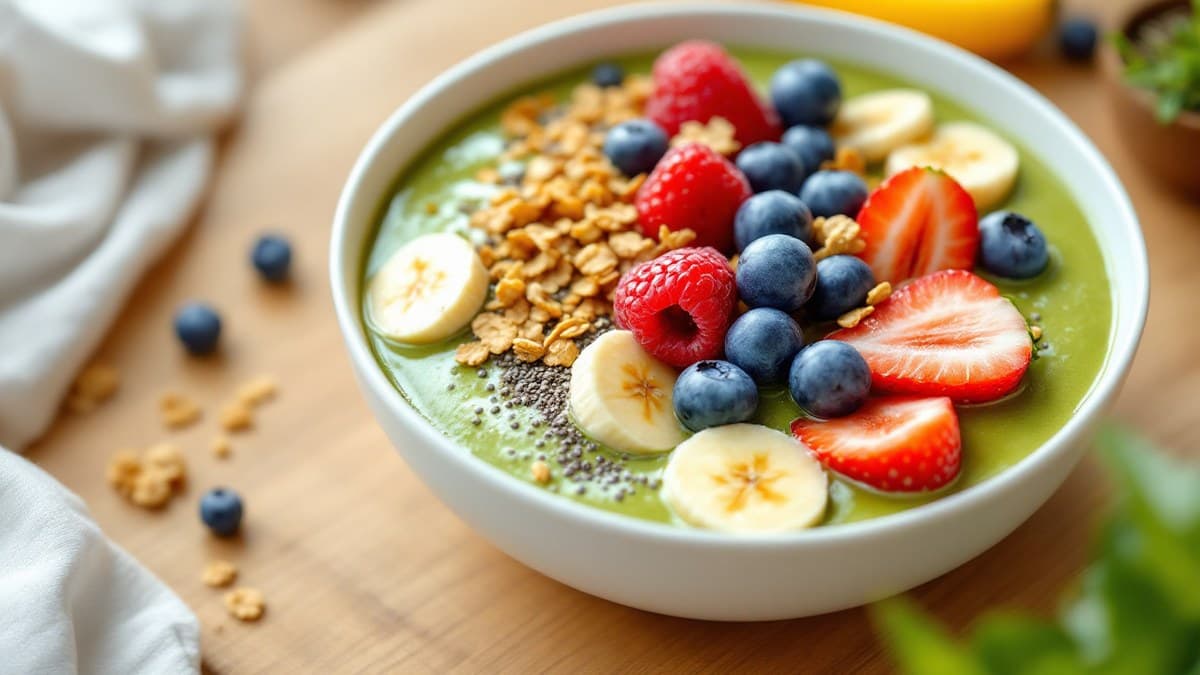
Most açaí bowls at chain smoothie shops contain 60–90g of total sugar before a single topping is added. Building a genuinely high-protein smoothie bowl — 20 to 28g of protein, under 300 calories — requires a real protein source in the base rather than toppings. Four formulas with verified macros: a whey + Greek yogurt berry bowl at 28g protein and 275 calories, a pure Greek yogurt açaí bowl at 18–20g protein and 250 calories, a cottage cheese tropical bowl at 22g protein and 270 calories, and a plant-based pea protein PB bowl at 28g protein and 270 calories — plus the three topping mistakes that quietly double the calorie count.
The short answer
Our top Greek yogurt picks
Editor-selected and ready to buy. As an Amazon Associate we may earn from qualifying purchases.
 10g protein
 12g protein18g protein
Quick Comparison: 4 Best Protein Smoothie Bowl Formulas
Numbers include the base plus light measured toppings as described in each formula below. Individual ingredient macros vary by brand; always verify your specific yogurt or protein powder label.
| Formula | Protein Source | Protein | Calories | Carbs | Fat | Best For |
|---|---|---|---|---|---|---|
| Whey + Greek Yogurt Berry | Whey isolate + Greek yogurt | 28g | 275 | 24g | 5g | Post-workout, maximum protein |
| Pure Greek Yogurt Açaí | Greek yogurt (no powder) | 18–20g | 250 | 28g | 6g | Whole-food base, no powder |
| Cottage Cheese Tropical | Low-fat cottage cheese | 22g | 270 | 28g | 8g | Fewest calories per gram of protein |
| Plant-Based PB Bowl | Pea protein + PB2 | 28g | 270 | 36g | 4g | Vegan, dairy-free |
The Core Rule: Protein Source Goes in the Base, Not the Toppings
The structural mistake that turns a smoothie bowl into a sugar bomb is treating toppings as the protein source. Granola, nut butter, coconut flakes, and honey are calorie-dense additions that contribute almost no protein relative to the calories they add. A quarter cup of granola: 110–140 calories, 2–3g of protein. A tablespoon of almond butter: 100 calories, 3g of protein. Two tablespoons of coconut flakes: 70 calories, 1g of protein. One tablespoon of honey: 64 calories, 0g of protein. None of these are protein foods — they are flavoring and texture additions. The protein comes from the base.
The practical rule: build your protein floor entirely in the blended layer, then treat every topping as a tablespoon-level accent rather than a poured-on addition. A tablespoon of granola adds crunch. A quarter cup adds 140 calories without meaningfully changing the protein number.
Formula 1: Whey + Greek Yogurt Berry Bowl — 28g Protein, ~275 Calories
The highest-protein formula on the list and the most post-workout-appropriate option. The combination of fast-digesting whey isolate and slower-digesting casein from Greek yogurt creates a more sustained amino acid release than whey alone. The frozen berries thicken the base without adding meaningful protein or calories.
Base ingredients: 20–22g (about ¾ standard scoop) vanilla whey protein isolate, ½ cup plain 2% Greek yogurt (FAGE 2%, Chobani Plain, or similar — look for 17g+ protein per cup), ½ cup frozen mixed berries, 2–3 tablespoons unsweetened almond milk.
Blend: Combine all base ingredients. The mixture should be very thick — use a tamper if your blender has one. If the base pours freely, it will not hold toppings and the texture reads as a smoothie, not a bowl.
Measured toppings: 1 tablespoon low-sugar granola (~40 cal), 2 tablespoons fresh blueberries (~10 cal), ½ teaspoon chia seeds (~20 cal).
| Component | Cal | Protein | Carbs | Fat |
|---|---|---|---|---|
| ¾ scoop vanilla whey isolate (~20g) | 80 | 18–19g | 2g | 0.5g |
| ½ cup plain 2% Greek yogurt | 85 | 9g | 5g | 2g |
| ½ cup frozen mixed berries | 40 | 1g | 10g | 0g |
| Measured toppings (granola, berries, chia) | 70 | 1g | 7g | 2.5g |
| Total | ~275 | ~28g | ~24g | ~5g |
Formula 2: Pure Greek Yogurt Açaí Bowl — 18–20g Protein, ~250 Calories
The cleanest whole-food option on the list — no protein powder, no blending complexity. All protein comes from a full cup of high-protein plain Greek yogurt. The key variable is the brand: FAGE Total 2% delivers 17g of protein per cup at 150 calories; Siggi’s 2% plain skyr delivers a similar profile; store-brand Greek yogurt can vary from 11g to 22g per cup. For this formula to work, the yogurt must be a high-protein variety.
Use unsweetened açaí purée only. The sweetened Sambazon “sweet” packets contain 14–20g of added sugar per packet and undermine the entire macros of the bowl. Look for “unsweetened” or “original” açaí purée with 0g of added sugar.
Base ingredients: 1 cup plain 2% Greek yogurt, half a 100g unsweetened frozen açaí purée packet (softened slightly), ¼ cup frozen strawberries, 1 teaspoon honey.
Stir or blend: Fold softened açaí into the Greek yogurt for a marble texture, or blend briefly for a fully purple base.
Measured toppings: 1 tablespoon granola (~40 cal), 5 fresh blueberries (~5 cal), 2–3 thin banana slices (~15 cal).
| Component | Cal | Protein | Carbs | Fat |
|---|---|---|---|---|
| 1 cup plain 2% Greek yogurt (FAGE) | 150 | 17g | 10g | 3g |
| ½ açaí packet (~50g unsweetened) | 35 | 0g | 3g | 3g |
| ¼ cup frozen strawberries | 13 | 0g | 3g | 0g |
| 1 tsp honey | 21 | 0g | 6g | 0g |
| Measured toppings (granola, berries, banana) | 60 | 1g | 6g | 1g |
| Total | ~279 | ~18g | ~28g | ~7g |
Using nonfat Greek yogurt (Fage 0%, Chobani Plain Nonfat) instead of 2% pushes protein to 20–22g per cup at 120–130 calories and improves both the protein total and the calorie number. For a full ranking of which brands deliver the best protein density, see our high-protein yogurt brands guide.
Formula 3: Cottage Cheese Tropical Bowl — 22g Protein, ~270 Calories
Cottage cheese is the most underused smoothie bowl base. Blended smooth for 30–45 seconds before any other ingredient is added, it loses its curd texture entirely and becomes indistinguishable from Greek yogurt in a smoothie bowl context. Low-fat (1%) cottage cheese delivers approximately 25–28g of protein per cup at 180–200 calories — more protein per calorie than most Greek yogurts. The tropical fruit pairing masks the mild dairy flavor effectively, making this the most beginner-friendly formula for people who dislike the taste of plain cottage cheese.
Base ingredients: ¾ cup low-fat (1%) cottage cheese, ½ cup frozen mango chunks, ¼ cup frozen pineapple chunks, 2 tablespoons full-fat canned coconut milk (not coconut water or carton).
Blend: Blend cottage cheese alone first for 30–45 seconds until completely smooth. Add frozen fruit and coconut milk, blend until thick. The coconut milk adds creaminess and a small amount of healthy fat that improves the texture. For more cottage cheese serving ideas, see our best cottage cheese snacks guide.
Measured toppings: 1 tablespoon toasted coconut flakes (~35 cal), 2 tablespoons fresh diced mango (~15 cal).
| Component | Cal | Protein | Carbs | Fat |
|---|---|---|---|---|
| ¾ cup low-fat cottage cheese | 130 | 21g | 5g | 2g |
| ½ cup frozen mango | 50 | 1g | 13g | 0g |
| ¼ cup frozen pineapple | 20 | 0g | 5g | 0g |
| 2 tbsp coconut milk (full-fat, canned) | 25 | 0g | 1g | 3g |
| Measured toppings (coconut flakes, mango) | 50 | 0g | 4g | 3g |
| Total | ~275 | ~22g | ~28g | ~8g |
Formula 4: Plant-Based PB Bowl — 28g Protein, ~270 Calories
The only formula on this list without any animal products. The protein comes from pea protein isolate (a complete amino acid profile) combined with PB2 powdered peanut butter, which delivers 5g of protein per 2 tablespoons at only 45 calories versus 200 calories for 2 tablespoons of regular peanut butter. Half a frozen banana provides natural sweetness, body, and a small amount of resistant starch. For more plant-based high-protein options, see our best vegan protein snacks guide.
Base ingredients: 1 scoop (25g) vanilla pea protein isolate, ½ frozen banana (broken into chunks), ½ cup frozen strawberries, ¼ cup unsweetened oat milk, 2 tablespoons PB2 powdered peanut butter.
Blend until thick. Pea protein can create a slightly grainy texture at high concentrations — the frozen banana smooths this out significantly and is the primary thickener for this formula.
Measured toppings: 1 teaspoon chia seeds (~35 cal), 5 fresh blueberries (~5 cal).
| Component | Cal | Protein | Carbs | Fat |
|---|---|---|---|---|
| 1 scoop pea protein isolate (25g) | 95 | 21–23g | 2g | 1g |
| ½ frozen banana | 53 | 0.5g | 14g | 0g |
| ½ cup frozen strawberries | 25 | 0g | 6g | 0g |
| ¼ cup oat milk | 10 | 0g | 2g | 0g |
| 2 tbsp PB2 | 45 | 5g | 5g | 1g |
| Chia seeds + fresh berries | 40 | 1g | 4g | 2g |
| Total | ~268 | ~28g | ~33g | ~4g |
Three Mistakes That Quietly Double the Calorie Count
- Pouring on granola instead of measuring it. A quarter cup of granola is 110–140 calories and about 2g of protein. A half cup — the portion that most people scoop — is 220–280 extra calories. Stick to 1 tablespoon and use it for crunch only, not protein.
- Using a full unsweetened açaí packet as the “base.” A full 100g açaí purée packet contains about 70–80 calories, mostly from fat. It adds antioxidants and flavor but 0g of protein. If the recipe relies on a full packet plus fruit and granola, you have a bowl built around fruit and fat with no real protein floor. The açaí is an accent, not the base.
- Skipping the protein source entirely because the bowl “has Greek yogurt.” A quarter cup of Greek yogurt (a common recipe proportion) delivers about 4g of protein. That is the protein equivalent of half an egg — not a protein bowl. Either use a full cup of high-protein yogurt or blend in a protein powder scoop.
Frequently Asked Questions
How much protein is actually in a smoothie bowl?
A commercial smoothie bowl — açaí chains, smoothie shops — typically contains 3–8g of protein per bowl despite the health branding. The protein in most chain bowls comes from small portions of granola, a bit of nut butter, and whatever trace protein is in the fruit and açaí base. A genuinely high-protein smoothie bowl requires either a full cup of high-protein Greek yogurt (17–22g protein per cup) or a scoop of protein powder (20–25g per scoop) as the base. Four formulas that meet the standard are in the comparison table above.
Can I make a protein smoothie bowl without protein powder?
Yes — the Greek yogurt açaí formula (Formula 2) and the cottage cheese tropical formula (Formula 3) deliver 18–22g of protein entirely from whole-food dairy sources with no protein powder. The key is using enough of the protein-dense ingredient: a full cup of high-protein Greek yogurt, not a quarter cup. For the powder-free formulas, use a brand that lists at least 17g of protein per cup on the label — FAGE 2%, Chobani Plain, Siggi’s, and Stonyfield Organic Plain all qualify.
What is the best protein powder for smoothie bowls?
Vanilla whey protein isolate blends smoothest and has the most neutral flavor profile for berry-based bowls. Casein powder creates a thicker texture (useful for bowl consistency) but can turn gummy if over-blended. Pea protein isolate works well in the plant-based formula but adds a slight earthy undertone that fruit or peanut butter flavor covers effectively. Avoid whey concentrate in bowls — the higher fat content creates a slightly odd texture when frozen fruit is added. For a full protein powder comparison, see our best protein powders guide.
Are protein smoothie bowls good for weight loss?
When built correctly (Formula 1 or 3), yes. The key variables are toppings and portion control of fruit. The whey + Greek yogurt bowl at 28g protein and 275 calories is one of the most satiating breakfasts in that calorie range — high protein, moderate fiber from berries, and minimal added sugar. Commercial smoothie bowls with 60–90g of sugar do not support weight loss goals regardless of how “clean” the ingredients are labeled. For more weight-loss-focused options see our best high-protein snacks for weight loss guide.
How do I keep a smoothie bowl thick enough to hold toppings?
Use less liquid than you think you need — start with 2 tablespoons of almond milk or water and add one more tablespoon at a time. Use fully frozen fruit (not thawed), and add protein powder or Greek yogurt as a thickening agent rather than fresh fruit alone. If the base is still too liquid, freeze the finished base in the bowl for 10–15 minutes before adding toppings. A good protein smoothie bowl base should require a spoon immediately — if you could drink it through a straw, there is too much liquid.
Bottom line: the best protein smoothie bowl for most people is the whey + Greek yogurt berry bowl (Formula 1) — 28g of protein, 275 calories, straightforward to assemble, and genuinely satisfying as a post-workout breakfast. For a powder-free option, the pure Greek yogurt açaí bowl with a full cup of high-protein yogurt delivers 18–20g of protein with no supplements. The cottage cheese tropical bowl is the most calorie-efficient option once blended smooth. All four outperform any chain smoothie bowl by a large margin on protein density. Browse more high-protein breakfast options in the protein snacks directory.
Shop our top Greek yogurt picks
Editor-selected high-protein options related to this guide. As an Amazon Associate we may earn from qualifying purchases.
10g protein12g protein18g proteinTags
High Protein Snacks Pro Editorial Team
Independently researched and editorially reviewed. We compare real nutrition labels and never accept payment for coverage.
Get the best new protein snacks in your inbox
Weekly picks and honest reviews — no spam, unsubscribe anytime.
More from the journal
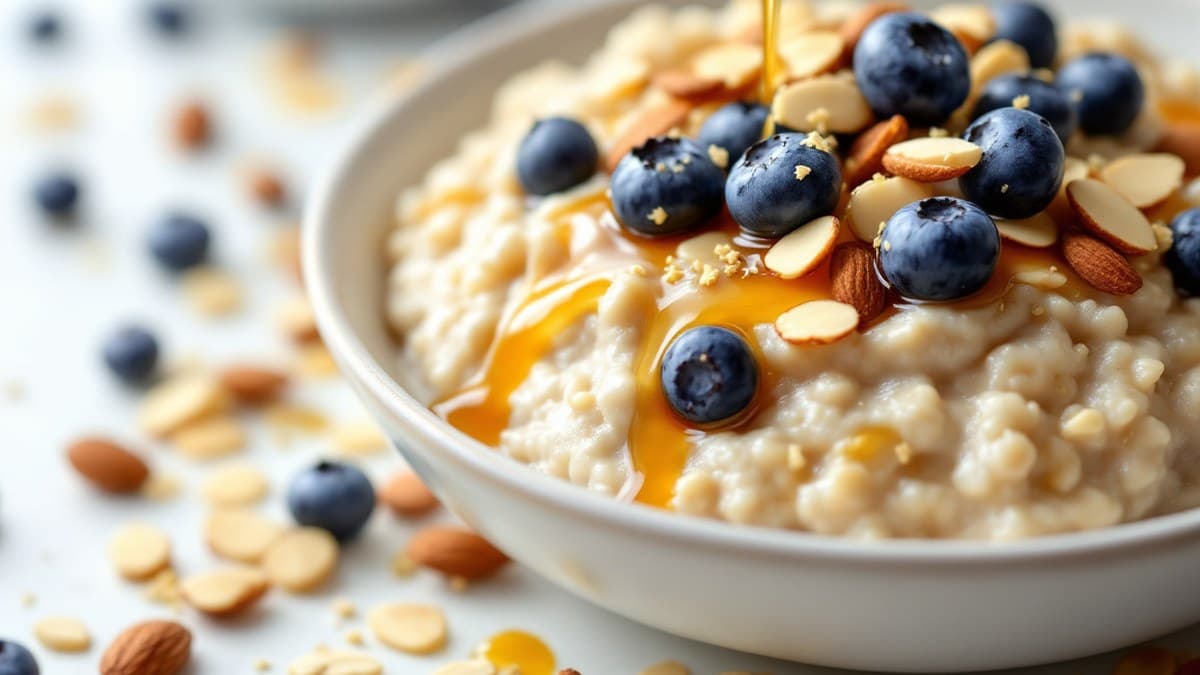
Best Protein Oatmeal Brands 2026: 7 Picks Ranked by Protein, Sugar, and Real Ingredient Quality
Kodiak PEAK delivers 20g of protein per instant packet at 290 calories — the most protein of any hot oatmeal packet in mainstream grocery. Bob's Red Mill Protein Oats gets to 10g with one ingredient (hulless oats, no added protein powder). This is every major protein oatmeal brand in 2026 ranked by verified protein per serving, added sugar, and ingredient quality — including which ones actually deliver on the protein claim and which pad it with cheap additives.
Read more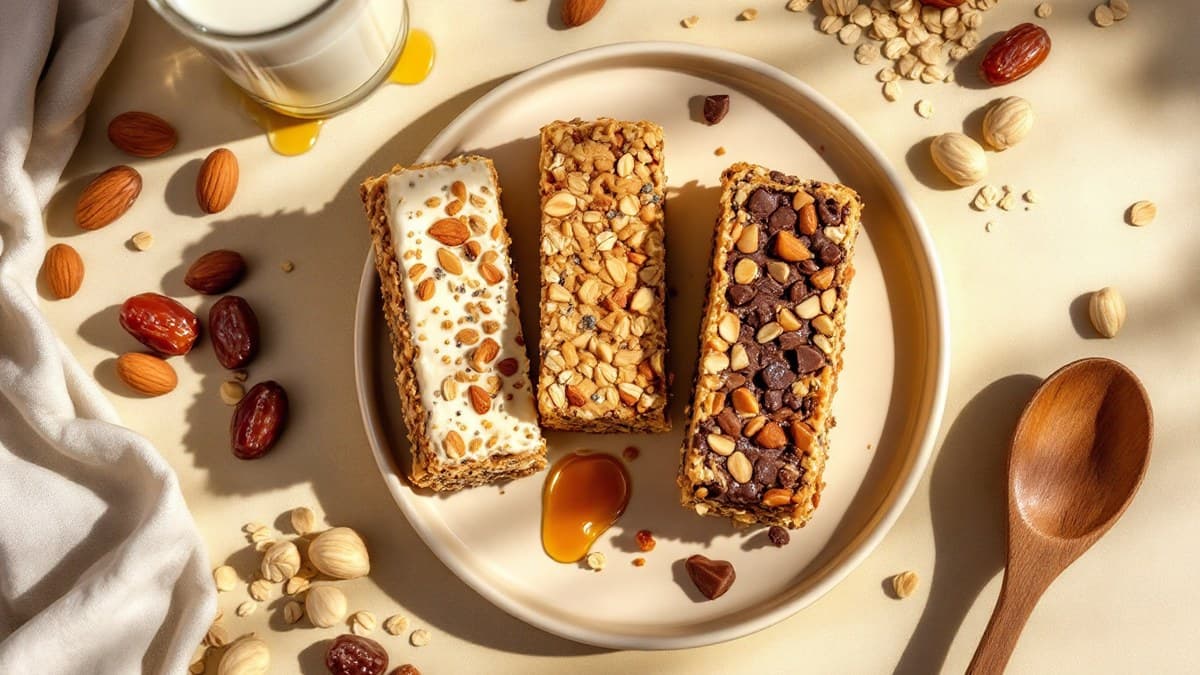
Best Breakfast Protein Bars 2026: 5 Real Whole-Food Picks Ranked by Ingredients, Protein, and Morning Staying Power
The best breakfast protein bar in 2026 is KIND Breakfast Protein Almond Butter — literally built and branded for breakfast, with 8g of protein, 6g of fiber, and a whole-nut and grain base sweetened with honey. For a whole-food refrigerated pick, Perfect Bar Peanut Butter delivers 15g of protein and roughly 20 organic superfoods at meal-replacement scale. Five real breakfast protein bars ranked strictly by ingredient quality, protein, and morning staying power — every macro number verified from each brand's own 2026 nutrition panel.
Read more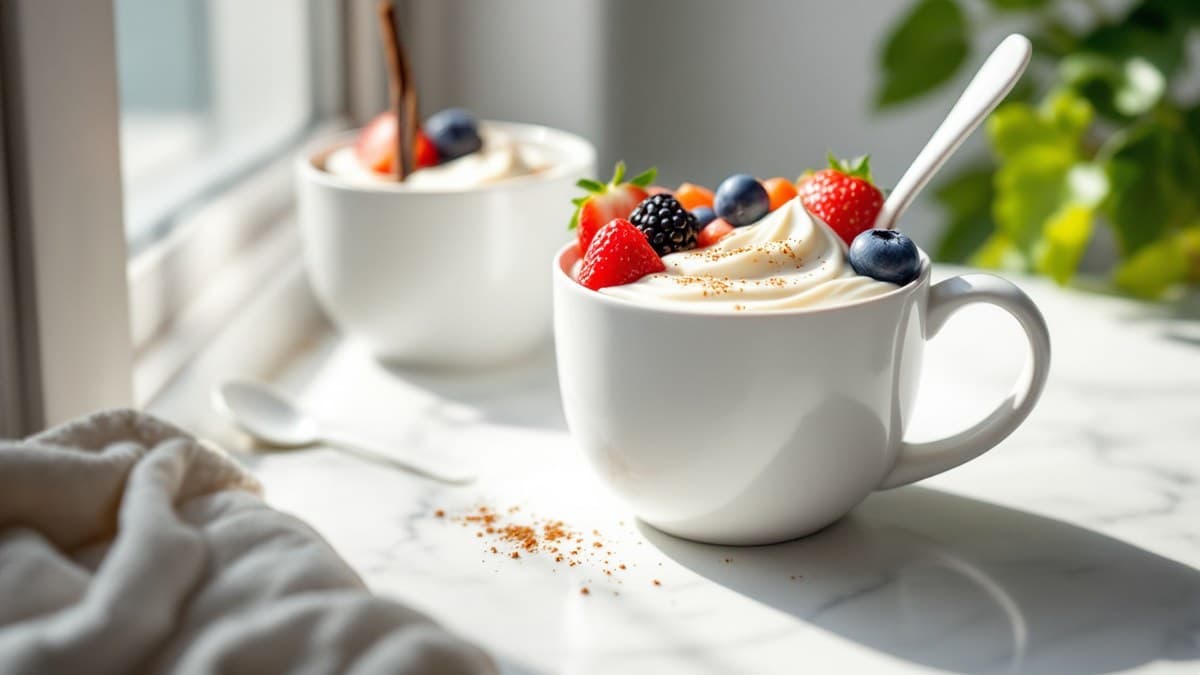
Chobani Zero Sugar Nutrition Facts (2026): 11g Protein, 60 Calories, and Why the 0g Sugar Claim Is Real
Chobani Zero Sugar Greek yogurt delivers 11g of protein at 60 calories per 5.3oz cup with genuinely 0g of total sugar — not a rounding trick. It achieves zero sugar by substituting allulose (a rare sugar the FDA exempts from the sugar count) and stevia leaf extract for the natural milk sugars filtered out during ultra-filtration. Full 2026 nutrition label for all flavors, comparison against Two Good, Oikos Triple Zero, and regular Chobani, plus an honest breakdown of whether the carb count matters for low-carb or diabetic diets.
Read more