Best High-Protein Hummus Pairings (2026): 5 Combos Ranked from 3g to 19g Per Serving
Two tablespoons of hummus carries about 3g of protein — real but modest, per USDA figures. The five pairings in this guide push that total from 3g all the way to 19g per serving using verified label data, with the exact combo that delivers the most protein per calorie and a brand-by-brand comparison of Sabra, Hope, and Ithaca hummus protein counts.

Our top high-protein picks
Editor-selected and ready to buy. As an Amazon Associate we may earn from qualifying purchases.
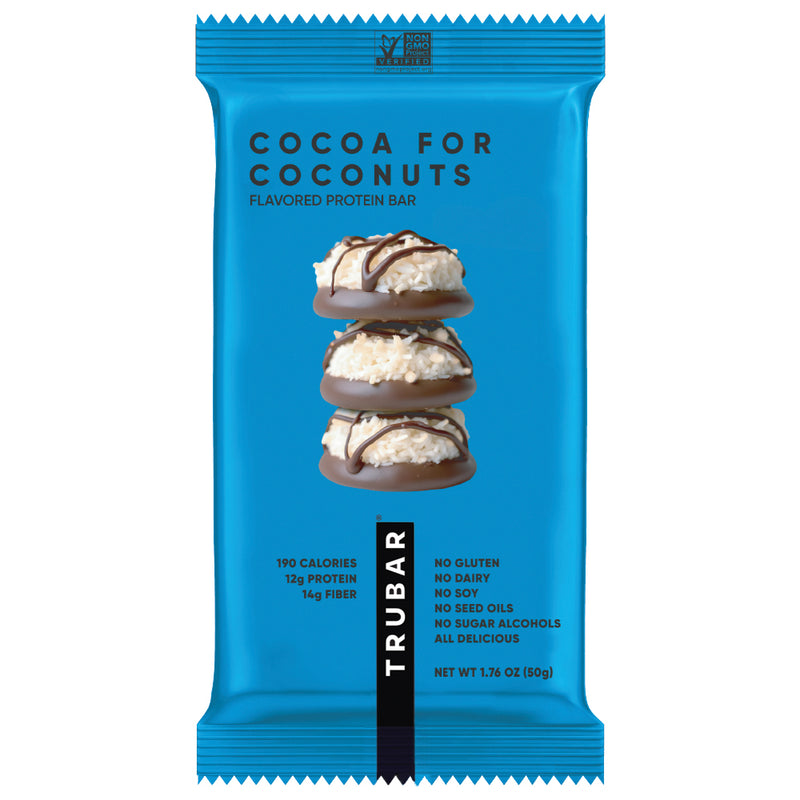 12g protein
Cocoa for Coconuts TRUBAR Nutrition and Protein Bar
Amazon returns policy · secure checkout
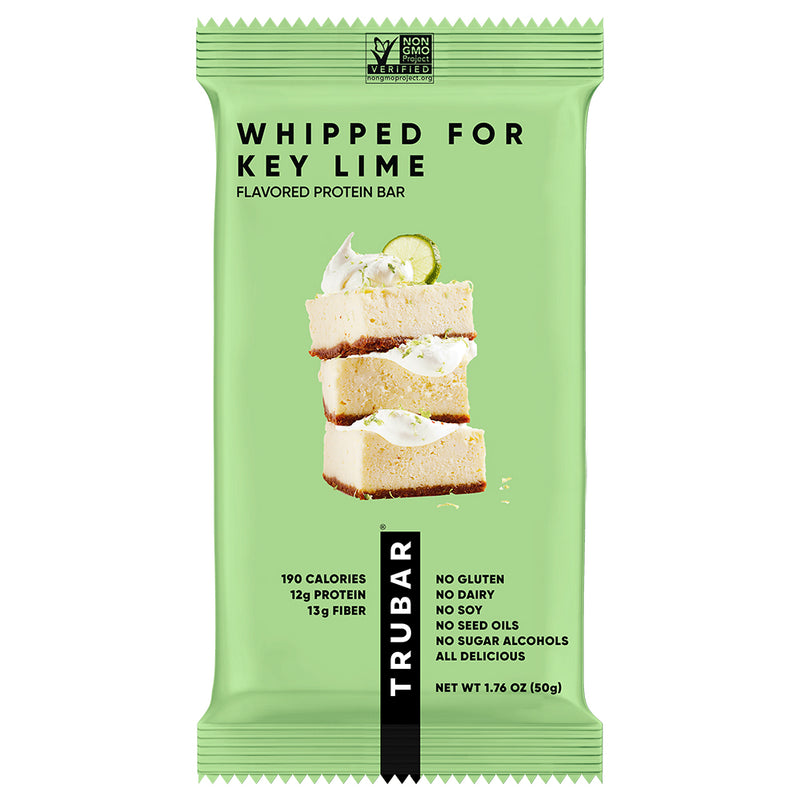 12g protein
Whipped For Key Lime TRUBAR Nutrition and Protein Bar
Amazon returns policy · secure checkout
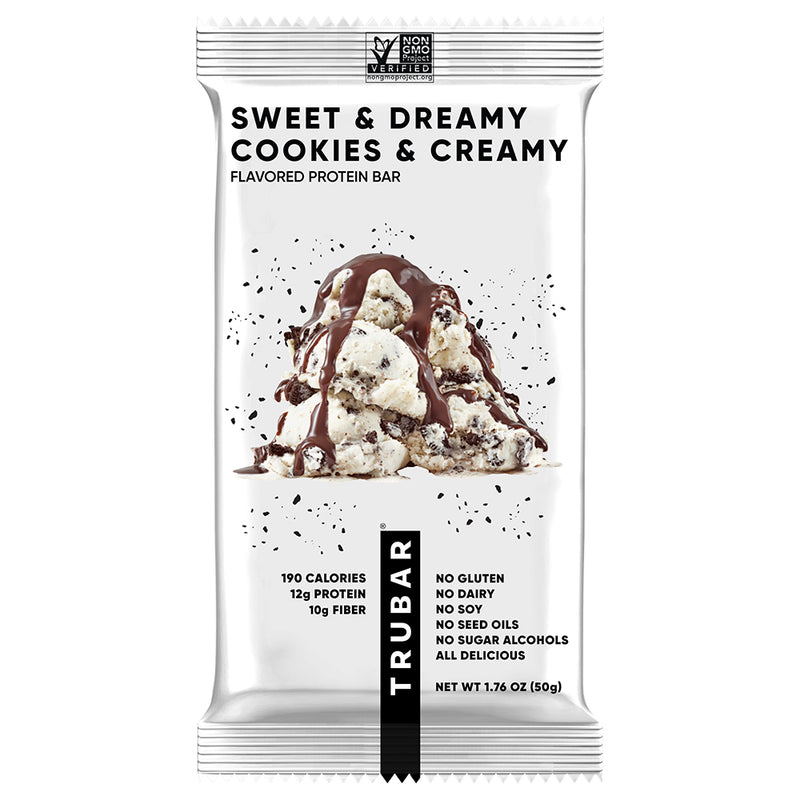 12g protein
Sweet & Dreamy, Cookies & Creamy
Amazon returns policy · secure checkout
The 30-second answer
Hummus alone is 3g of protein per 2-tablespoon serving — a standard USDA figure. Layering it with half a cup of cottage cheese is the highest-protein combo on this list at ~19g per serving for ~155 calories. The second-best pairing for pure protein is turkey slices + hummus at ~14g. Pairing hummus with carrots and pita chips keeps protein near 4g — fine for a snack, but not a protein source.
Hummus gets marketed as a high-protein snack because it’s made from chickpeas, a legume. But a 2-tablespoon serving — the typical dipping portion — contains only about 3g of protein for 70 calories, using standard USDA figures. That is roughly the same protein as a single cracker with peanut butter. The chickpeas are real; the protein claim is misleading at that serving size. What actually turns hummus into a protein snack is the pairing, and the five combinations below are ranked on exactly that: protein per serving, calories, and how easy each is to assemble. Updated September 2026 with brand-specific protein data. Browse more options in the protein snacks directory.
5 Best Hummus Pairings, Ranked by Protein
| # | Combo | Protein | Calories | Protein / 100 cal | Best for |
|---|---|---|---|---|---|
| 1 | Hummus + ½ cup cottage cheese, layered | ~19g | ~155 | 12.3g | Highest protein, easiest prep |
| 2 | Hummus + 2 oz turkey slices | ~14g | ~150 | 9.3g | Best portable option, no utensils |
| 3 | Hummus + ½ cup shelled edamame | ~12g | ~165 | 7.3g | Best plant-based combo |
| 4 | Hummus + 1 hard-boiled egg | ~9g | ~140 | 6.4g | Best protein-per-dollar |
| 5 | Hummus + raw veggies only | ~4g | ~90 | 4.4g | Lowest calorie; not a protein snack |
Protein/calorie figures use standard USDA generic values for each food component; a specific brand’s hummus or deli meat will vary a few grams either way. Hummus serving = 2 tablespoons (30g).
Why Hummus Alone Is Not a High-Protein Food
Chickpeas contain about 15g of protein per cooked cup — a genuine protein source, per USDA FoodData Central. The problem is dilution. Hummus blends chickpeas with tahini (sesame paste), olive oil, lemon juice, and garlic, and a 2-tablespoon serving represents only a small fraction of a full cup of beans. The fat from tahini and oil dominates the calorie profile, leaving protein at roughly 3g for every 70 calories. A food that is primarily fat and secondarily carbohydrate does not become a high-protein food because one ingredient in the recipe is a bean.
The mathematics: even if you ate a generous 4-tablespoon serving of hummus — a realistic double-dip — you would still land at only 6g of protein for 140 calories. That is worse protein efficiency than string cheese (7g protein / 80 calories) or a hard-boiled egg (6g protein / 72 calories). Hummus works as a flavor vehicle and fat source; the protein has to come from what you put in or next to it.
Hummus Brand Protein Comparison (Per 2-Tablespoon Serving)
| Brand | Protein | Calories | Fat | Fiber | Sodium |
|---|---|---|---|---|---|
| Sabra Classic Hummus | 2g | 70 | 5g | 1g | 130mg |
| Hope Foods Original Hummus | 3g | 60 | 4g | 2g | 120mg |
| Ithaca Classic Hummus | 3g | 60 | 3.5g | 2g | 100mg |
| Boar’s Head Roasted Pine Nut Hummus | 3g | 70 | 5g | 2g | 105mg |
| Trader Joe’s Organic Hummus | 3g | 60 | 3.5g | 2g | 100mg |
| Store brand / generic | 2–3g | 60–70 | 4–5g | 1–2g | 110–140mg |
Per-brand figures from published 2026 nutrition labels. Values reflect the standard classic/original variety; flavored varieties (roasted red pepper, pine nut) vary slightly. No hummus brand at a 2-tablespoon serving delivers more than 3g of protein.
The #1 Pairing: Hummus + Cottage Cheese
Half a cup of low-fat (1%) cottage cheese carries about 14g of protein for 81 calories (USDA). Layer that with 2 tablespoons of hummus and you get approximately 17–19g of protein for 150–155 calories. The combo works as a dip for sliced cucumbers or bell peppers — the hummus adds tahini creaminess and olive oil richness that plain cottage cheese lacks, and the cottage cheese provides almost all of the protein that makes the snack worthwhile. This is the rare pairing where hummus genuinely elevates a protein-dense food rather than just riding alongside it.
The #2 Pairing: Hummus + Turkey Slices
Two ounces of standard deli turkey breast delivers approximately 11–13g of protein for 60–80 calories, using USDA generic values for roasted turkey breast. Paired with 2 tablespoons of hummus (~3g protein, 70 cal), the total comes to 14–16g of protein for roughly 140–150 calories. This is the most portable option on the list because the turkey slices can be rolled around the hummus for easy transport — no utensils, no container required. Low-sodium turkey breast keeps this snack below 300mg of sodium for the whole serving, which matters if you are already eating a sodium-heavy diet.
The #3 Pairing: Hummus + Edamame (Plant-Based Best)
Half a cup of shelled edamame delivers approximately 9g of complete soy protein for 94 calories (USDA). Alongside hummus (3g protein, 70 cal), that is roughly 12g of protein for 164 calories. The combination is fully plant-based, provides complete protein (soy is one of the few plants with all nine essential amino acids), and adds 4g of fiber from the edamame. The flavor pairing works well — both foods are savory and earthy, and edamame has enough texture to serve as a dipper alongside cucumbers or pita chips. See our edamame snacks guide for the full data on edamame as a protein source.
What Doesn’t Help
Pairing hummus with pita chips or crackers adds carbohydrate calories without meaningfully improving the protein total. A standard pita chip serving (about 10 chips, 28g) carries roughly 3g of protein for 130 calories — worse protein efficiency than the hummus itself. If you need something to dip, sliced cucumber (nearly calorie-free, adds fiber), celery, or bell pepper strips add crunch without undercutting the protein math. The goal of “hummus as a protein snack” requires putting real protein next to the hummus, not more carbohydrates.
Is Hummus Healthy?
Hummus is a nutritionally reasonable food: it provides real fiber (2g per 2-tablespoon serving), healthy unsaturated fat from olive oil and tahini, small amounts of iron and folate from the chickpeas, and no added sugar. It is not a junk food. The misclassification is calling it a “high-protein snack” — it is a moderate-fat, moderate-fiber dip with modest protein. For people eating primarily plant foods, using hummus as a vehicle for edamame, tempeh, or cottage cheese is a legitimate way to make a balanced, protein-adequate plant-based snack. The fat from tahini and olive oil is not a problem unless calories are the primary constraint.
Frequently Asked Questions
How much protein is in 2 tablespoons of hummus?
About 2–3g of protein for 60–70 calories, depending on the brand — Sabra lands at 2g, Hope and Ithaca at 3g. That is a standard USDA-aligned figure for chickpea-based hummus at that serving size. None of the major brands at 2 tablespoons deliver more than 3g of protein.
Which hummus brand has the most protein?
Hope Foods Original and Ithaca Classic both land at 3g per 2 tablespoons, tied at the top of the mainstream brand list. No standard hummus brand delivers more than 3g per 2-tablespoon serving — the protein ceiling for hummus at that serving size is set by the chickpea content of the recipe, not by any specific brand’s formulation.
Can hummus help you hit your protein goals?
Only if paired correctly. Hummus alone contributes 3g of protein at a serving size — not enough to move a daily protein target. Paired with cottage cheese (combo #1), it contributes to a 19g snack. Used as a base for a turkey roll-up (combo #2), it contributes to a 14g snack. The protein comes from the pairing, not from the hummus.
Is hummus good for weight loss?
Hummus is moderately calorie-dense (60–70 cal per 2 tablespoons) and has a respectable fiber content for a dip, but it is easy to overeat because the dipping motion encourages more than a 2-tablespoon serving. A 4-tablespoon serving — common in practice — runs 130–140 calories with only 5–6g of protein. For a weight-loss diet, the combinations above (hummus + cottage cheese, hummus + turkey) deliver more protein per calorie than hummus alone and keep you fuller for longer. See our best protein snacks under 100 calories guide for tighter calorie options.
What is the best plant-based protein to dip in hummus?
Shelled edamame is the strongest plant-based option — 9g of complete soy protein per half cup at 94 calories. Roasted chickpeas (not commonly used as a dipper but worth mentioning) add crunch and an additional 4–6g of protein per ounce. Hemp hearts sprinkled into hummus add complete protein in small amounts. For the most protein from a single plant food, edamame is the practical choice at typical grocery-store availability and price.
Bottom line: hummus on its own is 3g of protein per 2-tablespoon serving — a garnish for a protein snack, not the protein itself. The pairings above change that: cottage cheese layered with hummus reaches 19g of protein at 155 calories, turkey roll-ups reach 14g, and edamame alongside hummus hits 12g for a fully plant-based option. All five combos are ranked by protein per 100 calories above. Compare more protein snack options in the protein snacks directory or see our hard-boiled egg guide for another simple high-protein snack ranked by the numbers.
Shop our top high-protein picks
Editor-selected high-protein options related to this guide. As an Amazon Associate we may earn from qualifying purchases.
12g proteinCocoa for Coconuts TRUBAR Nutrition and Protein Bar
Amazon returns policy · secure checkout
12g proteinWhipped For Key Lime TRUBAR Nutrition and Protein Bar
Amazon returns policy · secure checkout
12g proteinSweet & Dreamy, Cookies & Creamy
Amazon returns policy · secure checkout
Tags
High Protein Snacks Pro Editorial Team
Independently researched and editorially reviewed. We compare real nutrition labels and never accept payment for coverage.
Get the best new protein snacks in your inbox
Weekly picks and honest reviews — no spam, unsubscribe anytime.
More from the journal
Best Protein Snacks for Menopause (2026): 7 Picks That Support Muscle and Bone Health
Women going through menopause need significantly more protein than standard guidelines suggest — research supports 1.0 to 1.2g per kilogram of body weight daily to counter the accelerated muscle loss that begins as estrogen drops. These 7 protein snack picks are chosen specifically for the menopause context: high protein, meaningful calcium content where possible, low added sugar, and real-food ingredients over heavily processed options. Verified 2026 nutrition data.
Read more
Best High-Protein Snacks at BJ's Wholesale Club 2026: 8 Picks With Verified Nutrition Data
BJ's Wholesale Club carries a stronger protein snack lineup than most shoppers expect — including its own house-brand protein shake that beats national brands on price at 30g per bottle. These 8 picks cover every format at BJ's, with verified 2026 nutrition data and a shopping strategy built around BJ's unique coupon acceptance policy.
Read more
Best High-Protein Snacks at Wegmans 2026: 7 Picks With Verified Nutrition Data
Wegmans stocks a deeper selection of high-protein snacks than most regional grocery chains — from Siggi's skyr at 17g protein to Premier Protein at 30g. These 7 picks cover every format available at Wegmans locations, with verified 2026 nutrition data from official brand sources and a shopping strategy specific to how Wegmans prices and promotes these products.
Read more