Best Meal Prep Protein Snacks for Busy Weeks (2026): 6 Formulas With Exact Macros
The best meal prep protein snacks are the ones that survive four days in the fridge, take under 30 minutes to batch, and still sound good on Thursday. Six formulas with verified macros — from egg muffin cups (16g protein, 190 cal) to turkey roll-ups (26g protein, 220 cal) — plus the two-track system that keeps the plan from collapsing.

The short answer
Our top high-protein picks
Editor-selected and ready to buy. As an Amazon Associate we may earn from qualifying purchases.
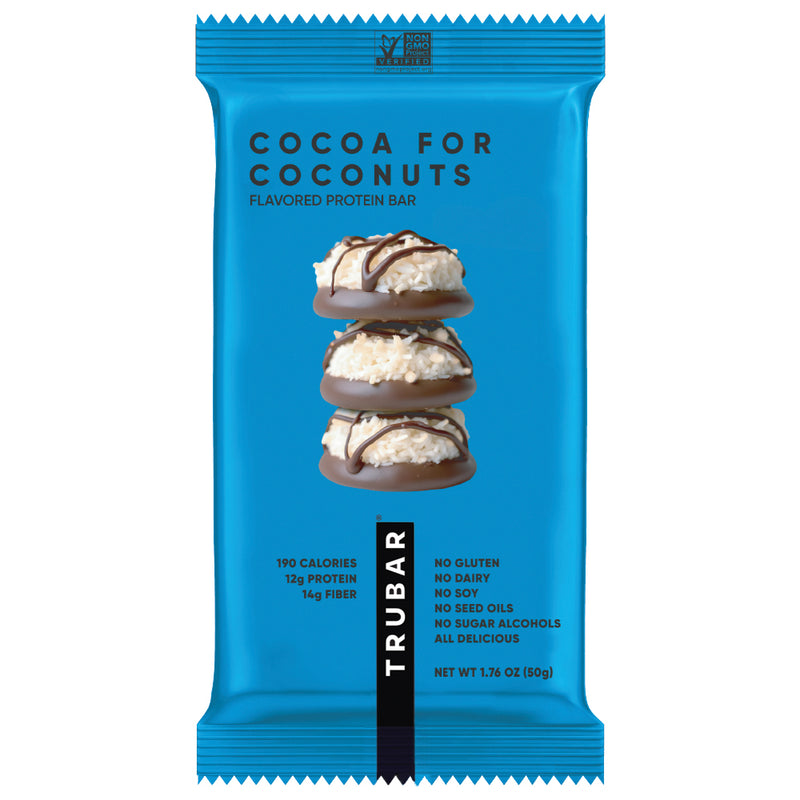 12g protein
Cocoa for Coconuts TRUBAR Nutrition and Protein Bar
Amazon returns policy · secure checkout
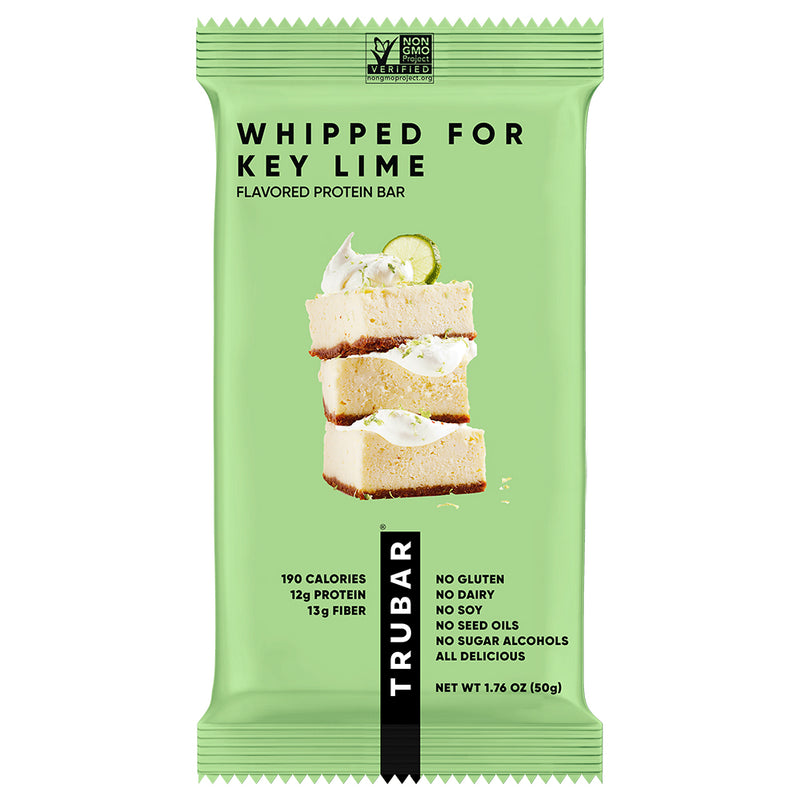 12g protein
Whipped For Key Lime TRUBAR Nutrition and Protein Bar
Amazon returns policy · secure checkout
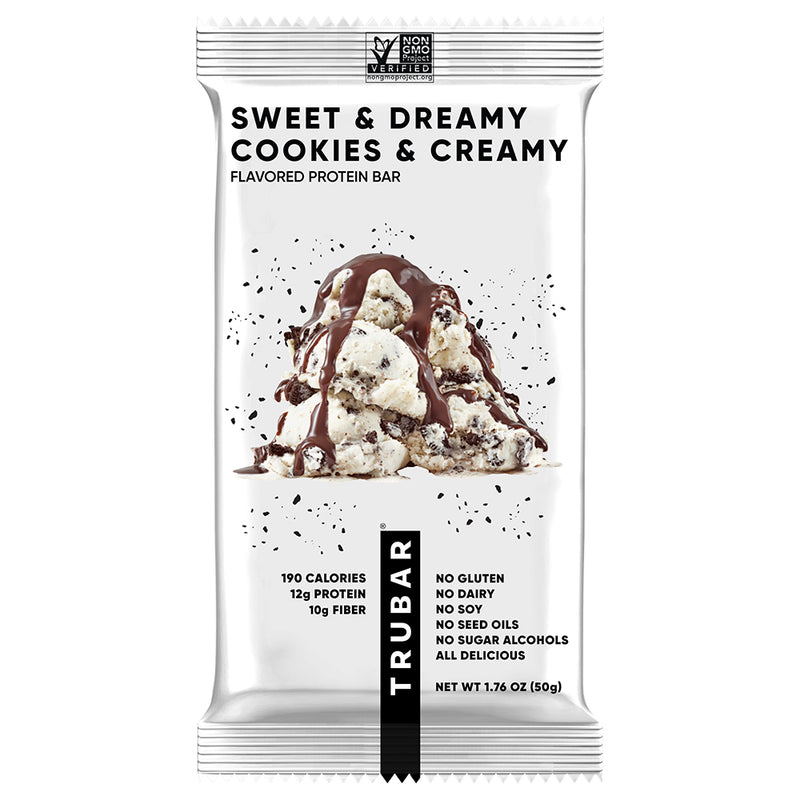 12g protein
Sweet & Dreamy, Cookies & Creamy
Amazon returns policy · secure checkout
The 6 Best Meal Prep Protein Snack Formulas
1. Egg Muffin Cups — 190 cal / 16g protein
Egg muffin cups are the highest-yield batch prep on this list: one 25-minute oven session on Sunday produces 12 muffin-sized egg cups that keep for four days refrigerated. The base formula is 6 eggs + ½ cup 2% cottage cheese + 1 cup diced vegetables (bell pepper, spinach, onion) + a pinch of salt, baked in a sprayed muffin tin at 375°F for 18–20 minutes. A 2-muffin serving delivers approximately 190 calories, 16g of protein, 3g of carbs, and 12g of fat. Adding ¼ cup shredded part-skim mozzarella to the batch bumps protein to ~18g without materially changing the prep. These reheat well in a microwave at 50% power for 60 seconds; full power makes them rubbery.
| Formula | Serving | Cal | Protein | Carbs | Fat |
|---|---|---|---|---|---|
| 2 egg muffin cups (base) | 2 muffins | 190 | 16g | 3g | 12g |
| 2 egg muffin cups + mozzarella | 2 muffins | 215 | 18g | 3g | 13g |
2. Turkey Roll-Ups — 220 cal / 26g protein
Turkey roll-ups are the fastest high-protein prep on this list and require no cooking. Use 4 oz of deli turkey breast (look for <400mg sodium per serving), 1 large romaine leaf per roll, 2 tbsp hummus, and 4–6 cucumber slices — roll everything into 3–4 wraps. At 4 oz of 99% lean deli turkey (~22g protein, 120 calories), with hummus adding 2g protein, a full portion lands near 220 calories and 26g of protein — the best protein-per-calorie ratio of any formula on this list. Prep note: store the components separately and roll the night before or morning of for best texture. Pre-rolled wraps go soft by day 2.
| Formula | Serving | Cal | Protein | Carbs | Fat |
|---|---|---|---|---|---|
| Turkey roll-up (4 oz turkey + hummus + veg) | 1 portion (~3 wraps) | 220 | 26g | 9g | 6g |
3. Greek Yogurt Parfait Jars — 260 cal / 19g protein
Parfait jars are the easiest full-week prep: portion 4 mason jars on Sunday, each holding ¾ cup plain 2% Greek yogurt (~17g protein, 110 calories), 3 tbsp low-sugar granola (~75 calories), and ½ cup mixed berries (~35 calories). Seal with lids. The jars keep for four days; granola softens slightly by day 3, which many people prefer. The full jar lands near 260 calories and 19g of protein. For a protein bump without added sugar, stir in 1 tablespoon of chia seeds (+2g protein, +5g fiber). Use a Greek yogurt that lists “live active cultures” and has at least 17g of protein per cup — FAGE Total 2%, Chobani Plain, or Stonyfield Organic all qualify. Avoid flavored yogurts: they add 12–18g of sugar while delivering only 11–14g of protein per cup.
| Formula | Serving | Cal | Protein | Carbs | Fat |
|---|---|---|---|---|---|
| Greek yogurt parfait jar (base) | 1 jar | 260 | 19g | 28g | 5g |
| With chia seeds | 1 jar | 285 | 21g | 30g | 7g |
4. Tuna + Whole Grain Crackers — 185 cal / 20g protein
A Starkist or Bumble Bee tuna pouch (2.6 oz, ~70 calories, 17g protein) paired with 10 whole grain crackers (~85 calories, 2g protein) and 1 tbsp hummus or mustard (~25 calories, 1g protein) assembles in under two minutes and requires no actual prep beyond buying the components. This is the shelf-stable formula: nothing needs refrigerating before assembly. The full portion lands near 185 calories and 20g of protein. Tuna pouches — not canned — are the right format here: no draining, no can opener, and the foil pouch fits in a bag or desk drawer for all-day carry.
| Formula | Serving | Cal | Protein | Carbs | Fat |
|---|---|---|---|---|---|
| Tuna pouch + crackers + hummus | 1 portion | 185 | 20g | 16g | 3g |
| Tuna pouch + hard-boiled egg (no crackers) | 1 portion | 145 | 23g | 0g | 5g |
5. Cottage Cheese + Pineapple — 165 cal / 15g protein
Cottage cheese is underused as a meal prep base. One cup of low-fat (1%) cottage cheese delivers 28g of protein at 180 calories — higher protein density than Greek yogurt on a per-calorie basis. A half-cup serving (90 calories, 14g protein) paired with ½ cup fresh or well-drained canned pineapple chunks (~40 calories) brings the total to 165 calories and 15g of protein. Pineapple’s natural sweetness offsets the mild flavor of plain cottage cheese without added sugar. Prep four servings in small lidded containers on Sunday; they keep for five days. Savory preference: swap pineapple for 3 cherry tomatoes and 2 tbsp salsa — same calorie range, lower sugar, stays just as easy.
| Formula | Serving | Cal | Protein | Carbs | Fat |
|---|---|---|---|---|---|
| Cottage cheese + pineapple | ½ cup cheese + ½ cup fruit | 165 | 15g | 18g | 1g |
| Cottage cheese + tomatoes + salsa | ½ cup cheese + toppings | 105 | 14g | 8g | 1g |
6. Overnight Oats With Protein — 335 cal / 26g protein
Overnight oats are the strongest option when the snack needs to double as a small meal. The base formula: ½ cup rolled oats + 1 scoop (25g) unflavored or vanilla whey protein isolate + ½ cup plain 2% Greek yogurt + ½ cup unsweetened almond milk. Mix in a mason jar, seal, refrigerate overnight. In the morning, top with ½ cup blueberries or sliced banana. The full jar lands near 335 calories and 26g of protein with ~40g of carbs and 7g of fat. Batch 4 jars simultaneously — active prep is under 5 minutes total. These keep 4 days refrigerated; oats soften by day 2, which most people prefer. For a lower-calorie version, drop the whey and use all Greek yogurt (−50 cal, maintains ~18g protein).
| Formula | Serving | Cal | Protein | Carbs | Fat |
|---|---|---|---|---|---|
| Overnight oats (full formula) | 1 jar | 335 | 26g | 40g | 7g |
| Overnight oats (Greek yogurt only, no whey) | 1 jar | 285 | 18g | 38g | 5g |
The Core System: One Fridge Option, One Desk Option
The single most effective meal prep habit is running two formats simultaneously: one refrigerated option (egg muffins, Greek yogurt jars, overnight oats) and one shelf-stable option (tuna pouches, protein bars, turkey components assembled morning-of). This two-track system means a missed grocery run or refrigerator issue does not collapse the entire plan. The fridge option handles Monday through Thursday when you have consistent access to a refrigerator; the desk option handles travel, long days, and days when you forget to pack the fridge item. Most meal prep plans fail because they run a one-track system that breaks down the moment one format is unavailable.
Prep once per week (Sunday or Monday morning), target batch sizes of four servings per item, and rotate between two or three of the six formulas rather than making the same thing every week. Monotony is the most common reason meal prep habits collapse after three weeks. Keeping two or three formulas in rotation gives enough variety that Thursday’s snack still sounds good instead of punitive.
What Makes a Meal Prep Protein Snack Actually Work
Three criteria separate formulas that hold up from ones that look good on paper:
- Protein floor of at least 14g per serving. Below 14g, the snack does not move the needle on daily protein intake enough to justify the prep effort. The six formulas above range from 15g (cottage cheese + pineapple) to 26g (turkey roll-ups, overnight oats full formula).
- Texture durability through day 4. Most recipes that photograph well fail this test. Egg muffins reheat well; assembled salads turn soggy; creamy bases (yogurt, cottage cheese) hold fine; sauced proteins without a barrier layer go mushy. The formulas above pass this filter.
- Active prep time under 30 minutes for a full week’s batch. Any formula requiring more than 30 minutes of active prep is a recipe, not a snack system. The egg muffins take 25 minutes of active time for 12 muffins; the yogurt jars and overnight oats take under 10 minutes for four jars each.
Frequently Asked Questions
How long do meal prep protein snacks last in the fridge?
Most of the formulas above last 4–5 days refrigerated in sealed containers. Egg muffin cups: 4 days. Greek yogurt parfait jars (sealed): 4 days. Overnight oats (sealed): 4 days. Cottage cheese servings: 5 days. Turkey roll-up components stored separately: 4 days (assembled rolls go soft in 24 hours). Tuna pouches are shelf-stable until opened. When in doubt, check for off-smells before eating — the protein density that makes these snacks effective also means they spoil faster than plain vegetables.
What is the highest-protein meal prep snack I can make?
Turkey roll-ups (26g per portion) and overnight oats with whey (26g per jar) deliver the most protein of the six formulas above. For a prep-free alternative, a 4 oz portion of cold rotisserie chicken breast (no skin) delivers approximately 34g of protein at 185 calories — the highest protein density of any whole-food snack — though it requires portioning into containers rather than a recipe. Hard-boiled eggs (6g per egg, ~70 calories) are the best supplemental protein for any of these formulas when you need a protein bump without additional prep steps.
Can I freeze meal prep protein snacks?
Egg muffin cups freeze well for up to one month; thaw overnight in the fridge or reheat from frozen at 50% microwave power for 2–3 minutes. Greek yogurt parfait jars do not freeze well (yogurt becomes watery on thaw). Overnight oats are not recommended for freezing. For shelf-life beyond one week, the shelf-stable formulas (tuna pouches, protein bars, dried jerky) are more practical than frozen batches.
How much does meal prep protein snacking cost per serving?
Based on current grocery prices: egg muffin cups run approximately $0.40–$0.60 per serving when eggs are $3–$4 per dozen. Greek yogurt jars run $0.90–$1.20 per jar. Cottage cheese + pineapple runs $0.70–$0.90. Turkey roll-ups run $1.50–$2.00 per portion for quality deli turkey. Tuna pouches run $1.20–$1.50 each and are the most price-stable option. Overnight oats with a mid-tier whey protein run $1.50–$2.00 per jar. All of these undercut commercial protein bars ($1.50–$3.00 each) while delivering similar or higher protein content.
Bottom line: the best meal prep protein snack is the one you actually eat consistently — which means it has to taste acceptable on Thursday, survive the fridge without a texture disaster, and take under 30 minutes of active prep for a full week’s batch. The six formulas above cover 15g to 26g of protein per serving, from under 3 minutes of assembly (tuna + crackers) to a 25-minute Sunday batch (egg muffins), and from 105 to 335 calories per serving. Start with two formulas — one refrigerated, one shelf-stable — run that two-track system for two weeks, then rotate in a third. Browse more high-protein options in our protein snacks directory or see our best post-workout protein snacks guide for recovery-focused options.
Shop our top high-protein picks
Editor-selected high-protein options related to this guide. As an Amazon Associate we may earn from qualifying purchases.
12g proteinCocoa for Coconuts TRUBAR Nutrition and Protein Bar
Amazon returns policy · secure checkout
12g proteinWhipped For Key Lime TRUBAR Nutrition and Protein Bar
Amazon returns policy · secure checkout
12g proteinSweet & Dreamy, Cookies & Creamy
Amazon returns policy · secure checkout
Tags
High Protein Snacks Pro Editorial Team
Independently researched and editorially reviewed. We compare real nutrition labels and never accept payment for coverage.
Get the best new protein snacks in your inbox
Weekly picks and honest reviews — no spam, unsubscribe anytime.
More from the journal

Hard-Boiled Eggs for Protein: 6g Per Egg, How Many You Need, and Best Store-Bought Brands (2026)
One large egg is 6g of protein for 72 calories. Two give you 12g for 144 calories. This guide covers how many eggs hit your protein target, which store-bought pre-cooked egg brands are worth the convenience premium, and the combos that push a hard-boiled egg snack past 20g of protein.
Read more
String Cheese Protein: How Much Is in Each Stick? 4 Brands Compared (2026)
A standard string cheese stick (28g) delivers 6–7g of protein at 80–90 calories — roughly 8–9g of protein per 100 calories, which beats most crackers and granola bars. We pulled Nutrition Facts from four major brands (Sargento, Polly-O/BelGioioso, Frigo CheeseHeads, Organic Valley) and ranked them by protein density, sodium, fat, and cost.
Read more
Best Canned Tuna for Protein 2026: Chunk Light vs Albacore, Ranked
Chunk light tuna delivers 22g of protein at 100 calories per 3 oz serving -- more protein per calorie than any mainstream protein bar. A 2.6 oz no-drain pouch is one of the most convenient shelf-stable protein snacks available. StarKist, Wild Planet, Safe Catch, and Bumble Bee compared on protein, value, and mercury.
Read more