Best Gluten-Free Protein Snacks for Easy Everyday Eating
Most protein staples never contained gluten — the real risks are protein bars, soy-sauce jerky flavors, and oats. Verified staples plus the label rules that matter.
The short answer
Our top high-protein picks
Editor-selected and ready to buy. As an Amazon Associate we may earn from qualifying purchases.
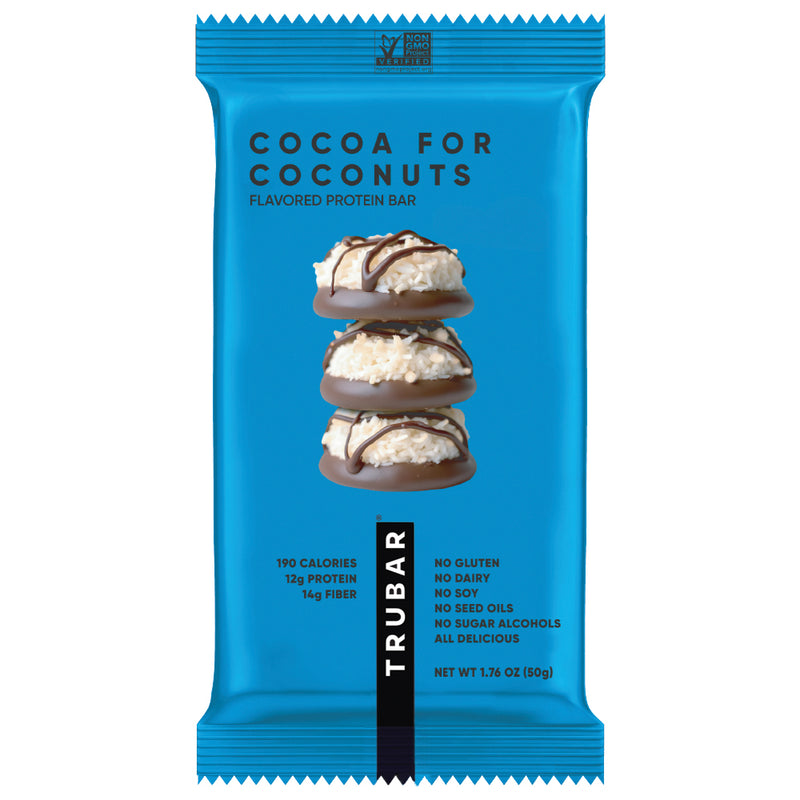 12g protein
Cocoa for Coconuts TRUBAR Nutrition and Protein Bar
Amazon returns policy · secure checkout
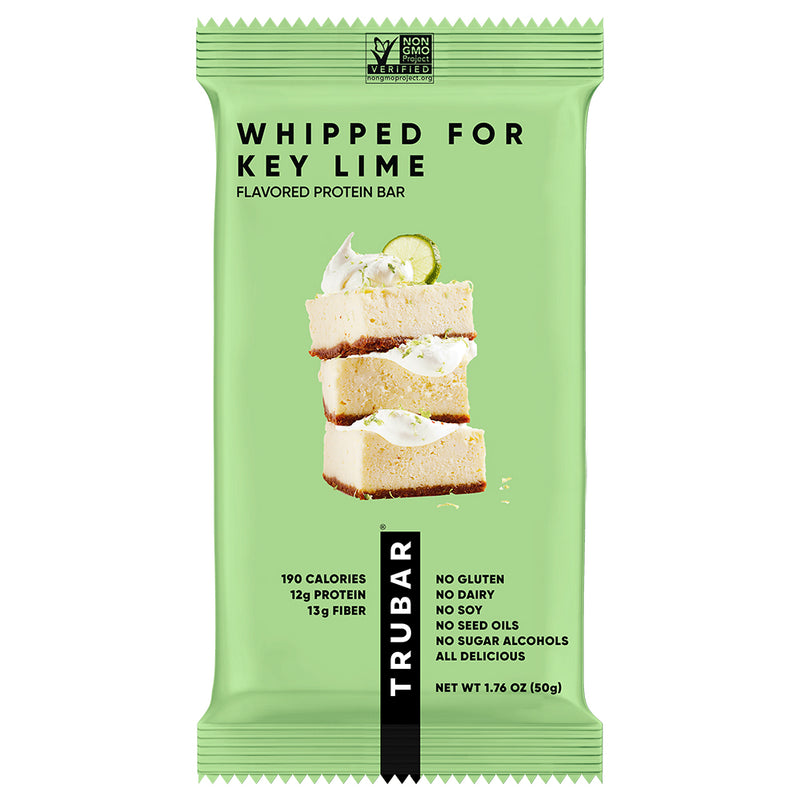 12g protein
Whipped For Key Lime TRUBAR Nutrition and Protein Bar
Amazon returns policy · secure checkout
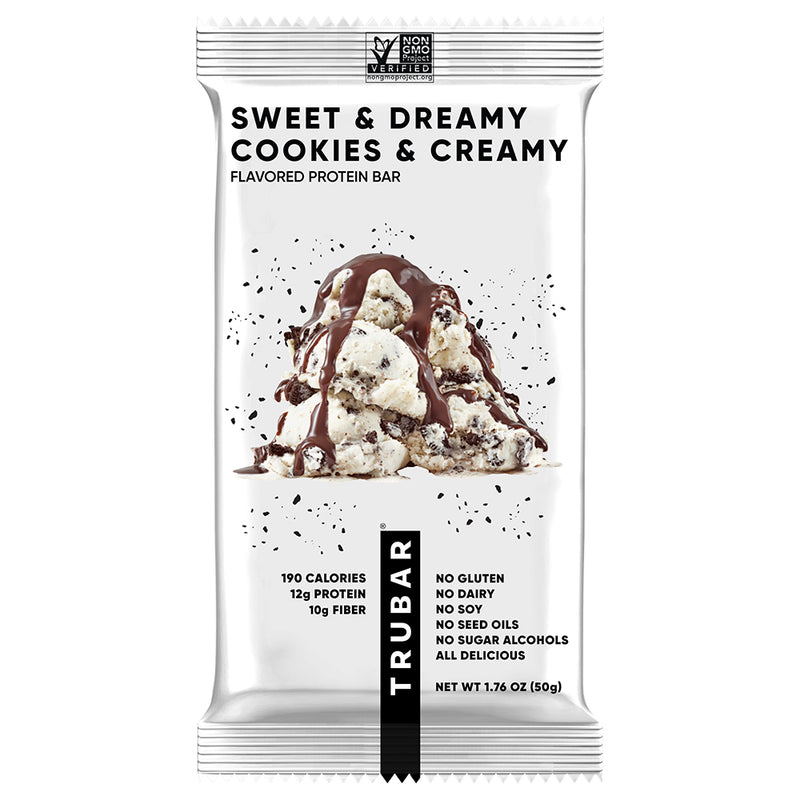 12g protein
Sweet & Dreamy, Cookies & Creamy
Amazon returns policy · secure checkout
Naturally Gluten-Free Protein Staples
| Snack | Protein | Calories | Gluten risk | Source |
|---|---|---|---|---|
| Tuna pouch (plain, water-packed) | 22g | 80 | None | Catalog label read |
| Plain nonfat Greek yogurt (single-serve cup) | ~15g | ~90 | None (check mix-in flavors) | USDA |
| Beef jerky (original/plain) | ~10–12g/oz | ~80–100/oz | Flavor-dependent | Label |
| String cheese | 7g | 72 | None | USDA |
| Hard-boiled egg | 6g | 72 | None | USDA |
| Almonds | 6g/oz | 164/oz | None | USDA |
USDA figures and our catalog's verified label read. Full write-ups: tuna pouches, cheese, eggs, and beef jerky.
Where Gluten Actually Hides in Protein Snacks
Protein bars. Bars are the riskiest category because gluten shows up as a functional ingredient — wheat crisps for texture, barley malt as a binder or sweetener, and cross-contact on shared lines. A bar labeled gluten-free is fine; a bar with no gluten claim at all deserves a full ingredient read before you trust it. Jerky and meat sticks. Plain flavors are almost always safe, but teriyaki, soy-garlic, and similar Asian-inspired flavors commonly use wheat-based soy sauce; tamari is the wheat-free version. Our jerky guide notes this per style. Oats and granola. Oats do not contain gluten, but conventional oats are contaminated by rotation with wheat in fields and shared milling equipment — for celiac disease, only oats explicitly certified gluten-free (typically tested under 20ppm, and by some certifiers under 10ppm) are reliably safe.
What "Gluten-Free" Legally Means
In the United States, an FDA "gluten-free" claim means the food contains fewer than 20 parts per million of gluten — a threshold set low enough that clinical research has not found it harmful for people with celiac disease. Third-party certification (such as GFCO) typically tests to a stricter 10ppm and audits the facility, which matters most for products made on shared lines. If you have celiac disease rather than a sensitivity, the certification layer is worth seeking out in the snack categories with real cross-contact risk — bars, granolas, and anything baked.
Easy Combos With Zero Label Anxiety
- The desk drawer: a tuna pouch plus a string cheese = 29g of protein, 150 calories, nothing to refrigerate, nothing to read.
- The cooler: a Greek yogurt cup plus two hard-boiled eggs = about 27g of protein for roughly 250 calories — more egg ideas in our hard-boiled egg snacks guide.
- The road trip: plain jerky plus almonds = roughly 16–18g of protein, shelf-stable for weeks; stick to original flavors and the gluten question never comes up.
Frequently Asked Questions
Are protein shakes gluten- free?
Pure whey, casein, and pea protein isolates are naturally gluten-free, and most major plain powders test that way — but flavored blends and cookie or granola-inspired varieties can carry gluten ingredients or cross-contact. Check the specific product's allergen statement; our protein powders guide compares options.
Do I need certified gluten-free snacks if I am celiac?
For naturally gluten-free whole foods like eggs, cheese, and plain sealed tuna, no — there is no plausible gluten pathway. For anything processed on shared equipment, especially bars, granolas, and oat products, certification adds a real safety margin over a bare "gluten-free" ink claim.
Is jerky gluten- free?
Plain original flavors usually are. The flavors to check are teriyaki, soy, and anything listing soy sauce — traditional soy sauce contains wheat. When in doubt, the allergen line answers it in two seconds.
Are oats gluten- free?
The grain itself is, but conventional supply-chain oats are commonly contaminated. Certified gluten-free oats are milled and tested specifically to stay under the threshold, and they are the only kind celiacs should treat as safe.
Bottom line: the gluten-free protein snack problem is mostly solved by the same staples as every other protein goal — tuna, yogurt, eggs, cheese, plain jerky, and nuts — and the label-reading effort belongs on bars, flavored jerky, and oats. Compare more options in the protein snacks directory.
Shop our top high-protein picks
Editor-selected high-protein options related to this guide. As an Amazon Associate we may earn from qualifying purchases.
12g proteinCocoa for Coconuts TRUBAR Nutrition and Protein Bar
Amazon returns policy · secure checkout
12g proteinWhipped For Key Lime TRUBAR Nutrition and Protein Bar
Amazon returns policy · secure checkout
12g proteinSweet & Dreamy, Cookies & Creamy
Amazon returns policy · secure checkout
Tags
High Protein Snacks Pro Editorial Team
Independently researched and editorially reviewed. We compare real nutrition labels and never accept payment for coverage.
Get the best new protein snacks in your inbox
Weekly picks and honest reviews — no spam, unsubscribe anytime.
More from the journal
String Cheese Protein: How Much Is in Each Stick? 4 Brands Compared (2026)
A standard string cheese stick (28g) delivers 6–7g of protein at 80–90 calories — roughly 8–9g of protein per 100 calories, which beats most crackers and granola bars. We pulled Nutrition Facts from four major brands (Sargento, Polly-O/BelGioioso, Frigo CheeseHeads, Organic Valley) and ranked them by protein density, sodium, fat, and cost.
Read more
Best Protein Pasta (2026): Every Box Compared at the Same 2 oz — Edamame vs Chickpea vs Lupini vs Wheat
Compared at an identical 2 oz dry serving from each product's own Nutrition Facts panel: Explore Cuisine edamame spaghetti leads with 24g of protein, Kaizen delivers the most protein per calorie at 20g for 130 calories, and Banza hits 14g. Regular semolina pasta is 7g — and the wheat-based “Protein+” boxes only reach 10g. Verified protein, fiber, and net carbs for every option.
Read more
Best Canned Tuna for Protein 2026: Chunk Light vs Albacore, Ranked
Chunk light tuna delivers 22g of protein at 100 calories per 3 oz serving -- more protein per calorie than any mainstream protein bar. A 2.6 oz no-drain pouch is one of the most convenient shelf-stable protein snacks available. StarKist, Wild Planet, Safe Catch, and Bumble Bee compared on protein, value, and mercury.
Read more