Best High-Protein Snacks for GLP-1 Users (2026): 7 Picks Ranked by Protein Per 100 Calories
The best high-protein snacks for people on Ozempic, Wegovy or Zepbound, ranked by protein per 100 calories from each label: fairlife Core Power Elite (42g protein, 230 cal), Premier Protein (30g, 160 cal), FAGE Total 0% (16g, 80 cal) and DAVID (28g, 150 cal). Only 43% of GLP-1 users hit even the minimum protein target — here is how to close that gap on a suppressed appetite.
Our top high-protein picks
Editor-selected and ready to buy. As an Amazon Associate we may earn from qualifying purchases.
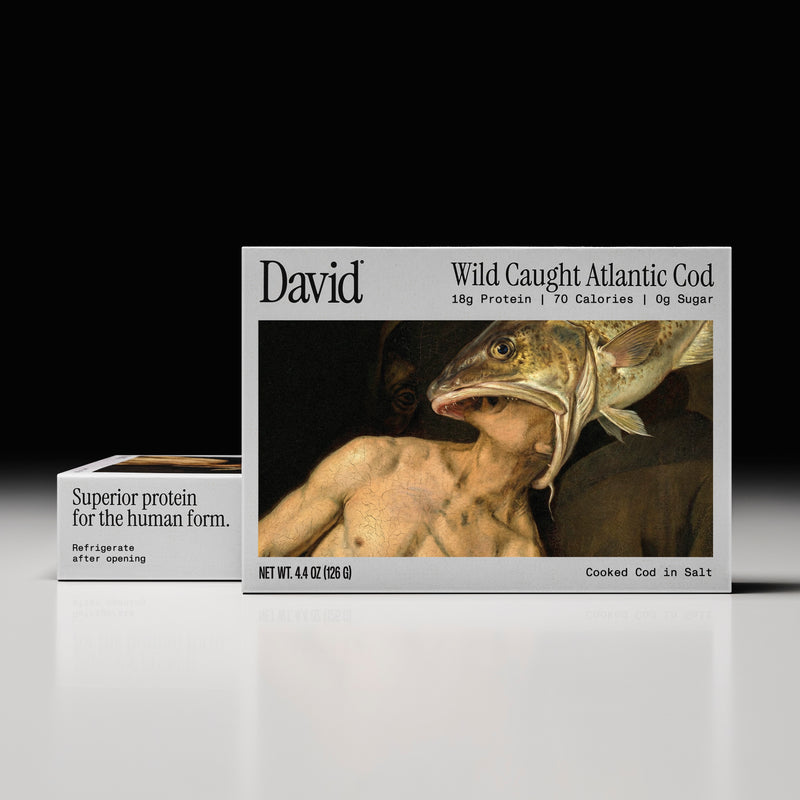 18g protein
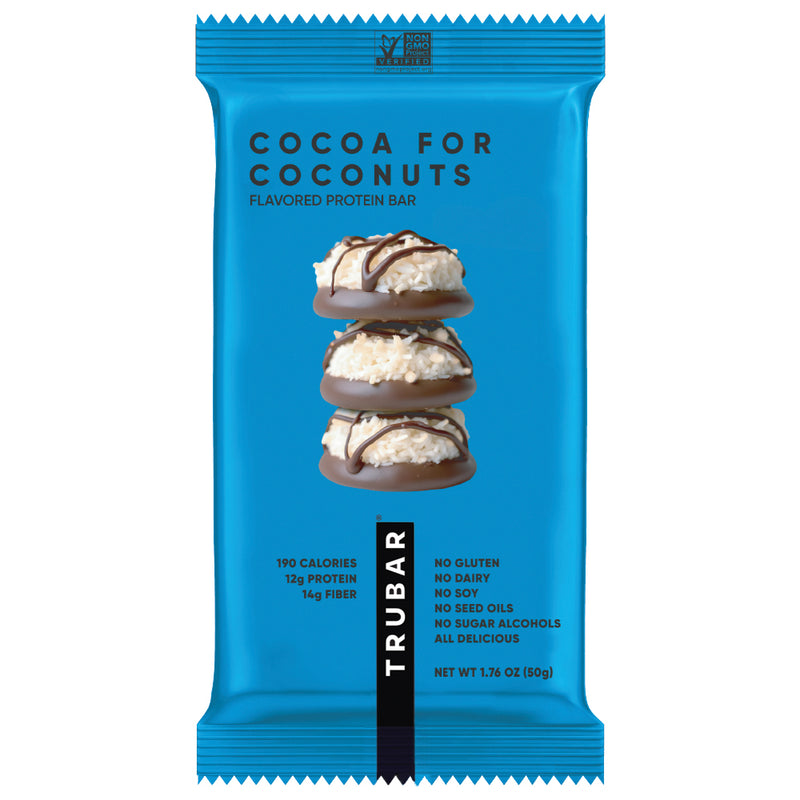 12g protein
Cocoa for Coconuts TRUBAR Nutrition and Protein Bar
Amazon returns policy · secure checkout
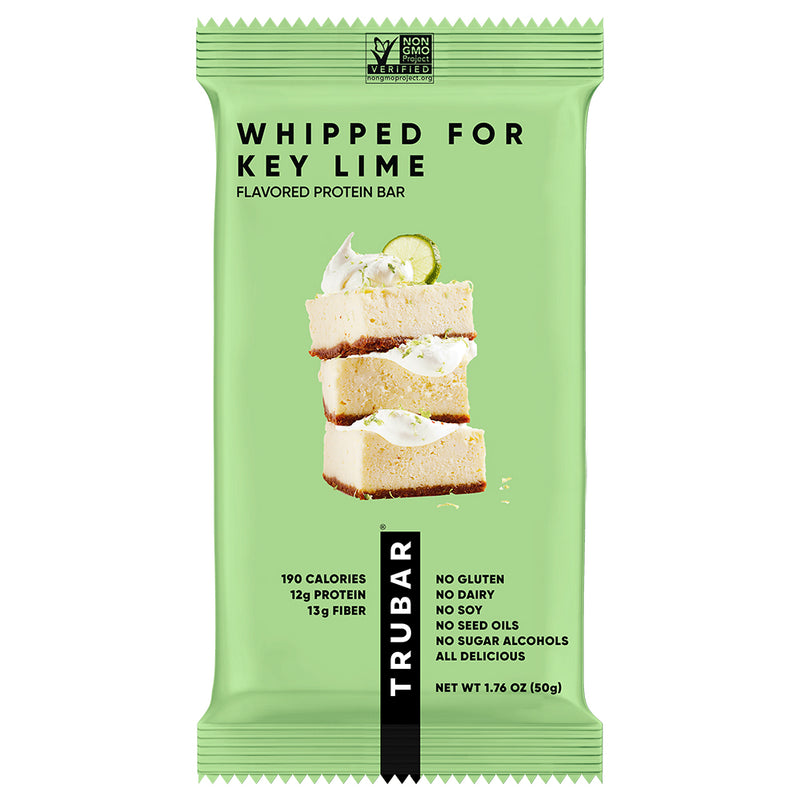 12g protein
Whipped For Key Lime TRUBAR Nutrition and Protein Bar
Amazon returns policy · secure checkout
The problem a GLP-1 medication creates is not that you eat too much. It is that you eat too little of the one nutrient your muscle depends on. In a 2025 cross-sectional study of 60 adults who had been using a GLP-1 receptor agonist for at least a month, average intake was 1,763 calories a day — and only 43% of them reached even 1.2 grams of protein per kilogram of adjusted body weight, the bottom of the range recommended during a calorie deficit. Ten percent reached 1.6 g/kg. Five percent reached 2.0 g/kg. This guide ranks seven real, currently purchasable snacks by how much protein each one delivers per 100 calories, how little you have to swallow to get it, and how well it sits on a stomach that is emptying slowly. Every number below is read off the product’s own published Nutrition Facts panel.
Affiliate links — if you buy through them we earn a small commission at no extra cost to you. Nutrition figures from brand published labels, verified September 2026. This is a food guide, not medical advice: your prescriber and a registered dietitian set your protein and calorie targets, not a website.
How much protein do you actually need on a GLP-1?
A 2026 review in Clinical Nutrition ESPEN on medical nutrition in the GLP-1 era recommends at least 1.2 grams of protein per kilogram of body weight per day, up to 1.6 g/kg in appropriate adults without chronic kidney disease, with a per-meal target of roughly 0.3 to 0.4 g/kg and about 2.5 to 3 grams of leucine per meal. For a 165-pound (75 kg) adult that is 90 to 120 grams a day, and roughly 23 to 30 grams at each eating occasion. The hard part is not the number. The hard part is that the same medication making you lose weight is also making 90 grams of protein feel like a physical impossibility — which is why protein density per calorie and per mouthful is the only selection criterion that matters here.
Why does protein matter more on these medications than on an ordinary diet?
Because a meaningful share of the weight these drugs take off is lean tissue. In the body-composition analysis of the STEP 1 trial — 140 participants scanned by DXA over 68 weeks — semaglutide 2.4 mg reduced total body weight by 15.0% versus 3.6% on placebo, with total fat mass down 19.3% and total lean body mass down 9.7%. Lean mass as a proportion of body weight still improved by 3.0 percentage points, so the overall composition change was favorable — but roughly ten percent of lean tissue left the building alongside the fat. Protein intake and resistance training are the two levers that change how much of that you keep, and protein is the one you control at every meal.
How we ranked these
Three criteria, in this order. Protein per 100 calories is the spine of the table below, because a suppressed appetite gives you a small calorie budget and every calorie in it has to work. Volume is the second filter — early satiety means a 20 fl oz drink can be physically impossible where a 3.4 fl oz one is not. Protein quality is the third: complete dairy and whey proteins carry all nine essential amino acids and are the densest practical sources of leucine, while collagen does not and is not. Two products below are ranked lower than their raw numbers suggest for exactly that reason, and we say so in their write-ups. If you want the same math applied across the whole snack aisle rather than this specific use case, see our highest protein-to-calorie ratio snacks ranking.
Every pick compared on the same numbers
| Snack | Serving | Calories | Protein | Protein / 100 cal | Fiber | Cost / g protein |
|---|---|---|---|---|---|---|
| Pure Genius 23g Protein Shot | 100 ml bottle | 100 | 23g | 23.0g | — | $0.176 |
| FAGE Total 0% Plain | 150g cup | 80 | 16g | 20.0g | 0g | $0.072 |
| Premier Protein Chocolate Shake | 11.5 fl oz | 160 | 30g | 18.8g | 2g | $0.089 |
| DAVID Fudge Brownie Bar | 1 bar | 150 | 28g | 18.7g | — | $0.116 |
| fairlife Core Power Elite Chocolate | 414 ml bottle | 230 | 42g | 18.3g | 2g | $0.095 |
| StarKist Tuna Creations Sweet & Spicy | 74g pouch | 90 | 16g | 17.8g | 0g | $0.068 |
| Quest Chocolate Chip Cookie Dough Bar | 60g bar | 190 | 21g | 11.1g | 12g | $0.113 |
Nutrition read from each brand’s published Nutrition Facts panel. Cost per gram of protein calculated from Amazon list prices checked September 23, 2026, and will move with the listing. Sugar, sodium and the rest of each panel are listed on the product cards below. A dash means the figure is not stated on the panel we read — we do not fill those in with an estimate.
The column that reorders everything is protein per 100 calories. Pure Genius tops it at 23.0 grams and is also the smallest thing on the list to swallow, which is exactly why it is worth knowing about — and exactly why the caveat in its write-up matters. The Quest bar sits last on that column at 11.1 grams and is still on this list, because it is the only pick here carrying 12 grams of fiber, and the reason that matters shows up further down.
The 7 Best High-Protein Snacks for GLP-1 Users, Ranked
#1 fairlife Core Power Elite Chocolate — the most complete protein in one sitting

fairlife Core Power Elite High Protein Shake, Chocolate, 14 fl oz
42g protein · 230 cal · 9g carbs · 2g fiber · 7g sugar (0g added) · 900mg calcium · 260mg sodium
Check price on Amazon →One bottle carries 42 grams of ultra-filtered milk protein — whey and casein together, complete, leucine-rich — for 230 calories. For a 165-pound adult aiming at 90 to 120 grams a day, that is between a third and a half of the daily target handled in a drink you can finish in two minutes without chewing anything. On a day when food is genuinely unappealing, that arithmetic is the entire argument. The 900mg of calcium is a real secondary benefit, because rapid weight loss is a risk period for bone as well as muscle.
Honestly: 14 fl oz is a lot of volume for a stomach that is emptying slowly, and some people cannot finish one in a single sitting during the first weeks after a dose increase. Split it across two sittings and refrigerate the rest — the protein does not care. It also carries 7g of naturally occurring sugar from the milk, with none added.
#2 Premier Protein Chocolate Shake — the best protein per dollar you can buy in a grocery store

Premier Protein Shake, Chocolate, 30g Protein, 12 Pack
30g protein · 160 cal · 4g carbs · 2g fiber · 1g sugar (0g added) · 24 vitamins and minerals · 650mg calcium
Check price on Amazon →Thirty grams of protein in 160 calories, for roughly $2.67 a carton, in a product sold in essentially every grocery store and pharmacy in the country. That combination is why this is the shake most people on a GLP-1 actually end up drinking. One carton clears the 0.3 to 0.4 g/kg per-meal target for most adults on its own, and the 24 added vitamins and minerals are a genuine plus when total food intake has dropped to roughly 1,700 calories a day and micronutrient coverage gets thin.
Honestly: it is sweetened with sucralose and acesulfame potassium, and people whose taste has shifted on these medications — a common and under-discussed effect — often report that artificially sweetened drinks are the first thing to become intolerable. If that happens, the unsweetened whole-food picks below are the fallback. See our full ready-to-drink protein shake comparison for the rest of the category.
#3 FAGE Total 0% Plain — the best whole food, and the cheapest protein in the dairy aisle

FAGE Total Greek Yogurt, 0% Nonfat, Plain, 32 oz
16g protein · 80 cal per 150g cup · 0g fat · 5g sugar · 0g added sugar · 2 ingredients · $0.072 per gram of protein
Check price on Amazon →Sixteen grams of protein for 80 calories, from two ingredients: strained skim milk and live cultures. Nothing else on this list is that clean or that cheap per gram. Strained Greek yogurt is casein-dominant, which digests slowly and extends the amino acid window rather than spiking and clearing — useful when you are only managing two or three eating occasions a day. It is also cold, soft and neutral, which is the texture profile most people tolerate best during the nausea window after a dose escalation.
The 32 oz tub pictured lists 18g of protein per 6 oz (170g) serving; the single-serve cups are 150g and 16g. Same yogurt, different spoonful. If you want it sweet, add fruit rather than buying a flavored cup — the flavored versions trade protein density for sugar. Our Greek yogurt brands ranked by protein guide compares the whole shelf.
#4 DAVID Fudge Brownie Bar — the most protein-dense solid food you can put in a bag
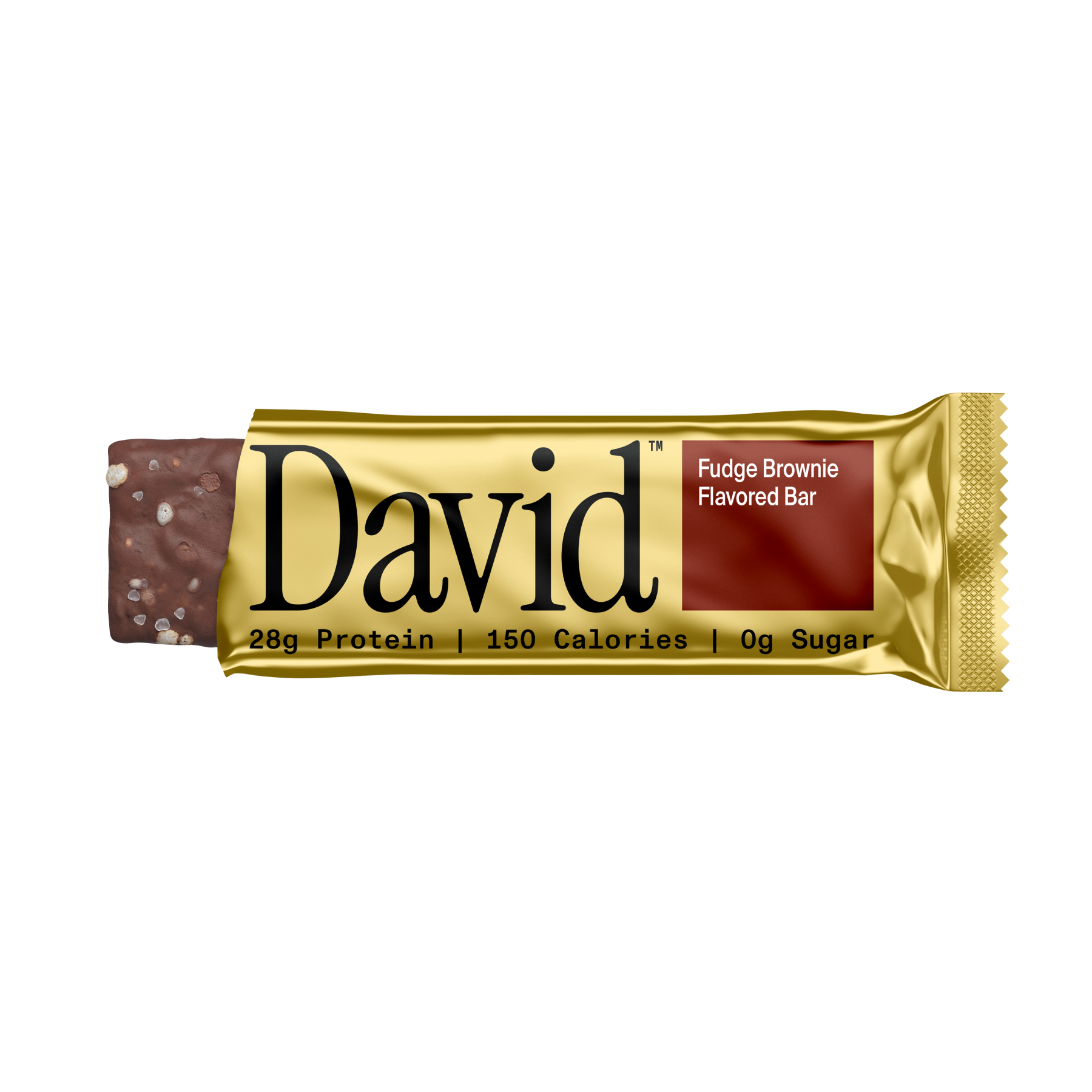
David Fudge Brownie Flavored Protein Bars, 28g Protein, 12 Pack
28g protein · 150 cal · 12g carbs · 0g sugar · 18.7g protein per 100 calories
Check price on Amazon →No other mainstream bar comes close to 28 grams of protein in 150 calories. That single fact is why it belongs in a GLP-1 guide: it is the only shelf-stable, pocket-sized, no-refrigeration option here that clears a full per-meal protein target by itself. If your problem is that you leave the house at 7am and do not feel like eating until 3pm, this is the thing that lives in your bag for that day.
Honestly: it is a dense bar, and dense is the opposite of what a slowly emptying stomach wants. Several people find chewing a solid protein bar harder than drinking the equivalent protein, particularly in the first days after a dose increase. Buy a small quantity and find out before you commit to a case. For the wider category see our best protein bars for weight loss ranking.
#5 StarKist Tuna Creations Sweet & Spicy — the savory option, and the cheapest protein on the list

StarKist Tuna Creations Sweet & Spicy, 2.6 oz Pouch
16g protein · 90 cal · 4g carbs · 4g sugar (4g added) · 360mg sodium · no draining, no refrigeration · $0.068 per gram of protein
Check price on Amazon →Sixteen grams of protein for 90 calories in a pouch that needs no can opener, no draining and no fridge, at about a dollar. It earns its place for one reason people on these medications will recognize immediately: when sweet things stop appealing — and on a GLP-1 they very often do — every shake, bar and yogurt on this list becomes useless at once, and you need a savory protein source that is already in the cupboard.
Honestly: the Sweet & Spicy flavor carries 4 grams of added sugar and 360mg of sodium per pouch, which is the price of it being palatable straight from the pouch. The plain water-packed pouches have neither and slightly more protein; they also taste like plain tuna. Pick according to which problem you actually have.
#6 Pure Genius 23g Protein Shot — the smallest thing here, with the biggest asterisk

Pure Genius 23g Protein Shot, 12 Shots
23g protein · 100 cal · 2g carbs · 0g sugar · 0g fat · 3.38 fl oz (100 ml) · 23.0g protein per 100 calories
Check price on Amazon →Twenty-three grams of protein in 3.38 fluid ounces. That is less liquid than a shot glass and a half, and it is by some distance the highest protein-per-100-calories figure on this page. If your honest situation is that you cannot get a 14-ounce bottle down and a bar is out of the question, this is the product that solves that specific problem, and almost nothing else does.
The asterisk, and it is a real one. The ingredient list reads: filtered water, whey protein (beta-lactoglobulin), bovine collagen peptides. Part of that 23 grams is collagen, and the brand does not publish the split. Collagen is an incomplete protein — it contains no tryptophan and is low in the essential amino acids that drive muscle protein synthesis — which is why the panel also lists added L-histidine and L-valine, the standard way to patch collagen’s amino acid gaps. Since preserving lean mass is the entire reason a GLP-1 user is reading this page, you cannot count all 23 grams toward that goal, and without the split nobody can tell you how many you can. It is also the most expensive protein here by a wide margin, at about $0.176 per gram — roughly two and a half times what the FAGE tub costs. Buy it for the volume problem, not as your daily protein base. Compare it against the rest of the category in our protein shots guide.
#7 Quest Chocolate Chip Cookie Dough Bar — the one to reach for when the problem is constipation
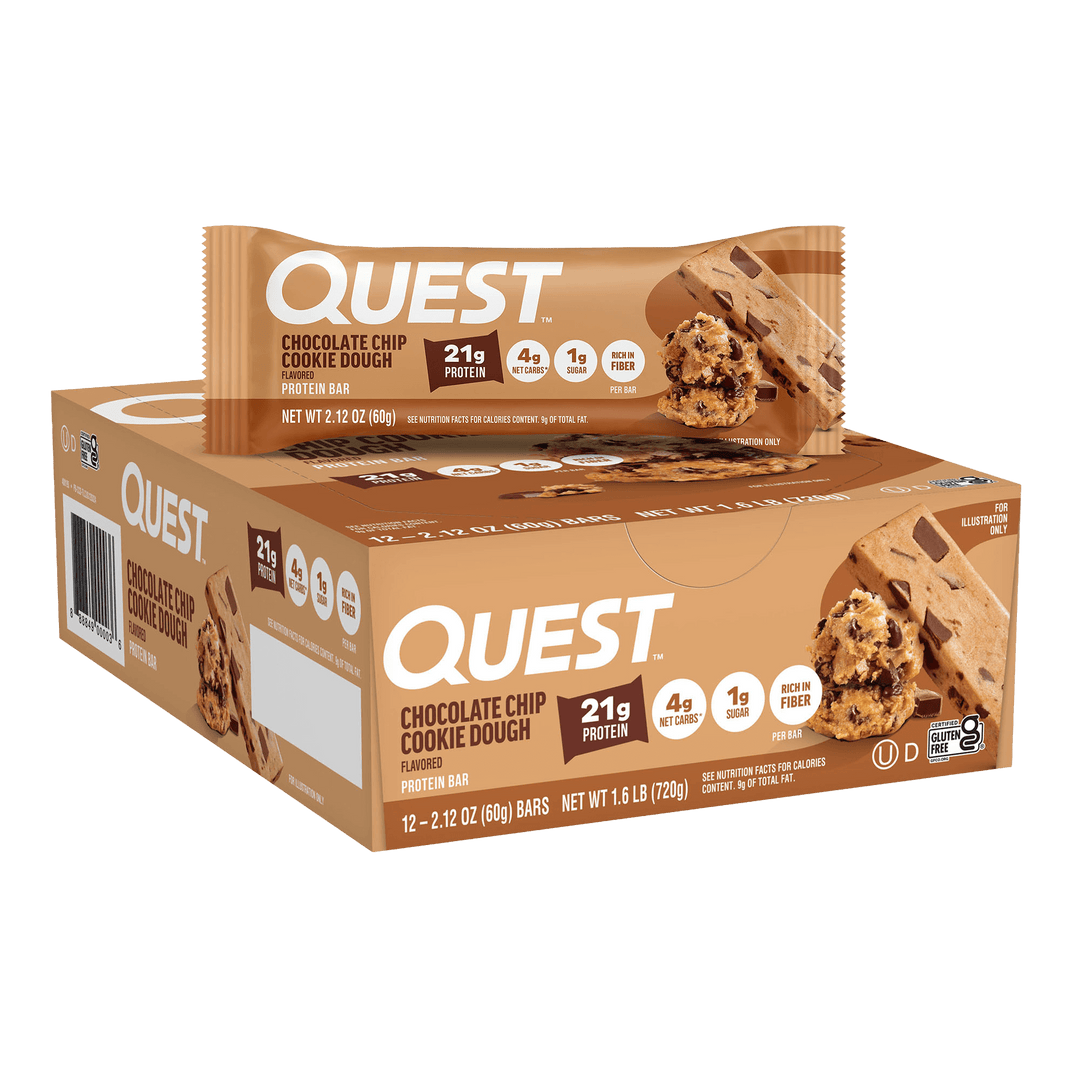
Quest Nutrition Chocolate Chip Cookie Dough Protein Bars, 4 Count
21g protein · 190 cal · 22g carbs · 12g fiber · 1g sugar · 6g sugar alcohols · 220mg sodium
Check price on Amazon →This bar has the weakest protein-per-calorie number on the page and it is still here, because in the pooled STEP 1 to 3 safety analysis 24.2% of people on semaglutide 2.4 mg reported constipation, against 11.1% on placebo. Total food volume falls, fiber falls with it, and things stop moving. Twelve grams of fiber in one bar — mostly polydextrose, a prebiotic fiber — alongside 21 grams of protein addresses both problems in one item, which nothing else on this list does.
Honestly: it also carries 6 grams of sugar alcohols (erythritol), and 12 grams of fiber arriving at once is a lot for a gut that is already irritated. If your dominant symptom is nausea or bloating rather than constipation, this bar can make your week worse, not better. Start with half a bar and drink water with it.
What about nausea, and does any of this help?
Gastrointestinal side effects are the rule, not the exception. Pooled across the STEP 1 to 3 trials — 2,117 people on semaglutide 2.4 mg against 1,262 on placebo — nausea affected 43.9% versus 16.1% on placebo, diarrhea 29.7% versus 15.9%, vomiting 24.5% versus 6.3% and constipation 24.2% versus 11.1%. The encouraging part of that same analysis: 98.1% of those events were mild to moderate, they were transient, and they clustered during and shortly after dose escalation rather than continuing indefinitely.
The practical consequence for snack choice is that the worst days are predictable — the days after a dose goes up — and that is when cold, smooth, low-volume, low-fat options win: the yogurt, the shot, half a shake. Dense bars and fatty foods are the hardest. Plan the stock in your kitchen around that cycle rather than around an average week.
Frequently Asked Questions
How much protein should I eat per day on Ozempic, Wegovy or Zepbound?
Current clinical guidance is at least 1.2 grams per kilogram of body weight per day, and up to 1.6 g/kg for adults without chronic kidney disease, split across meals at roughly 0.3 to 0.4 g/kg each. For a 165-pound adult that is about 90 to 120 grams a day and 23 to 30 grams per eating occasion. Your prescriber should set your actual target, particularly if you have kidney disease.
Do protein shakes count toward my protein goal on a GLP-1?
Yes, provided the protein is complete. Whey, casein, milk and soy proteins carry all nine essential amino acids and count fully. Collagen-based protein does not and should not be counted the same way. Ready-to-drink shakes have a practical advantage over food on these medications because liquid volume is easier to finish than solid volume when the stomach is emptying slowly.
Will eating more protein stop me losing muscle on a GLP-1?
It reduces the loss rather than preventing it, and it works alongside resistance training rather than instead of it. The STEP 1 body-composition analysis found total lean body mass fell 9.7% over 68 weeks on semaglutide 2.4 mg while fat mass fell 19.3%. The 2026 Clinical Nutrition ESPEN review pairs its protein targets with progressive resistance training for exactly this reason: protein supplies the material, training supplies the signal to use it.
Which snack has the most protein for the fewest calories?
Of the products compared here, the Pure Genius protein shot at 23 grams per 100 calories, followed by FAGE Total 0% at 20 grams per 100 calories and Premier Protein at 18.8. Among those three, FAGE and Premier Protein are entirely complete protein, while part of the Pure Genius figure is collagen, so the practical winner for lean-mass preservation is FAGE Total 0%.
What if sweet foods have stopped tasting good?
This is a common and under-discussed effect, and it disqualifies most protein products at once because nearly all of them are sweet. The savory routes worth stocking are shelf-stable tuna pouches, plain unsweetened Greek yogurt with salt and herbs rather than fruit, cottage cheese, and meat sticks. Our high-protein meat sticks guide covers the last of those.
Are protein bars a bad idea on a GLP-1?
Not inherently, but they are the hardest format to finish. A dense bar sits in a slowly emptying stomach longer than an equivalent amount of liquid protein, and high-fiber, high-sugar-alcohol bars can worsen bloating. If bars work for you, favor the most protein-dense ones so you get the target in the fewest bites, and buy small quantities before committing to a case.
Bottom line: the constraint on a GLP-1 is not willpower, it is capacity, and the right snack is whichever one delivers a full per-meal protein dose in the smallest thing you can actually finish. fairlife Core Power Elite does it in one bottle at 42 grams. Premier Protein does it cheapest at 30 grams for about $2.67. FAGE Total 0% does it as real food for $0.072 a gram. Keep a savory option in the cupboard for the days sweet stops working, keep fiber on hand for the constipation weeks, and treat any product whose protein is partly collagen as a volume solution rather than a protein base. Browse the full protein snacks directory, or see our best high-protein snacks of 2026 guide for the wider shelf.
Shop our top high-protein picks
Editor-selected high-protein options related to this guide. As an Amazon Associate we may earn from qualifying purchases.
18g protein12g proteinCocoa for Coconuts TRUBAR Nutrition and Protein Bar
Amazon returns policy · secure checkout
12g proteinWhipped For Key Lime TRUBAR Nutrition and Protein Bar
Amazon returns policy · secure checkout
Tags
High Protein Snacks Pro Editorial Team
Independently researched and editorially reviewed. We compare real nutrition labels and never accept payment for coverage.
Get the best new protein snacks in your inbox
Weekly picks and honest reviews — no spam, unsubscribe anytime.
More from the journal
Best High-Protein Snacks at Safeway (2026): 6 Picks Ranked by Protein Density
Six high-protein snacks you can actually find at Safeway, ranked by protein-per-calorie. Top pick is FAGE Total 0% at 20g of protein per 100 calories — better than any protein bar on this list. Premier Protein and Oikos Triple Zero tie for second at 18.8g per 100 calories. Every number comes from the official Nutrition Facts panel, not a database average.
Read more
Best High-Protein Snacks at Harris Teeter (2026): 7 Picks Ranked by Protein, Price, and Availability
Harris Teeter stocks a stronger protein-snack lineup than most regional grocers, including Fairlife Core Power Elite (42g protein), Quest Protein Bars (21g), Premier Protein shakes (30g), and multiple cottage cheese brands — all in one trip without a warehouse membership. Seven picks verified against 2026 Harris Teeter listings and label data, ranked by protein per serving, price per gram of protein, and grab-and-go convenience.
Read more
Best Low Calorie Protein Bars 2026: 10 Bars Ranked by Protein Per Calorie
The DAVID Protein Bar (Chocolate Chip Cookie Dough) is the strongest low-calorie protein bar in 2026 — 28g of protein at 150 calories, 18.7g of protein per 100 calories, the highest ratio of any widely-available bar. These 10 low-calorie protein bars are ranked strictly by protein per 100 calories with verified nutrition data, so you can compare bars fairly regardless of serving size.
Read more