Best High-Protein Coconut Yogurt Brands (2026): Cocojune Protein Hits 10g, Every Other Coconut Yogurt Barely Clears 3g
Coconut yogurt is a fat-and-probiotic food, not a protein food — most brands deliver 1–3g of protein per serving because coconut milk itself has almost none. The single exception in 2026 is Cocojune's new Protein line at 10g per 5.6oz cup, achieved by adding organic pea protein. GT's CocoYo (3g), Coconut Cult (2g/2fl oz), Culina (2g), Silk Coconut (2g), Harmless Harvest (1g), and So Delicious Unsweetened (<1g) all cluster in the low-single-digits. Every widely-available brand compared on real per-serving nutrition labels, with the honest reality about why coconut is a hard base to hit high protein in.
The short answer
Our top high-protein picks
Editor-selected and ready to buy. As an Amazon Associate we may earn from qualifying purchases.
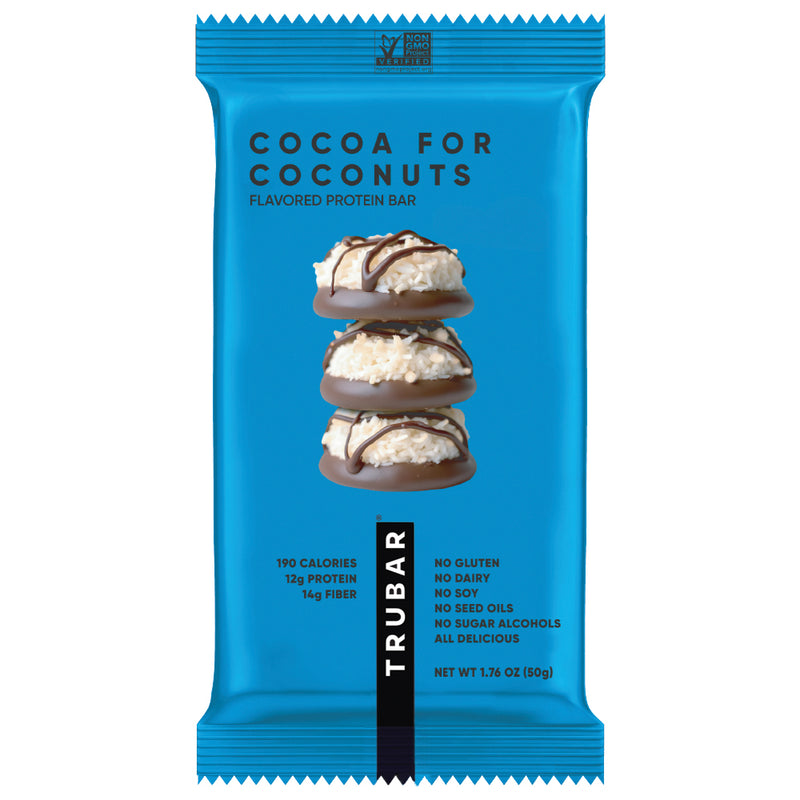 12g protein
Cocoa for Coconuts TRUBAR Nutrition and Protein Bar
Amazon returns policy · secure checkout
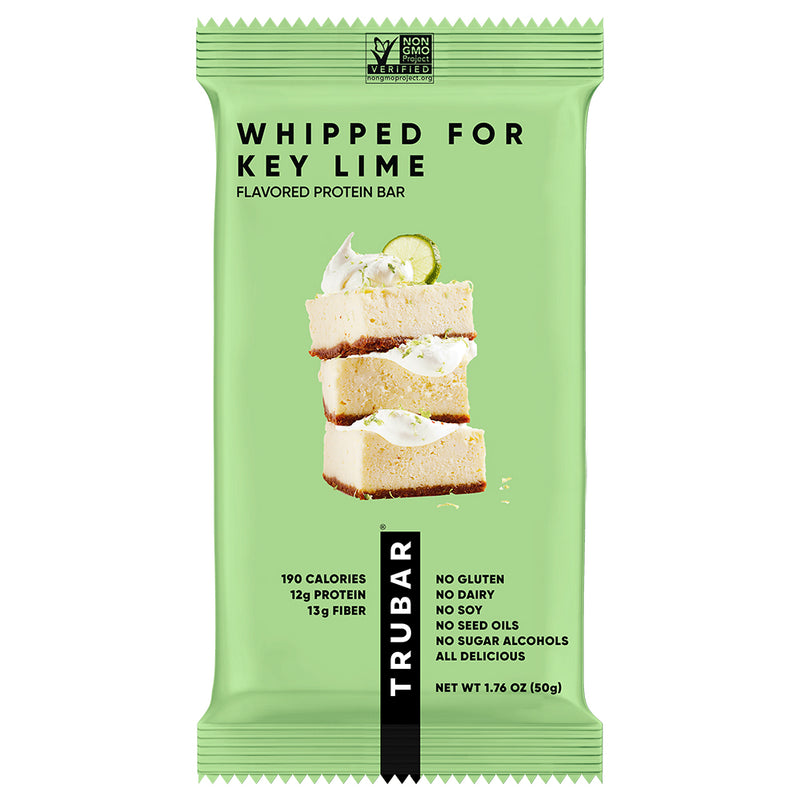 12g protein
Whipped For Key Lime TRUBAR Nutrition and Protein Bar
Amazon returns policy · secure checkout
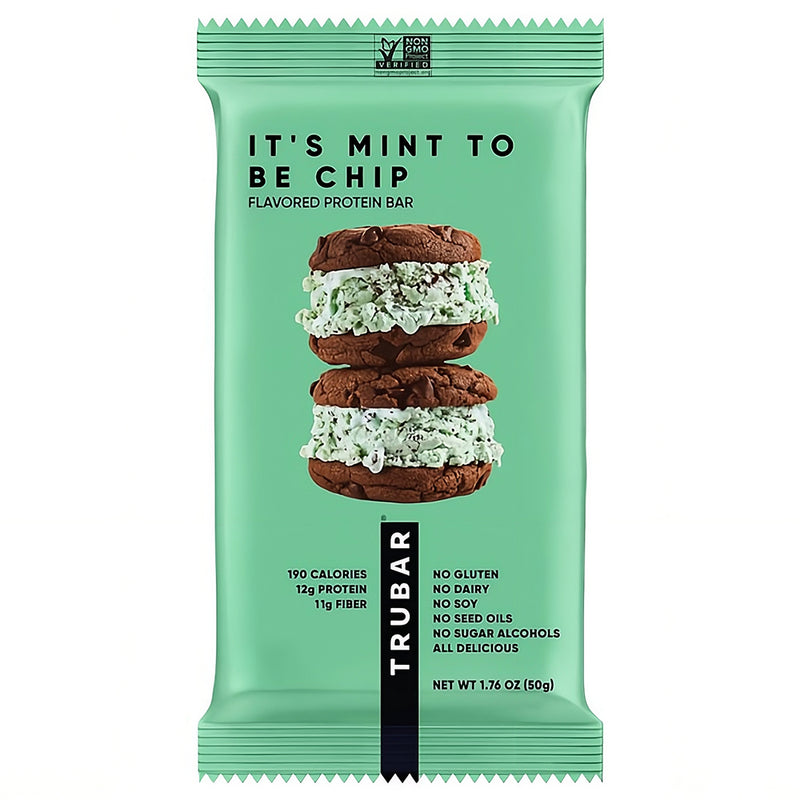 12g protein
It's Mint to Be Chip TRUBAR Nutrition and Protein Bar
Amazon returns policy · secure checkout
Which coconut yogurt brands have the most protein?
Highest protein of any coconut yogurt (buy this): Cocojune Organic Protein Plain Unsweetened — 10g protein, 170 cal per 5.6oz cup, organic, added pea protein. Best pure-coconut option (no added protein): GT’s CocoYo Pure at 3g protein per half-cup — the highest of the additive-free coconut yogurts. Widest availability, clean label: Harmless Harvest Plain (1g protein) at Whole Foods, Target, Amazon. Best value / lowest calorie: So Delicious Unsweetened Plain — 90 cal, but under 1g protein. The reality: if you want a dairy-free yogurt that actually moves your daily protein number, coconut is the wrong base — look at soy (Silk Protein at 11g, Two Good Plant-Based at 12g) or oat (Nancy’s Oatmilk at 6g with faba bean protein) instead.
Affiliate links — if you buy through them we earn a small commission at no extra cost to you. Every nutrition figure below comes from the brand’s own published label or a verified retailer listing; anything we could not confirm is marked with an em dash rather than a guess.
Why Is Coconut Yogurt So Low in Protein?
Coconut milk is roughly 24% fat, 6% carbohydrate, and only about 2% protein by weight — the exact opposite ratio of dairy milk, where protein and carbohydrate dominate. When you culture coconut milk into yogurt, that ratio doesn’t change: you end up with a rich, creamy product that is essentially a fat-and-probiotic food rather than a protein food. Even the highest-fat, most concentrated coconut yogurts on the shelf (Culina’s 5oz cup at 210 calories, 19g of fat) still only deliver 2g of protein per serving, because the coconut simply doesn’t bring more to the table.
This is why the one coconut yogurt that hits real protein numbers — Cocojune’s Protein line at 10g per cup — achieves it by adding a separate plant protein source (organic pea protein) rather than by squeezing more out of the coconut. There is no coconut yogurt in 2026 that is naturally high in protein. If you see one on the shelf claiming 8g or more, look at the ingredient list — it will list pea protein, faba bean protein, or a similar plant-protein isolate as an added ingredient.
Coconut Yogurt Brands Ranked by Protein (Full Comparison)
All figures are per labeled serving as printed on the current 2026 nutrition panel or verified retailer listing. Cocojune’s Protein line is separated out from its original Pure Coconut line because they use different formulations and hit different numbers. Anything we could not confirm to at least one primary source (brand website or major retailer listing) is marked with —.
| Brand / SKU | Serving | Cal | Protein | Sugar | Fat | Base + Additions | Organic |
|---|---|---|---|---|---|---|---|
| Cocojune Protein Plain Unsweetened | 5.6oz (160g) | 170 | 10g | 1g (0 added) | 13g | Coconut milk + organic pea protein, inulin, pectin | Yes |
| GT’s CocoYo Pure (Original) | 1/2 cup (113g) | 90 | 3g | 2g | 6g | Raw young coconut + coconut water | Yes |
| Coconut Cult Original Probiotic | 2 fl oz (56g) | 120 | 2g | 2g | 9g (8g sat) | Coconut cream + coconut meat + coconut water | No |
| Culina Plain & Simple | 5oz (142g) | 210 | 2g | 0g | 19g | Hand-shucked organic coconut, water, agar | Yes |
| Cocojune Pure Coconut (original line) | 4oz (~113g) | 180–190 | 2g | 2g (0 added) | 18g | Coconut + water + tapioca | Yes |
| Silk Coconut Milk Yogurt, Plain Unsweetened | 1/2 cup (115g) | 70 | 2g | 0g | 4g | Coconutmilk (reformulated) | No |
| Lavva Plain (pili nut + coconut) | 5.3oz (150g) | 170 | 2g | 7g (from plantain) | 13g | Coconut cream, plantain, pili nut, cassava | Mostly |
| Kite Hill Blissful Plain Unsweetened Coconut | 5.3oz (~150g) | 110 | ~1g | 1g | 8g | Coconut milk | No |
| Harmless Harvest Plain | 170g (3/4 cup) | 80 | 1g | ~1g | 3.5g | Organic Thai coconut | Yes |
| So Delicious Unsweetened Plain | 3/4 cup (170g) | 90 | <1g | 1g | 6g | Organic coconutmilk + rice starch | Yes (coconutmilk) |
Numbers cross-checked against the current 2026 brand product pages (cocojune.co, sodeliciousdairyfree.com, harmlessharvest.com, culinayogurt.com, gtslivingfoods.com, thecoconutcult.com), Amazon retailer listings for currently-shipping SKUs, and Go Dairy Free / MyFoodData / MyNetDiary product database entries where the label itself was not published online.
#1 Cocojune Organic Protein Plain Unsweetened — The Only Coconut Yogurt With Real Protein

Cocojune Organic Protein Plain Unsweetened Coconut Yogurt (5.6oz cup)
10g protein · 170 cal · 1g sugar (0 added) · 13g fat · USDA Organic · pea protein added
Check price on Amazon →Cocojune launched its Protein line in 2025 and, as of mid-2026, it is the only coconut-based yogurt on US shelves that clears a meaningful protein threshold. A 5.6oz cup delivers 10g of protein for 170 calories — a full 5–10× more protein than every other plain coconut yogurt on the shelf. The mechanism is simple: Cocojune added organic pea protein to its existing coconut-milk base, along with inulin (a soluble fiber that adds body without changing macros meaningfully) and citrus pectin (a natural stabilizer). No dairy, no soy, no artificial sweeteners. The Plain Unsweetened cup has 0g of added sugar.
Why it’s the pick: if you want to eat coconut yogurt and want it to move your daily protein number, this is the only product that does both. A 16.8oz tub (about three servings) delivers 30g of protein at 510 calories — the same protein-to-calorie neighborhood as a Kirkland Signature Protein Bar (21g per bar, ~190 cal). That is a genuinely different category of coconut yogurt.
The honest catches: at 13g of fat per cup, this is still a fat-heavy product — ~65% of calories come from coconut fat, most of it saturated. That’s fine for many people but it’s not a Greek-yogurt substitute if you’re calorie-restricting. Cocojune Protein is priced at a premium ($3.29–$3.99 per 5.6oz cup at Whole Foods, Sprouts, and on Amazon) — roughly 2× the per-ounce cost of dairy Greek yogurt like FAGE. And pea protein has a slightly earthier flavor than dairy protein; the plain unsweetened version is noticeably less sweet than plain dairy Greek yogurt, so some people prefer to eat it with fruit or a drizzle of honey.
#2 GT’s CocoYo Pure — The Best of the No-Additive Coconut Yogurts

GT’s CocoYo Pure (Original) Living Coconut Yogurt
3g protein · 90 cal · 2g sugar · 6g fat per 1/2 cup · Organic raw young coconut + coconut water only
Find at Amazon →If you specifically want a pure coconut yogurt with no added protein powder, no gums, no thickeners, and no artificial sweeteners — GT’s CocoYo Pure is the highest-protein option we could verify at 3g per half-cup (113g). The ingredient list is startling in its brevity: organic raw young coconut and organic coconut water. That’s it. It’s a raw, live-culture product from GT’s Living Foods (the kombucha company), and the texture is closer to soft-set cultured cream than to Greek yogurt — thick, tangy, richer than most.
Why 3g beats the field: most pure-coconut yogurts land at 1–2g. GT’s slightly higher protein number comes from using more whole young-coconut meat (which is denser in protein per gram than coconut cream + water reconstitutions used by mass-market brands). It’s a real if small edge for people who want a clean-label option.
The catch: refrigerated retail only — primarily Whole Foods, Sprouts, Erewhon, and select independents. Not sold on Amazon in most regions. Priced at $6–$8 per 16oz jar, roughly 3× the per-ounce cost of So Delicious. This is a specialty product, not a weekly-shop staple. And at 3g of protein, it is still not a real protein food — you would need to eat two full jars (about 900g of yogurt) to hit 20g of protein, which is impractical.
#3 Coconut Cult Original — Probiotic-First, Protein-Second (or Third)
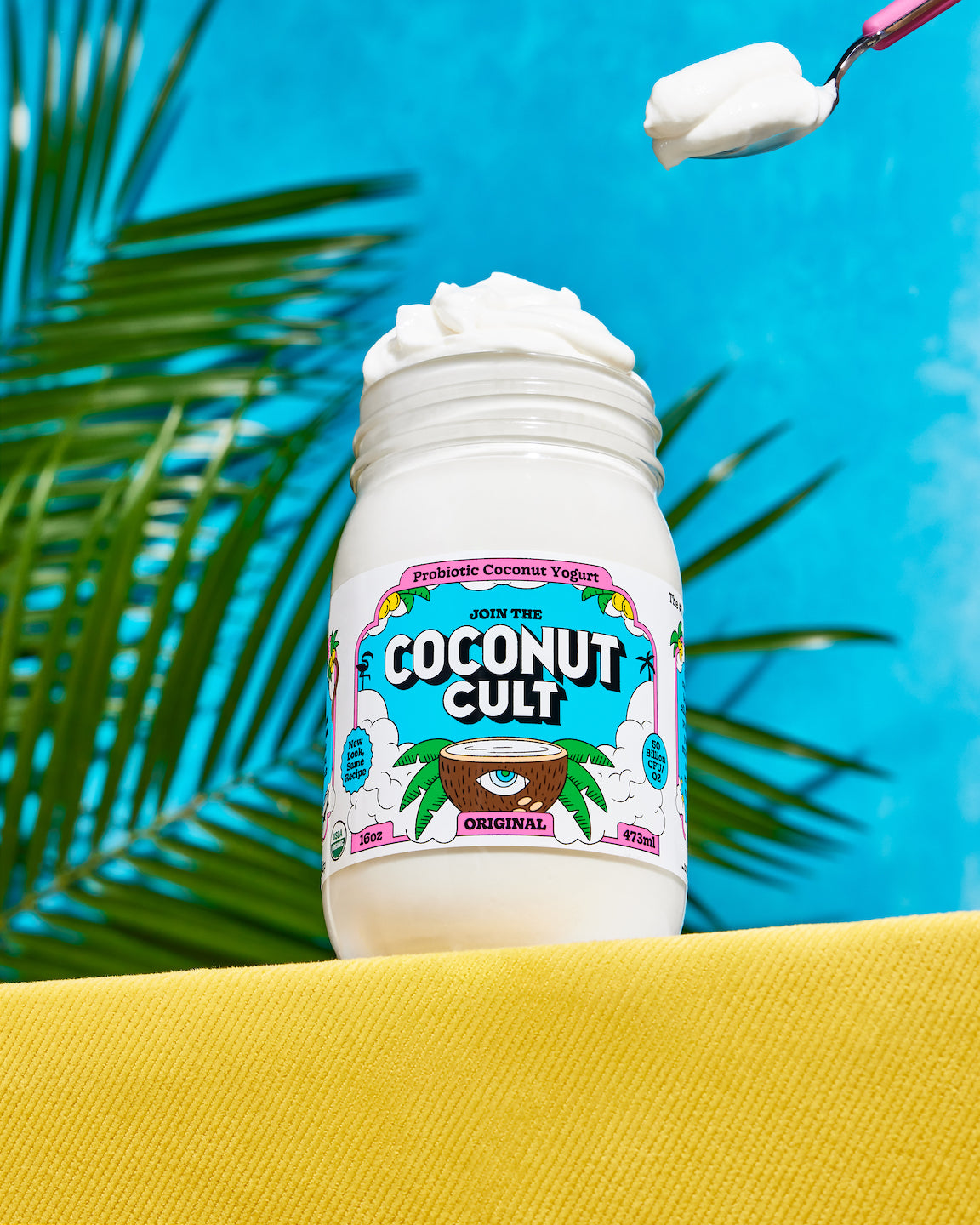
Coconut Cult Original Probiotic Coconut Yogurt
2g protein · 120 cal · 2g sugar · 9g fat (8g sat) · per 2 fl oz serving · 25 billion CFU probiotics
Check price on Amazon →Coconut Cult is the premium end of the coconut-yogurt category — a 16oz glass jar sells for $22–$28. The reason isn’t protein (only 2g per 2 fl oz serving) — it’s the probiotic content, marketed at 25 billion CFU per serving from a proprietary blend of 15 live strains. Whether that specific probiotic dose delivers meaningful benefit for the average person is a debate we won’t settle here, but the product itself is real: thick, extremely tangy, made from coconut cream and coconut meat with no gums or added sugar.
Buy Coconut Cult because you specifically want a live-culture probiotic food and are willing to pay for the concentration; the small 2 fl oz serving size reflects that it’s meant to be eaten by the spoonful, not by the cup. Don’t buy it for protein — a whole 16oz jar delivers only about 16g of protein at nearly 1,000 calories. That is one of the worst protein-to-calorie ratios on the shelf.
Culina Plain & Simple — Richest Texture, Same Low Protein

Culina Plain & Simple Plant-Based Yogurt (5oz cup)
2g protein · 210 cal · 0g sugar · 19g fat · hand-shucked organic coconut + agar (only)
Check price on Amazon →Culina’s Plain & Simple is the most calorically dense coconut yogurt on this list — 210 calories for a 5oz cup, 19g of it fat — because it’s made from hand-shucked whole coconut with agar as the only thickener. It is genuinely the most yogurt-like eating experience of any dairy-free option we’ve tried: thick, spoon-standing, mildly tangy, no gums. But at 2g of protein per cup, it is not a protein food — it’s a premium dessert-yogurt swap.
Best use: replace crème fraîche or Greek yogurt in a recipe (curries, sauces) where you want the richness without dairy. Not for a protein-focused breakfast. Culina is sold at Whole Foods, Erewhon, and Sprouts refrigerated, and on Amazon in a 5-cup ship-cold pack for $30–$40 (roughly $6–$8 per cup after shipping). Premium price for a premium ingredient.
Harmless Harvest — Widest Availability, Cleanest Ingredient List, Lowest Protein
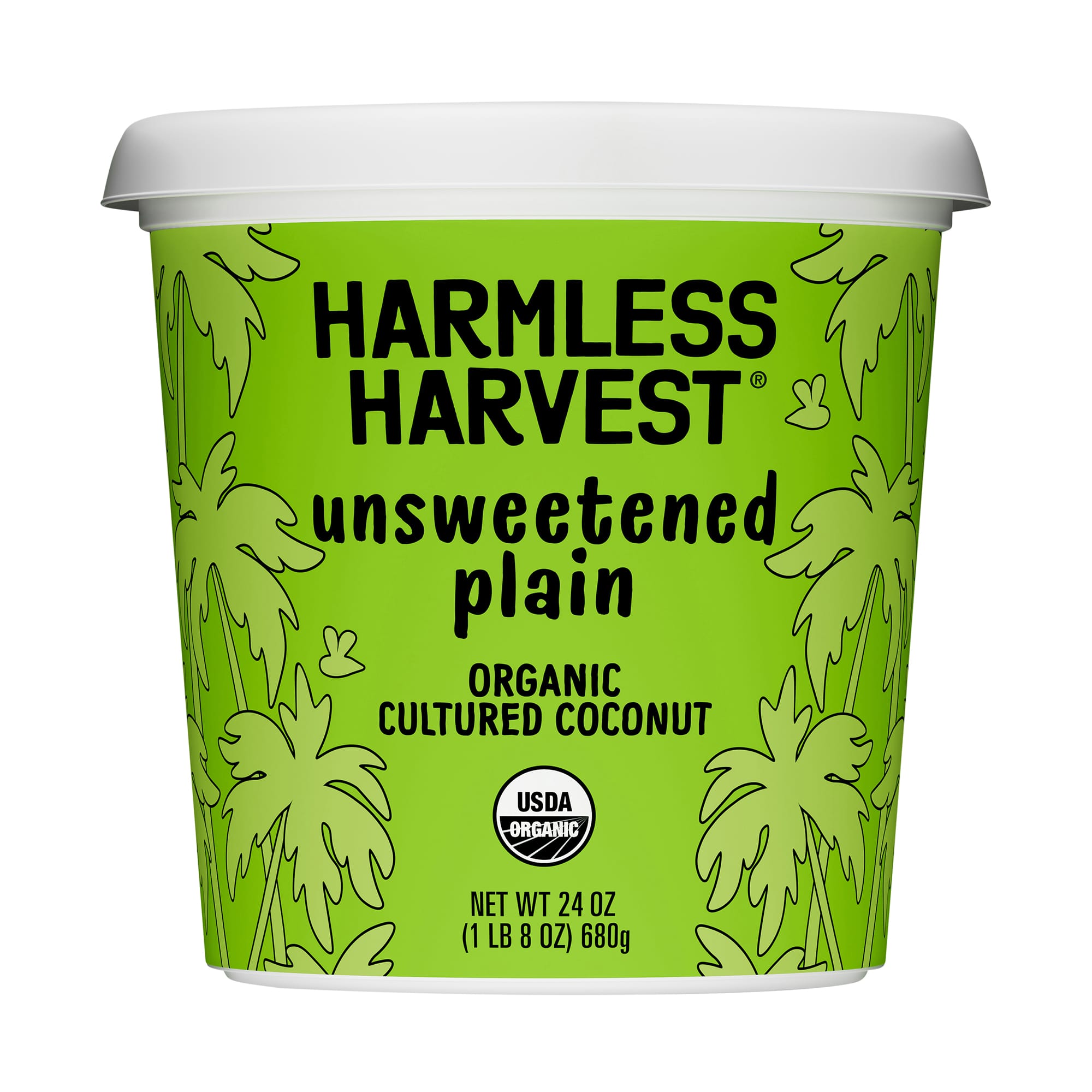
Harmless Harvest Plain Dairy-Free Coconut Yogurt Alternative
1g protein · 80 cal · ~1g sugar · 3.5g fat per 170g serving · USDA Organic Thai coconut
Check price on Amazon →Harmless Harvest built its brand on regeneratively-grown Thai coconuts, and its dairy-free yogurt uses that same source. The plain variety is 80 calories per 170g (3/4 cup) — the lowest calorie count of any full-fat coconut yogurt in this comparison, because Harmless Harvest uses a more diluted coconut base than Culina or Coconut Cult. The trade-off is texture (thinner, more drinkable than the thick cultured-cream feel of premium brands) and protein (only 1g per serving).
Where Harmless Harvest wins is availability: it’s stocked at Target, Whole Foods, Sprouts, most independent naturals, and on Amazon in 24oz tubs. If you want an organic, low-calorie, clean-label coconut yogurt for smoothies or granola parfaits and protein isn’t the priority, this is the widest-availability pick. Just don’t confuse the lower calorie count with a higher-protein product — both numbers are lower.
So Delicious Unsweetened Plain — Cheapest Coconut Yogurt, Lowest Protein
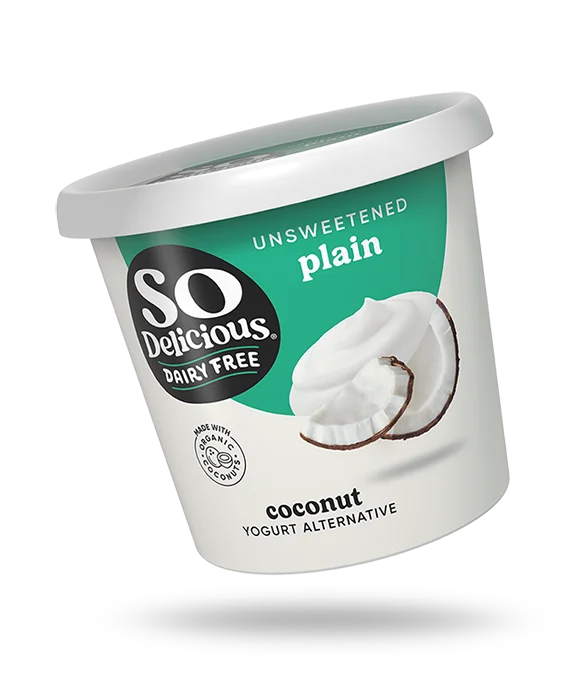
So Delicious Dairy Free Unsweetened Plain Coconutmilk Yogurt (24oz)
<1g protein · 90 cal · 1g sugar · 6g fat per 170g serving · USDA Organic coconutmilk + rice starch
Check price on Amazon →So Delicious is the most widely-distributed and least expensive coconut yogurt in the US — you can find it at Walmart, Kroger, Target, Whole Foods, and virtually every mainstream grocer, typically for $4–$5 per 24oz tub. That’s roughly $0.20 per ounce, less than half the cost of Harmless Harvest and about a third the cost of Culina. The catch is the protein content: the Unsweetened Plain variety lists under 1g per 170g serving on its current label — effectively zero.
So Delicious is the right pick if you want an affordable, dairy-free yogurt as a base for something else (a smoothie, a bowl of fruit and granola, an ingredient in overnight oats where the other components carry the protein), and you don’t need the yogurt itself to be a protein source. It’s the wrong pick if you’re trying to hit a protein target with the yogurt directly.
What About Silk Coconut, Kite Hill Blissful Coconut, and Lavva?
Three more coconut-based products worth naming so you know the full shelf:
Silk Coconut Milk Yogurt (Plain Unsweetened) delivers 2g of protein per 1/2 cup (115g) at 70 calories, from a reformulated coconutmilk base with pectin as a thickener. It’s the cheapest coconut yogurt at Kroger, Target, and most conventional grocers ($4–$5 per 24oz), and it has no added sugar in the plain unsweetened version. Fine budget pick; not a protein food.
Kite Hill Blissful Plain Unsweetened Creamy Coconut is Kite Hill’s coconut-based line (their more famous yogurts are almond-based). At ~1g protein per 5.3oz cup and 110 calories, it slots between Silk and Harmless Harvest — solid clean-label option but again not a protein play. If you like the Kite Hill brand, their almond-based yogurts and their soy-based “protein” line are the higher-protein options in their catalog.
Lavva Plain uses a coconut cream + plantain + pili nut + cassava base — a genuinely novel formulation aimed at Whole Foods shoppers who want a totally different plant-yogurt flavor profile. At 2g of protein per 5.3oz cup (170 calories, 13g of fat), the numbers are similar to Culina or Cocojune Pure. The 7g of sugar comes from the plantain, not added sweetener. It is refrigerated-retail only (mostly Whole Foods and Sprouts), and priced accordingly.
Which Dairy-Free Yogurts Actually Have High Protein?
Coconut is the wrong base for this question — that’s the whole point of this comparison. If you specifically want a dairy-free yogurt that moves your protein number, look outside the coconut aisle:
- Soy-based, ~11–12g protein per cup: Silk Protein Dairy-Free Yogurt Alternative (11g), Two Good Plant-Based Vanilla (12g), Chobani Non-Dairy Coconut Blend with Almond Protein (some SKUs). These are the true dairy-free high-protein options — and they land at 10–15% of calories from fat, not 65% like coconut.
- Cashew-based, ~3g protein per cup: Forager Project Unsweetened Plain Cashewmilk Yogurt (3g). Similar protein density to GT’s CocoYo but a milder cultured-cream flavor.
- Oat-based, 6g protein per cup: Nancy’s Plain Probiotic Oatmilk Non-Dairy Yogurt (6g via added faba bean protein). Same additive trick Cocojune uses, applied to oatmilk.
- Pea-boosted coconut, 10g: Cocojune Protein (the pick from this article) — the coconut-lover’s way to still hit real protein numbers.
For the full non-coconut dairy-free rundown, see our best dairy-free Greek yogurt brands comparison. For the full plant-vs-whey protein-powder comparison, our vegan protein powder brands compared guide covers pea, rice, and soy isolates in detail.
Is Coconut Yogurt Better Than Greek Yogurt on Any Metric?
Not on protein, calories, or protein-per-calorie — but yes on a few dimensions that matter for specific buyers.
Lactose-free by default: every coconut yogurt above is completely lactose-free, which matters if you’re lactose-intolerant. No dairy Greek yogurt clears this floor, though most people with lactose intolerance still tolerate Greek yogurt (it’s already lower in lactose than regular yogurt due to the straining process).
Longer shelf life once opened: coconut yogurts hold texture and flavor for 7–10 days refrigerated after opening; Greek yogurt starts to weep whey after 4–5 days.
Fat quality: coconut fat is roughly 85% saturated, largely medium-chain triglycerides (MCTs). Whether that’s a plus or a minus depends on your dietary approach — if you follow a keto or MCT-forward diet, coconut yogurt is genuinely useful. If you’re following American Heart Association saturated-fat guidance, it’s a food to eat in modest amounts.
Not on protein: plain FAGE Total 0% Greek yogurt delivers 18g of protein per 170g serving at 90 calories (20g of protein per 100 calories). Cocojune Protein — the best coconut yogurt in this comparison — delivers 10g per 160g at 170 calories (6g of protein per 100 calories). Greek yogurt is roughly 3× more protein-dense per calorie. See our FAGE Total 0% nutrition breakdown for the full comparison.
Frequently Asked Questions
What is the highest-protein coconut yogurt in 2026?
Cocojune Organic Protein Plain Unsweetened, at 10g of protein per 5.6oz cup. It achieves that number by adding organic pea protein to a coconut-milk base. No other coconut-based yogurt on US shelves in 2026 clears 5g of protein per serving — the next-highest is GT’s CocoYo Pure at 3g per half-cup, followed by a cluster of brands at 2g (Coconut Cult, Culina, Silk Coconut, Cocojune Pure, Lavva).
Why is coconut yogurt so low in protein?
Coconut milk is roughly 24% fat, 6% carbohydrate, and only about 2% protein by weight — the mirror image of dairy milk, which is protein-heavy. When you culture coconut milk into yogurt, that ratio doesn’t change: the result is a fat-and-probiotic food, not a protein food. Any coconut yogurt claiming 8g+ of protein per serving has added a separate plant protein source (pea, faba bean, rice) to the coconut base.
Is coconut yogurt actually healthy if it has almost no protein?
Depends on what you’re asking of it. Coconut yogurt is a legitimate lactose-free source of live probiotic cultures and MCT-rich fats, and the unsweetened varieties from Harmless Harvest, Cocojune Pure, GT’s CocoYo, and So Delicious have short, clean ingredient lists. It becomes unhealthy in the same way any food does — if you use it to displace something more nutrient-dense that you actually needed (like a real protein source at breakfast). Use it as a probiotic + healthy-fat food, not as a protein food, and it fits most eating patterns.
Is Cocojune Protein worth the price premium over regular Cocojune?
If protein is why you’re eating yogurt, yes — you’re paying roughly $3.50 per 5.6oz cup for 10g of protein, which works out to about $0.35 per gram of protein. That’s expensive relative to Greek yogurt ($0.08–$0.15 per gram) or whey powder ($0.06–$0.10 per gram), but it’s the market rate for dairy-free protein in a spoon-ready yogurt format. If you’re eating coconut yogurt for texture, taste, or probiotics and don’t care about protein, Cocojune Pure Coconut or GT’s CocoYo Pure are cheaper and don’t use pea protein.
Is Coconut Cult worth $25 a jar?
Only if you specifically want its concentrated probiotic dose (25 billion CFU from 15 strains per 2 fl oz serving) and are eating it by the tablespoon as a probiotic supplement rather than by the cup as a yogurt. On protein, calories, and dollars-per-serving as a food, it’s among the worst values on the shelf. The product itself is legitimate — live-culture, real ingredients, no added sugar — it’s just priced as a supplement, not a snack.
What’s the best dairy-free yogurt for high protein that isn’t coconut?
Soy-based Silk Protein Dairy-Free Yogurt Alternative delivers 11g of protein per 5.3oz cup, and Two Good Plant-Based Vanilla delivers 12g per 5.3oz cup — both meaningfully higher than any coconut yogurt including Cocojune Protein. If you don’t need coconut specifically, soy-based dairy-free yogurts are the highest-protein plant-yogurt category on the shelf. Oat-based Nancy’s Plain Oatmilk Non-Dairy Yogurt hits 6g per 6oz serving using added faba bean protein.
Which coconut yogurt has no added sugar?
All the “plain unsweetened” SKUs above have 0g of added sugar: Cocojune Protein Plain Unsweetened, Cocojune Pure Coconut, So Delicious Unsweetened Plain, Silk Coconut Plain Unsweetened, Harmless Harvest Plain, Kite Hill Blissful Plain Unsweetened, Coconut Cult Original, GT’s CocoYo Pure, and Culina Plain & Simple. Any “total sugar” number that appears on these labels (typically 0–3g) is naturally occurring from the coconut itself — not added. Lavva Plain is the exception with 7g of naturally-occurring sugar from the plantain in its base.
Where can I buy Cocojune Protein Coconut Yogurt?
Whole Foods, Sprouts, most independent naturals grocers, and on Amazon in single cups and multi-cup shipped packs (ASIN B0FGQCGWKV for the 5.6oz cup, B0FGQGZHMF for the 16.8oz tub). Not currently at Kroger, Walmart, or Target as of mid-2026. Cocojune expanded distribution meaningfully in 2025 after the Protein line launched, so this may change.
Where to Buy the Coconut Yogurts in This Guide
Cocojune Protein — the 10g pick — ships direct from Amazon in refrigerated packaging. For Cocojune’s original Pure Coconut line, Harmless Harvest, So Delicious, and Culina, Amazon carries the ship-cold multipacks. GT’s CocoYo Pure, Coconut Cult, Kite Hill Blissful, and Lavva are refrigerated-retail-only in most regions — check Whole Foods, Sprouts, or Erewhon for in-store stock.
Bottom line: if you want a coconut yogurt that actually delivers real protein, Cocojune Organic Protein Plain Unsweetened is the only product on the shelf that does — 10g per 5.6oz cup, achieved by adding organic pea protein. Every other coconut yogurt lives in the 1–3g range because coconut milk itself has almost no protein. If you don’t need the “coconut” part and just want a dairy-free yogurt with real protein, soy-based options (Silk Protein at 11g, Two Good Plant-Based at 12g) and oat-based Nancy’s (6g) beat every coconut yogurt on protein density, calories, and price. Use coconut yogurt as a probiotic, healthy-fat, texture-first food — not a protein source — and it fits most eating patterns. For the full pillar guide across dairy and non-dairy, see our high-protein yogurt brands 2026 comparison, or browse the full protein snacks directory.
Shop our top high-protein picks
Editor-selected high-protein options related to this guide. As an Amazon Associate we may earn from qualifying purchases.
12g proteinCocoa for Coconuts TRUBAR Nutrition and Protein Bar
Amazon returns policy · secure checkout
12g proteinWhipped For Key Lime TRUBAR Nutrition and Protein Bar
Amazon returns policy · secure checkout
12g proteinIt's Mint to Be Chip TRUBAR Nutrition and Protein Bar
Amazon returns policy · secure checkout
Tags
High Protein Snacks Pro Editorial Team
Independently researched and editorially reviewed. We compare real nutrition labels and never accept payment for coverage.
Get the best new protein snacks in your inbox
Weekly picks and honest reviews — no spam, unsubscribe anytime.
More from the journal
Best Coconut Yogurt Brands 2026: 6 Ranked by Coconut Purity, Ingredients, and Real Protein
Cocojune Organic Protein Plain Unsweetened is the best coconut yogurt in 2026 for anyone who wants coconut yogurt that actually delivers protein — 10g per 5.6oz cup at 170 calories, organic, and 1g of sugar with zero added. For a pure-coconut taste and the shortest ingredient list, Cocojune Pure Coconut is the pick at 2g of protein per 4oz cup. For a Greek-style texture at 10g of protein, Silk Coconutmilk Greek Style Vanilla delivers, and for a flavored high-protein cup, siggi's Plant-Based Coconut Blend Vanilla Cinnamon hits 10g at 130 calories. Six coconut yogurt brands compared on real 2026 nutrition labels, taste, ingredient purity, and price — including which brands add pea protein to hit real protein numbers and which stay purely coconut.
Read more
Two Good vs Oikos Triple Zero (2026): 12g vs 15g Protein — Which Low-Sugar Greek Yogurt Wins?
Two Good and Oikos Triple Zero are Danone’s two flagship low-sugar Greek yogurts, and neither wins outright: Oikos Triple Zero has more protein per cup (15g vs 12g) but Two Good has less than half the sugar (2g vs 5g) — both are stevia-sweetened with 0g added sugar in the same 5.3oz cup. Here is the full verified head-to-head, built from our own nutrition-facts data on both brands, plus how each stacks up against Fage, siggi’s, Chobani Zero Sugar, and the higher-protein Oikos Pro.
Read more
siggi's vs Chobani (2026): 17g vs 14g Protein Per Cup — Which High-Protein Yogurt Actually Wins?
siggi's plain nonfat skyr packs 17g of protein into 100 calories; Chobani's plain nonfat Greek yogurt packs 14g into just 80 calories — nearly identical protein density from two very different philosophies. Chobani offers far more range (a Zero Sugar line, a 20g High Protein line, and 20g/30g ready-to-drink protein shakes); siggi's stays narrower and never touches a non-nutritive sweetener in any product, plain or flavored. Here is the full verified head-to-head, built from our own nutrition-facts data on both brands.
Read more