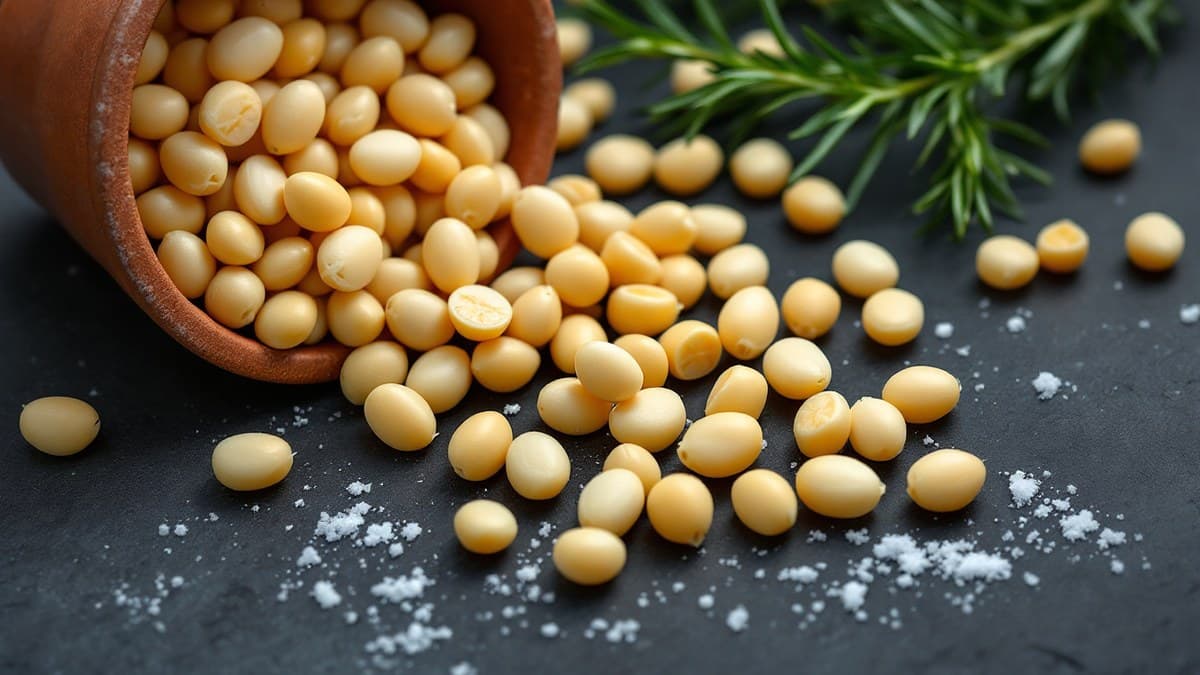
Lupini Beans Protein Content (2026): 13g Per 100 Calories, 4 Products Ranked
Cooked lupini beans deliver 15.6g of protein per 100g at 119 calories — 13.1g of protein per 100 calories — more than double the protein density of canned chickpeas (5.4g/100 cal) and comparable to beef jerky (13.8g/100 cal). Net carbs are substantially lower than most legumes: 12g per 100g versus 20g for canned chickpeas. Brami snack packs, Roland Foods jarred lupini, Cento jarred lupini, and USDA FoodData Central reference values ranked on protein, net carbs, and sodium. Verified October 2026.
Our top high-protein picks
Editor-selected and ready to buy. As an Amazon Associate we may earn from qualifying purchases.
 12g protein
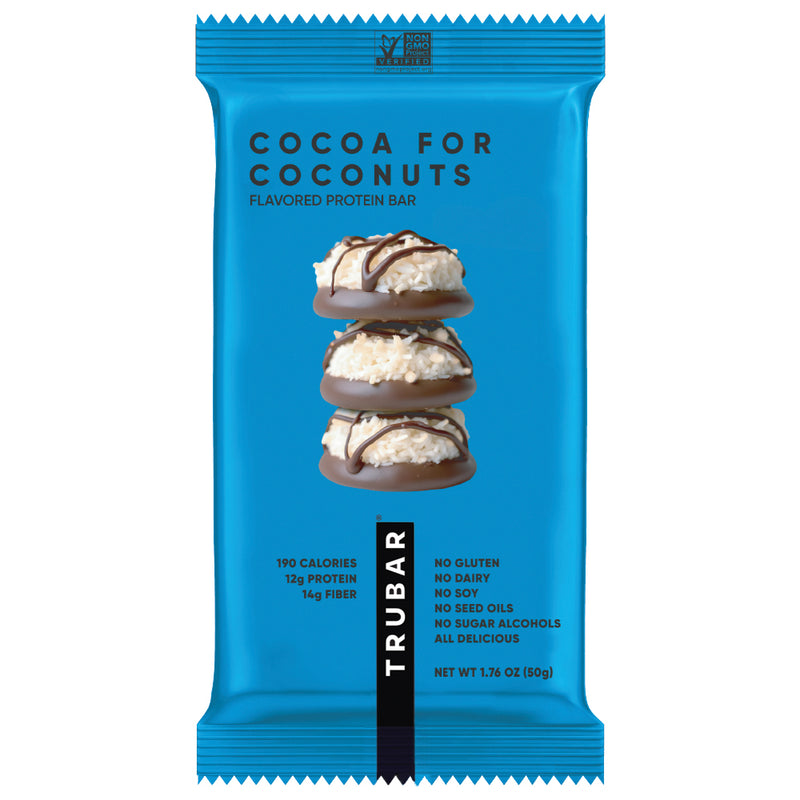
Cocoa for Coconuts TRUBAR Nutrition and Protein Bar
Amazon returns policy · secure checkout
 12g protein
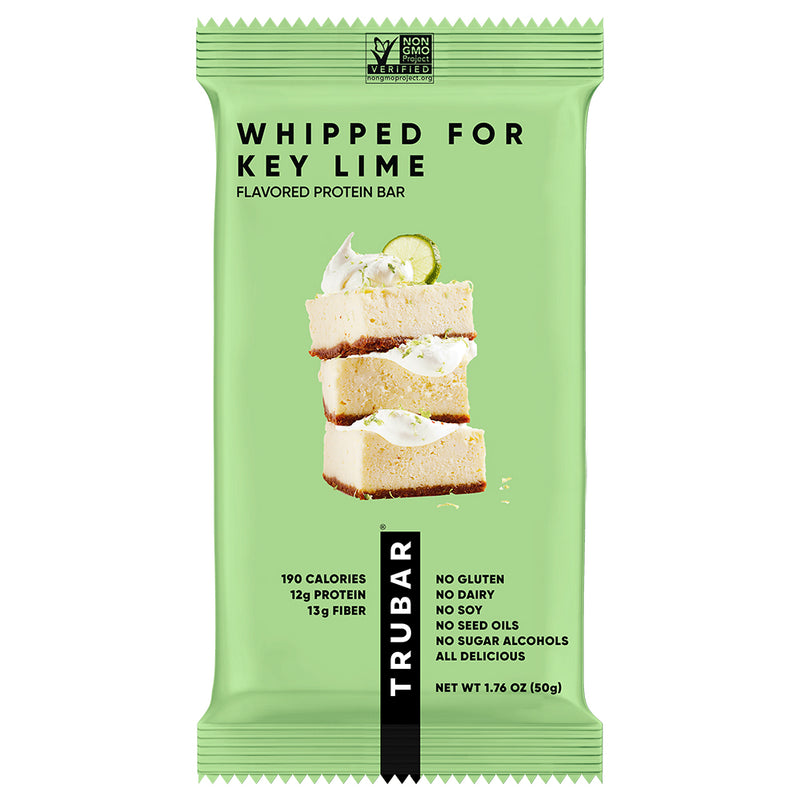
Whipped For Key Lime TRUBAR Nutrition and Protein Bar
Amazon returns policy · secure checkout
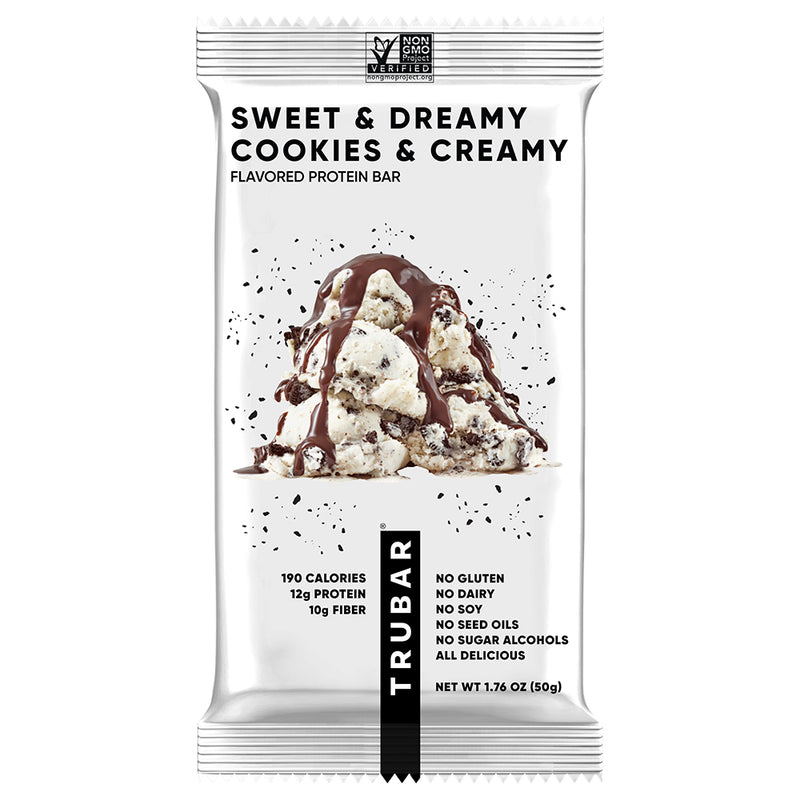 12g protein
Sweet & Dreamy, Cookies & Creamy
Amazon returns policy · secure checkout
The 30-second answer
Cooked lupini beans deliver 15.6g of protein per 100g at 119 calories — 13.1g of protein per 100 calories — more than double the protein density of canned chickpeas (5.4g/100 cal) and comparable to beef jerky (13.8g/100 cal). Net carbs are 12g per 100g, substantially lower than chickpeas (20g) or lentils (20g). Brami snack packs deliver about 10g of protein per 70-calorie serving with roughly 4g of net carbs. The protein quality is meaningfully better than most legumes: lupini beans score approximately 0.73 on the PDCAAS protein quality scale, versus 0.59 for chickpeas and 0.52 for lentils — the highest of any common legume except soy. Every figure comes from USDA FoodData Central and published brand labels, verified October 2026.
Lupini beans are the most protein-dense legume most people have never tracked on a nutrition label. They are a Mediterranean staple — sold brined in small cups at Italian and Portuguese delis, eaten as a traditional beer snack in southern Europe for centuries — and they are now showing up in US specialty grocery and online under Brami, the brand that made them a shelf-stable single-serve snack pack. The macros are genuinely unusual for a plant food: more protein per 100 calories than edamame, more complete amino acids than chickpeas, and substantially lower net carbs than most legumes. For a high-protein diet that includes plant sources, lupini beans compete with animal proteins on protein efficiency per calorie, not just per gram. Browse all high-protein snacks in the protein snacks directory.
Affiliate links — if you buy through them we earn a small commission at no extra cost to you. No brand paid for placement, and every nutrition figure comes from the manufacturer’s own published label or USDA FoodData Central.
Lupini Beans vs. Other High-Protein Snacks: Protein Per 100 Calories
| Food | Serving | Calories | Protein | Net Carbs | Protein / 100 cal |
|---|---|---|---|---|---|
| Lupini beans, cooked (USDA) | 100g | 119 | 15.6g | 12g | 13.1g |
| Beef jerky, plain (Jack Link’s) | 1 oz (28g) | 80 | 11g | 5g | 13.8g |
| Edamame, shelled, frozen (USDA) | 100g | 120 | 11.9g | 3g | 9.9g |
| String cheese, mozzarella | 1 stick (28g) | 72 | 7g | 1g | 9.7g |
| Chickpeas, canned, drained (USDA) | 100g | 164 | 8.9g | 20g | 5.4g |
| Roasted chickpea snacks (Biena) | 1 oz (28g) | 120 | 6g | 14g | 5.0g |
Protein per 100 calories = (protein ÷ calories) × 100. Net carbs = total carbohydrates minus dietary fiber. Lupini and edamame from USDA FoodData Central (entries 172459 and 11212). Chickpeas from USDA FoodData Central (173757). Jack Link’s from jacklinks.com. Biena from bienasnacks.com. All verified October 2026.
4 Products Ranked: 2026 Verified Nutrition Facts
All figures are per the stated serving size. Net carbs = total carbohydrates minus dietary fiber.
| Product | Serving | Calories | Protein | Net Carbs | Sodium | Protein / 100 cal |
|---|---|---|---|---|---|---|
| Brami Sea Salt & Vinegar snack pack | 1 pack (~60g) | 70 | 10g | 4g | 450mg | 14.3g |
| Cooked lupini beans, unsalted (USDA) | 100g | 119 | 15.6g | 12g | <5mg | 13.1g |
| Roland Foods lupini beans, jarred | ¼ cup (55g) | 65 | 8g | 5g | 560mg | 12.3g |
| Cento lupini beans, jarred | ¼ cup (55g) | 65 | 8g | 5g | 570mg | 12.3g |
Brami figures from brami.com published label. USDA reference from FoodData Central entry 172459 (lupini beans, mature seeds, cooked, boiled, without salt). Roland Foods from rolandfoods.com. Cento from centofinefood.com. Sodium in jarred products is from brining; rinsing under cold water reduces sodium by roughly 30–40% without affecting protein content. All verified October 2026.
Why Lupini Beans Have Better Protein Quality Than Most Legumes
The protein in most legumes is limited by methionine and tryptophan — two of the nine essential amino acids — which makes them incomplete compared to animal protein or soy. Lupini beans are different. Their amino acid profile is closer to soy than to chickpeas or lentils, and they score around 0.73 on the PDCAAS (Protein Digestibility Corrected Amino Acid Score) scale, versus 0.59 for chickpeas, 0.52 for lentils, and 1.00 for whey, egg white, and soy protein isolate.
In practice, lupini beans eaten alongside any methionine-containing food — grains, meat, dairy, eggs — effectively become complete protein, because those foods supply the limiting amino acids lupini runs short on. For a mixed diet, this matters most to vegans eating a high-plant-protein intake. For everyone else, the protein efficiency per calorie is the more relevant headline: 13g of protein per 100 calories is a number almost no other legume reaches.
Net Carbs: Why Lupini Beans Are Lower Than Other Legumes
The 12g net carbs per 100g (cooked) headline looks high until you compare it to the rest of the bean shelf. Canned chickpeas run 20g of net carbs per 100g. Red kidney beans run approximately 17g. Black beans run about 17g. Lentils run around 20g. Lupini beans are lower because a disproportionate share of their carbohydrate is fiber: the 16.6g of total carbs in 100g of cooked lupini includes 4.6g of fiber, and the beans are also lower in digestible starch than most legumes. This is why Brami markets them to the keto-adjacent audience despite lupini beans technically being a legume.
A single Brami pack (about 70 calories, 10g protein, 4g net carbs) fits into a moderate low-carb diet where most protein bars do not. Even jarred lupini at ¼ cup comes in around 5g of net carbs — lower per calorie than edamame, and well below chickpeas or lentils.
The Sodium Reality: Brined Means Salty
The main nutritional trade-off with lupini bean snacks is sodium. Brining preserves the beans and is central to the flavor, but it adds 450–570mg of sodium per serving for Brami and jarred versions — 20–25% of the FDA’s 2,300mg daily recommended limit in one snack. Unsalted cooked lupini beans (the USDA reference) have negligible sodium, but those require soaking and cooking at home.
The practical fix: rinse jarred lupini beans under cold water before eating. A 30–40 second rinse reduces sodium by roughly a third without changing the protein content. Brami packs are harder to rinse given their format — if sodium is a regular concern, jarred lupini with a pre-eat rinse is the lower-sodium option of the two.
Where to Buy Lupini Beans
Brami snack packs are at Whole Foods, Sprouts, Target, and Amazon. Roland Foods and Cento jarred lupini beans are at Italian specialty grocers, Mediterranean delis, and Amazon. Dry lupini beans for home cooking are available at Bob’s Red Mill and Latin or European grocery stores. The fresh-brined cups sold at Mediterranean and Italian delis — the traditional format — remain the most common commercial form outside of packaged snack products.
Frequently Asked Questions
How much protein is in lupini beans?
Cooked lupini beans (USDA reference, unsalted) contain 15.6g of protein per 100g at 119 calories — 13.1g of protein per 100 calories. A Brami snack pack (about 60g of brined beans) delivers approximately 10g of protein at 70 calories, or 14.3g per 100 calories. Jarred lupini beans (Roland Foods, Cento) at a ¼-cup serving run about 8g of protein at 65 calories, or 12.3g per 100 calories. All three formats exceed chickpeas (5.4g/100 cal) and edamame (9.9g/100 cal) on protein per calorie.
Are lupini beans keto?
Not strictly keto in large quantities — cooked lupini beans have about 12g of net carbs per 100g, which is lower than chickpeas (20g) or lentils (20g) but not negligible. A single Brami snack pack has about 4g of net carbs per serving, which fits into a moderate low-carb diet. Strict ketogenic diets (under 20g net carbs per day) would limit lupini beans to one small serving per day alongside other very-low-carb foods.
Are lupini beans a complete protein?
Not on their own, but closer to complete than most legumes. Lupini beans score approximately 0.73 on the PDCAAS protein quality scale, limited primarily by methionine — the same limiting amino acid as most plant proteins other than soy. Pairing with grains, meat, dairy, or eggs fills the gap and makes the combined protein effectively complete. For a vegan diet, eating lupini beans with rice, oats, or seeds covers the methionine shortfall. Their PDCAAS score of 0.73 compares favorably to chickpeas (0.59) and lentils (0.52), and approaches soy protein (1.00).
What do lupini beans taste like?
Mild, slightly bitter, and firm — similar to a lima bean but denser and less starchy. Traditional brined lupini are lightly salty from the brine. Brami adds savory seasonings (Sea Salt, Sea Salt & Vinegar, Garlic & Rosemary, Jalapeño Lime) that make them function like an intentional snack rather than a health obligation. The texture is firm enough to eat one at a time and holds up to chewing without becoming mushy.
Bottom line: lupini beans deliver 13–14g of protein per 100 calories with lower net carbs than any other mainstream legume — a nutritional profile that puts them in the same range as beef jerky and substantially ahead of edamame or roasted chickpeas on protein efficiency. Brami snack packs are the most convenient format at 10g of protein per 70-calorie pack, though the 450mg sodium per pack is worth noting for regular consumption. The protein quality is meaningfully better than chickpeas or lentils, and the amino acid gaps close in any mixed diet. For other high-protein legume-adjacent snacks see our guides to edamame snacks and roasted chickpea snacks, or browse the full protein snacks directory.
Shop our top high-protein picks
Editor-selected high-protein options related to this guide. As an Amazon Associate we may earn from qualifying purchases.
12g proteinCocoa for Coconuts TRUBAR Nutrition and Protein Bar
Amazon returns policy · secure checkout
12g proteinWhipped For Key Lime TRUBAR Nutrition and Protein Bar
Amazon returns policy · secure checkout
12g proteinSweet & Dreamy, Cookies & Creamy
Amazon returns policy · secure checkout
Tags
High Protein Snacks Pro Editorial Team
Independently researched and editorially reviewed. We compare real nutrition labels and never accept payment for coverage.
Get the best new protein snacks in your inbox
Weekly picks and honest reviews — no spam, unsubscribe anytime.
More from the journal
Sardines Protein Content (2026): 22–24g Per Can and One of the Best Protein-Per-Calorie Foods You Can Buy
A 3.75 oz can of sardines in water delivers 22g of protein at 100 calories — 22g of protein per 100 calories, the highest ratio of any shelf-stable packaged food that costs under $2. Sardines in olive oil deliver the same 22–24g of protein at 150–190 calories, adding omega-3 fat from both the fish and the oil. Verified 2026 nutrition facts for Crown Prince, Wild Planet, King Oscar, and Brunswick sardines, plus a direct comparison with canned tuna, tuna pouches, and protein bars.
Read more
Protein Bars Without Seed Oils (2026): 5 Picks Verified From the Ingredient List
We read the published ingredient statement for eleven best-selling protein bars. Atlas Real Food Salted Peanut Butter wins with 20g of protein in 220 calories and no oil on its label at all; Quest Chocolate Chip Cookie Dough quietly passes too at 21g in 200 calories. Barebells and think! both list sunflower oil, and DAVID’s “modified plant fat” turns out to be built from canola oil.
Read more
Best Nut-Free Protein Bars (2026): 5 Picks Ranked by Protein and Allergen Statement
The best nut-free protein bars in 2026, ranked by how strong each brand's nut-free guarantee actually is: Alio Choco Mint (15g protein, 170 calories, peanuts and tree nuts not processed in its facility), No Nuts! (12g, 190 calories, 'Made in a 100% NUT-FREE Facility' printed on the box) and 88 Acres (12g, dedicated bakery free of seven allergens). Every bar with a real nut-free facility behind it tops out at 15g of protein — here is why, and what to do instead.
Read more