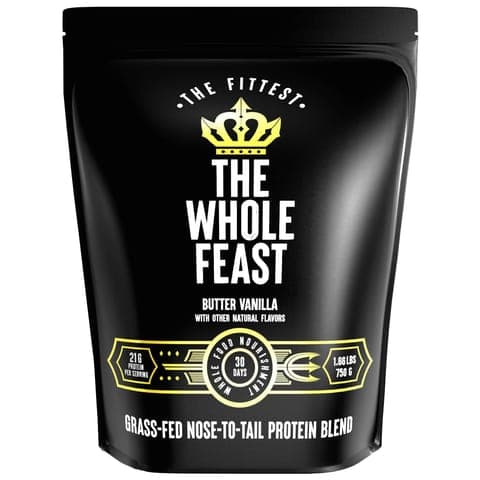
Best Dry Roasted Edamame Snacks (2026): Seapoint Farms Leads at 13g Protein Per Oz
Seapoint Farms Dry Roasted Edamame delivers 13g of protein and 0g of sugar per 1-oz serving at approximately 130 calories — more protein per ounce than almonds, cashews, or pumpkin seeds, and the most protein-dense shelf-stable plant snack at mainstream retail. Here are the best dry roasted and frozen edamame options ranked by protein density, how they compare to nuts, and what to watch on the label.

The short answer
Our top high-protein picks
Editor-selected and ready to buy. As an Amazon Associate we may earn from qualifying purchases.
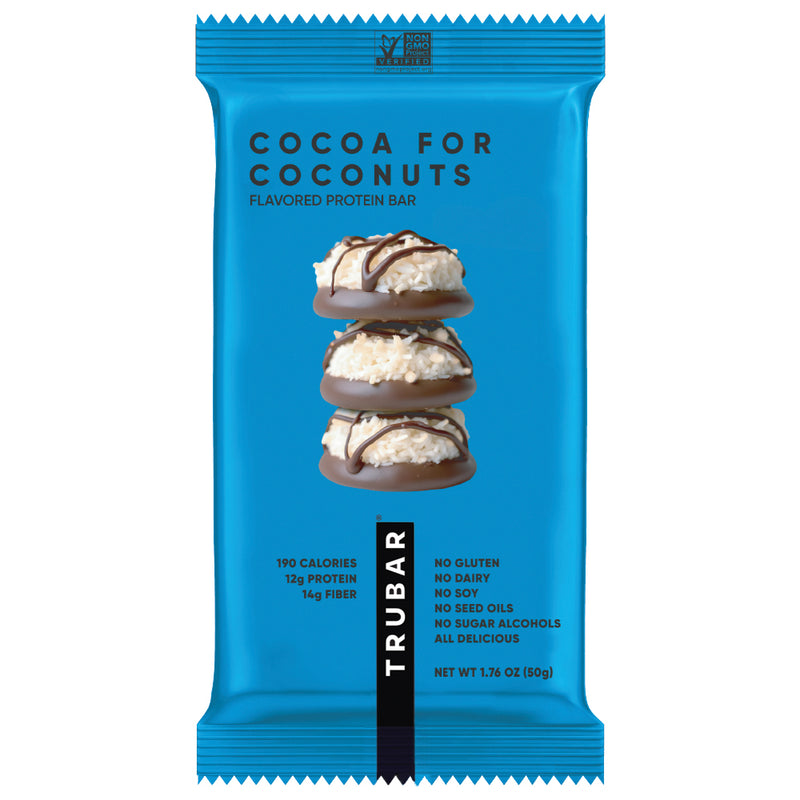 12g protein
Cocoa for Coconuts TRUBAR Nutrition and Protein Bar
Amazon returns policy · secure checkout
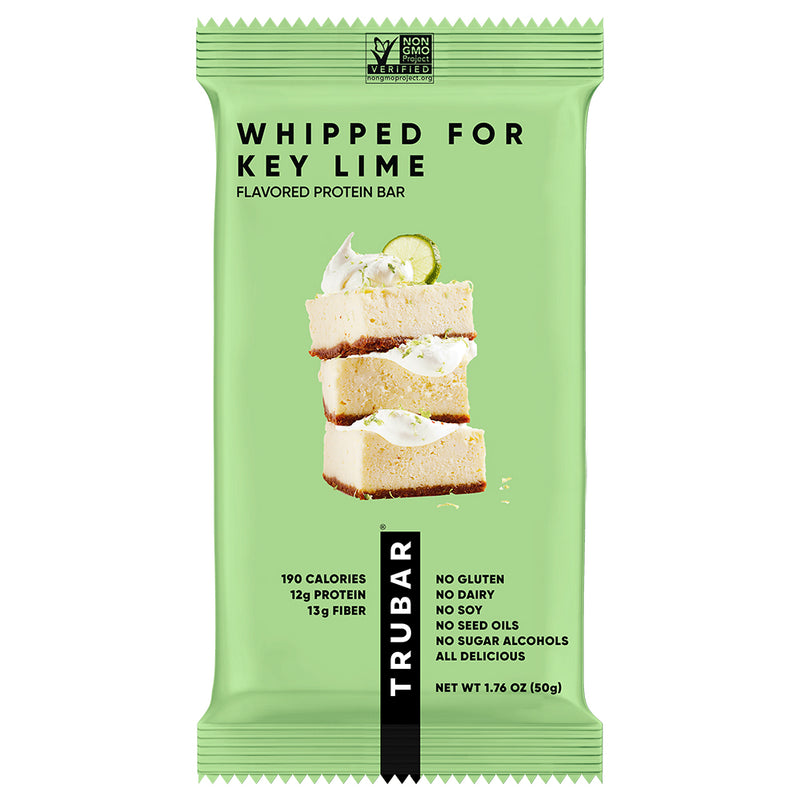 12g protein
Whipped For Key Lime TRUBAR Nutrition and Protein Bar
Amazon returns policy · secure checkout
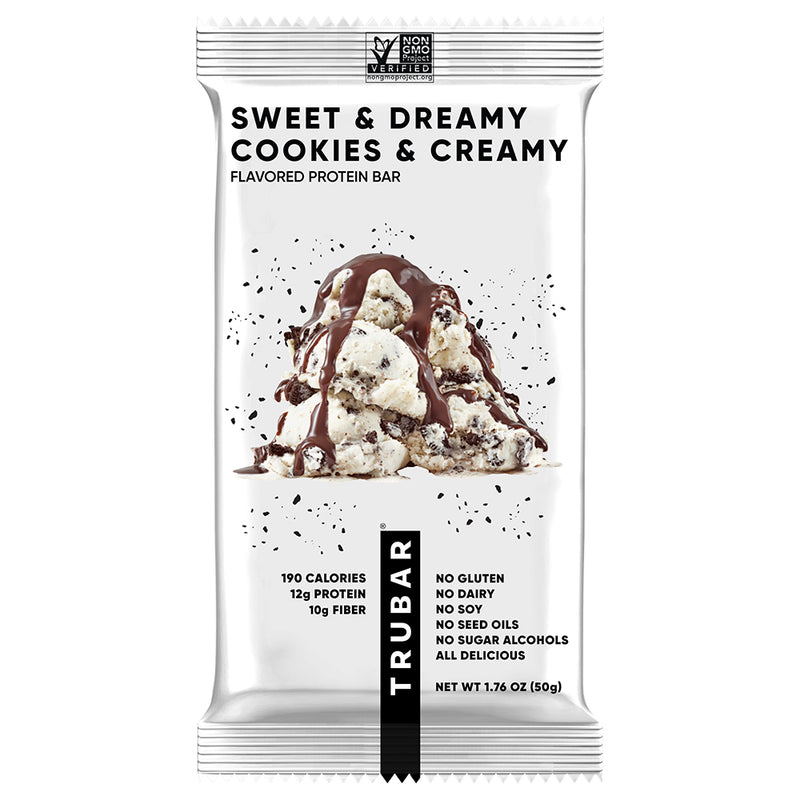 12g protein
Sweet & Dreamy, Cookies & Creamy
Amazon returns policy · secure checkout
Best Dry Roasted Edamame: Brand Comparison
All figures are per 1-oz (28g) serving unless noted. Verified from brand nutrition panels and USDA FoodData Central.
| Brand / Product | Protein | Calories | Carbs | Fat | Sugar | Notes |
|---|---|---|---|---|---|---|
| Seapoint Farms Dry Roasted Edamame (Original) | 13g | ~130 | 11g | 4g | 0g | Widest retail availability; lightly salted version also at 13g |
| Seapoint Farms Dry Roasted Edamame (Wasabi) | 13g | ~120 | 9g | 4g | 0g | Mild wasabi heat; same protein, slightly lower calories |
| Trader Joe’s Dry Roasted Edamame | ~14g | ~130 | ~10g | ~4g | 0g | Private label; competitive with Seapoint Farms |
| Good & Gather Dry Roasted Edamame (Target) | ~13g | ~130 | ~11g | ~4g | 0g | Target private label; widely available |
| Fresh steamed shelled edamame | ~9g per ½ cup | ~95 per ½ cup | ~8g | ~3g | 0g | Lower protein density; higher water content; best whole-food option |
Seapoint Farms is the dominant brand — it carries the longest shelf life (6–12 months sealed), the widest distribution (Target, Walmart, Whole Foods, Amazon), and consistent nutrition panels across production lots. The Wasabi flavor adds a mild heat from wasabi powder without changing the protein count or adding sugar. Both Original and Lightly Salted run at the same macros; sodium is roughly 85mg per oz for Lightly Salted versus higher for the Original depending on the seasoning applied.
Dry Roasted Edamame vs. Common Snack Nuts: Protein Per Ounce
| Snack (1 oz / 28g) | Protein | Calories | Protein per 100 cal | Sugar |
|---|---|---|---|---|
| Seapoint Farms Dry Roasted Edamame | 13g | ~130 | 10.0g | 0g |
| Pumpkin seeds (pepitas) | 9g | 158 | 5.7g | 0g |
| Peanuts (dry roasted) | 7g | 161 | 4.3g | 0g |
| Almonds | 6g | 164 | 3.7g | 0g |
| Pistachios (shelled) | 6g | 159 | 3.8g | 0g |
| Cashews | 5g | 157 | 3.2g | 0g |
| Walnuts | 4g | 185 | 2.2g | 0g |
At 13g of protein per ounce, dry roasted edamame delivers more than double the protein of most nuts at a comparable calorie count. The protein-per-100-calorie ratio of 10.0g is the relevant metric for people managing a calorie budget alongside a protein target — edamame wins that ratio easily over every nut in this comparison. Pumpkin seeds (9g per oz, 158 cal) are the closest competitor but still fall 30% behind edamame on protein with 20% more calories. Edamame also beats every nut on protein quality: soybeans are one of the few plant proteins that are nutritionally complete (all nine essential amino acids), while most nut proteins are limited in lysine or methionine.
Dry Roasted vs. Frozen Edamame: Which Is Better?
These are nutritionally similar but serve different use cases:
| Format | Protein (per oz) | Calories | Shelf life | Prep needed | Best use |
|---|---|---|---|---|---|
| Dry roasted (shelf-stable) | ~13g | ~130 | 6–12 months | None — ready to eat | Desk, travel, gym bag, hiking |
| Frozen shelled (cooked) | ~9g per ½ cup (~2.5 oz) | ~95 per ½ cup | 8–12 months frozen | Microwave 2–3 min | Home snacking, meal accompaniment |
| Frozen in pod | ~8g per ½ cup | ~90 per ½ cup | 8–12 months frozen | Boil or microwave, then shell | Social snacking, pods as natural portion control |
The key trade-off: dry roasted edamame is more protein-dense by weight (higher concentration via moisture removal) and requires zero preparation, while frozen edamame is a minimally processed whole food with higher water content and lower sodium. Both are complete protein sources. For portability and convenience, dry roasted wins. For a home side dish or a snack you want to prep in quantity, frozen shelled edamame is a better value per ounce of raw product.
What to Watch on the Label
- Flavored versions with added sugar: most dry roasted edamame is 0g sugar, but some honey-roasted and teriyaki varieties from smaller brands add 2–5g of sugar per oz. Seapoint Farms Wasabi is 0g sugar; their Savory Seasoned variety may differ — always check the label.
- Sodium: ranges from ~85mg (lightly salted) to ~300mg per oz for heavily seasoned flavors. If you are eating 2–3 servings at once, sodium adds up quickly.
- Serving size creep: a bag of dry roasted edamame is easy to overeat because the texture is satisfying and portion markers are not obvious. A 4-oz bag is four servings (52g protein total), not one. Pre-portioning into 1-oz amounts before snacking prevents the “I ate the whole bag” miscalculation.
- Non-GMO and organic claims: Seapoint Farms Original is certified non-GMO. The nutrition difference between conventional and organic versions is minimal — these are farming and certification distinctions, not macro differences.
Where to Buy Seapoint Farms Dry Roasted Edamame
Seapoint Farms is the most widely distributed dry roasted edamame brand at US retail:
- Target: most locations carry 4-oz and 8-oz bags
- Walmart: 4-oz and larger multi-packs
- Whole Foods Market: Original and Lightly Salted in the snack aisle
- Amazon: 12-pack and 24-pack cases for best per-bag price (~$2.50–$3.50 per bag versus $3.50–$5.00 at retail)
Retail price is typically $3.50–$5.00 for a 4-oz bag. Ordering cases on Amazon brings the per-bag cost down significantly, which is competitive with almonds and cheaper per gram of protein than most protein bars.
Edamame Protein Quality: Complete vs. Incomplete Proteins
Soybeans (and therefore edamame) are one of roughly four plant proteins considered nutritionally complete — alongside quinoa, buckwheat, and hemp seed. “Complete” means the protein contains all nine essential amino acids in sufficient quantities. This matters for muscle protein synthesis: leucine is the key trigger for the mTOR pathway that drives muscle building, and edamame contains meaningful leucine per ounce — lower than whey protein at the same gram count, but higher than most legumes and all tree nuts. For people avoiding animal protein, edamame is the most practical complete plant protein at a snack format — it does not require cooking a meal, weighing protein powder, or planning ahead.
Frequently Asked Questions
How much protein is in dry roasted edamame per serving?
Seapoint Farms Dry Roasted Edamame delivers approximately 13g of protein per 1-oz (28g) serving. If you eat a 4-oz bag in one sitting, that is approximately 52g of protein and 520 calories. Most single-snack targets are 1–1.5 oz (13–19g protein, 130–195 calories).
Is edamame a complete protein?
Yes. Soybeans (edamame) are one of the few plant foods classified as a complete protein, meaning they provide all nine essential amino acids. This is nutritionally significant: most plant proteins are low in at least one essential amino acid (lysine, methionine, or tryptophan), which limits their effectiveness for muscle protein synthesis. Edamame does not have this limitation, making it the strongest whole-food plant protein for people who do not eat meat or dairy.
How does dry roasted edamame compare to roasted chickpeas on protein?
Roasted chickpeas deliver approximately 6–7g of protein per 1-oz serving at 110–130 calories. Dry roasted edamame delivers 13g per oz at similar calories — nearly double the protein. Chickpeas are higher in carbohydrates (roughly 15–18g per oz) versus edamame’s 11g. If protein density is the priority, edamame wins clearly. See our best roasted chickpea snacks guide for full brand comparisons.
Does dry roasted edamame taste good?
Most people find Seapoint Farms Original and Lightly Salted to be mild, savory, and easy to eat. The texture is drier and crunchier than a nut. The Wasabi variety adds a clean heat without being overwhelming and is the most common first-convert flavor for people who find plain edamame too bland. Heavily seasoned flavors (Sea Salt & Vinegar, Sriracha from other brands) add sodium but can help if the natural flavor is not for you.
Is Seapoint Farms edamame non-GMO?
Yes. Seapoint Farms Dry Roasted Edamame is certified non-GMO. The brand also offers a USDA Certified Organic line at a slight price premium. The nutrition profile is essentially identical between conventional, non-GMO, and organic versions — the distinction reflects farming and certification standards, not measurable differences in protein or micronutrient content.
Bottom line: Seapoint Farms Dry Roasted Edamame is the clearest high-protein plant snack at US retail — 13g of complete protein per oz at approximately 130 calories with 0g of sugar and a 6–12 month shelf life. It outperforms every common snack nut on protein per ounce and protein per 100 calories, requires no preparation, and fits almost any snack budget. The only real management required is portion control. For more plant-based protein options, browse the protein snacks directory or see our high-protein trail mix guide where dry roasted edamame is the recommended protein anchor ingredient.
Shop our top high-protein picks
Editor-selected high-protein options related to this guide. As an Amazon Associate we may earn from qualifying purchases.
12g proteinCocoa for Coconuts TRUBAR Nutrition and Protein Bar
Amazon returns policy · secure checkout
12g proteinWhipped For Key Lime TRUBAR Nutrition and Protein Bar
Amazon returns policy · secure checkout
12g proteinSweet & Dreamy, Cookies & Creamy
Amazon returns policy · secure checkout
Tags
High Protein Snacks Pro Editorial Team
Independently researched and editorially reviewed. We compare real nutrition labels and never accept payment for coverage.
Get the best new protein snacks in your inbox
Weekly picks and honest reviews — no spam, unsubscribe anytime.
More from the journal
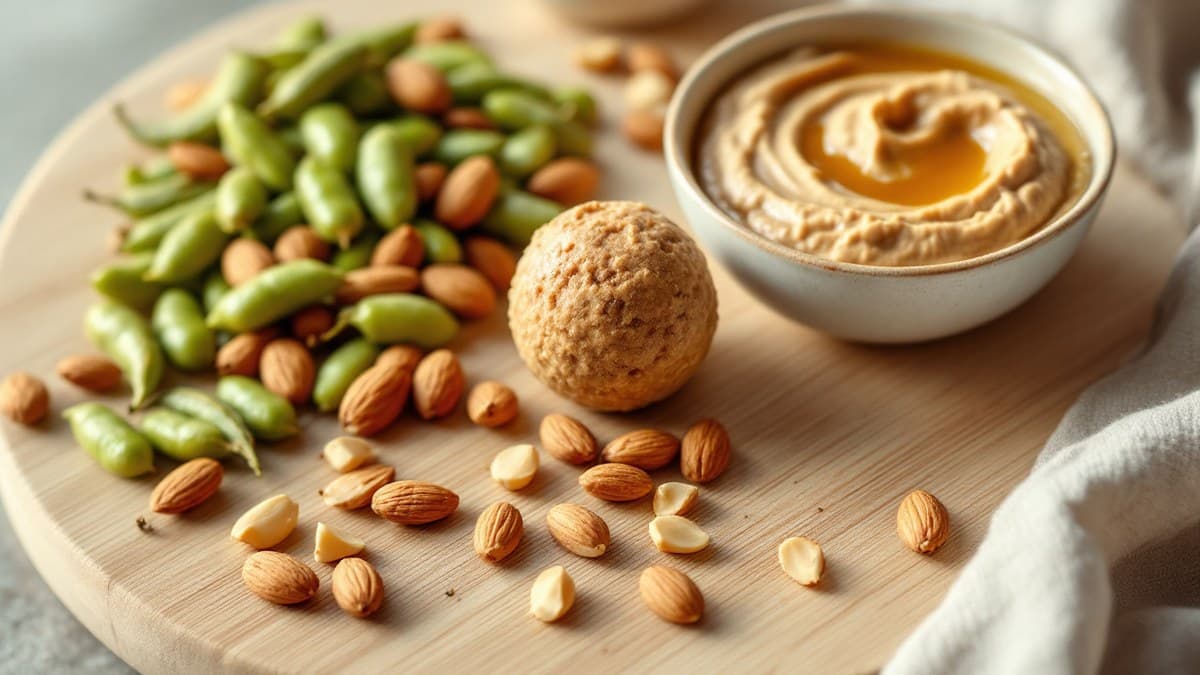
Best Vegan Protein Snacks (2026): No Cow Bar, Dry Edamame, and 5 More — Ranked by Protein Per Calorie With Verified Data
No Cow Protein Bar leads at 20g of plant protein for 190 calories — the best protein-per-calorie in a packaged vegan bar. Seapoint Farms Dry Roasted Edamame matches it whole-food style at 14g per ounce and 130 calories. ALOHA is the cleanest organic option at 14g with no sugar alcohols and no stevia. Seven verified vegan protein snacks ranked by protein per 100 calories, with honest trade-offs on each.
Read more
Best High-Protein Snacks at Safeway (2026): 6 Picks Ranked by Protein Density
Six high-protein snacks you can actually find at Safeway, ranked by protein-per-calorie. Top pick is FAGE Total 0% at 20g of protein per 100 calories — better than any protein bar on this list. Premier Protein and Oikos Triple Zero tie for second at 18.8g per 100 calories. Every number comes from the official Nutrition Facts panel, not a database average.
Read more
Chomps vs Epic Bar (2026): Protein, Ingredients, and Which Grass-Fed Meat Snack to Buy
Both Chomps and Epic deliver 10g of protein from 100% grass-fed beef — but they are not the same snack. Chomps Original is 100 calories with zero carbs and zero sugar; Epic Beef Sea Salt + Pepper is 130 calories with 3g of fiber and 590mg of sodium. Which you should buy depends on whether you prioritize calorie density or fiber. Verified 2026 nutrition data from official brand sources.
Read more