High Protein Snacks for Pregnancy: Safe Picks for Every Trimester
Safe, high-protein snacks for pregnancy that meet increased protein needs without common triggers like raw fish, excessive mercury, or unpasteurized dairy. Trimester-specific guidance with 7 verified picks.
The short answer
Our top high-protein picks
Editor-selected and ready to buy. As an Amazon Associate we may earn from qualifying purchases.
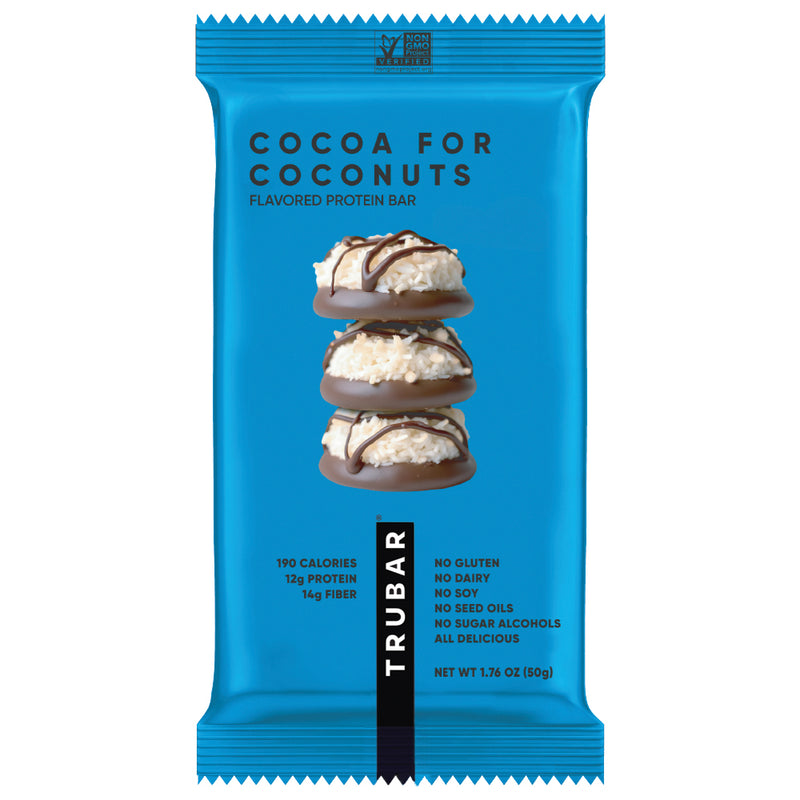 12g protein
Cocoa for Coconuts TRUBAR Nutrition and Protein Bar
Amazon returns policy · secure checkout
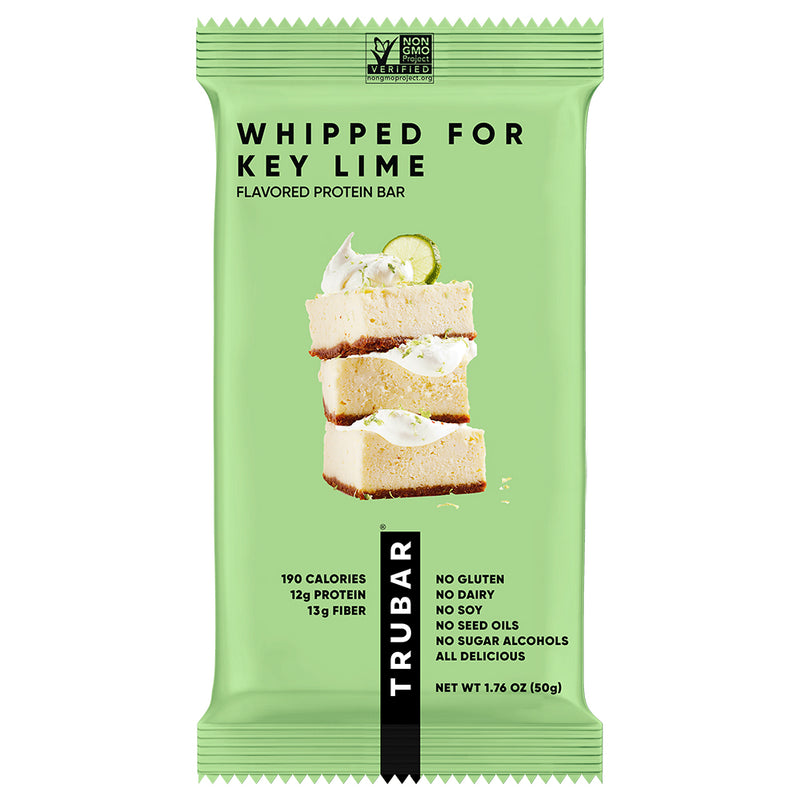 12g protein
Whipped For Key Lime TRUBAR Nutrition and Protein Bar
Amazon returns policy · secure checkout
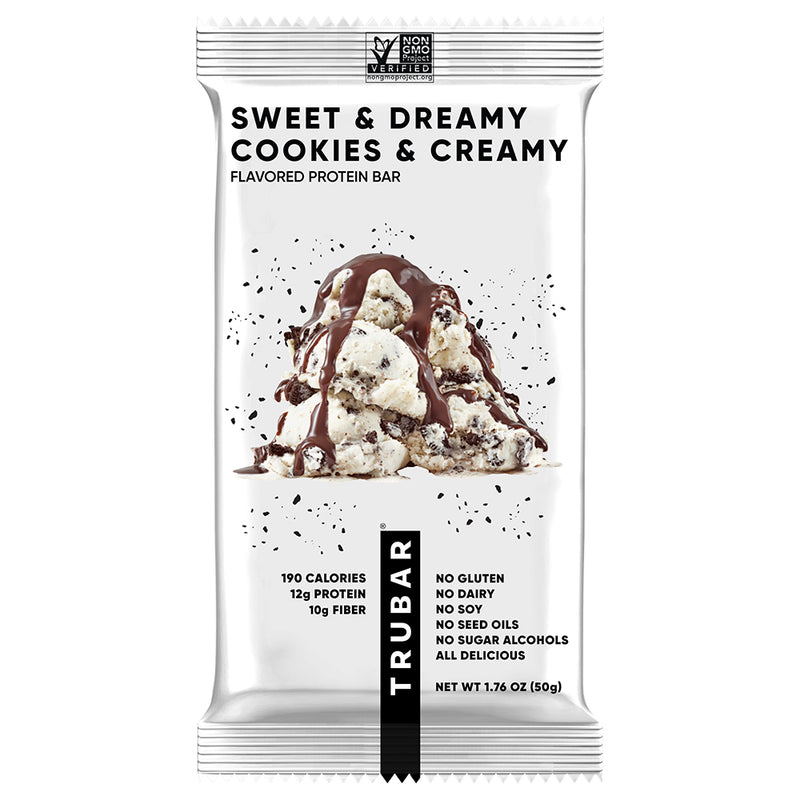 12g protein
Sweet & Dreamy, Cookies & Creamy
Amazon returns policy · secure checkout
Pregnancy Protein Snacks: Quick Comparison
| Snack | Serving | Protein | Calories | Best Trimester | Key Safety Note |
|---|---|---|---|---|---|
| Pasteurized Greek Yogurt (plain, nonfat) | 1 cup (227g) | 17g | 100 | All three | Must be pasteurized — check label |
| Hard-Boiled Eggs | 2 large eggs | 12g | 140 | All three | Cook until yolk is fully set |
| Almond Butter on Whole-Grain Toast | 2 tbsp + 1 slice | 10g | 250 | First (nausea-friendly) | None; excellent first-trimester choice |
| Canned Light Tuna Pouch | 1 pouch (2.6 oz) | 17g | 70 | Second & Third | Limit to 2–3 servings per week; avoid albacore |
| Pasteurized Cottage Cheese | 1/2 cup | 14g | 110 | All three | Must be pasteurized; avoid unpasteurized artisan versions |
| Edamame (frozen, shelled) | 1 cup (155g, cooked) | 17g | 190 | Second & Third | None; excellent folate and iron source |
| Premier Protein Chocolate Shake | 1 bottle (11.5 fl oz) | 30g | 160 | Third (high-demand) | Check for pasteurized milk protein; all major RTDs qualify |
First Trimester: Nausea-Friendly Protein (Weeks 1–13)
The first trimester challenge is not protein math — it is keeping food down. Nausea peaks between weeks 6 and 10 and typically worsens with strong smells, hot foods, and fatty textures. The most effective first-trimester protein strategy is small amounts eaten frequently, leaning on foods that are cool, bland, or dry rather than hot and aromatic.
Almond Butter on Whole-Grain Toast (10g protein, 250 calories)
The best first-trimester protein snack for most people with morning sickness. Toast is one of the few foods that reliably stays down during peak nausea; adding 2 tablespoons of almond butter brings 7g of protein from the nut butter plus 3g from the whole-grain slice. The combination provides slow-burning carbohydrates that help stabilize blood sugar, which reduces nausea frequency. Almond butter is interchangeable with peanut butter (also 7–8g protein per 2 tbsp) — choose whichever smell is tolerable on a given day.
Pasteurized Greek Yogurt (17g protein, 100 calories)
Cold Greek yogurt is well-tolerated during nausea because its texture and temperature reduce the odor cues that trigger nausea. Chobani, Fage Total 0%, Oikos, and Stonyfield are all pasteurized. Avoid any Greek yogurt labeled “raw,” “unpasteurized,” or sourced from a small-batch artisan producer without a clear pasteurization statement — Listeria can colonize unpasteurized dairy and is particularly dangerous in pregnancy. The plain nonfat versions carry the highest protein-to-calorie ratio; sweetened flavored versions add 15–20g of sugar per cup with no protein benefit.
Hard-Boiled Eggs (12g protein, 140 calories)
Two hard-boiled eggs deliver 12g of complete protein plus choline — a nutrient essential for fetal brain and spinal cord development that most prenatal vitamins severely under-deliver. The NIH recommends 450mg of choline daily during pregnancy; two eggs provide 294mg. Batch-cook a week’s supply on Sunday and refrigerate in their shells (they keep for up to 7 days). The only food-safety rule: yolks must be fully set. Soft-boiled or runny-yolk eggs carry a small Salmonella risk that is unacceptable during pregnancy. Peeled, pre-packaged hard-boiled eggs sold refrigerated (Vital Farms, Aldi) are fully cooked and safe.
Second Trimester: Building Reserves (Weeks 14–27)
Nausea typically eases in the second trimester and appetite returns. This is the optimal window to establish consistent protein habits before third-trimester appetite compression returns. The fetus is growing rapidly and maternal blood volume is expanding — both increase protein demand. Aim for 80g of total daily protein, distributed across meals and snacks.
Pasteurized Cottage Cheese (14g protein, 110 calories)
Cottage cheese provides 14g of predominantly casein protein per half cup — slow-digesting, which provides sustained amino acid release and reduces between-meal hunger. It is one of the richer calcium sources outside of Greek yogurt, delivering roughly 10% of daily calcium needs per serving. All major US brands (Daisy, Hood, Breakstone’s, Good Culture) are pasteurized. The food-safety caution applies to farmer’s market and artisan cottage cheese, which may be made from raw milk. Good Culture and Nancy’s add live probiotic cultures, which support gut health without compromising safety.
Canned Light Tuna Pouch (17g protein, 70 calories)
Light tuna (skipjack species) is one of the leanest portable protein sources available, with 17g of protein at 70 calories per 2.6oz pouch. The FDA and EPA specifically list light canned tuna as a “best choice” fish during pregnancy — limit to 2–3 servings per week. Albacore (“white”) tuna has higher mercury levels and should be limited to 1 serving per week. Avoid these species entirely: swordfish, king mackerel, shark, orange roughy, marlin, bigeye tuna, and tilefish. StarKist and Bumble Bee light tuna pouches are convenient and shelf-stable.
Edamame (17g protein, 190 calories)
One cup of shelled, cooked edamame delivers 17g of complete soy protein with 8g of fiber, 99mg of folate (25% of daily pregnancy needs), and 3.5mg of non-heme iron. Frozen edamame is sold shelled and pre-cooked — microwave for 3 minutes and season lightly. It is the only plant-based snack on this list that provides a full complement of essential amino acids without combining with another protein source. Edamame is a particularly smart pick in the second trimester when folate needs remain elevated and constipation often begins (the fiber helps both).
Third Trimester: Maximum Protein, Smaller Portions (Weeks 28–40)
The third trimester brings the highest protein requirement alongside the most restricted stomach capacity. As the uterus grows, it compresses the stomach, making large meals uncomfortable and frequent small snacks a practical necessity rather than a preference. The goal is protein density — the most grams of protein per calorie and per volume of food.
Premier Protein Chocolate Shake (30g protein, 160 calories)
The single highest-protein packaged snack available at standard retail, with 30g per 11.5 fl oz bottle at 160 calories. For anyone in the third trimester who is struggling to eat enough protein through whole foods due to stomach compression or appetite fatigue, a ready-to-drink shake fills the gap efficiently. The milk protein concentrate in Premier Protein is pasteurized. Fairlife Nutrition Plan shakes (30g protein, 150 calories) are a comparable alternative with ultra-filtered milk protein. Both are widely available at Walmart, Target, and Costco in multipacks. See the full Premier Protein nutrition guide for all flavors and macro comparisons.
Pasteurized Greek Yogurt + Hard-Boiled Egg (23g protein, 240 calories combined)
Pairing one cup of plain nonfat Greek yogurt with two hard-boiled eggs creates a 23g protein snack in a modest calorie envelope. This combination covers both whey and casein (from the yogurt) and whole-egg protein (the eggs), providing a broad amino acid spectrum. It also delivers calcium, choline, and probiotics in a single sitting — a genuinely complete prenatal snack rather than just a protein vehicle.
Food Safety: The Four Rules That Do Not Change By Trimester
- No unpasteurized dairy. Raw milk, artisan soft cheeses (brie, camembert, queso fresco, feta from an unknown source), and unpasteurized yogurt carry Listeria monocytogenes risk. Listeria infection during pregnancy can cause miscarriage, premature birth, or stillbirth. Pasteurization neutralizes it. All dairy labeled with a USDA Grade A seal is pasteurized.
- No high-mercury fish. Mercury crosses the placenta and accumulates in fetal neural tissue. Avoid: swordfish, king mackerel, shark, orange roughy, bigeye tuna, marlin, tilefish. Safe: salmon, canned light tuna (2–3/week), shrimp, cod, tilapia, catfish, sardines.
- No raw or undercooked protein. Fully cook all meat and poultry to FDA minimum internal temperatures. Eggs must have fully set yolks. No sushi with raw fish, no steak tartare, no ceviche made with fish cured only in acid.
- Deli meat only if heated. Refrigerated ready-to-eat deli meats (turkey, ham, salami) can carry Listeria. Heat to steaming before eating, or choose shelf-stable canned meat instead.
How Much Protein Does Pregnancy Actually Require?
The RDA for protein in pregnancy is 71g per day, a 25g increase over the non-pregnant baseline of 46g. Many clinicians and sports dietitians recommend 80–100g for pregnant people who were active before pregnancy or who are carrying multiples. A practical way to distribute this is 20–25g at each of three meals plus one or two snacks of 12–17g each. The seven snacks in this guide are sized to fit that framework.
Shopping and Prep Tips
Batch-prep a protein snack station in the fridge at the start of each week: yogurt cups portioned into small containers, a bowl of pre-boiled eggs in their shells, individual edamame bags, and a few tuna pouches on the shelf. First-trimester nausea makes any cooking feel impossible, so grab-and-go wins by a wide margin.
- Check the pasteurization label on every dairy product, especially cottage cheese and soft fresh cheeses bought at farmer’s markets or specialty grocers.
- Keep light tuna pouches rather than cans — no can opener required, no leftovers to store, and they fit in a bag or desk drawer.
- Refrigerate Premier Protein or Fairlife shakes overnight so they are cold and ready in the morning, which also makes them easier to tolerate if nausea is an issue.
- Hard-boil a dozen eggs on Sunday and refrigerate in their shells. Label the date — they keep for 7 days unpeeled, 5 days peeled in a sealed container of water.
Frequently Asked Questions
How much protein do you need per day during pregnancy?
The ACOG recommends at least 70g per day, with the RDA set at 71g. Many prenatal nutrition providers target 80–100g daily in the second and third trimesters when fetal growth is fastest. Distributing that across three meals (20–25g each) and two snacks (12–17g each) is more effective than trying to hit the target with meals alone.
Is Greek yogurt safe during pregnancy?
Yes, as long as it is pasteurized. All nationally distributed Greek yogurt brands (Chobani, Fage, Oikos, Stonyfield, Two Good) are pasteurized. Avoid artisan or small-batch Greek yogurt at farmer’s markets unless it explicitly states pasteurization. Plain nonfat varieties provide the highest protein-to-calorie ratio and avoid added sugars.
Is canned tuna safe to eat during pregnancy?
Canned light tuna (skipjack) is on the FDA’s “best choices” list and can be eaten 2–3 times per week during pregnancy. Canned albacore (“white”) tuna has higher mercury and should be limited to once per week. Avoid canned bigeye tuna. StarKist and Bumble Bee light tuna products in pouches are convenient and clearly labeled.
Can you eat protein bars during pregnancy?
Most protein bars are safe, with two things to check: the dairy ingredients should come from pasteurized sources (all major US brands use pasteurized milk protein), and artificial sweetener-heavy bars (those relying on sucralose, acesulfame-K, or aspartame) have limited safety research in pregnancy. RXBAR, which uses egg whites and dates with no artificial sweeteners, is a well-tolerated option. Quest and similar bars with heavy sugar-alcohol loads may cause GI distress, which is already elevated in pregnancy.
What high-protein snacks help with pregnancy nausea?
Cold, bland, dry foods tolerate nausea best. Almond butter on toast, cold Greek yogurt, cold hard-boiled eggs, and plain crackers with nut butter are the most consistently tolerated. Avoid hot, strongly aromatic foods — even foods that are normally pleasant (bacon, coffee) can trigger nausea during the first trimester. Small portions eaten every 2–3 hours prevent the empty stomach that makes nausea worse.
Are protein shakes safe during pregnancy?
Ready-to-drink protein shakes using pasteurized milk protein (Premier Protein, Fairlife Nutrition Plan, Orgain) are safe during pregnancy. Avoid shakes with large doses of vitamins A (retinol form), herbal extracts, proprietary “performance” blends, or stimulants. Protein powder mixed with milk or yogurt is also safe; check that any protein powder does not contain herbal additives or unverified supplement ingredients.
Bottom line: plain pasteurized Greek yogurt is the single best daily protein anchor for all three trimesters — 17g of protein, strong calcium, and zero food-safety risk when store-bought. Add hard-boiled eggs for choline, light tuna pouches for lean portable protein in the second trimester, and a ready-to-drink shake in the third trimester when stomach capacity shrinks. For yogurt comparisons, see Best Greek Yogurt Brands Ranked by Protein Content. Want a crunchy, savory option instead? See our best protein chips for pregnancy picks. Browse more options in the protein snacks directory.
Shop our top high-protein picks
Editor-selected high-protein options related to this guide. As an Amazon Associate we may earn from qualifying purchases.
12g proteinCocoa for Coconuts TRUBAR Nutrition and Protein Bar
Amazon returns policy · secure checkout
12g proteinWhipped For Key Lime TRUBAR Nutrition and Protein Bar
Amazon returns policy · secure checkout
12g proteinSweet & Dreamy, Cookies & Creamy
Amazon returns policy · secure checkout
Tags
High Protein Snacks Pro Editorial Team
Independently researched and editorially reviewed. We compare real nutrition labels and never accept payment for coverage.
Get the best new protein snacks in your inbox
Weekly picks and honest reviews — no spam, unsubscribe anytime.
More from the journal
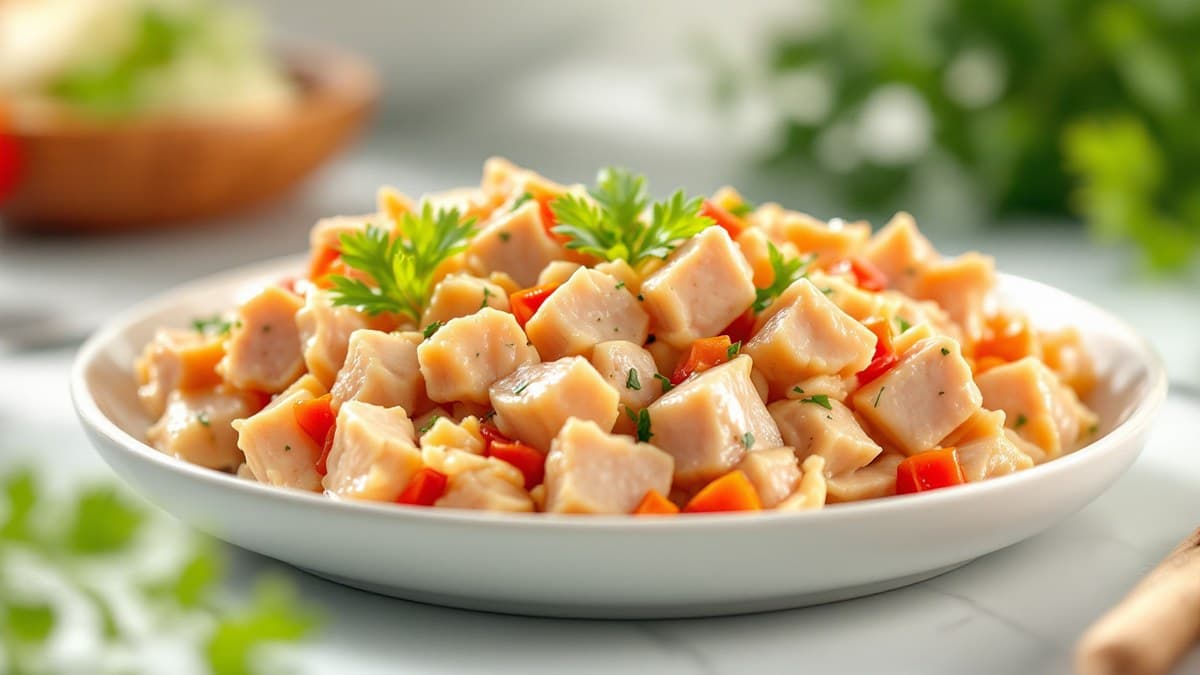
StarKist Tuna Creations Nutrition Facts (2026): 17g Protein Per Pouch, All Flavors Compared
One 2.6oz StarKist Tuna Creations pouch delivers 17g of protein at 80–90 calories with 0–1g of fat. Verified 2026 nutrition facts for every flavor, a direct comparison with Bumble Bee and Chicken of the Sea pouches, and a practical guide to the highest-protein flavors in the lineup.
Read more
String Cheese Protein: How Much Is in Each Stick? 4 Brands Compared (2026)
A standard string cheese stick (28g) delivers 6–7g of protein at 80–90 calories — roughly 8–9g of protein per 100 calories, which beats most crackers and granola bars. We pulled Nutrition Facts from four major brands (Sargento, Polly-O/BelGioioso, Frigo CheeseHeads, Organic Valley) and ranked them by protein density, sodium, fat, and cost.
Read more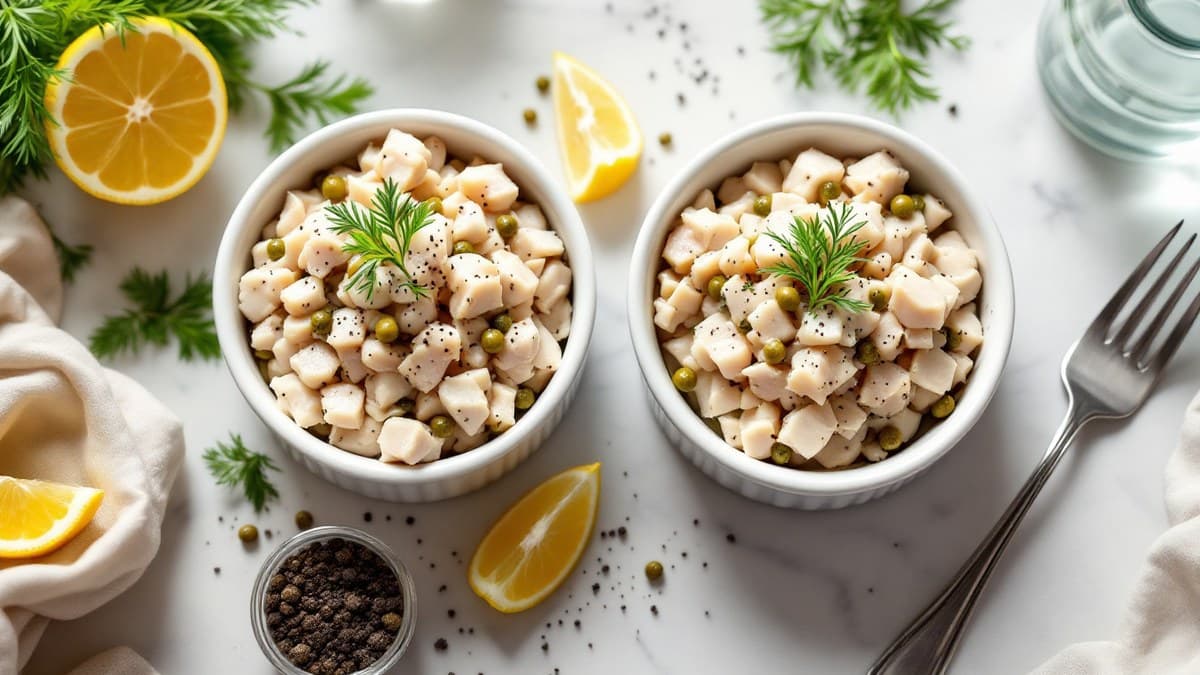
Best Canned Tuna for Protein 2026: Chunk Light vs Albacore, Ranked
Chunk light tuna delivers 22g of protein at 100 calories per 3 oz serving -- more protein per calorie than any mainstream protein bar. A 2.6 oz no-drain pouch is one of the most convenient shelf-stable protein snacks available. StarKist, Wild Planet, Safe Catch, and Bumble Bee compared on protein, value, and mercury.
Read more