MusclePharm Combat Crunch Protein Bar Nutrition Facts (2026)
MusclePharm Combat Crunch bars deliver 20g of protein from a whey and milk isolate blend per 63g baked bar, with 12g of fiber and 5g of sugar at 210 calories across most flavors. Verified 2026 nutrition data for all core flavors, a full macro breakdown, and an honest comparison with Quest and think! at the same protein count.
Our top protein bar picks
Editor-selected and ready to buy. As an Amazon Associate we may earn from qualifying purchases.
 28g protein
 12g protein
Chocolate Lovers & Fruit Lovers (24 Bars)
Amazon returns policy · secure checkout
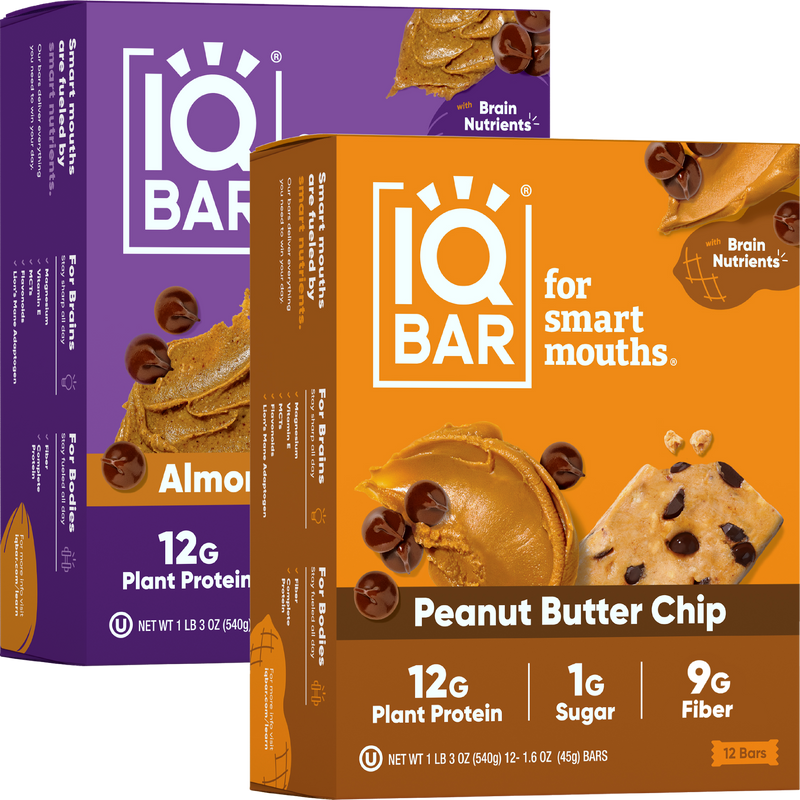 12g protein
Almond Butter Chip & Peanut Butter Chip (24 Bars)
Amazon returns policy · secure checkout
Combat Crunch is MusclePharm’s flagship protein bar, built around a baked texture that more closely resembles a dense cookie than a conventional protein bar. Each 63g bar delivers 20g of protein from a whey protein isolate and milk protein isolate blend, 12g of fiber, and 5g of sugar across most flavors at 210 calories. The sweetener blend — erythritol, stevia, and sucralose — avoids acesulfame-K and maltitol, making Combat Crunch a cleaner erythritol-based option than many bars in its price range. This guide covers the full macro breakdown for every core flavor, verified against multiple retailer sources.
Combat Crunch Protein Bar Nutrition Facts: All Flavors
All values are per 63g (2.22 oz) bar. Most flavors share the same macro profile; Chocolate Peanut Butter Cup is the outlier with more fat and less fiber.
| Flavor | Calories | Protein | Total Fat | Fiber | Sugar |
|---|---|---|---|---|---|
| Chocolate Chip Cookie Dough | 210 | 20g | 7g | 12g | 5g |
| Cinnamon Twist | 210 | 20g | 7g | 12g | 5g |
| Cookies & Cream | 210 | 20g | 7g | 12g | 5g |
| Peanut Butter Lovers | 210 | 20g | 7g | 12g | 5g |
| Chocolate Peanut Butter Cup | 230 | 20g | 9g | 5g | ~6g |
Data sourced from Walmart, iHerb, FatSecret, and EatThisMuch. MusclePharm reformulates flavors periodically; verify the current label on the bar you purchase.
Full Macros: Chocolate Chip Cookie Dough
The most widely distributed flavor, confirmed across multiple retailer sources. All values per 63g bar.
| Total Fat | 7g |
| Saturated Fat | 4g |
| Trans Fat | 0g |
| Cholesterol | 39mg |
| Sodium | 459mg |
| Total Carbohydrates | 25g |
| Dietary Fiber | 12g |
| Total Sugars | 5g |
| Protein | 20g |
One note on sodium: at 459mg per bar, Combat Crunch runs higher than most competitors in this category (Quest runs ~200–250mg; think! runs ~200mg). For most people eating one bar per day it is not a meaningful concern, but it is the bar’s most notable macro trade-off relative to Quest.
The Chocolate Peanut Butter Cup Outlier
The Chocolate Peanut Butter Cup flavor breaks the otherwise consistent macro pattern. At 230 calories and 9g of fat, it runs 20 more calories and 2g more fat than the core lineup — both from real peanut butter content. More significantly, it drops from 12g to 5g of fiber, reducing satiety and increasing net carbs. If you are choosing Combat Crunch specifically for its high-fiber profile, stick to the core lineup flavors.
What’s in the Protein Blend?
Combat Crunch uses a two-source dairy protein blend: whey protein isolate and milk protein isolate. Both are highly digestible and leucine-rich. Whey protein isolate is typically 90%+ protein by weight with minimal lactose; milk protein isolate provides a blend of fast-digesting whey fractions and slower-digesting casein, which extends amino acid availability slightly compared to pure whey. The combination works well for both post-workout recovery and between-meal protein.
Unlike plant-based bars, Combat Crunch is not suitable for vegans or those with dairy allergies. It does carry a gluten-free certification.
Sweetener System: Erythritol, Stevia, and Sucralose
Combat Crunch uses a three-part sweetener blend that avoids the two sweeteners most likely to concern informed buyers:
- Erythritol: A sugar alcohol with near-zero glycemic index, absorbed in the small intestine before gut fermentation. At typical doses it causes far less GI distress than maltitol (used in Barebells, ONE Bar, Pure Protein).
- Stevia: A plant-derived non-caloric sweetener with no glycemic impact, used to reduce the cooling aftertaste erythritol can produce on its own.
- Sucralose: A synthetic zero-calorie sweetener used in small amounts. If you avoid all synthetic sweeteners, Combat Crunch is not a fully clean option — Kirkland Signature Protein Bar is one of the few mass-market alternatives at 20g protein with no sucralose or Ace-K.
Notably absent: acesulfame potassium (Ace-K). Many bars using sucralose also blend in Ace-K (Premier Protein, Fairlife, some Quest flavors). Combat Crunch does not.
Combat Crunch vs. Quest vs. think! High Protein
All three bars target the same buyer: 20g protein, low-sugar, widely available. Here is how they differ on the metrics that matter most:
| Combat Crunch (Choc Chip) | Quest (Chocolate Chip) | think! High Protein | |
|---|---|---|---|
| Bar weight | 63g | 60g | 60g |
| Calories | 210 | 170–190 | 230 |
| Protein | 20g | 20g | 20g |
| Fiber | 12g | 14g | 1g |
| Sugar | 5g | 1g | 0g |
| Sweetener | Erythritol + stevia + sucralose | Erythritol + sucralose | Maltitol syrup |
| Sodium | 459mg | ~210mg | ~200mg |
| Texture | Baked / cookie-like | Soft chew | Standard protein bar |
Quest wins on calories, fiber, sugar, and sodium. Combat Crunch wins on texture — the baked cookie format is its primary differentiator, and for buyers who find Quest’s soft-chew texture off-putting, Combat Crunch is the most direct alternative at the same protein count. think! uses maltitol (glycemic index ~35–52), which makes Combat Crunch the better choice for blood-glucose-conscious buyers despite think!’s zero-sugar label. See our think! protein bar nutrition guide for the full breakdown on that comparison.
Where to Buy and What to Pay
Combat Crunch bars are sold at Walmart, Target, GNC, Vitamin Shoppe, Amazon, and most major grocery and drug store chains. A 12-count box on Amazon typically runs $24–$30 ($2.00–$2.50/bar). Single bars at GNC and Vitamin Shoppe retail at $2.49–$2.99. Walmart stocks Chocolate Chip Cookie Dough and Cinnamon Twist at the lowest single-bar price ($1.98–$2.29 in most markets).
MusclePharm Combat Crunch
20g protein · 210 cal · 12g fiber · 5g sugar · baked texture · gluten-free · 63g bar
Check price on Amazon →Frequently Asked Questions
How much protein is in a Combat Crunch bar?
Each 63g (2.22 oz) Combat Crunch bar contains 20g of protein from a whey protein isolate and milk protein isolate blend. All flavors deliver 20g; calorie and fat content vary slightly, with the Chocolate Peanut Butter Cup at 230 calories versus 210 for the core lineup.
Is Combat Crunch bar baked?
Yes. Combat Crunch bars are baked, giving them a denser, cookie-like texture rather than the soft or gummy chew of most protein bars. The baked format is the bar’s primary selling point for buyers who find conventional protein bar textures unpleasant.
Does Combat Crunch use maltitol?
No. Combat Crunch uses erythritol, stevia, and sucralose. It does not use maltitol or acesulfame potassium. This makes it a better choice for blood-glucose-conscious buyers than bars sweetened with maltitol — Barebells, ONE Bar, think!, Pure Protein, and Grenade all use maltitol, which has a glycemic index of roughly 35–52 versus near-zero for erythritol.
Is Combat Crunch gluten-free?
Yes, Combat Crunch is certified gluten-free. It is not vegan or dairy-free — it contains whey and milk protein isolates — so it is not suitable for lactose-intolerant buyers who react to dairy proteins.
How does Combat Crunch compare to Quest bars?
Both deliver 20g of protein. Quest runs lower on calories (170–190 vs. 210), higher on fiber (14g vs. 12g), lower on sugar (1g vs. 5g), and lower on sodium (~210mg vs. 459mg). Combat Crunch wins on texture: its baked cookie-like format is the main reason buyers choose it over Quest despite Quest’s better macros on paper.
Bottom line: Combat Crunch delivers 20g of protein from a quality whey-and-milk isolate blend, 12g of fiber, and 5g of sugar at 210 calories per 63g bar — competitive macros with a genuinely different eating experience. The baked texture is the bar’s standout feature: if you find most protein bars too gummy or chewy, Combat Crunch is one of the few options at this protein count that eats like an actual baked good. The trade-offs versus Quest are real: 20–40 more calories, 2g less fiber, 4g more sugar, and notably more sodium (459mg vs. ~210mg). The erythritol-based sweetener system avoids maltitol’s glycemic impact, making it a better choice than think! or Barebells for blood-glucose-conscious buyers. Browse the full protein bar landscape in our best protein bars 2026 guide or explore the protein snacks directory.
Shop our top protein bar picks
Editor-selected high-protein options related to this guide. As an Amazon Associate we may earn from qualifying purchases.
28g protein12g proteinChocolate Lovers & Fruit Lovers (24 Bars)
Amazon returns policy · secure checkout
12g proteinAlmond Butter Chip & Peanut Butter Chip (24 Bars)
Amazon returns policy · secure checkout
Tags
High Protein Snacks Pro Editorial Team
Independently researched and editorially reviewed. We compare real nutrition labels and never accept payment for coverage.
Get the best new protein snacks in your inbox
Weekly picks and honest reviews — no spam, unsubscribe anytime.
More from the journal
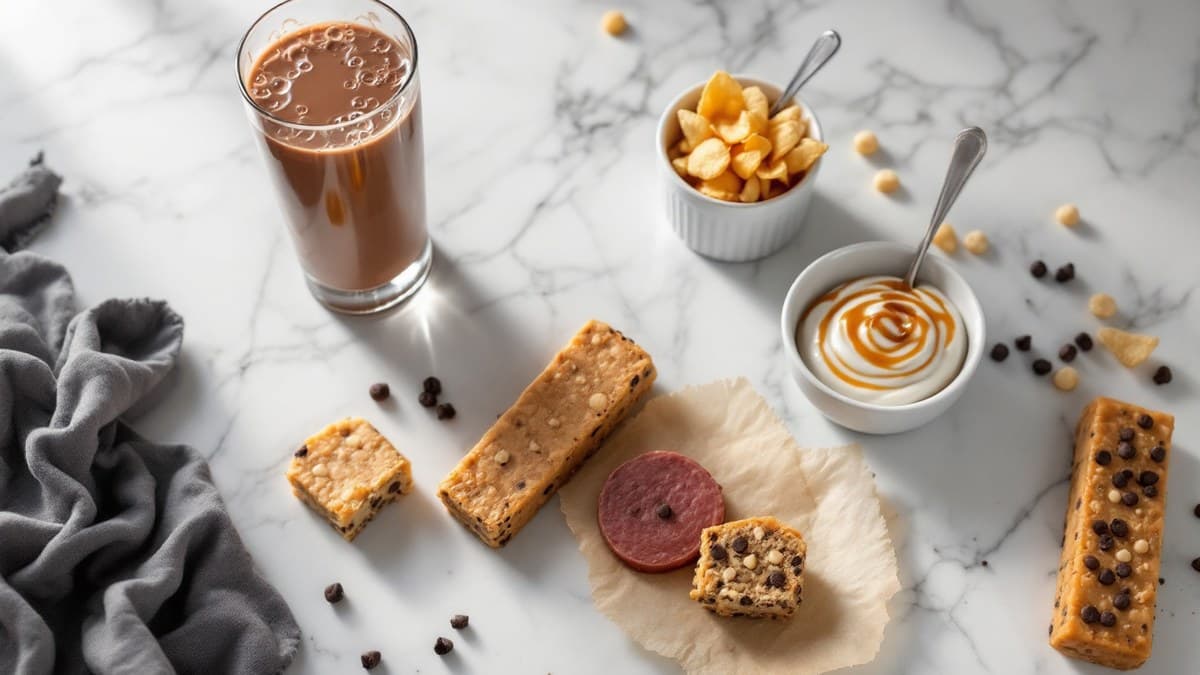
Best High-Protein Snacks at Meijer (2026): 6 Picks With Verified Nutrition, Ranked by Protein Per 100 Calories
Fairlife Core Power Elite leads Meijer's cooler at 42g of protein for 230 calories per 14 fl oz bottle — 18.3g per 100 calories, the highest protein-per-calorie ratio in the Meijer cooler. Quest Protein Chips Ranch is the top crunchy pick at 19g protein per 1.125 oz bag (13.6g per 100 cal). Quest Bar Chocolate Chip Cookie Dough leads bars at 21g protein for 170 calories with 19g of fiber. All 6 picks are verified from each brand's 2026 published nutrition panel with typical Meijer pricing.
Read more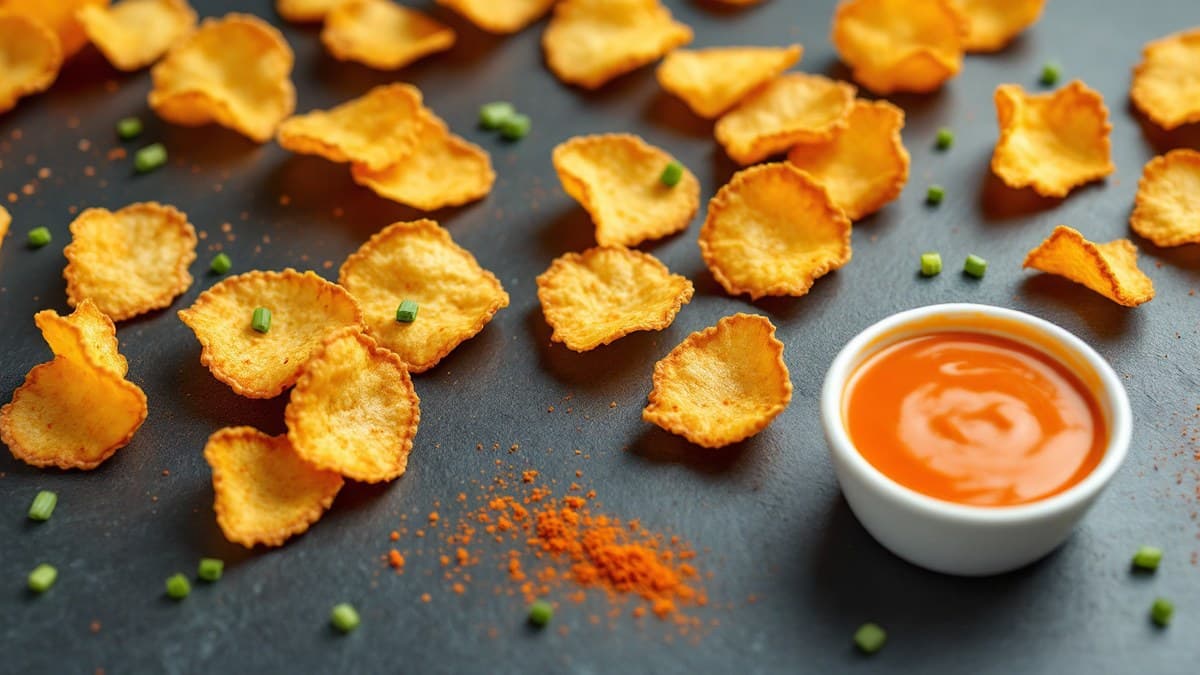
Wilde Protein Chips Nutrition Facts (2026): Every Flavor Ranked by Protein
Spicy Queso leads at 14g of protein per 1.34oz bag with 0g of sugar — the highest protein density in Wilde’s lineup. Every flavor verified: calories, fat, carbs, fiber, sugar, protein, and sodium per bag, plus how Wilde compares to Quest and PopCorners.
Read more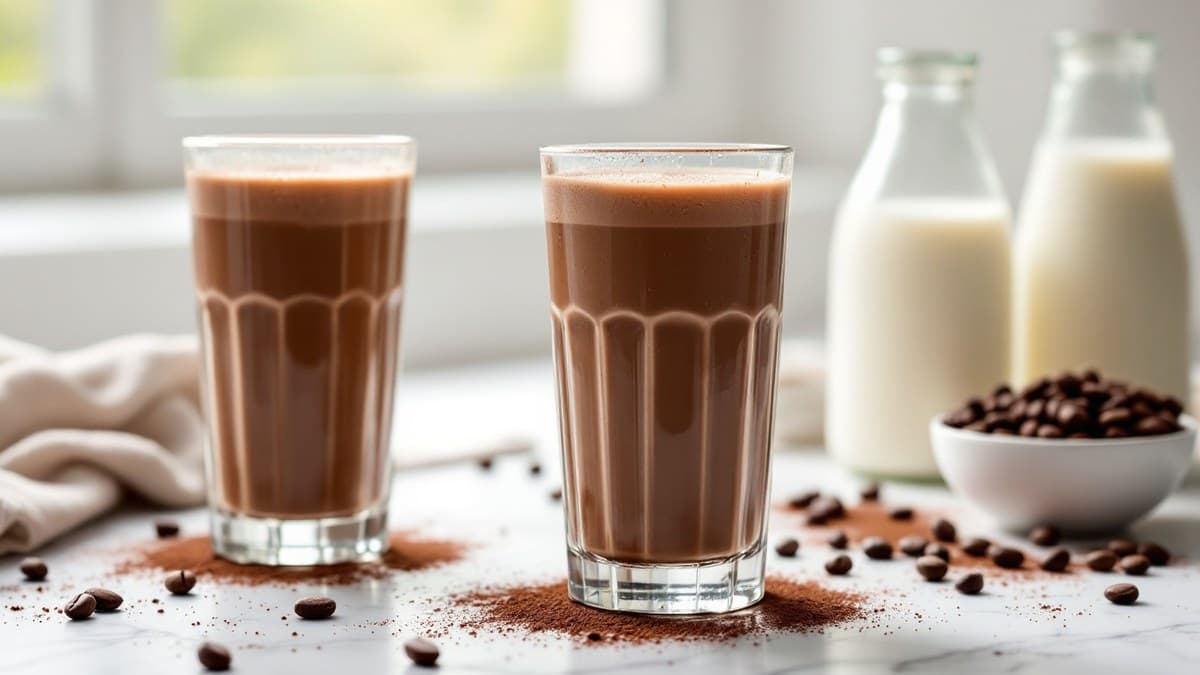
Gatorade Protein Shake Nutrition Facts (2026): Recover vs Super Shake — 20g vs 30g Protein Compared
Gatorade makes two protein shakes with very different goals: the Recover Protein Shake delivers 20g of protein at 270–280 calories for post-workout recovery, while the Super Shake delivers 30g at 180–190 calories — more protein, fewer calories, and 60% of your daily calcium. Verified 2026 nutrition facts for both lines, all flavors, and a head-to-head against Premier Protein and Fairlife.
Read more