Best Whey Protein Alternatives (2026): 6 Powders Ranked by the One Amino Acid That Decides Them
The best whey protein alternative in 2026 is NOW Sports Egg White Protein — 20g of protein in 100 calories with 1,839mg of leucine printed on its own panel, Informed Sport tested, and made without dairy or soy. The thing almost no roundup tells you: whey is about 11 percent leucine while pea is 7.6 percent and rice is 7.4 percent, so a like-for-like scoop gives you a third less of the amino acid that actually triggers muscle growth. Six non-whey powders ranked on published leucine, protein per calorie and digestibility score — plus why collagen, at a protein quality score of 2 out of 100, is not an alternative at all.
Our top protein powder picks
Editor-selected and ready to buy. As an Amazon Associate we may earn from qualifying purchases.
 25g protein
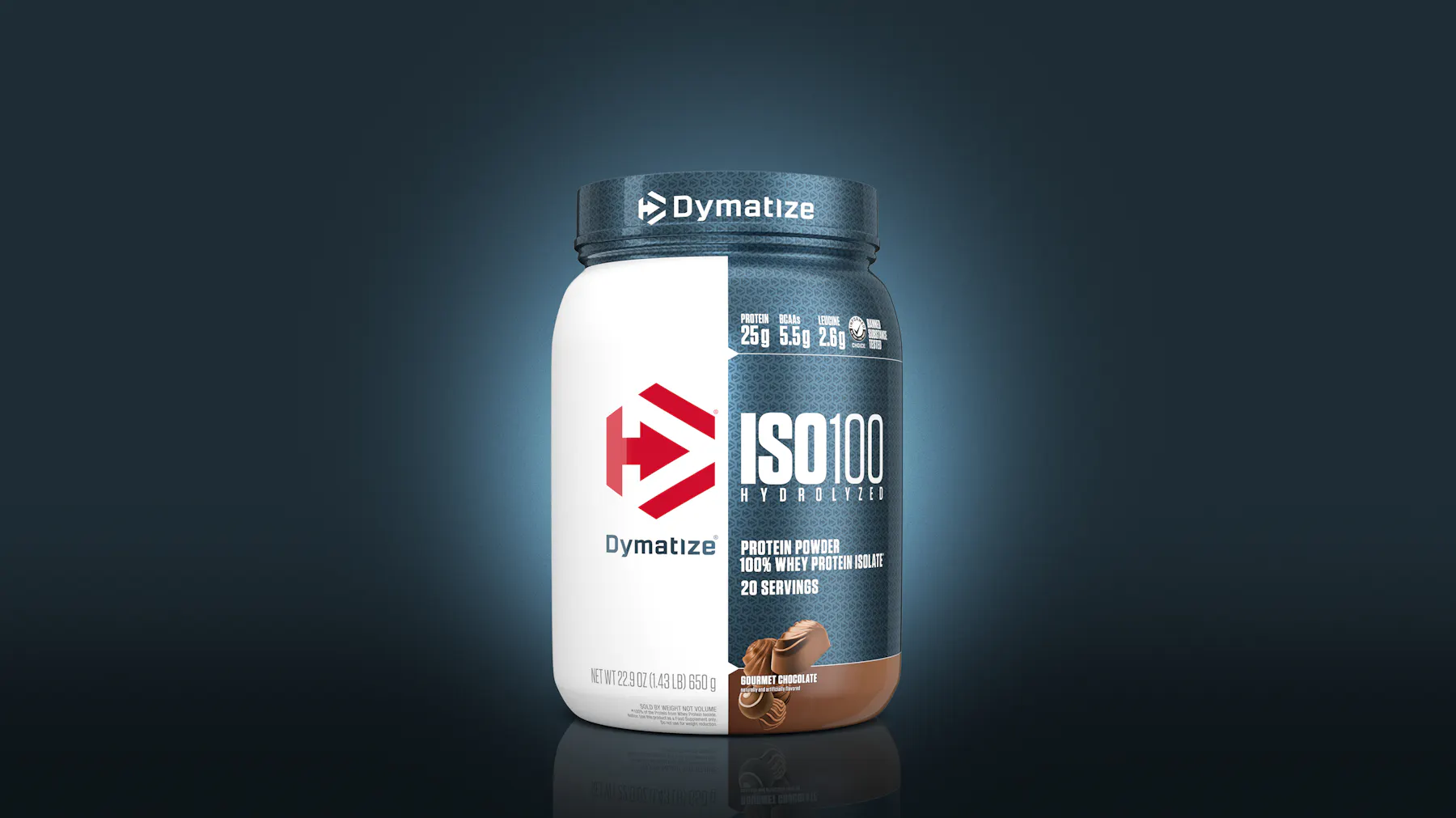
ISO100 Hydrolyzed Protein - Chocolate
Amazon returns policy · secure checkout
 22g protein
 25g protein
Protein Powder - Vanilla Milkshake
Amazon returns policy · secure checkout
Whey is not hard to replace because of its protein content. It is hard to replace because of one amino acid. When Gorissen and colleagues measured the amino acid composition of commercially available protein isolates for Amino Acids in 2018, whey came back at 11.0 percent leucine. Soy was 8.2 percent, pea 7.6 percent, brown rice 7.4 percent, hemp 5.1 percent. Leucine is the amino acid that flips muscle protein synthesis on, so the gap between those numbers is the entire argument about whey alternatives, and almost no roundup prints it.
There is a second number worth knowing, and it cuts the other way. The digestible indispensable amino acid score grades a protein on how much of each essential amino acid actually survives digestion. In the 2020 review by Herreman and colleagues in Food Science & Nutrition, scored against the 0.5 to 3 year reference pattern, casein came in at 117, egg at 101, potato at 100, soy at 91 and whey at 85. Pea scored 70, wheat 48, rice 47 and gelatin 2. Soy out-scores whey on that measure. Rice on its own does not come close.
So this guide ranks six real, buyable non-whey powders on what the labels actually say: leucine per serving where the brand publishes it, protein per 100 calories, what the protein type scores on digestibility, and whether anyone independent has tested the tub. Every figure below was read from the manufacturer’s own current product page or our own product catalog record in October 2026. Where a brand does not publish a number, the cell reads “—” rather than a guess.
Affiliate links — if you buy through them we earn a small commission at no extra cost to you. No brand paid for placement, no brand had a say in the ranking, and every figure here was read from a published panel or a peer-reviewed paper.
Whey Protein Alternatives 2026: All 6 Picks Compared
Values are per serving exactly as each label states it. “Protein per 100 cal” is the efficiency number. “Leucine” is only filled in where the brand publishes a per-serving figure on its own panel — four of these six do not, and we will not estimate one into a table cell and let it read as a measurement. DIAAS is the published score for that protein type from Herreman 2020, not for that specific tub.
| # | Product | Serving | Protein | Calories | Protein per 100 cal | Leucine (published) | Protein type DIAAS | Third-party tested |
|---|---|---|---|---|---|---|---|---|
| 1 | NOW Sports Egg White Protein, Creamy Vanilla | 1 scoop (28g) | 20g | 100 | 20.0g | 1,839mg | Egg 101 | Informed Sport |
| 2 | NOW Sports Soy Protein Isolate, Unflavored | 1/3 cup (24g) | 20g | 90 | 22.2g | 1,805mg | Soy 91 | Informed Sport |
| 3 | Naked Egg egg white protein | 1 serving | 25g | 110 | 22.7g | — | Egg 101 | — |
| 4 | Naked Pea pea protein | 2 scoops | 27g | 120 | 22.5g | — | Pea 70 | — |
| 5 | Vega Performance Protein + Recovery | 1 scoop | 30g | 180 | 16.7g | — (5g total BCAAs) | Pea 70 | NSF Certified for Sport |
| 6 | Orgain Organic Vegan Protein Powder | 2 scoops | 21g | 150 | 14.0g | — | Pea 70 / Rice 47 | — |
What Is the Closest Thing to Whey Protein?
Egg white protein, on the numbers. Egg scores 101 on the digestible indispensable amino acid score in the Herreman 2020 dataset against whey’s 85, it is a complete protein, and it contains no dairy at all, which is the reason most people are looking for a whey alternative in the first place. The trade-off is cost and taste: egg white powder runs about twice the price per serving of soy isolate, and unflavored versions are thin and slightly savory rather than creamy.
Is Plant Protein as Good as Whey for Building Muscle?
Per identical scoop, usually not. Per adjusted serving, it can be. The gap is leucine density — 11.0 percent in whey against 7.6 percent in pea, per Gorissen 2018 — and the honest answer is that you close it by using more powder, not by arguing about it. A 25g scoop of whey isolate carries roughly 2.75g of leucine. To reach the same from pea protein you need closer to 36g of protein.
There is a second gap that matters more than most people realize. Gorissen’s team found lysine and methionine were typically much lower in plant proteins (1.0 and 3.6 percent) than animal proteins (2.5 and 7.0 percent), and named the specific shortfalls: wheat, corn, oat and brown rice are short on lysine, while oat, lupin, pea and soy are short on methionine. That is precisely why pea-and-rice blends exist — rice covers pea’s methionine gap and pea covers rice’s lysine gap. Naked Nutrition says so on its own product page, recommending you combine its pea powder with its rice powder, “which is higher in the amino acid methionine, to make the perfect complete vegan protein shake.”
How Do You Tell a Real Whey Replacement From a Repackaged One?
Read for three things, in this order. First, a published per-serving amino acid profile — if the brand prints leucine in milligrams, it has nothing to hide and you can do the math yourself. Second, the protein source named by name, not “proprietary protein blend.” Third, a third-party banned-substance seal such as Informed Sport or NSF Certified for Sport, which means someone outside the company opened a tub.
One detail worth catching, because it cuts both ways: NOW’s egg white powder publishes 1,839mg of leucine in 20g of protein, which works out to 9.2 percent — noticeably above the 7.0 percent that Gorissen measured for egg protein. The panel explains it. There is a separate 258mg branched-chain amino acid powder in the formula, and the amino acid footnote states the leucine comes “from egg white powder and branched-chain amino acids powder.” That is added leucine, disclosed, which is fine and arguably useful. It is also exactly the kind of thing a brand can do silently, so read the ingredient line and not just the headline number.
The 6 Best Whey Protein Alternatives, Ranked
#1 NOW Sports Egg White Protein — the one most people should buy
Why it wins: it is the only pick here that prints a per-serving leucine figure, uses a protein type scoring above whey on digestibility, and carries an independent banned-substance certification. One 28g scoop is 100 calories, 20g of protein, 4g of carbohydrate, 310mg of sodium and 1,839mg of leucine. NOW lists the full profile: 1,379mg lysine, 1,208mg isoleucine, 1,354mg valine, 698mg methionine, 250mg tryptophan. It is Informed Sport certified, made without dairy and without soy, and contains no aspartame, sucralose or acesulfame potassium.
The honest catch: at $59.99 for 24 servings on NOW’s own store it is the most expensive serving on this list, roughly $2.50 against $1.26 for the soy isolate. And at 1,839mg, one scoop sits just under the 2.5 to 3 gram leucine range that sports nutrition reviews use as the practical reference point for a maximal response, so if that is your target, plan on a scoop and a half or a scoop taken alongside a meal.

NOW Sports Egg White Protein, Creamy Vanilla, 1.5 lbs.
20g protein · 100 cal · 4g carbs · 310mg sodium · 1,839mg leucine · 24 servings · Informed Sport certified · made without dairy or soy
Check price on Amazon →#2 NOW Sports Soy Protein Isolate — the best protein quality per dollar, by a distance
Why it is here: soy scored 91 on the digestible indispensable amino acid score in Herreman 2020, higher than whey’s 85 and the highest of any widely sold plant protein in that dataset. This tub backs it up with a published profile: 1,805mg leucine, 1,303mg lysine, 974mg valine, 830mg isoleucine, 360mg tryptophan per 24g serving. The panel is about as clean as a panel gets — 90 calories, 20g protein, 0g total carbohydrate, 0g sugars, 0.5g fat, 170mg sodium, plus 193mg of calcium and 3mg of iron. It is Informed Sport certified and non-GMO identity preserved. At $28.99 for about 23 servings, that is roughly $1.26 a serving.
The honest catch: it is soy, which is the plant protein people most often rule out on principle, and it is unflavored, which means it tastes like what it is. If soy is off the table for you, go to #3. If it is not, this is the most protein quality per dollar on this page by a wide margin.

NOW Sports Soy Protein Isolate, Unflavored, 1.2 lbs.
20g protein · 90 cal · 0g carbs · 0g sugars · 0.5g fat · 170mg sodium · 1,805mg leucine · 193mg calcium · about 23 servings · Informed Sport certified
Check price on Amazon →#3 Naked Egg — the most protein per calorie, with almost nothing added
Why it is here: 25g of protein and 5.8g of branched-chain amino acids in 110 calories, fat-free, which is 22.7g of protein per 100 calories — the best efficiency on this list and better than most whey concentrates. The ingredient list is egg white protein plus under 1 percent sunflower lecithin, which Naked adds purely so it dissolves. Egg protein carries the 101 digestibility score, so you are getting a complete protein with essentially no formulation on top of it.
The honest catch: Naked does not publish a per-serving leucine figure, so that cell stays empty rather than estimated. There is also no independent banned-substance seal on it, which matters if you are drug-tested. And like all unflavored egg white powder, it is thin and mildly savory rather than creamy.
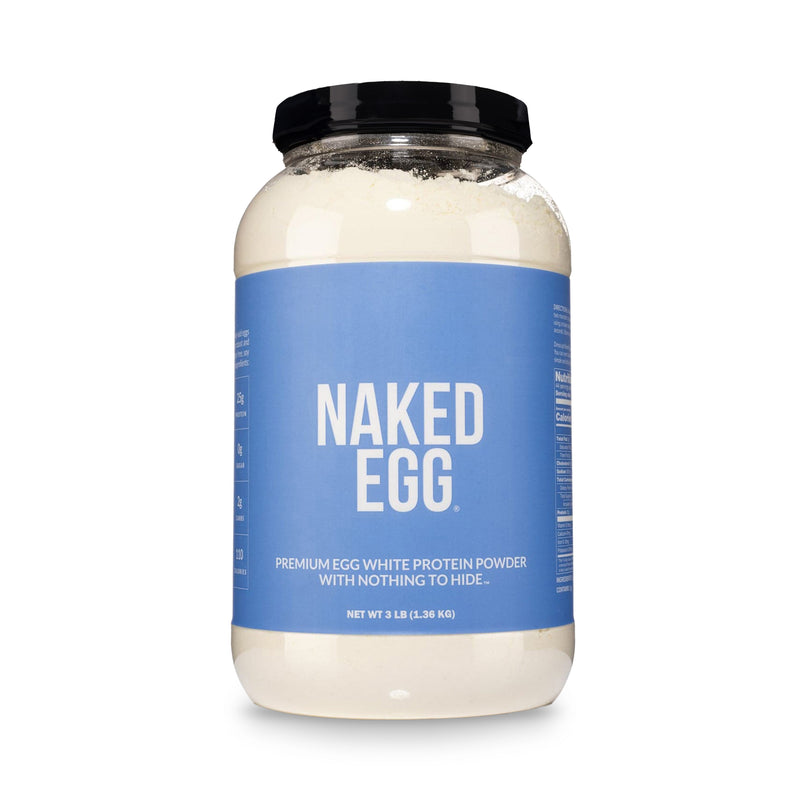
Naked Egg Egg White Protein Powder
25g protein · 110 cal · fat-free · 5.8g BCAAs · egg white protein plus under 1 percent sunflower lecithin · 22.7g protein per 100 cal
Check price on Amazon →#4 Naked Pea — one ingredient, and the brand tells you its weakness
Why it is here: 27g of protein in 120 calories from a single ingredient, yellow pea protein, mechanically water-extracted rather than chemically. That is 22.5g of protein per 100 calories with no flavoring, no gums, no sweetener and nothing to argue about on the label. For anyone who wants a plant protein and reads ingredient lists for a living, this is the shortest one on this page.
The honest catch: pea scores 70 on the digestible indispensable amino acid score, the weakest of the six protein types here, because it is short on methionine. Naked says so itself, recommending you pair it with its brown rice protein to make a complete shake. That is the right instruction and we would repeat it: pea alone is a good protein, pea plus rice is a complete one. Leucine per serving is not published.
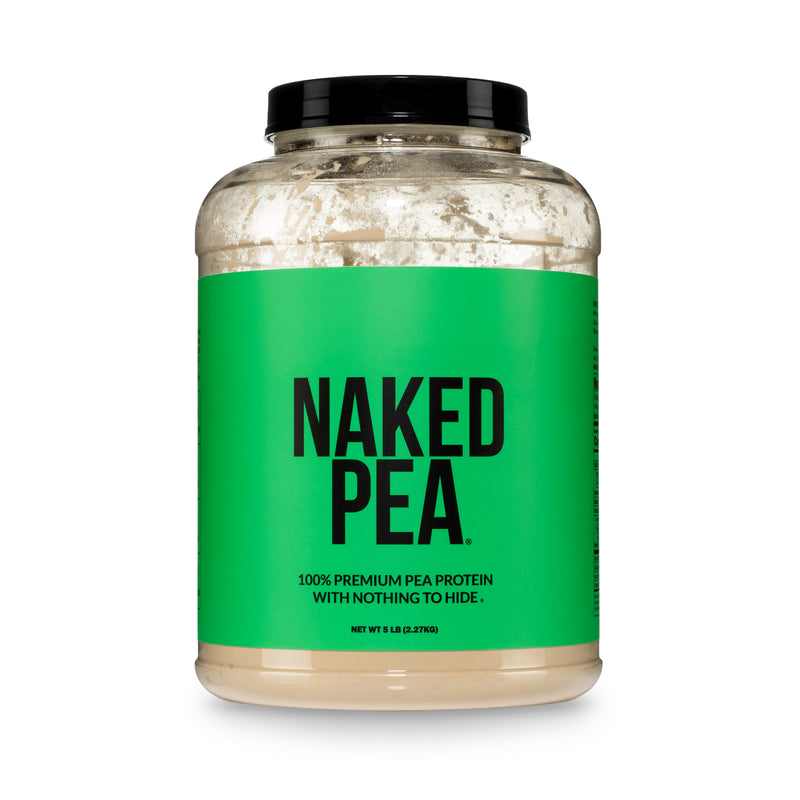
Naked Pea Pea Protein Powder, Unflavored
27g protein · 120 cal · one ingredient: yellow pea protein · mechanically water-extracted · 22.5g protein per 100 cal · pair with rice protein for a complete profile
Check price on Amazon →#5 Vega Performance Protein + Recovery — the pick if you get drug-tested
Why it is here: 30g of protein in a scoop, 5g of branched-chain amino acids, 12g of total essential amino acids and 2 billion CFU of probiotics, from a named blend of pea protein, pumpkin seed protein and organic sunflower seed protein. It is NSF Certified for Sport, which is the seal most collegiate and professional programs ask for, and it is the only multi-source plant blend here carrying one. Our catalog records 180 calories and 1g of sugar per scoop.
The honest catch: those 30 grams cost you 180 calories, which is 16.7g of protein per 100 calories — the second-worst efficiency on this list, because the probiotics, flavoring and recovery extras are not free. At $64.99 for 19 servings on Vega’s own store that is about $3.42 a serving, the most expensive here. Vega publishes total BCAAs but not leucine on its own, so that cell stays empty.
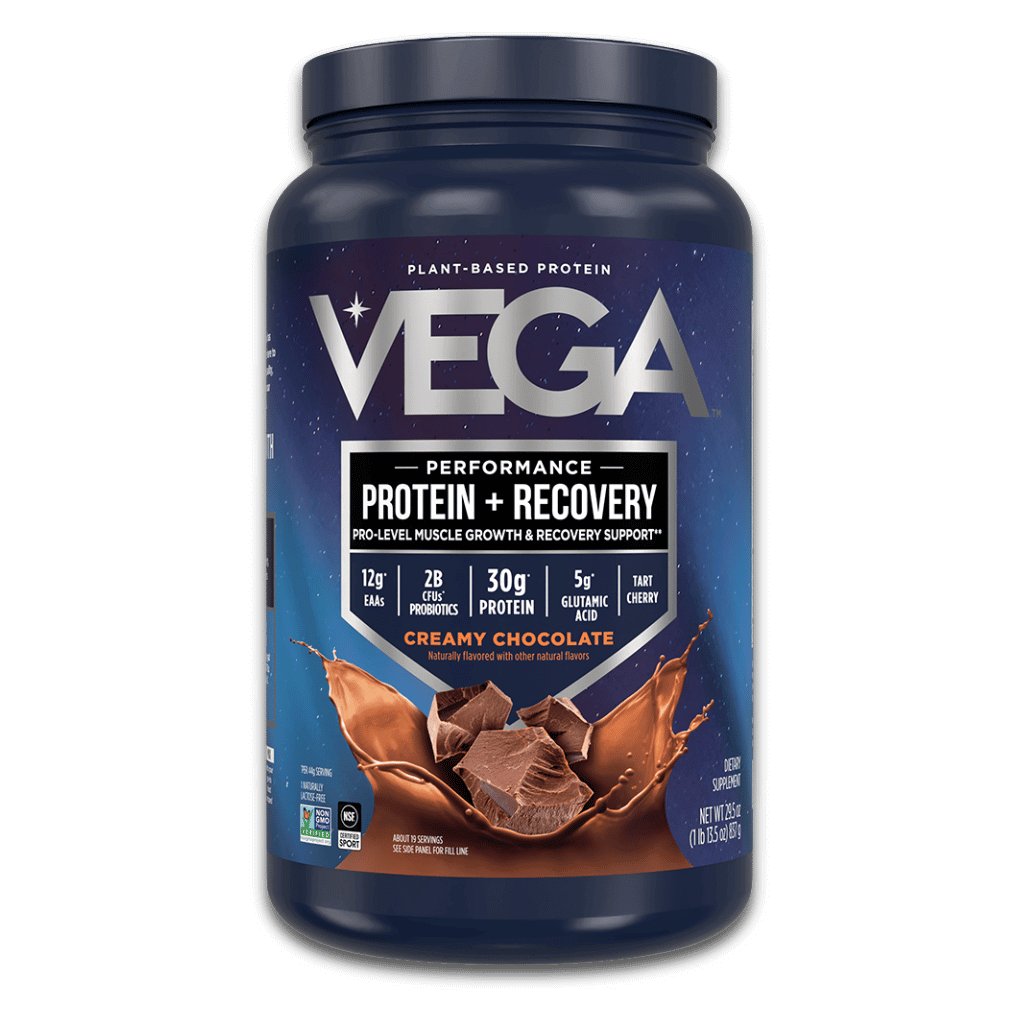
Vega Performance Protein + Recovery, Chocolate, 29 oz
30g protein · 180 cal · 1g sugar · 5g BCAAs · 12g EAAs · pea, pumpkin seed and organic sunflower seed protein · 2 billion CFU probiotics · NSF Certified for Sport · 19 servings
Check price on Amazon →#6 Orgain Organic Vegan Protein Powder — the one you can actually find anywhere
Why it is here: availability and tolerability, which are real criteria. Orgain is USDA Organic, blends organic pea, brown rice and chia so the pea and rice cover each other’s amino acid gaps, and carries 6g of prebiotic fiber with 0g of sugar in a 2-scoop, 21g-protein, 150-calorie serving. It holds 4.5 stars from more than 65,000 Amazon ratings and is the number one seller in Amazon’s pea protein powder category, which tells you it mixes and tastes acceptably — the bar most plant powders fail.
The honest catch: 14.0g of protein per 100 calories is the lowest here, and you need two scoops to get 21 grams. If your goal is maximum protein in minimum calories, this is the wrong end of the list. If your goal is a plant protein you will actually keep drinking, it is the right one.

Orgain Organic Vegan 21g Protein Powder, Creamy Chocolate Fudge, 2.03 lb
21g protein · 150 cal · 0g sugar · 6g prebiotic fiber · organic pea, brown rice and chia · USDA Organic · 20 servings · 4.5 stars from 65,178 Amazon ratings
Check price on Amazon →Why Collagen and Bone Broth Are Not on This List
Because they are not whey alternatives, and the gap is not close. Gelatin scored 2 out of 100 on the digestible indispensable amino acid score in the Herreman 2020 review. Not 20, not 60. Two. The reason is structural: collagen contains no tryptophan whatsoever, which makes it an incomplete protein by definition, as Paul, Leser and Oesser set out in Nutrients in 2019. It is also very low in leucine.
None of that makes collagen useless. That same 2019 paper found up to 36 percent of daily protein can come from collagen peptides while a mixed diet still meets its essential amino acid requirements, and collagen has its own evidence base around connective tissue. But a scoop of collagen in your coffee is not doing the job a scoop of whey did, and a bone broth powder sold on a “20g of protein” front panel is selling you the same gelatin. If you want the collagen conversation on its own terms, we cover it in our best collagen protein powders guide.
Rice protein sold on its own belongs in the same cautionary paragraph for a different reason: it scored 47, and Gorissen’s analysis names brown rice as short on lysine. As half of a pea-and-rice blend it is genuinely useful. As your only protein powder it is not a whey replacement.
Who Should Skip These Entirely
If your reason for leaving whey is a dairy allergy rather than lactose, note that both egg white picks are dairy-free but obviously not egg-free, and egg is itself a top-nine allergen. If your problem is only the lactose and not the dairy protein, you do not need any of this — a whey isolate already removes nearly all the lactose, and our lactose-free protein shake guide covers the ready-to-drink side of that. And if you are drug-tested in competition, limit yourself to the Informed Sport and NSF Certified for Sport options above; the rest have no independent testing we could verify.
Frequently Asked Questions
What is the best whey protein alternative?
NOW Sports Egg White Protein is the closest single swap for most people: 20g of protein in 100 calories with 1,839mg of leucine printed on its own panel, Informed Sport tested, and made without dairy or soy. If you want the cheapest high-quality option, NOW Sports Soy Protein Isolate gives 20g of protein in 90 calories with 1,805mg of leucine for about $1.26 a serving. If you need a plant protein and will not use soy, Naked Pea gives 27g in 120 calories from one ingredient.
Is plant protein as good as whey for building muscle?
It can be, but usually not gram for gram out of the same scoop. Whey is about 11.0 percent leucine while pea is about 7.6 percent and brown rice about 7.4 percent, according to amino acid analysis of commercial isolates published by Gorissen and colleagues in Amino Acids in 2018. Leucine is the amino acid that switches muscle protein synthesis on, so a 25g scoop of whey carries roughly a third more of it than a 25g scoop of pea. The practical fix is simple: use a slightly larger serving of the plant powder.
Does soy protein beat whey on protein quality?
On one published measure, yes. In the 2020 Food Science and Nutrition review by Herreman and colleagues, which averaged digestible indispensable amino acid scores across datasets using the 0.5 to 3 year reference pattern, soy scored 91 and whey scored 85. Egg scored 101 and casein 117. Pea scored 70, wheat 48 and rice 47. Soy is the highest-scoring widely sold plant protein in that dataset, which is why it sits near the top of this list despite being the one people most often skip.
Is collagen a replacement for whey protein?
No, not for muscle. Gelatin scored 2 out of 100 on the digestible indispensable amino acid score in the 2020 Herreman review, because collagen contains no tryptophan at all and is very low in leucine. Paul, Leser and Oesser confirmed in Nutrients in 2019 that collagen is classified as an incomplete protein for exactly that reason. Collagen can still be part of a mixed diet, and that same paper found up to 36 percent of daily protein can come from collagen peptides while amino acid balance holds, but it does not do the job a scoop of whey does.
How much leucine do I need in one serving?
Sports nutrition reviews commonly use about 2.5 to 3 grams of leucine per serving as the practical reference point for a maximal muscle protein synthesis response. It is a rule of thumb rather than a hard biological cutoff. Worth knowing before you buy: a single scoop of either NOW powder on this list lands just under that range at about 1.8 grams, so a scoop and a half, or a scoop alongside a meal, is the honest instruction. A 25g scoop of whey isolate at 11 percent leucine clears it on its own.
Which whey alternative has the most protein per calorie?
Of the six here, Naked Egg leads at 22.7g of protein per 100 calories, with Naked Pea at 22.5g and NOW Sports Soy Protein Isolate at 22.2g. Vega Performance Protein and Recovery is 16.7g and Orgain Organic Vegan is 14.0g, because both add fiber, probiotics and flavoring that the unflavored single-ingredient powders leave out.
The Bottom Line
Buy NOW Sports Egg White Protein if you want the closest honest substitute for whey and are willing to pay about $2.50 a serving for a published leucine number and an Informed Sport seal. Buy NOW Sports Soy Protein Isolate if you want the most protein quality per dollar and soy does not bother you — it scores higher than whey on digestibility and costs half as much as the egg. Buy Naked Egg for the best protein-per-calorie ratio with a two-ingredient label, Naked Pea if you want a single ingredient and will pair it with rice, Vega Performance if you are drug-tested, and Orgain if you want the one that is in every store and that you will actually finish the tub of. And go in knowing the thing the front of the tub will not tell you: whey is about 11 percent leucine and the plant options are 7 to 8 percent, so the honest instruction is not to argue about it — it is to use a slightly bigger scoop. Compare the whole category in our best protein powders roundup, see the vegan-only field in our vegan protein powder comparison, or browse the full protein snacks directory.
Shop our top protein powder picks
Editor-selected high-protein options related to this guide. As an Amazon Associate we may earn from qualifying purchases.
25g proteinISO100 Hydrolyzed Protein - Chocolate
Amazon returns policy · secure checkout
22g protein25g proteinProtein Powder - Vanilla Milkshake
Amazon returns policy · secure checkout
Tags
High Protein Snacks Pro Editorial Team
Independently researched and editorially reviewed. We compare real nutrition labels and never accept payment for coverage.
Get the best new protein snacks in your inbox
Weekly picks and honest reviews — no spam, unsubscribe anytime.
More from the journal
Best Casein Protein Powder (2026): 5 Top Micellar Caseins Ranked by Protein per Scoop, Purity, and Slow-Digestion Profile
The best casein protein powder in 2026 is Optimum Nutrition Gold Standard 100% Casein — 24g of 100% micellar casein per scoop at 120 calories with 1g of sugar, the market-standard slow-digesting protein used before bed for overnight muscle recovery. Naked Casein leads for the cleanest label at 26g of protein per scoop with a single-ingredient panel (micellar casein only). Five real casein protein powders ranked by grams of protein per scoop, calories per scoop, ingredient purity, and third-party certification, with verified 2026 label data.
Read more
Best Whey Protein Isolate (2026): 5 Top Isolates Ranked by Protein-per-Serving, Purity, and Ingredient Profile
The best whey protein isolate in 2026 is Dymatize ISO100 Hydrolyzed Whey Protein Isolate — 25g of pre-digested whey isolate per scoop at 120 calories with just 1g of sugar, the market-standard for fast-absorbing post-workout protein. Transparent Labs Grass-Fed Whey Protein Isolate leads for pure protein density at 28g per scoop with a clean ingredient panel. Five real whey isolates ranked by grams of protein per serving, calories per scoop, sugar per serving, and ingredient purity, with verified 2026 label data.
Read more
Best Coconut Yogurt Brands 2026: 6 Ranked by Coconut Purity, Ingredients, and Real Protein
Cocojune Organic Protein Plain Unsweetened is the best coconut yogurt in 2026 for anyone who wants coconut yogurt that actually delivers protein — 10g per 5.6oz cup at 170 calories, organic, and 1g of sugar with zero added. For a pure-coconut taste and the shortest ingredient list, Cocojune Pure Coconut is the pick at 2g of protein per 4oz cup. For a Greek-style texture at 10g of protein, Silk Coconutmilk Greek Style Vanilla delivers, and for a flavored high-protein cup, siggi's Plant-Based Coconut Blend Vanilla Cinnamon hits 10g at 130 calories. Six coconut yogurt brands compared on real 2026 nutrition labels, taste, ingredient purity, and price — including which brands add pea protein to hit real protein numbers and which stay purely coconut.
Read more