Hemp Seeds Protein Content (2026): 9.5g per 3 Tbsp, Complete Amino Acid Profile Verified
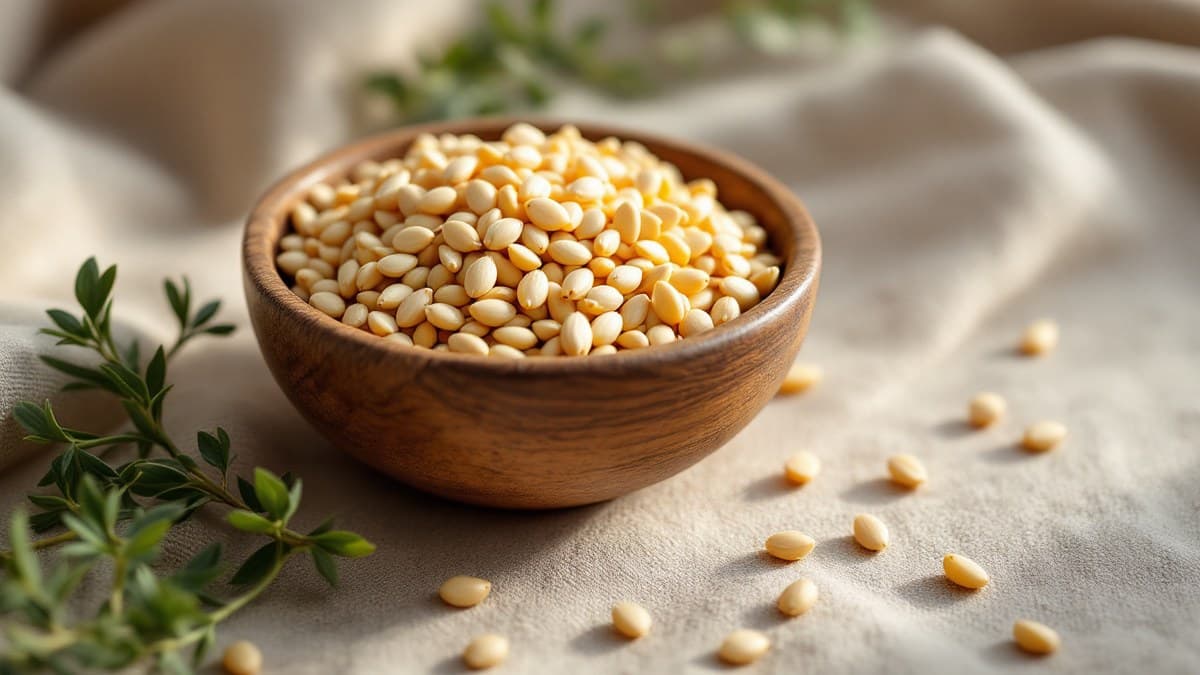
Hemp hearts (shelled hemp seeds) deliver 9.5g of complete protein per 30g serving (3 tablespoons) at 166 calories -- verified against USDA FoodData Central ID 170148. Unlike most plant proteins, hemp contains all nine essential amino acids in meaningful amounts. This guide covers the full macro breakdown, how hemp protein compares to chia seeds, flaxseeds, and pumpkin seeds, and exactly what the omega-6:omega-3 ratio means in practice.
Our top high-protein picks
Editor-selected and ready to buy. As an Amazon Associate we may earn from qualifying purchases.
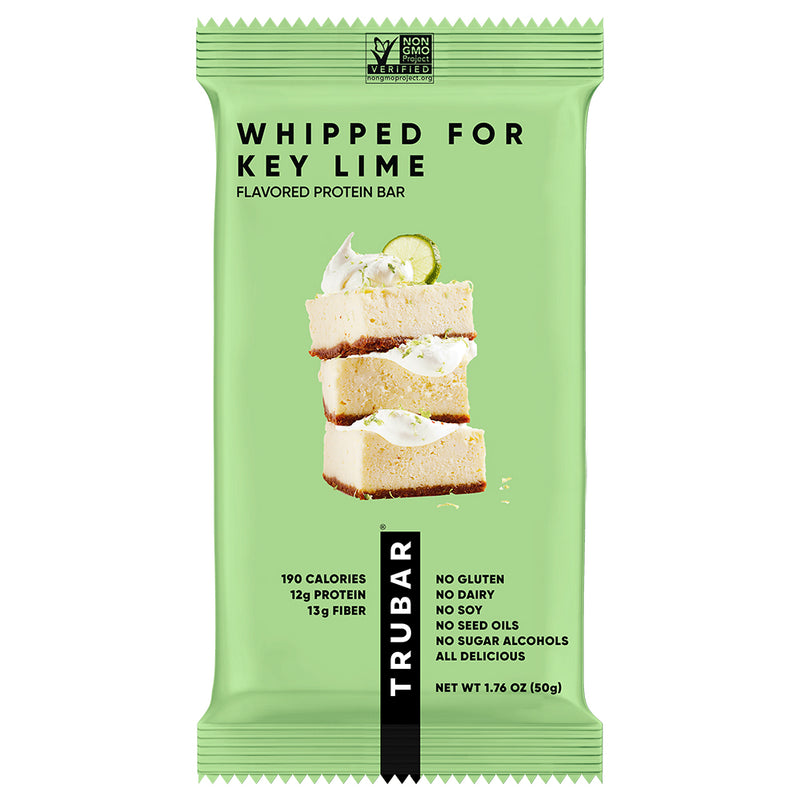 12g protein
Whipped For Key Lime TRUBAR Nutrition and Protein Bar
Amazon returns policy · secure checkout
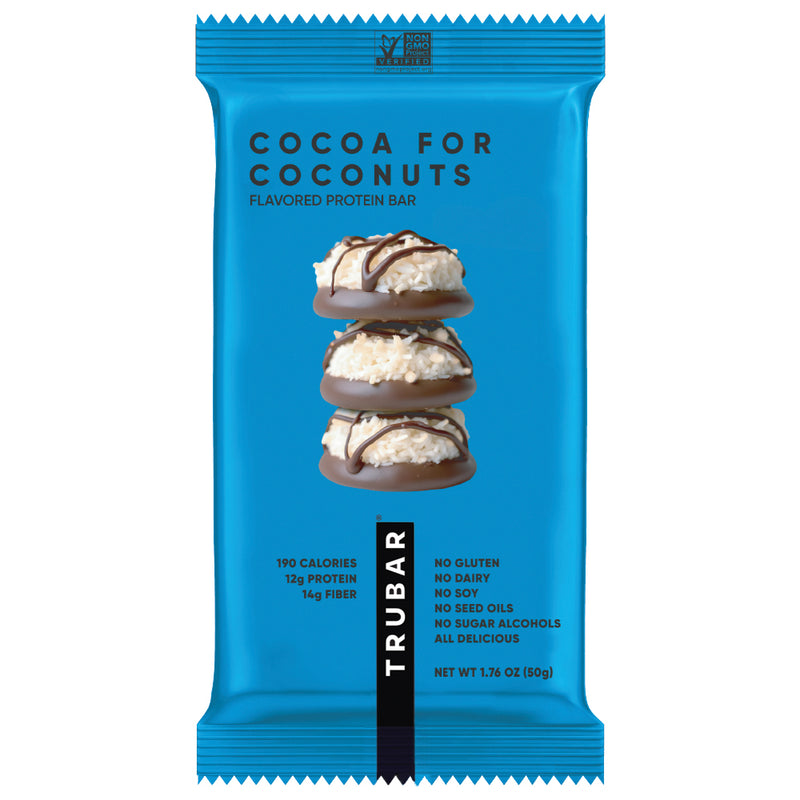 12g protein
Cocoa for Coconuts TRUBAR Nutrition and Protein Bar
Amazon returns policy · secure checkout
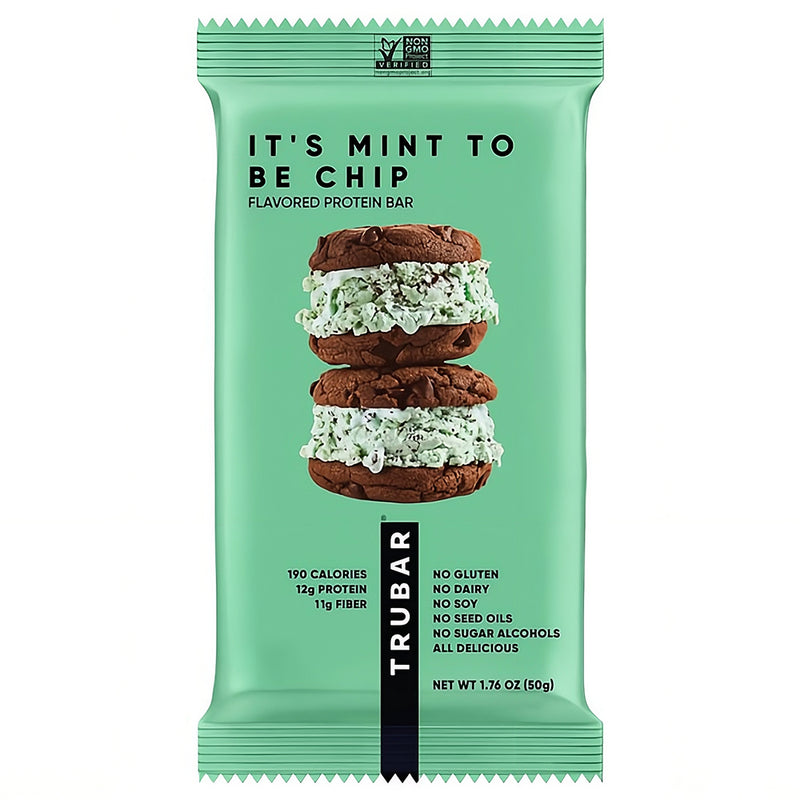 12g protein
It's Mint to Be Chip TRUBAR Nutrition and Protein Bar
Amazon returns policy · secure checkout
Quick Facts — Hemp Seeds (Hulled / Hemp Hearts)
Per 30g serving (3 tablespoons): 166 calories · 9.5g protein · 14.6g fat · 2.6g carbs · 1.2g fiber · 0.5g sugar. Per 100g: 553 calories · 31.6g protein. Source: USDA FoodData Central ID 170148, Hemp Seeds, hulled.
Hemp hearts — shelled hemp seeds — deliver 9.5 grams of complete protein per 30g serving (approximately 3 tablespoons) at 166 calories. That is the verified USDA figure for hulled hemp seeds (FoodData Central ID 170148). Most major retail brands — Manitoba Harvest, Nutiva, Bob’s Red Mill — print 10g per 30g on their labels; the 0.5g difference is within normal FDA label rounding. What distinguishes hemp protein from most other plant sources is the amino acid profile: hemp contains all nine essential amino acids in meaningful amounts, qualifying it as a complete protein — the same classification applied to eggs, dairy, and soy, and one that most individual plant proteins cannot claim on their own. This guide covers the full macro breakdown, the amino acid and omega fatty acid profiles, and a direct comparison against chia seeds, flaxseeds, and pumpkin seeds on protein density.
Affiliate links — if you buy through them we earn a small commission at no extra cost to you. Nutrition figures from USDA FoodData Central ID 170148 and verified retail brand labels.
Hemp Seeds Nutrition Facts (USDA Verified)
All figures are from USDA FoodData Central ID 170148 (Hemp Seeds, hulled), published 2024. Retail brand labels (Manitoba Harvest Hemp Hearts, Nutiva Organic Hemp Seeds, Bob’s Red Mill Hemp Seeds) were cross-checked and fall within normal rounding of these figures.
| Nutrient | Per 30g (3 Tbsp) | Per 100g |
|---|---|---|
| Calories | 166 | 553 |
| Protein | 9.5g | 31.6g |
| Total Fat | 14.6g | 48.7g |
| Omega-6 (Linoleic Acid) | ~8.7g | ~29.0g |
| Omega-3 (Alpha-Linolenic Acid) | ~2.9g | ~9.7g |
| Total Carbohydrates | 2.6g | 8.7g |
| Dietary Fiber | 1.2g | 4.0g |
| Total Sugars | 0.5g | 1.5g |
| Magnesium | ~210mg (~50% DV) | ~700mg |
| Iron | ~2.4mg (~13% DV) | ~7.9mg |
| Zinc | ~3.0mg (~27% DV) | ~9.9mg |
Omega fatty acid figures are approximate and vary by growing conditions. Micronutrient Daily Value percentages based on 2024 FDA reference values.
Is Hemp Protein Complete?
Yes. A complete protein contains all nine essential amino acids — leucine, isoleucine, valine, lysine, methionine, phenylalanine, threonine, tryptophan, and histidine — in amounts meaningful enough to support protein synthesis. Hemp seeds pass this test: each of the nine is present in USDA data. The limiting amino acid in hemp is lysine (roughly 1.4g per 100g of hemp protein, lower than animal sources), but it is present in usable quantities, unlike wheat protein where lysine is so low it cannot meaningfully contribute to a complete amino acid profile without combination with another source.
For practical purposes: hemp hearts are one of the most nutritionally complete single-food plant protein additions available — comparable in amino acid coverage to soy, and superior to rice or pea protein in isolation. They pair efficiently with legume proteins (beans, lentils) that are naturally low in the branched-chain amino acids hemp provides, so a bowl of lentils + hemp hearts covers the full essential amino acid spectrum from plant sources alone.
Hemp Seeds vs Chia Seeds vs Flaxseeds vs Pumpkin Seeds
All figures per 30g serving, from USDA FoodData Central. “Complete protein” refers to all 9 essential amino acids present in meaningful quantities.
| Seed | Protein / 30g | Cal / 30g | Fat / 30g | Fiber / 30g | Complete? |
|---|---|---|---|---|---|
| Hemp Hearts | 9.5g | 166 | 14.6g | 1.2g | Yes |
| Pumpkin Seeds (pepitas) | 8.5g | 163 | 14.0g | 1.1g | Near-complete (low lysine) |
| Flaxseeds (ground) | 5.2g | 152 | 12.0g | 8.0g | No (low lysine) |
| Chia Seeds | 4.7g | 138 | 8.7g | 9.8g | Near-complete |
Hemp seeds lead on protein density among common seeds: 9.5g per 30g versus pumpkin seeds’ 8.5g, flaxseeds’ 5.2g, and chia’s 4.7g. Chia and flax win significantly on fiber (9.8g and 8.0g per 30g versus hemp’s 1.2g) — if dietary fiber is the primary goal, hemp is not the right seed. Hemp’s fat profile — heavily polyunsaturated with a favorable omega-6:omega-3 ratio — is also its clearest nutritional strength beyond protein density.
Hemp Hearts / Shelled Hemp Seeds
9.5g complete protein per 30g • 166 cal • all 9 essential amino acids • USDA verified
Shop Hemp Hearts on Amazon →Omega Fatty Acid Profile
Hemp seed fat is approximately 80% polyunsaturated. The omega-6 to omega-3 ratio in hemp hearts is roughly 3:1 (linoleic acid ~8.7g and alpha-linolenic acid ~2.9g per 30g). By comparison: sunflower oil runs approximately 40:1, corn oil approximately 46:1, and flaxseed oil runs approximately 1:4 (heavily omega-3 dominant). Hemp seed oil and whole hemp hearts sit near the frequently cited 4:1 target, which is one reason the seed appears often in anti-inflammatory diet discussions.
The caveat worth stating clearly: the omega-3 in hemp is alpha-linolenic acid (ALA), which the body must convert to the longer-chain EPA and DHA most associated with cardiovascular benefit. That conversion is inefficient in humans (typically 5–10%). Hemp hearts are not a replacement for marine omega-3 sources (fatty fish, algae oil) for anyone targeting EPA/DHA specifically.
How to Add Hemp Hearts to Your Diet
Hemp hearts have a mild, slightly nutty flavor and a soft texture. They can be added directly to any food without cooking or soaking, and they do not change the texture of most foods significantly. Common uses:
- Smoothies: 3 tablespoons (30g) adds 9.5g of protein with minimal flavor change.
- Yogurt or cottage cheese: sprinkled on top, they blend into the texture without graininess — one tablespoon per serving adds about 3g of protein to an already high-protein base.
- Overnight oats: stirred in before refrigerating; see our high-protein overnight oats guide for complete formulas that reach 28–30g of protein using hemp hearts as a protein booster.
- Salads: used like sesame seeds; they hold their texture longer than chia or flax when dressed.
- Eaten directly: 3 tablespoons on their own is a practical 9.5g protein snack with no preparation.
Frequently Asked Questions
How much protein is in hemp seeds?
USDA FoodData Central (ID 170148) records 9.5g of protein per 30g serving (approximately 3 tablespoons) of hulled hemp seeds. Retail brand labels from Manitoba Harvest, Nutiva, and Bob’s Red Mill print 10g per 30g, which is within normal FDA label rounding of the USDA figure. Per 100g, hemp hearts deliver 31.6g of protein.
Are hemp seeds a complete protein?
Yes. Hemp seeds contain all nine essential amino acids — leucine, isoleucine, valine, lysine, methionine, phenylalanine, threonine, tryptophan, and histidine — qualifying them as a complete protein. The limiting amino acid is lysine, present in lower proportions than animal proteins but still in meaningful quantities. Hemp protein completeness is comparable to soy protein among plant sources.
How do hemp seeds compare to chia seeds for protein?
Hemp seeds deliver approximately twice the protein of chia seeds per equal serving: 9.5g versus 4.7g per 30g. Chia seeds win significantly on fiber (9.8g versus hemp’s 1.2g per 30g). For protein density, hemp hearts are the stronger choice. For fiber, chia seeds are.
Do hemp seeds have omega-3?
Yes. Hemp hearts contain approximately 2.9g of alpha-linolenic acid (ALA, an omega-3 fatty acid) per 30g serving, for an omega-6:omega-3 ratio of approximately 3:1. The omega-3 in hemp is ALA, not EPA or DHA, so it is not an equivalent substitute for marine-sourced omega-3 supplements where EPA/DHA specifically are the target.
How many calories are in hemp seeds?
Hemp hearts deliver 166 calories per 30g serving (3 tablespoons), with 9.5g protein, 14.6g fat, and 2.6g carbohydrates. The caloric density is driven primarily by fat, most of which is polyunsaturated. Per 100g, hemp hearts deliver 553 calories.
Bottom line: Hemp hearts deliver 9.5g of complete protein per 30g serving (3 tablespoons) at 166 calories — the highest protein density of any common seed, and one of the few single plant foods that qualifies as a complete protein. The USDA figure (FoodData Central ID 170148) sits within normal label rounding of what Manitoba Harvest, Nutiva, and Bob’s Red Mill print on their retail bags (10g per 30g). The omega-6:omega-3 ratio of approximately 3:1 and approximately 50% DV of magnesium per serving add nutritional value beyond the protein count. For a high-protein plant-based breakfast that uses hemp hearts as a protein booster, see our high-protein overnight oats formulas or browse the full protein snacks directory.
Shop our top high-protein picks
Editor-selected high-protein options related to this guide. As an Amazon Associate we may earn from qualifying purchases.
12g proteinWhipped For Key Lime TRUBAR Nutrition and Protein Bar
Amazon returns policy · secure checkout
12g proteinCocoa for Coconuts TRUBAR Nutrition and Protein Bar
Amazon returns policy · secure checkout
12g proteinIt's Mint to Be Chip TRUBAR Nutrition and Protein Bar
Amazon returns policy · secure checkout
Tags
High Protein Snacks Pro Editorial Team
Independently researched and editorially reviewed. We compare real nutrition labels and never accept payment for coverage.
Get the best new protein snacks in your inbox
Weekly picks and honest reviews — no spam, unsubscribe anytime.
More from the journal
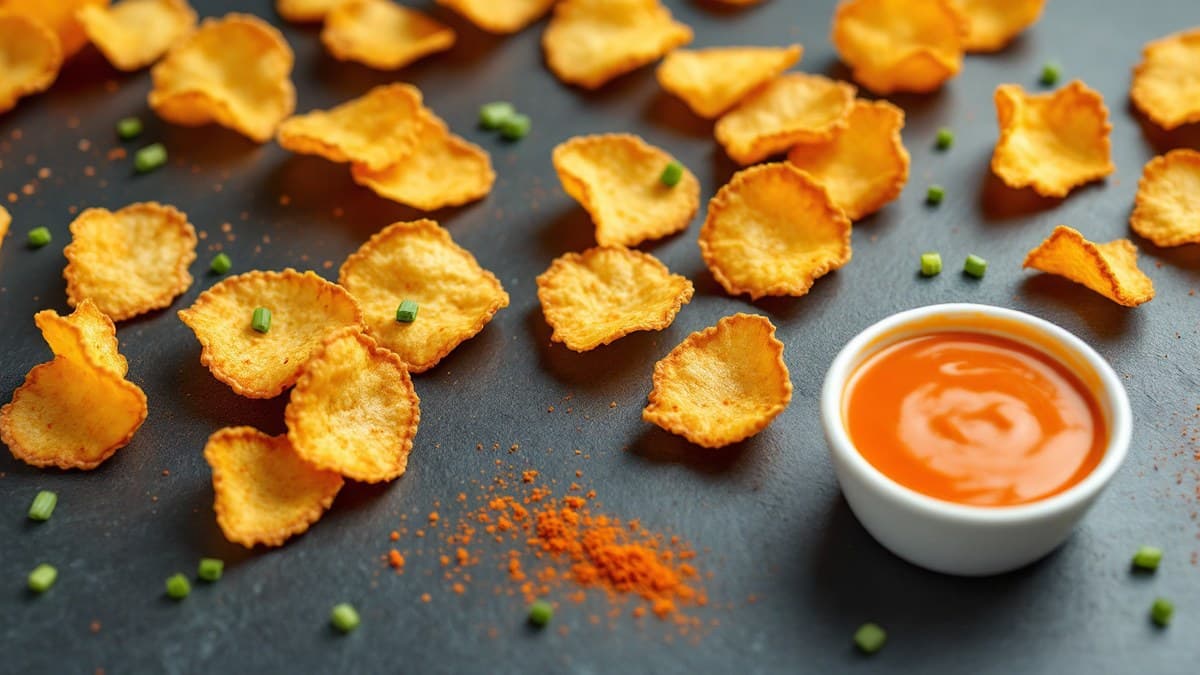
Wilde Protein Chips Nutrition Facts (2026): Every Flavor Ranked by Protein
Spicy Queso leads at 14g of protein per 1.34oz bag with 0g of sugar — the highest protein density in Wilde’s lineup. Every flavor verified: calories, fat, carbs, fiber, sugar, protein, and sodium per bag, plus how Wilde compares to Quest and PopCorners.
Read more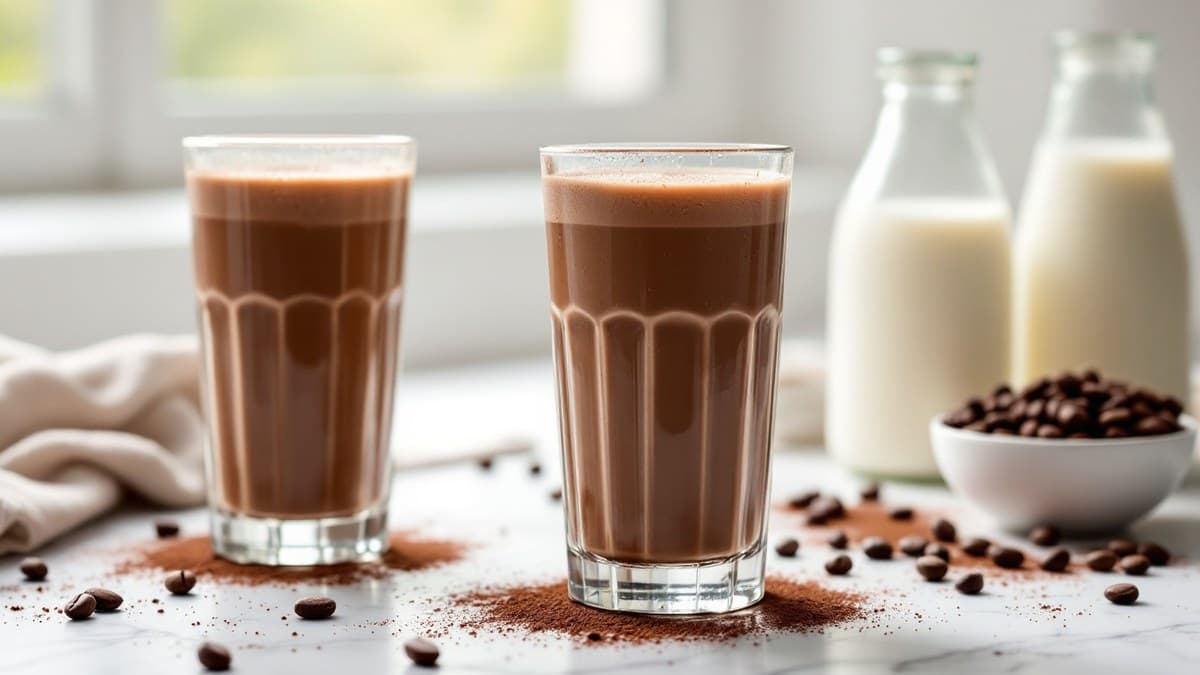
Gatorade Protein Shake Nutrition Facts (2026): Recover vs Super Shake — 20g vs 30g Protein Compared
Gatorade makes two protein shakes with very different goals: the Recover Protein Shake delivers 20g of protein at 270–280 calories for post-workout recovery, while the Super Shake delivers 30g at 180–190 calories — more protein, fewer calories, and 60% of your daily calcium. Verified 2026 nutrition facts for both lines, all flavors, and a head-to-head against Premier Protein and Fairlife.
Read more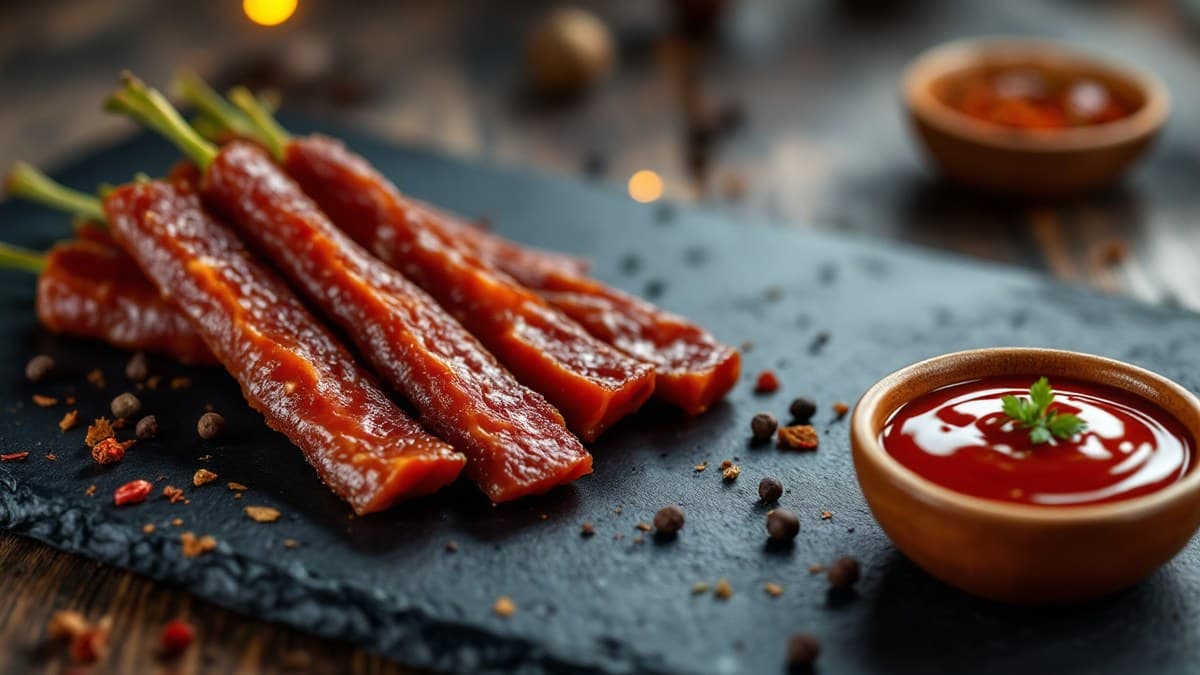
Slim Jim Nutrition Facts 2026: Giant, Monster & Snack Size — Calories, Protein, and Sodium per Stick
A Slim Jim Giant stick (0.97 oz) delivers 6g of protein and 130 calories with 460mg of sodium. The Monster size (1.94 oz) hits 11g of protein at 250 calories and 910mg of sodium — nearly 40% of the daily sodium limit in one stick. Verified 2026 nutrition facts for every Slim Jim size, plus an honest comparison with Jack Link’s beef jerky and Chomps on protein per calorie.
Read more