Best Nut Butter Protein Snacks (2026): Combos That Actually Hit 15-25g Per Serving
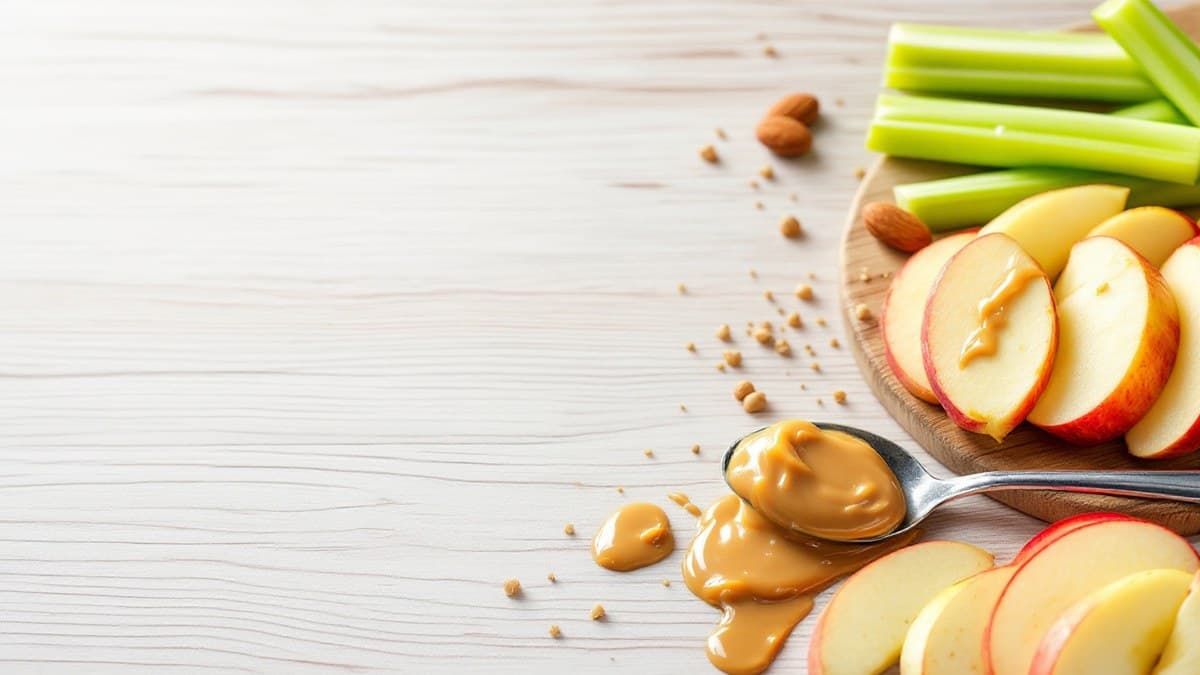
Nut butter by itself delivers only 7-8g of protein per two-tablespoon serving. These are the specific combos and products that push a nut butter snack to 15-25g of protein, ranked by protein per 100 calories with verified nutrition data.
The short answer
Our top high-protein picks
Editor-selected and ready to buy. As an Amazon Associate we may earn from qualifying purchases.
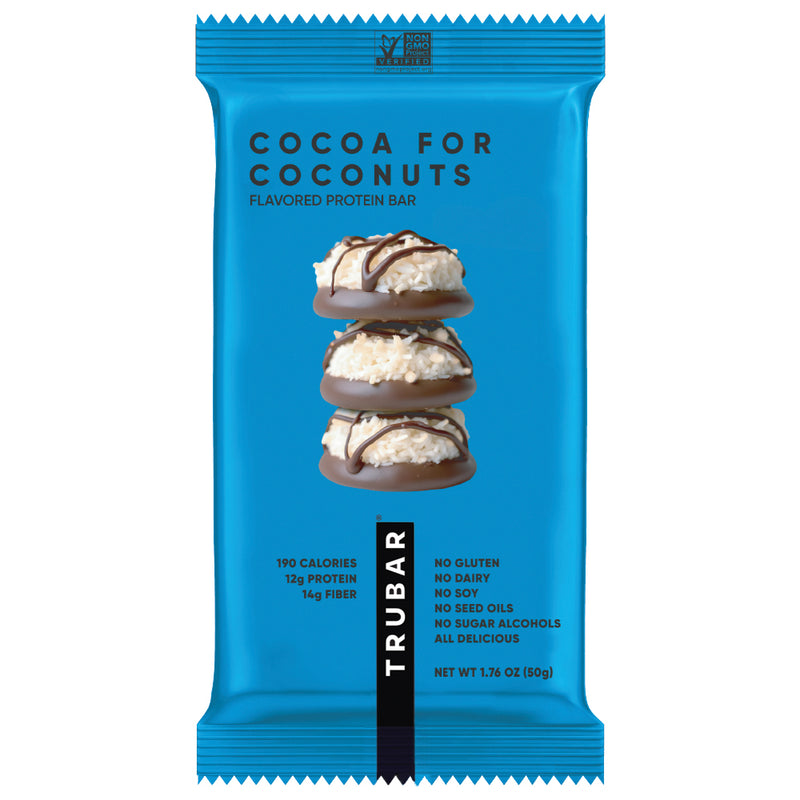 12g protein
Cocoa for Coconuts TRUBAR Nutrition and Protein Bar
Amazon returns policy · secure checkout
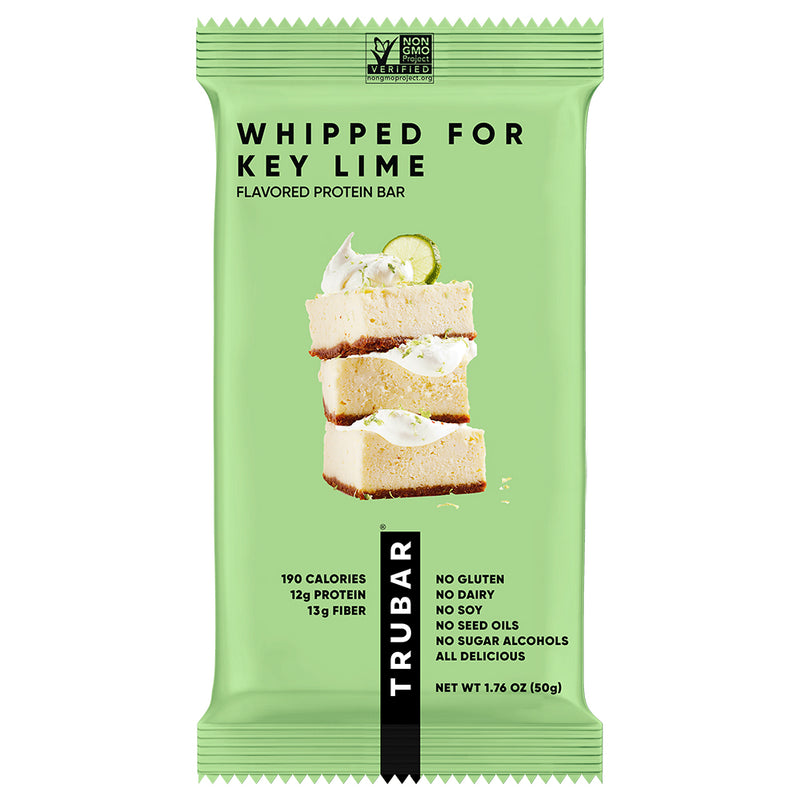 12g protein
Whipped For Key Lime TRUBAR Nutrition and Protein Bar
Amazon returns policy · secure checkout
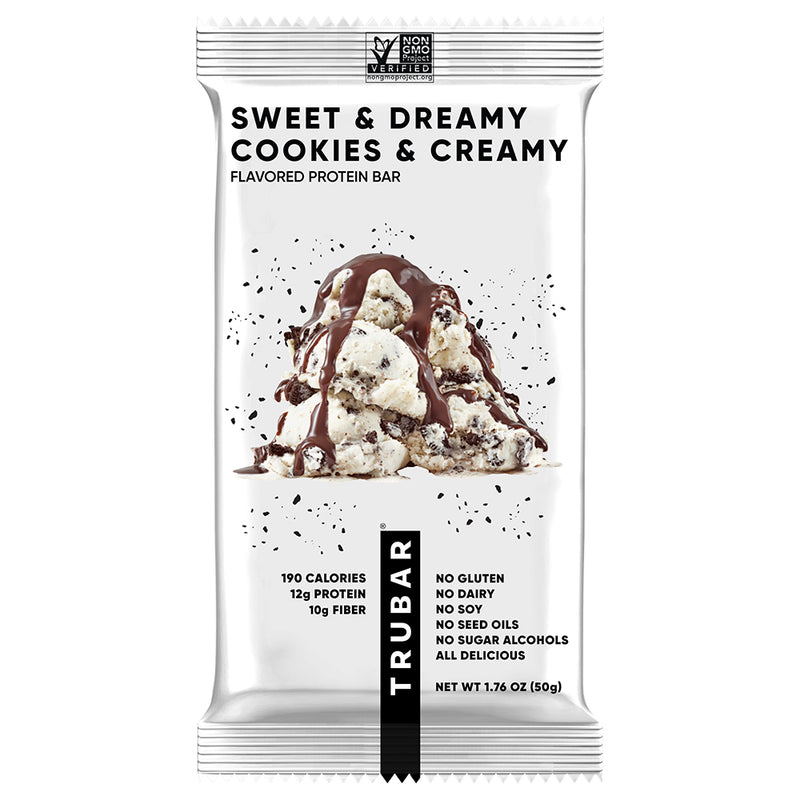 12g protein
Sweet & Dreamy, Cookies & Creamy
Amazon returns policy · secure checkout
Best Nut Butter Protein Snacks: Ranked by Protein Per 100 Calories
| Snack | Serving | Protein | Calories | Protein / 100 cal | Fat | Best for |
|---|---|---|---|---|---|---|
| PBfit powder + Fairlife 2% milk | 2 tbsp PBfit + 1 cup milk | 21g | 190 | 11.1g | 3.5g | Lowest fat, highest protein efficiency |
| Fage 0% Greek yogurt + peanut butter | 7 oz Fage + 1 tbsp Jif | 22g | 205 | 10.7g | 8.5g | Best overall balance and satiety |
| Oikos Triple Zero + almond butter | 5.3 oz cup + 1 tbsp Barney Butter | 18g | 185 | 9.7g | 6.5g | No added sugar, pre-portioned cup |
| Kodiak Protein Oats + almond butter | 1 packet + 1 tbsp Barney Butter | 17g | 260 | 6.5g | 9g | Best breakfast-style snack |
| Apple + Justin's Classic PB squeeze pack | 1 medium apple + 1 packet (32g) | 8g | 265 | 3.0g | 16g | Best whole-food portable option |
Why PBfit Powder Outperforms Jar Peanut Butter for Protein Efficiency
PBfit (sold at Costco, Target, and Amazon) is defatted peanut flour: most of the fat has been pressed out, leaving a powder that delivers 8g of protein per 2-tablespoon serving at 70 calories — versus 8g of protein at 190 calories for the same volume of regular peanut butter. When you mix 2 tablespoons of PBfit into a cup of Fairlife 2% milk (which itself delivers 13g of protein at 120 calories), the combined snack hits 21g of protein at 190 calories, or 11.1g per 100 calories. That is competitive with many protein bars at a fraction of the cost and without the artificial sweeteners. The trade-off: PBfit has a slightly drier, less rich flavor than jar peanut butter, so it works better blended into a smoothie or mixed into yogurt than eaten as a dip.
Best Overall: Fage 0% Greek Yogurt + 1 Tablespoon Peanut Butter
A 7-oz serving of Fage Total 0% (available at Walmart, Target, and most grocery stores) delivers 18g of protein at 100 calories. Add one tablespoon of any standard peanut butter (4g protein, 95 cal) and you have 22g of protein at 195 calories — 10.7g per 100 calories — with a combination that actually tastes good. The yogurt provides the protein density and smooth base while the peanut butter adds richness that prevents the snack from feeling austere. If you want to push protein higher, use a 5.3-oz Fage and add 2 tablespoons of PBfit powder instead: you get 22g of protein at 170 calories (12.9g per 100 cal) without the fat load of jar peanut butter. See the full best hard boiled egg snacks guide for another high-protein whole-food comparison.
Oikos Triple Zero + Almond Butter: The Pre-Portioned Grab-and-Go Version
Oikos Triple Zero (available at most grocery stores, about $1.25–$1.50 per cup) delivers 15g of protein per 5.3-oz cup with 0g added sugar and 0g fat at 90 calories. Add one tablespoon of Barney Butter Almond Butter (3g protein, 95 cal) and the total is 18g of protein at 185 calories — no prep, no measuring. Barney Butter is lower in saturated fat than most peanut butters and has a cleaner ingredient list (almonds only) compared to many flavored almond butters with added palm oil. This combo works well as an afternoon snack because it is pre-portioned, requires no refrigeration for the nut butter, and can be assembled in 30 seconds. The downside: one tablespoon of nut butter is a small serving and can feel like a garnish rather than a real contribution to the snack.
Kodiak Protein Oats + Almond Butter: Best Breakfast Snack
A single packet of Kodiak Protein Oatmeal (available at Walmart, Target, and Costco) delivers 12g of protein at 160 calories when prepared with water. Adding one tablespoon of Barney Butter Almond Butter brings the total to 17g of protein at 260 calories. At 6.5g of protein per 100 calories that is lower than the yogurt-based options above, but this combination works when you need more caloric density — before a long workout or as a substantial morning snack. The oats add fiber (4g) that the yogurt options lack, which matters if satiety is the goal over the next 3–4 hours. Use Kodiak with milk instead of water to add another 8g of protein (regular milk) or 13g (Fairlife) without much calorie difference if you have access to a microwave.
What to Watch: The Calorie Math With Jar Nut Butter
Jar peanut butter and almond butter run 180–200 calories per 2-tablespoon serving with only 6–8g of protein. That means two tablespoons of peanut butter uses about 10% of a 2,000-calorie daily budget while contributing less than 5% of a 160g daily protein target. The combinations in this guide treat nut butter as a one-tablespoon flavoring and fat source, not the primary protein source. That is the distinction between a snack that moves your protein number meaningfully and one that adds mostly fat and calories with a protein-rich marketing claim.
- Best format for cutting: PBfit powder blended into Fairlife milk (21g protein, 190 cal)
- Best format for convenience: Oikos Triple Zero cup + Barney Butter single-serve packet (no refrigeration for the nut butter)
- Best format for bulking or breakfast: Kodiak Protein Oats + 2 tbsp almond butter (17g protein, 260 cal)
- Best for whole-food portability: medium apple + Justin's Classic PB squeeze pack (8g protein; lower in protein but zero prep and no refrigeration required)
Frequently Asked Questions
How much protein does peanut butter actually have?
Two tablespoons of standard peanut butter (Jif, Skippy, Peter Pan) delivers 7–8g of protein at 180–200 calories, which is 3.8–4.4g of protein per 100 calories. For comparison, Fage 0% Greek yogurt delivers 18g of protein at 100 calories (18g per 100 cal) — more than four times the protein efficiency. Peanut butter works as a protein contributor when it is paired with a high-efficiency protein base, not as a stand-alone protein snack.
Is PBfit (powdered peanut butter) worth using?
For protein efficiency, yes. PBfit delivers 8g of protein per 2-tablespoon serving at 70 calories, versus 8g of protein at 190 calories for the equivalent volume of regular peanut butter. The difference is entirely fat: PBfit has 1.5g of fat per serving versus 16g for jar peanut butter. If you are mixing nut butter into yogurt, smoothies, or oatmeal, PBfit gives you the same peanut flavor at roughly one-third of the calories. If you want nut butter as a dip, spread, or for texture, jar peanut butter works better.
What nut butter is highest in protein?
Peanut butter leads the common nut butters at 7–8g of protein per 2-tablespoon serving. Almond butter follows at 6–7g per 2 tablespoons. Cashew butter delivers 4–5g, and macadamia nut butter is the lowest at around 2g. For the highest protein-to-calorie ratio in a nut-based spread, peanut butter or PBfit powder are the practical choices.
Can nut butter help with weight loss?
Nut butter can fit a weight-loss diet when used as a one-tablespoon flavoring paired with a lean protein anchor. The combinations ranked above deliver 15–22g of protein at 185–210 calories, which is enough to reduce hunger for 2–3 hours. The risk is portion size: jar nut butter is calorie-dense and easy to overserve. Pre-portioning with measuring spoons or using single-serve squeeze packs removes that variable. See the protein bars for weight loss guide for comparison with bar-format options.
Bottom line: the highest-protein nut butter snack is PBfit powder mixed with Fairlife 2% milk at 21g of protein per 190 calories (11.1g per 100 cal), followed by Fage 0% Greek yogurt with one tablespoon of peanut butter at 22g per 205 calories. Both beat every jar-only nut butter approach because the real protein comes from the dairy anchor, not from the nut butter itself. Use these combinations to hit 15–22g of protein per snack instead of the 7–8g a spoonful of peanut butter delivers alone. Browse the protein snacks directory for more options or see our protein bars for muscle gain guide for bar-format alternatives.
Shop our top high-protein picks
Editor-selected high-protein options related to this guide. As an Amazon Associate we may earn from qualifying purchases.
12g proteinCocoa for Coconuts TRUBAR Nutrition and Protein Bar
Amazon returns policy · secure checkout
12g proteinWhipped For Key Lime TRUBAR Nutrition and Protein Bar
Amazon returns policy · secure checkout
12g proteinSweet & Dreamy, Cookies & Creamy
Amazon returns policy · secure checkout
Tags
High Protein Snacks Pro Editorial Team
Independently researched and editorially reviewed. We compare real nutrition labels and never accept payment for coverage.
Get the best new protein snacks in your inbox
Weekly picks and honest reviews — no spam, unsubscribe anytime.
More from the journal
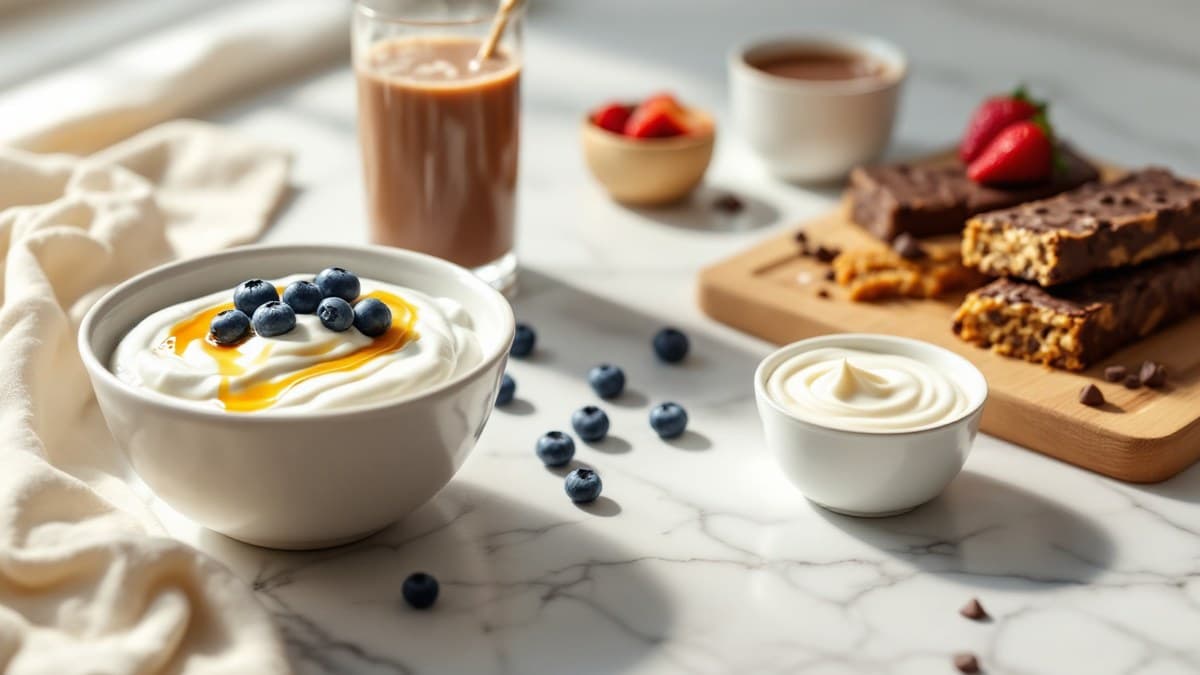
Best High-Protein Snacks at Safeway (2026): 6 Picks Ranked by Protein Density
Six high-protein snacks you can actually find at Safeway, ranked by protein-per-calorie. Top pick is FAGE Total 0% at 20g of protein per 100 calories — better than any protein bar on this list. Premier Protein and Oikos Triple Zero tie for second at 18.8g per 100 calories. Every number comes from the official Nutrition Facts panel, not a database average.
Read more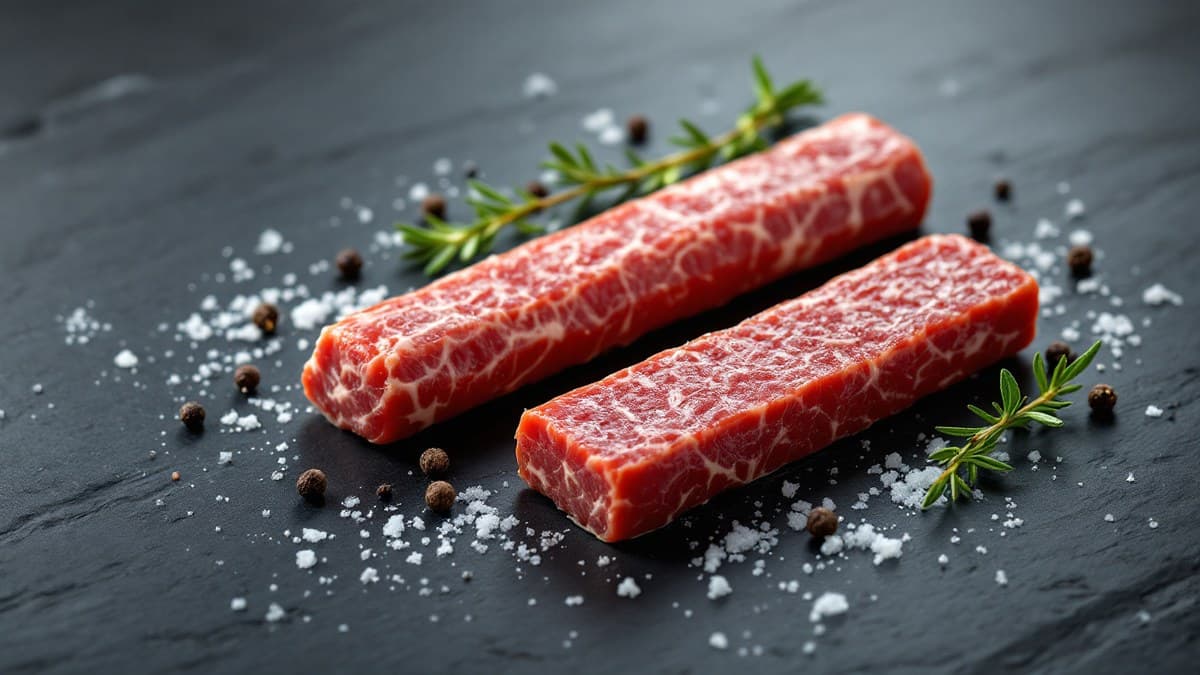
Chomps vs Epic Bar (2026): Protein, Ingredients, and Which Grass-Fed Meat Snack to Buy
Both Chomps and Epic deliver 10g of protein from 100% grass-fed beef — but they are not the same snack. Chomps Original is 100 calories with zero carbs and zero sugar; Epic Beef Sea Salt + Pepper is 130 calories with 3g of fiber and 590mg of sodium. Which you should buy depends on whether you prioritize calorie density or fiber. Verified 2026 nutrition data from official brand sources.
Read more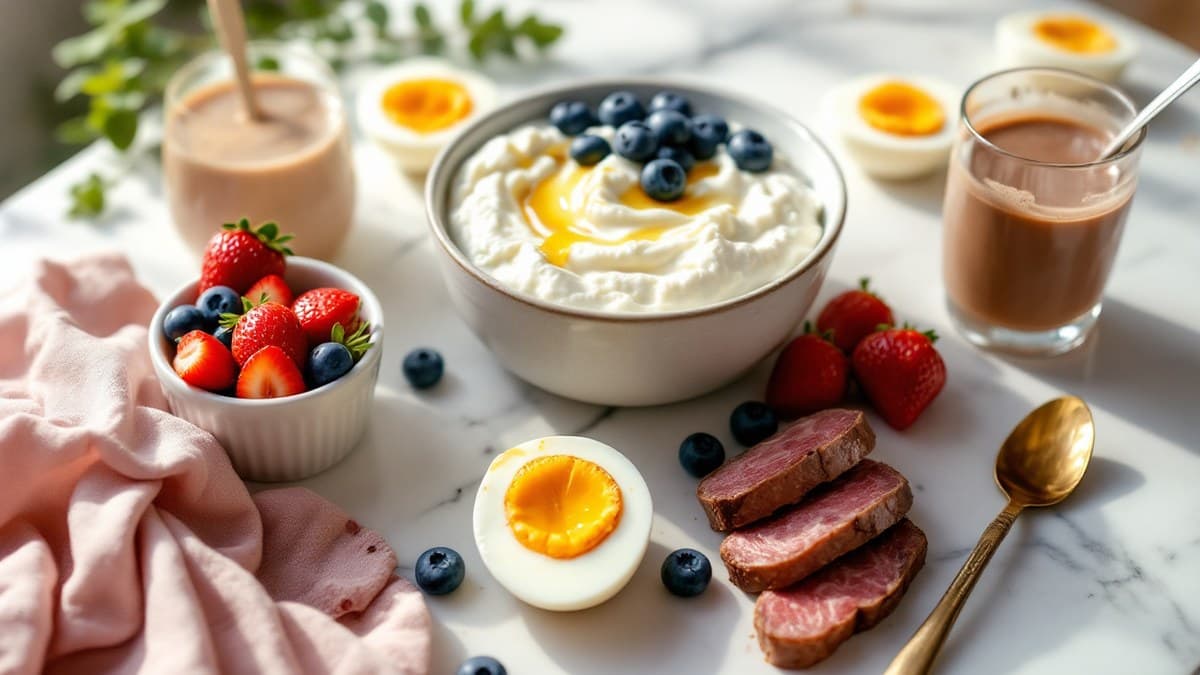
Best Protein Snacks for Menopause (2026): 7 Picks That Support Muscle and Bone Health
Women going through menopause need significantly more protein than standard guidelines suggest — research supports 1.0 to 1.2g per kilogram of body weight daily to counter the accelerated muscle loss that begins as estrogen drops. These 7 protein snack picks are chosen specifically for the menopause context: high protein, meaningful calcium content where possible, low added sugar, and real-food ingredients over heavily processed options. Verified 2026 nutrition data.
Read more