Good Culture Classic Cottage Cheese vs Magic Spoon Protein Cereal - Fruity
Compare protein, calories, price, and overall value for Good Culture Classic Cottage Cheese and Magic Spoon Protein Cereal - Fruity before you buy.
Good Culture
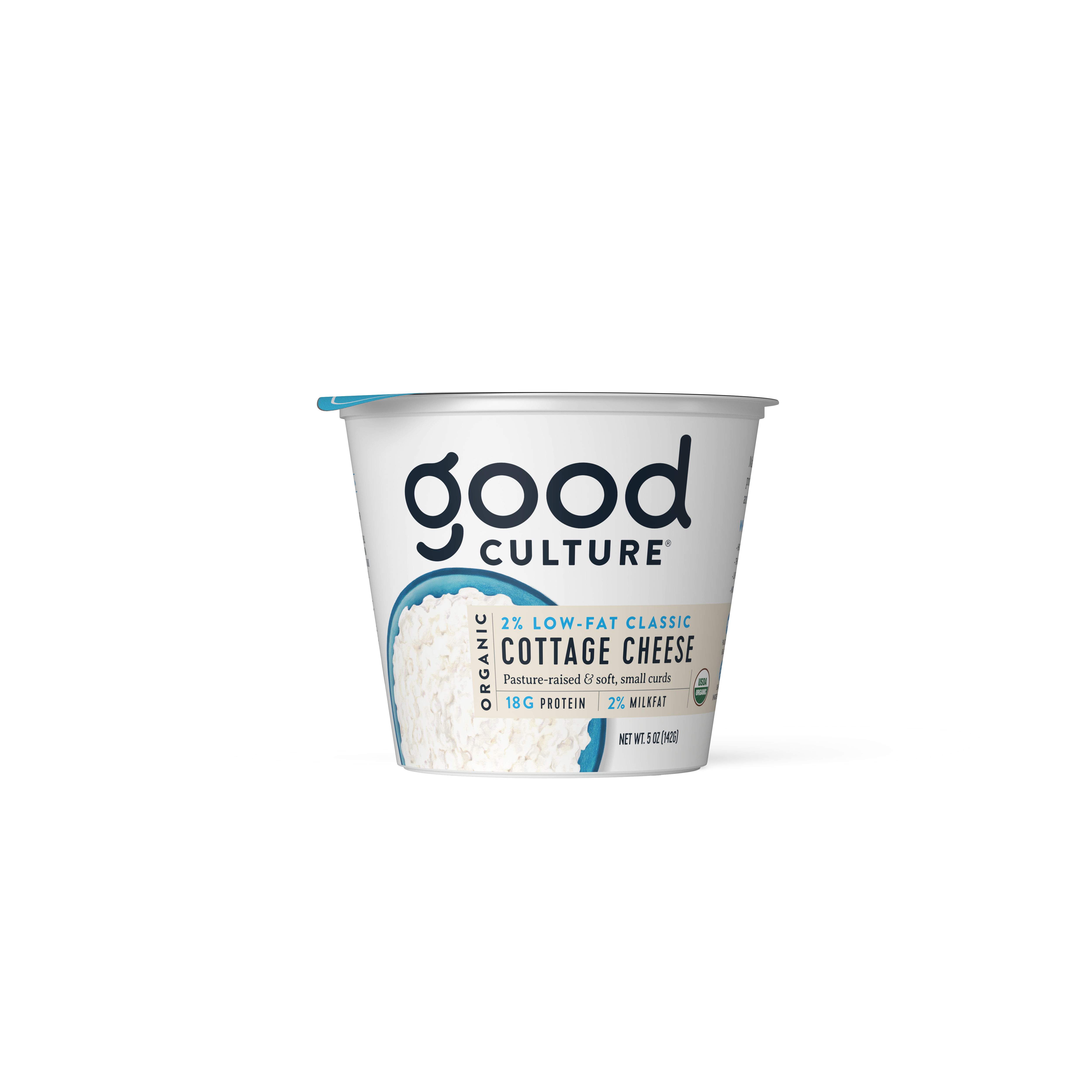
Protein
14g
Calories
130
Price
$5.49
Protein per $1
2.6g
Pros
- More protein per serving: 14g vs 13g.
- Lower calorie load: 130 calories vs 150.
- Better value on protein per dollar: 2.6g per $1.
Cons
- There is no major downside in this head-to-head, so the choice comes down to taste and retailer preference.
Magic Spoon

Protein
13g
Calories
150
Price
$32.99
Protein per $1
0.4g
Pros
- Competitive overall macros for a protein cereal option.
Cons
- Less protein per serving: 13g vs 14g.
- Higher calorie count: 150 vs 130.
| Metric | Good Culture Classic Cottage Cheese | Magic Spoon Protein Cereal - Fruity |
|---|---|---|
| Protein | 14gBest | 13g |
| Calories | 130Best | 150 |
| Carbs | 6gBest | 14g |
| Fat | 6gBest | 7g |
| Price | $5.49Best | $32.99 |
| Protein per $1 | 2.6gBest | 0.4g |
Good Culture Classic Cottage Cheese is the stronger overall pick in this matchup.
Good Culture Classic Cottage Cheese wins here because it offers more protein per serving (14g vs 13g), a lighter calorie hit (130 vs 150), better protein-per-dollar value (2.6g/$ vs 0.4g/$).
Choose Good Culture Classic Cottage Cheese if you care more about more protein per serving: 14g vs 13g.
Choose Magic Spoon Protein Cereal - Fruity if you care more about competitive overall macros for a protein cereal option.
Frequently Asked Questions
Good Culture Classic Cottage Cheese has more protein per serving: 14g versus 13g.
Good Culture Classic Cottage Cheese is the lighter option at 130 calories, compared with 150 calories for the alternative.
Good Culture Classic Cottage Cheese delivers better protein-per-dollar value at about 2.6g per $1.
Good Culture Classic Cottage Cheese is the stronger overall pick in this matchup. Good Culture Classic Cottage Cheese wins here because it offers more protein per serving (14g vs 13g), a lighter calorie hit (130 vs 150), better protein-per-dollar value (2.6g/$ vs 0.4g/$). They sit in different categories, so format and texture may matter as much as the raw macros.