
Macro Nutrient Planner
Macro Nutrient Planner
Master Your Diet with a Macro Nutrient Planner
Planning your meals can feel like a puzzle, especially when you’re trying to balance calories and nutrients. That’s where a tool like a macronutrient calculator comes in handy. It takes the guesswork out of figuring out how much protein, carbs, and fat you need each day to match your personal goals, whether you’re shedding pounds or building strength.
Why Macronutrients Matter
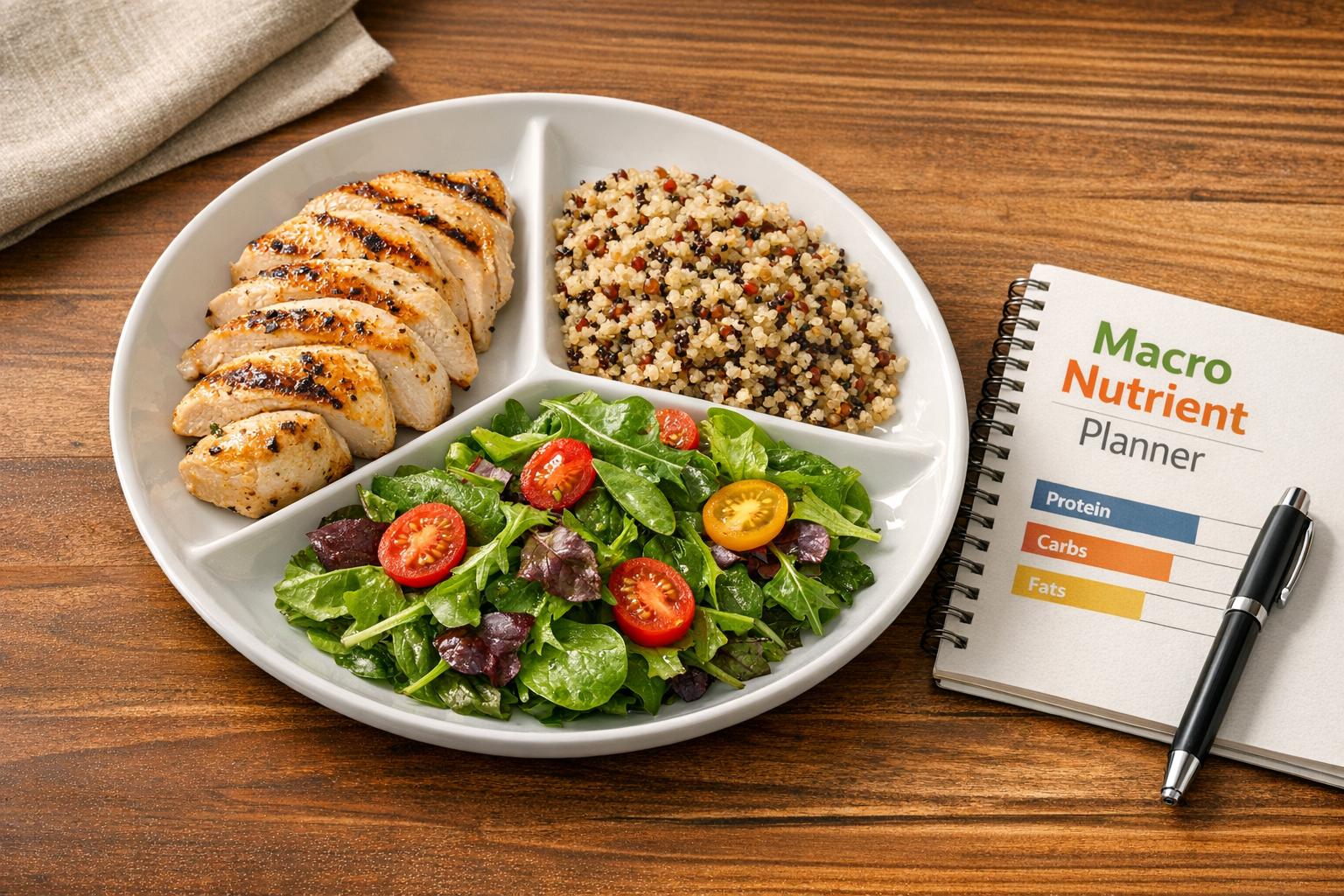
Every bite you take breaks down into these core components, each playing a unique role in your body. Protein repairs muscle, carbs fuel your energy, and fats keep hormones in check. But getting the right mix isn’t always intuitive. A digital planner tailored to your calorie targets and lifestyle can map out a clear path. Imagine knowing exactly how many grams of each nutrient to eat based on whether you’re sitting at a desk all day or hitting the gym hard.
Start Small, Track Smart
The beauty of this approach is its flexibility. Pick a dietary style that fits—maybe you lean toward fewer carbs or extra protein—and let the tool do the heavy lifting. Pair it with a food diary to see real progress. Small, consistent steps guided by personalized data can transform how you eat and feel over time.
FAQs
How does the Macro Nutrient Planner calculate my macros?
It’s pretty straightforward! The tool takes your calorie goal and applies a percentage split based on your chosen dietary preference—like 50% carbs, 20% protein, and 30% fat for a Balanced plan. Then, it adjusts slightly if you’re more active by bumping up total calories by 10%. Finally, it converts those percentages into grams so you know exactly how much of each macronutrient to aim for. It’s a quick way to get a clear picture without doing the math yourself.
Can I use this tool for weight loss or muscle gain?
Absolutely, it works for both! If you’re looking to lose weight, set a calorie goal below your maintenance level and pick a dietary style that suits you—maybe High Protein to stay full longer. For muscle gain, increase your calories above maintenance and go for a protein-heavy split to support growth. The activity level input also helps fine-tune the numbers. Just remember to track what you eat to stay on target.
What if my dietary preference isn’t listed?
No worries! The four options—Balanced, High Protein, Low Carb, and High Fat—cover most common eating styles, but if you’ve got something unique, start with the closest match. From there, you can tweak your plan manually based on the output. The tool is meant to give you a solid starting point, not a rigid rule. If you’re following a very specific diet, like keto or vegan with custom ratios, you might want to consult a nutritionist for extra guidance.